
Published: Saturday, November 14, 2026 · 9:18 AM | Updated: Saturday, November 14, 2026 · 9:18 AM
📊 11 views




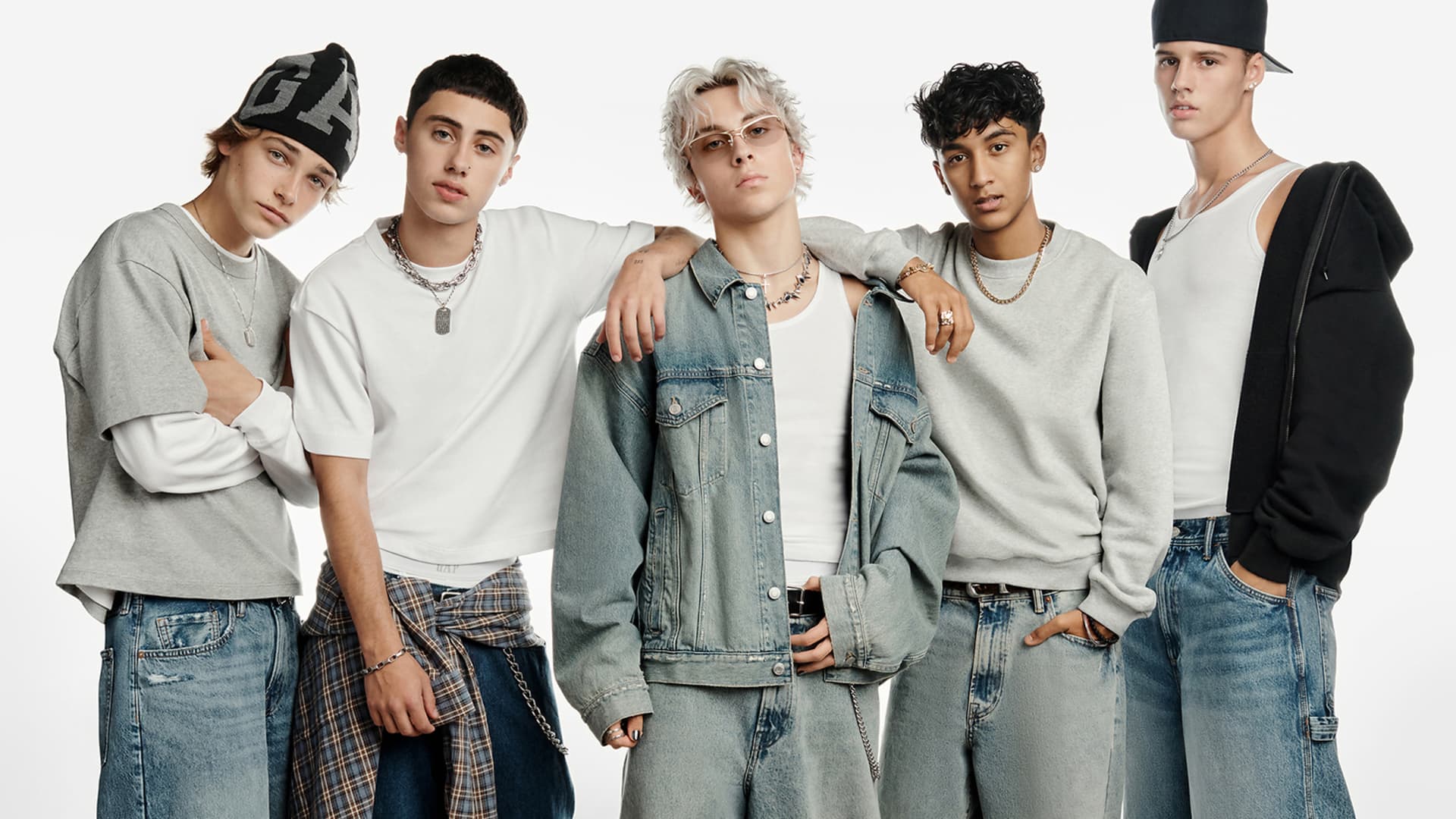
In a bold move reshaping traditional retail, companies are increasingly leveraging entertainment to capture consumer attention and loyalty. Gap Inc. exemplifies this shift, appointing a Chief Entertainment Officer and pioneering ‘fashiontainment’ initiatives to embed its brands deeper into cultural conversations, signaling a significant evolution in corporate growth strategies.
🗝️ Corporate Strategy Insights
- Gap’s Strategic Shift. The appointment of a Chief Entertainment Officer and the launch of ‘fashiontainment’ demonstrate Gap Inc.’s commitment to transcending product sales by creating cultural relevance and deeper consumer identification.
- Value of Intellectual Property (IP). The success of Mattel’s ‘Barbie’ movie underscores how valuable existing brand IP is in commanding audience attention and fostering consumer loyalty in a saturated market.
- Experiential Retail Growth. Beyond digital content, retailers are investing in immersive in-store experiences, such as those by Dick’s Sporting Goods, to transform shopping into an entertainment form, driving higher engagement and average basket sizes.
Gap Inc.’s strategic pivot, heralded by former Paramount executive Pam Kaufman as its new Chief Entertainment Officer, marks a definitive embrace of what it terms ‘fashiontainment.’ This approach integrates retail with entertainment, building on successful campaigns like partnerships with emerging music groups Just Your Type and Katseye. CEO Richard Dickson, formerly of Mattel where he oversaw the monumental success of the ‘Barbie’ movie, brings a clear vision for placing brands at the ‘center of culture and cultural conversation,’ as he noted at the Goldman Sachs Global Consumer and Retail conference in September. This move highlights a broader industry trend where shopping transitions from a mere fulfillment task to an entertainment form, a shift observed by AlixPartners’ Bryan Eshelman.
The increasing emphasis on retailer entertainment stems from a post-pandemic consumer desire for engagement beyond transactional purchases. Brands are realizing that cultivating community and a sense of belonging can drive loyalty more effectively than product features alone. This extends to leveraging intellectual property (IP), which, according to LionTree’s Alex Michael, is becoming the most valuable asset for cutting through marketing noise and securing audience attention. The distribution of this IP is also diversifying, encompassing video, audio, short-form, long-form, and live events, compelling brands to engage consumers much earlier in their journey.
- Authenticity is Key: Brand extensions must genuinely reflect core values to resonate with consumers, fostering meaningful experiences.
- Cross-Sector Expertise: Executives with backgrounds in both retail and entertainment are increasingly vital for navigating the blurring lines between industries.
- Community Building: Retailers are focused on creating a lifestyle or community around their brands to deepen consumer connections beyond product offerings.
The strategic ripple effect of these developments is significant. By investing in ‘fashiontainment’ and experiential retail, companies like Gap and Dick’s Sporting Goods are not only aiming to boost their own sales but also setting new benchmarks for engagement across the sector. This forces competitors to re-evaluate their marketing and customer acquisition models, potentially diverting investments from traditional advertising towards content creation and immersive experiences. The success seen by Coach and Ralph Lauren, reporting nearly 10% year-over-year increases in average basket size from experiential retail investments, underscores the tangible revenue potential of this approach. This fundamental shift also creates new avenues for independent creators and brands to co-create IP, challenging the traditional studio system and democratizing content creation in retail contexts.
‘Community, at the end of the day, is one of the key ways to drive loyalty, so I think retailers of all types are trying to tap into some sense of community, some sense of lifestyle, some sense of belonging that’s beyond the product that they offer,’ said Bryan Eshelman, who leads the retail practice at consulting firm AlixPartners.
Key indicators underscore the retail industry’s evolving landscape:
- Gap Inc.’s Executive Appointment: The creation of a Chief Entertainment Officer role signifies a top-level commitment to integrating media and content into core business strategy.
- Mattel’s Box Office Success: The ‘Barbie’ movie’s massive revenue validated the commercial power of brand IP leveraged across entertainment platforms, influencing investment analysis in this domain.
- Experiential Retail ROI: Data from AlixPartners indicates that retailers investing in immersive experiences, like Coach and Ralph Lauren, observe close to a 10% year-over-year increase in consumers’ average basket size, highlighting the direct impact on revenue.
Gap Inc. Strategic Analysis: Blending Brands and Culture
Gap Inc.’s investment in ‘fashiontainment’ is a calculated move to rejuvenate a legacy brand struggling for relevance in a rapidly changing retail landscape. By appointing Pam Kaufman and leveraging CEO Richard Dickson’s experience from Mattel, Gap is signaling a proactive strategy to shift from a pure product-centric model to a brand-as-cultural-platform approach. This involves not only creating engaging content but also fostering genuine connections through celebrity partnerships and immersive experiences. The goal is to move beyond seasonal fashion cycles, establishing an evergreen cultural presence that resonates deeply with younger, digitally-native consumers. This strategy implicitly seeks to enhance brand equity, making Gap not just a clothing provider but a lifestyle facilitator that consumers want to be a part of. The long-term success of this approach will depend heavily on the authenticity of its content and its ability to consistently reflect the brand’s core identity, distinguishing it from fleeting trends.
Retailer Competitive Advantages: Beyond Price and Product
In today’s hyper-competitive market, traditional competitive advantages rooted in price, product quality, or distribution channels are increasingly insufficient. The rise of retailer entertainment and experiential retail introduces new dimensions of differentiation. Brands that can successfully transform shopping into an engaging, memorable experience—whether through interactive in-store activities, exclusive digital content, or co-created IP with creators—will gain a significant edge. This creates a powerful moat by fostering emotional connections and community, leading to higher customer lifetime value and stronger brand loyalty. For market leaders, this means moving beyond transactional relationships, focusing instead on cultivating a lifestyle and belonging that transcends the merchandise itself. The ability to innovate continuously in customer engagement, making every touchpoint a part of a larger, compelling narrative, will define future market leadership, compelling firms to adapt their corporate strategy. Accessing global market trends for such shifts is crucial for staying ahead.
The Shifting Landscape of Consumer Engagement in Retail
The embrace of entertainment by major retailers represents a fundamental reorientation of industry priorities, driven by evolving consumer expectations and the imperative for deeper engagement. This transformative trend suggests a future where brand narratives and experiential interactions are as critical as product offerings.
- Consumer expectations for brand interaction have shifted from passive consumption to active participation and entertainment.
- Intellectual property and compelling content creation are emerging as critical differentiators for brands aiming to cut through market noise.
- Operational efficiency must now balance traditional retail fundamentals (product, price, inventory) with innovative entertainment and experiential investments.
As retailers vie for attention, how will the delicate balance between authentic entertainment and core product value shape the next decade of consumer spending?
📊 StockXpo Analyst’s View
Market Impact: Gap’s bold move into ‘fashiontainment’ and the broader trend of retailer entertainment signal a fundamental re-evaluation of marketing spend and brand building. This could lead to a reallocation of advertising budgets from traditional channels towards content creation and experiential investments, potentially impacting media agencies and technology platforms specializing in immersive experiences. Investors should monitor brands that successfully integrate entertainment without compromising product quality, as these are likely to see enhanced customer loyalty and potentially higher average transaction values. This also puts pressure on retailers with thin margins to innovate their engagement strategies, as the cost of customer acquisition through traditional means continues to climb.
Sector To Watch: The entertainment and experiential retail sectors are poised for significant growth. Companies specializing in digital content production, event management, and in-store interactive technologies could become attractive investment targets. Furthermore, traditional apparel and general merchandise retailers that successfully execute these new engagement models may experience a re-rating by the market, as their competitive moats deepen through enhanced brand equity and consumer stickiness. This strategy also has implications for luxury brands and lifestyle companies, where premium experiences have always played a crucial role, pushing them to further elevate their offerings and seek educational insights into evolving consumer behavior.
Financial Disclaimer:
StockXpo.com is a financial news aggregator and educational portal, not a registered investment advisor or broker-dealer. All information, news, and analysis provided herein are strictly for educational purposes and do not constitute investment, financial, legal, or tax advice. Investing in the stock market involves high risks, and past performance is not indicative of future results. StockXpo will not be liable for any financial losses or investment damages. Always consult a certified financial advisor before making market decisions.
MORE IN INSIDE BUSINESS

Scout Motors Reservations Surge: A Strategic Pivot to Hybrids
Published: Thursday, November 12, 2026 · 6:55 AM

Measles Outbreaks: The $83 Million Warning for U.S. Health Spending
Published: Wednesday, November 11, 2026 · 9:28 AM


