
Published: Friday, November 13, 2026 · 6:07 AM | Updated: Friday, November 13, 2026 · 6:07 AM
📊 15 views




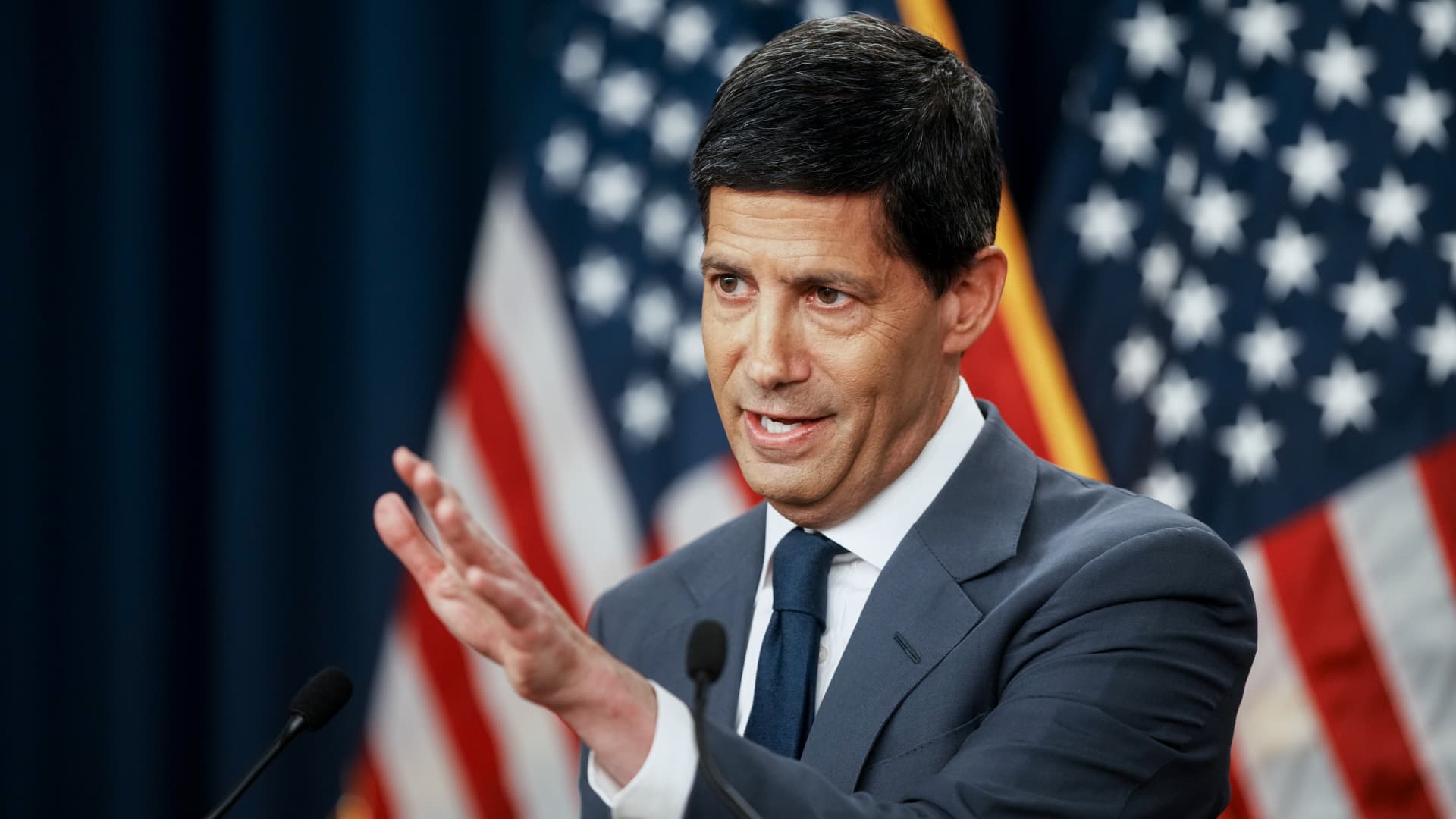
The Federal Reserve, initially poised for rate reductions, now confronts a resurgent inflation fight, signaling a significant pivot in monetary policy. This unexpected shift from projected easing to sustained tightening carries profound implications for global financial markets, consumer spending, and systemic economic stability, impacting everything from borrowing costs to investment returns.
📊 Macro-Economic Strategic Insights
- Policy Reversal. The Federal Reserve unexpectedly raised rates in September 2026, pivoting from initial projections of rate cuts, signaling a more aggressive stance against persistent price pressures.
- Persistent Inflation. October’s CPI and core CPI readings surpassed forecasts, indicating that inflation remains entrenched above the Fed’s 2% target for over five years, intensifying the challenge.
- Hawkish Outlook. Market traders, via the CME Fedwatch tool, now overwhelmingly expect another 25-basis-point hike in December, with some Fed governors even considering a 50-basis-point increase if inflation data remains hot.
At the outset of 2026, the Federal Reserve projected a course of gradual rate reductions, reflecting an optimistic view of disinflationary trends. However, this outlook has drastically reversed as the central bank finds itself in an unexpected and protracted inflation fight. After maintaining an accommodative stance for an extended period, the Fed was compelled to execute its first rate hike since 2023, raising rates by 25 basis points in September.
This policy pivot was underscored by recent data, particularly October’s inflation report. The Consumer Price Index (CPI) registered a higher-than-expected 0.4% month-over-month increase, exceeding the Dow Jones survey forecast of 0.3%. Similarly, core CPI, which excludes volatile food and energy prices, climbed 0.3% against a 0.2% prediction. These figures confirm that inflation has remained stubbornly above the Fed’s 2% target for more than five years, posing a significant challenge to macroeconomic stability, as noted by Reuters analysis.
The severity of the situation is echoed by Fed officials and politicians alike. Chicago Federal Reserve President Austan Goolsbee characterized current inflation readings as "borderline disturbing," emphasizing that the cost of living has become a paramount concern for American households. Vice President JD Vance publicly attributed Republican losses in recent midterm elections to this pervasive economic issue, illustrating the broader political implications of persistent price increases. Fed Governor Christopher Waller has even indicated that a sustained core CPI around 0.3% could warrant a more aggressive 50-basis-point hike in December, a substantial move.
Economists are now recalibrating their expectations. Chester Liaw, G7 Economist at OCBC Group Research, suggests a 25 basis point hike in December will likely be sufficient for the near term. However, Robert Sockin, Chief U.S. Economist at PGIM, holds a more hawkish view for the medium term. He posits that inflationary impulses could persist, leading him to forecast an additional 100 basis points in rate hikes, commencing in December and continuing quarterly thereafter. This perspective is bolstered by a robust labor market, which, according to Sockin, allows the U.S. economy to withstand rising interest rates without significant portions derailing, thus leaving the door open for sustained tightening to ensure long-term macroeconomic trends stabilization.
- The Fed’s aggressive stance indicates a longer battle against price increases than previously anticipated, potentially shifting global stock markets.
- Consumer sentiment and political landscapes are increasingly sensitive to rising living costs, making the Fed’s actions politically charged and impacting fiscal policy debates.
- The possibility of executive actions, such as increased tariffs by President Donald Trump next year, could further complicate inflationary dynamics and supply chains.
The Economic Ripple: Unpacking the Fed’s Tightening Cycle
The Federal Reserve’s commitment to tackling the inflation fight initiates a series of economic cause-and-effect relationships that reverberate through the entire financial system. Understanding these dynamics is crucial for strategic planning.
- Higher Interest Rates → Increased Borrowing Costs for Businesses & Consumers → Reduced Investment & Spending → Potential Slowdown in Economic Growth.
- Persistent Inflation → Erodes Household Purchasing Power → Decreased Real Wages & Consumer Confidence → Reduced Discretionary Spending → Strains on Retail & Services Sectors.
- Strong Labor Market (current state) → Sustained Wage Growth → Potential for Demand-Side Inflationary Pressure → Continued Fed Tightening.
- Potential Tariffs (future fiscal policy) → Higher Import Costs for Producers & Consumers → Further Supply Chain Disruptions & Domestic Price Increases.
This interconnected web illustrates that while the Fed aims to cool inflation, the path is fraught with potential impacts on economic activity and financial stability, requiring careful monitoring.
"Core CPI, or the Consumer Price Index excluding volatile food and energy components, is a crucial metric for the Federal Reserve. It offers a clearer signal of underlying inflationary trends, stripped of temporary shocks, making it a key indicator for long-term monetary policy decisions. Policymakers pay close attention to core inflation as it reflects the more embedded, structural price pressures within the economy rather than transient fluctuations."
Key Economic Indicators: A Snapshot of Inflationary Pressures
| Metric/Event | Observed Value | Expected Value | Significance |
|---|---|---|---|
| October CPI (MoM) | 0.4% | 0.3% | Higher-than-expected headline inflation, fueling rate hike expectations. |
| October Core CPI (MoM) | 0.3% | 0.2% | Indicates persistent underlying price pressures, not just transitory factors. |
| Sept. 2026 Fed Rate Hike | 25 Basis Points | Expected Rate Cuts | First hike since 2023, a definitive policy reversal signaling a commitment to price stability. |
| Fed’s Inflation Target | Above 2% for 5+ years | 2% | Demonstrates the entrenched nature of inflation despite prior efforts. |
These metrics collectively underscore the Federal Reserve’s formidable challenge: inflation is not merely a transient phenomenon but appears deeply entrenched, compelling the central bank to maintain a more aggressive and proactive monetary stance.
U.S. Regional Trends in Inflationary Risks
While national aggregates like CPI provide a broad picture, regional variations in inflationary pressures remain significant across the United States. Housing costs, a substantial component of core inflation, continue to see uneven increases, with major metropolitan areas often experiencing faster appreciation. This disparity affects the cost of living differently for consumers in various states, making the Fed’s generalized monetary policy a complex tool. Local labor market dynamics, including wage growth and worker shortages, also contribute to regional inflationary divergences, influencing business investment and consumer spending patterns locally. Understanding these localized trends is crucial for a nuanced view of the nationwide inflation fight.
Global Benchmarking of Fed’s Stance
The Federal Reserve’s renewed hawkishness places it alongside other major central banks wrestling with similar inflationary challenges, though often with different economic backdrops. The European Central Bank (ECB) and the Bank of England (BoE), for instance, have also navigated periods of aggressive tightening, but face distinct issues related to energy shocks, geopolitical tensions, and varying fiscal capacities. The Fed’s actions, particularly its commitment to controlling domestic prices, have significant spillover effects on global capital flows, currency valuations, and commodity markets. A strong dollar, driven by higher U.S. rates, can create financial strain for emerging markets with dollar-denominated debt, while influencing trade balances worldwide, as highlighted in Bloomberg’s economic reporting. This interconnectivity necessitates a global perspective on what might seem like a purely domestic policy shift.
The Inflation Fight: What Awaits Markets in 2027
The Federal Reserve’s decisive pivot from anticipated rate cuts to sustained hikes signals a challenging economic landscape ahead. The persistence of above-target inflation for over five years, coupled with strong labor market dynamics, suggests that the tools of monetary policy will remain actively deployed. This trajectory demands vigilance from businesses and consumers alike, as borrowing costs rise and purchasing power is tested.
- Expect continued monetary tightening as the Fed prioritizes price stability, potentially leading to a period of slower economic growth.
- Fiscal policies, particularly potential tariff actions under a new administration, could introduce additional inflationary pressures and supply chain volatility.
- The cost of living will likely remain a dominant socio-economic and political issue, influencing consumer behavior and policy decisions into the new year.
How will the global economy absorb prolonged higher interest rates, and what emerging systemic risks could reshape the investment paradigm?
📊 StockXpo Analyst’s View
Market Impact: The sustained hawkish pivot by the Fed is likely to introduce renewed volatility into equity markets, especially growth stocks sensitive to higher discount rates. Bond yields are expected to remain elevated, offering attractive opportunities for fixed-income investors but pressuring corporate borrowing costs. Market liquidity could tighten as the cost of capital increases, prompting a cautious reallocation of portfolios toward defensive sectors and influencing broader educational insights for investors.
Sector To Watch: Given the focus on the inflation fight and consumer cost of living, the defensive sectors, particularly consumer staples and utilities, may offer relative stability. Financials could also benefit from higher net interest margins, while highly leveraged technology and discretionary consumer sectors face headwinds. Energy prices, influenced by geopolitical factors and potential tariffs, will remain a critical input cost to monitor across all industries, impacting overall economic health and corporate earnings.
Financial Disclaimer:
StockXpo.com is a financial news aggregator and educational portal, not a registered investment advisor or broker-dealer. All information, news, and analysis provided herein are strictly for educational purposes and do not constitute investment, financial, legal, or tax advice. Investing in the stock market involves high risks, and past performance is not indicative of future results. StockXpo will not be liable for any financial losses or investment damages. Always consult a certified financial advisor before making market decisions.
MORE IN INSIDE ECONOMY
UK Economy Defies Expectations with Robust 0.7% Growth
Published: Thursday, November 12, 2026 · 4:54 AM

Consumer Strain Deepens: Retail Sales Slow to Multi-Month Low
Published: Wednesday, November 11, 2026 · 9:59 AM


