
Published: Wednesday, November 11, 2026 · 9:28 AM | Updated: Wednesday, November 11, 2026 · 9:28 AM
📊 18 views




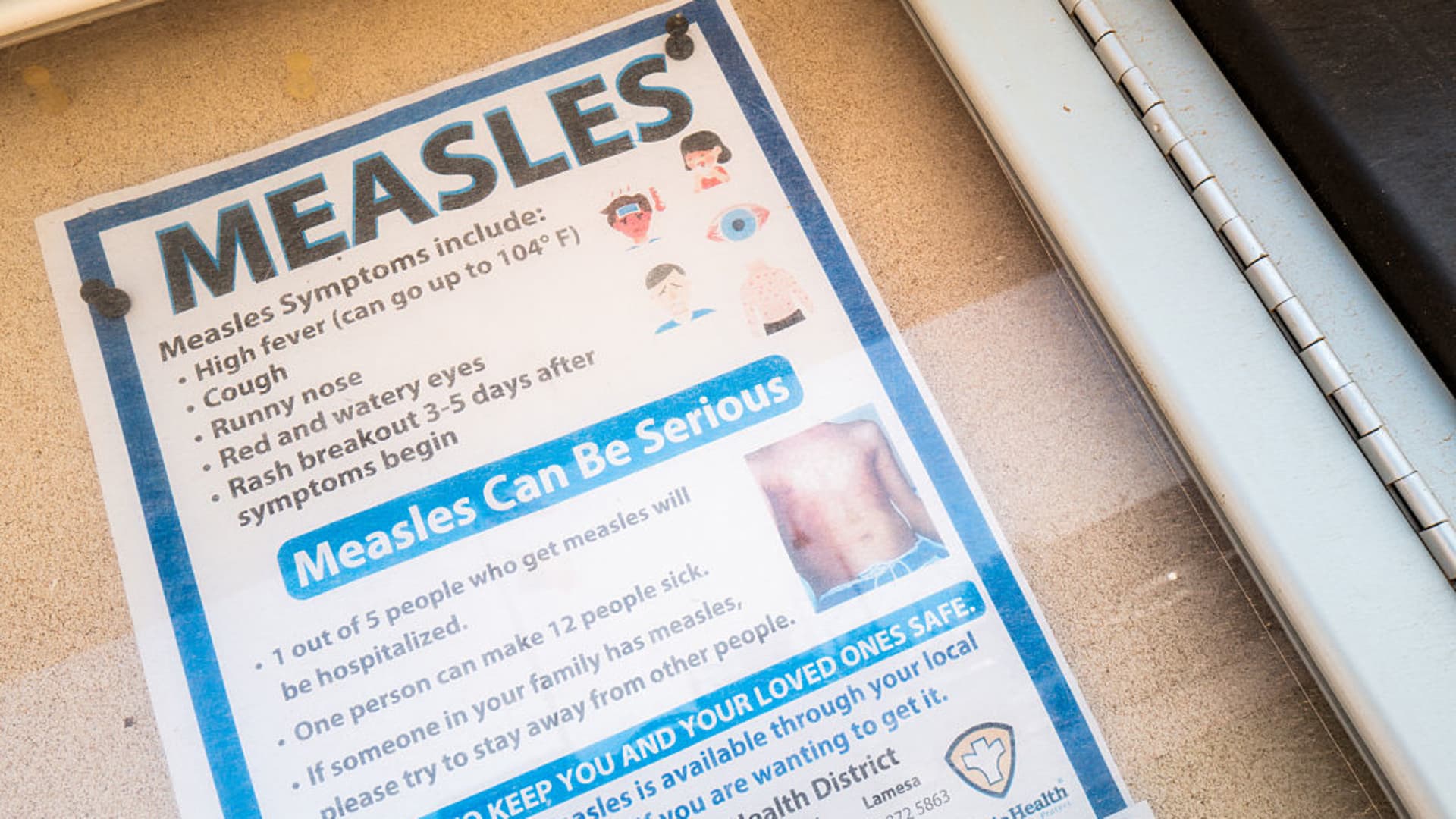
The United States is grappling with a concerning resurgence of measles, leading to escalating economic burdens that challenge public health infrastructure and productivity. This surge, poised to strip the nation of its official measles elimination status, underscores a critical strategic concern for national resource allocation and healthcare preparedness in the face of preventable diseases.
🗝️ Corporate Strategy Insights
- Escalating Costs. Measles outbreaks in the U.S. are no longer just a public health threat; they represent a significant and growing financial strain on state and national budgets.
- Beyond Treatment. The true economic impact extends far beyond direct medical expenses, heavily influenced by public health response costs and lost productivity across various sectors.
- Prevention as Investment. The rising financial burden highlights vaccination as a crucial economic investment, offering a high return compared to the reactive costs associated with managing widespread outbreaks.
The economic toll of measles outbreaks in the U.S. is rapidly expanding, with recent estimates from Johns Hopkins University researchers indicating a near $83 million burden for 2026 alone, based on over 5,100 reported cases. This figure represents a sharp increase from the $37 million estimated for 2025, when 2,289 cases were confirmed. The dramatic rise underscores a critical challenge to the nation’s public health system and its economic resilience. With eight deaths already confirmed in 2026 across Pennsylvania, New York, and Wisconsin, the human cost is also undeniable.
The Pan American Health Organization is expected to review the U.S.’s measles elimination status this week, potentially revoking it—a significant setback after decades of progress. This reversal reflects a systemic vulnerability, particularly concerning falling childhood immunization rates, which expose a wider population to the highly contagious disease. As reported by global business news, such health crises can have far-reaching financial implications. The financial implications are multifaceted, encompassing:
- Public Health Response: Costs associated with investigating infections, contact tracing, notifying exposed individuals, coordinating with institutions, and organizing vaccination campaigns. These are largely labor-driven and consume resources that could be allocated to other public health priorities.
State-specific data further illustrates the variance in these costs. New York’s 48 cases in 2025 incurred an estimated $1.1 million, while Texas, with 803 cases, faced nearly $13 million. These figures highlight how location-specific factors, such as average inpatient hospital costs and minimum wages, significantly influence the overall economic impact. Bryan Patenaude, a health economist at Johns Hopkins, emphasized that many costs are incurred upfront due to the intensive human labor required for containment.
The escalating costs of measles outbreaks create a substantial strategic ripple effect across the U.S. economy and healthcare landscape. A rise in cases directly translates into an increased strain on public health departments, diverting their already stretched resources from other critical public health initiatives. This diversion can delay responses to other emerging health threats or compromise routine health services, creating a systemic vulnerability. For instance, the need for extensive contact tracing and quarantine measures, even for uninfected contacts, leads to significant productivity losses. A single case exposing 40-50 people could incur $12,000-$15,000 in lost productivity, irrespective of infection, as highlighted by Joey Mattingly, a health economist at the University of Utah. This phenomenon represents a substantial drag on local economies, impacting small businesses and families directly. The broader implications include:
- Budgetary Strain: Local and state health departments face unexpected financial pressures, potentially leading to budget reallocations or calls for increased federal aid.
- Healthcare System Overload: Severe cases require hospitalization, adding pressure on healthcare facilities and personnel.
- Societal Trust Erosion: A loss of elimination status and persistent outbreaks could erode public trust in health institutions and vaccine programs, complicating future public health efforts, a trend often discussed in market insights.
These compounding effects demonstrate how a public health issue quickly transforms into an economic burden, impacting everything from individual wages to national strategic reserves.
The economic burden of measles outbreaks quickly outweighs the investment required for vaccination, underscoring prevention as the most cost-effective corporate strategy for public health.
Key indicators of the economic impact are starkly clear:
- 2026 Estimated Cost: ~$83 million (5,100+ cases). This nearly doubles the previous year’s costs, signaling a worsening trend in the financial impact of current U.S. measles outbreaks.
- 2025 Estimated Cost: ~$37 million (2,289 cases). This provides a baseline for the rapid escalation of the problem, showing how quickly costs can surge with increased case counts.
- Average Cost per Case (Public Health Response): ~$59,000 (historical study). This figure emphasizes the labor-intensive nature of containment efforts, regardless of patient outcome, indicating significant operational overhead.
- Fixed Outbreak Costs: ~$298,000 (initial study model). Demonstrates the substantial upfront investment required for any outbreak response, regardless of scale, impacting immediate public health budgets.
- Lost Productivity per Quarantined Person: ~$300. Highlights the ripple effect of indirect costs, even for those not infected, significantly affecting local economies and individual finances.
These metrics underscore the immense financial implications of failing to maintain high vaccination rates, shifting the focus from individual health to systemic economic stability and potentially influencing broader investment analysis.
The Hidden Costs of Public Health Inefficiency
The narrative of rising measles costs often overlooks the systemic inefficiencies within the public health framework that exacerbate the problem. When outbreaks occur, health departments are forced into reactive mode, diverting staff and resources from proactive disease prevention, chronic disease management, and community health programs. This diversion creates a cycle of underinvestment in preventative care, which is consistently more cost-effective than emergency response. The ability to pivot resources quickly is laudable, but constant firefighting ultimately weakens the foundational public health infrastructure. This situation reflects a broader challenge in government funding and strategic foresight, where short-term budget constraints often overshadow long-term societal and economic benefits of robust public health systems. Without a sustained commitment to vaccine coverage and public health education, these inefficiencies will continue to compound the financial burden.
Market Leadership in Vaccine Development: A Critical Moat
While the news highlights public health challenges, it implicitly underscores the critical role of pharmaceutical companies that hold market leadership in vaccine development. Companies like Merck, which produces the MMR vaccine, possess an undeniable competitive moat. Their operational efficiency in vaccine production, global distribution networks, and R&D capabilities are crucial not only for individual health but for national economic security. The cost-effectiveness of vaccination—preventing illnesses that cost millions—strengthens the argument for continued investment in these companies. Their strategic foresight in maintaining robust vaccine pipelines and ensuring manufacturing capacity directly contributes to the resilience of global health systems. For investors, understanding the strategic importance and stable demand for these essential medical products is key to assessing long-term value in the pharmaceutical sector and understanding corporate growth trajectories.
Measles Outbreaks: Rethinking the Nation’s Health Investment
The surging economic costs associated with measles outbreaks demand a re-evaluation of national health investment strategies. The projected loss of elimination status and the multi-million dollar price tag for containment signify a critical juncture for U.S. public health policy.
- Preventative Spending Urgency: The financial analysis strongly advocates for increased, proactive investment in vaccination programs over reactive outbreak management, illustrating better fiscal stewardship.
- Systemic Vulnerability Exposed: The outbreaks reveal weaknesses in local and state public health funding and resource allocation, demanding systemic reform to build more resilient health systems.
- Economic Drag: Beyond healthcare, the lost productivity and diversion of resources act as a measurable drag on local economies and national economic output, impacting overall prosperity.
Can the U.S. pivot its health strategy to prevent future, more costly public health crises, informed by educational insights from this current situation?
📊 StockXpo Analyst’s View
Market Impact: The rising costs associated with measles outbreaks could indirectly pressure state and local budgets, potentially impacting municipal bond markets if health spending surges. For pharmaceutical companies specializing in vaccines, this situation reinforces their defensive moat, demonstrating sustained demand for preventative healthcare solutions.
Sector To Watch: The Public Health sector will face heightened scrutiny regarding funding and operational efficiency. Additionally, companies involved in diagnostic testing and contact tracing technologies might see increased demand, highlighting the economic opportunities within the crisis response ecosystem.
Financial Disclaimer:
StockXpo.com is a financial news aggregator and educational portal, not a registered investment advisor or broker-dealer. All information, news, and analysis provided herein are strictly for educational purposes and do not constitute investment, financial, legal, or tax advice. Investing in the stock market involves high risks, and past performance is not indicative of future results. StockXpo will not be liable for any financial losses or investment damages. Always consult a certified financial advisor before making market decisions.
MORE IN INSIDE BUSINESS

GM’s Used Car Strategy: A Bold Play for Market Leadership
Published: Tuesday, November 10, 2026 · 8:18 AM

Food Quality Renaissance: A Strategic Imperative for Restaurant Chains
Published: Monday, November 9, 2026 · 7:04 AM


