Published: Saturday, November 14, 2026 · 7:47 AM | Updated: Saturday, November 14, 2026 · 7:47 AM
📊 9 views




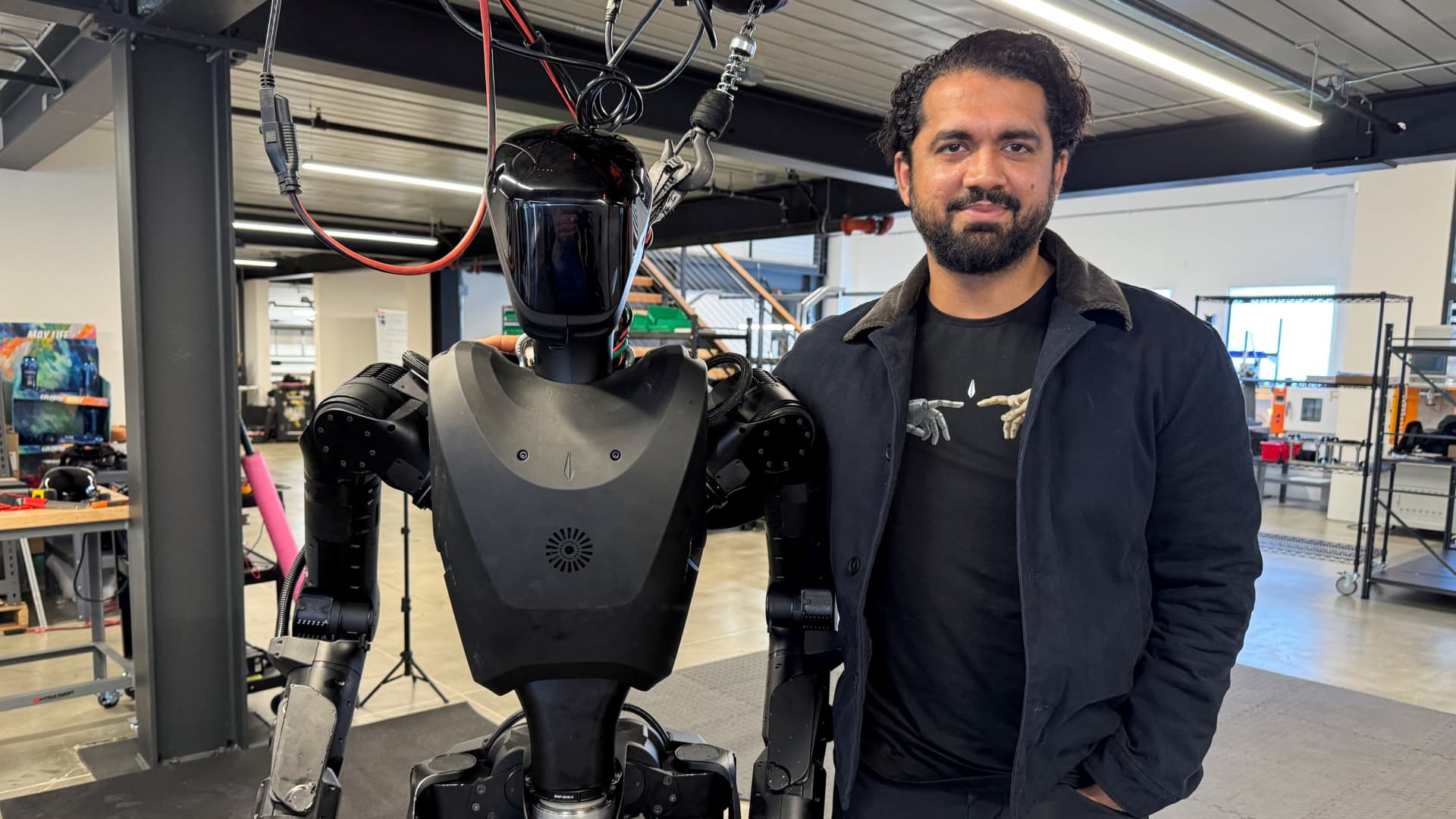
Foundation Future Industries, an ambitious robot soldier startup backed by Eric Trump, is grappling with a severe liquidity crisis, evidenced by its recent failure to pay employees. This financial instability comes amid revelations that its founder, Sankaet Pathak, borrowed $4.6 million from the company for a luxury home, raising critical questions about corporate governance and asset valuation.
💰 Financial Strategy & Market Insights
- Liquidity Shockwave. Foundation Future Industries, a prominent robot soldier startup, missed payroll, highlighting critical cash flow deficiencies and immediate operational challenges.
- Governance Red Flag. The founder’s $4.6 million loan for a personal home, coupled with his sole board membership and majority shareholding, signals severe corporate governance concerns for prospective investors.
- Valuation Scrutiny. Despite an audacious $3 billion valuation target, the company’s financial practices and past controversies linked to the founder, particularly the Synapse collapse, significantly undermine investor confidence and asset valuation.
Foundation Future Industries, aiming to disrupt military robotics with its Phantom-01 humanoid robot, failed to disburse employee paychecks on October 30th, reportedly due to dwindling cash reserves. This inability to meet basic operational expenses starkly contrasts with its stated ambition to raise hundreds of millions of dollars at a speculative $3 billion valuation, as reported by CNBC.
The core of the current crisis stems from CEO Sankaet Pathak’s $4.6 million short-term loan from the company in 2025, used to purchase a luxury Sausalito home. This internal borrowing, made possible by Pathak’s status as sole board member and majority shareholder, has sparked internal outrage and severe investor concern regarding the integrity of the *robot soldier startup*’s financial management. Pathak’s prior venture, fintech firm Synapse, collapsed in 2024, locking thousands of Americans out of their savings and prompting a grand jury investigation into missing funds, a history that adds layers of complexity and risk to Foundation’s fundraising efforts.
The company’s public profile has also been subject to scrutiny:
- Eric Trump, son of the former U.S. president, serves as an advisor and investor, drawing attention and questions of nepotism from figures like Senator Elizabeth Warren, despite his spokesperson clarifying his non-involvement in management.
- Claims of $24 million in Pentagon contracts were largely attributed to an acquisition, Boardwalk Robotics, whose performance milestones remain unmet, rather than direct wins by Foundation.
- Previous reports by CNBC highlighted Pathak’s exaggerated claims of a $300 million purchase order from General Motors for his prior robotics startup, a claim the automaker refuted.
These patterns of financial opacity and ambitious, yet unverified, claims underscore significant challenges for the company’s long-term viability and its ability to attract credible capital. Insiders express concern that without immediate funding, Foundation could collapse, following a similar payroll crunch in August that was resolved by a bridge loan from an existing investor. The company’s unique governance structure, with Pathak controlling the board, allows for decisions that might not align with broader fiduciary duties, impacting investor protections and market sentiment towards future innovation in the financial sector.
Navigating the Investment Terrain: Risks and Rewards
- Upside Potential:
- Disruptive military robotics technology (Phantom-01) in a high-demand sector.
- Potential for significant government contracts, particularly in defense and border security, if technology matures and trust is restored.
- Association with high-profile advisors like Eric Trump could open doors to certain investor networks.
- Downside Risks:
- Severe liquidity crunch and inability to meet payroll, signaling imminent operational failure.
- Major corporate governance issues due to founder’s control and personal use of company funds.
- Reputational damage from founder’s controversial past with Synapse and prior exaggerated claims.
- High valuation target ($3 billion) appears incongruous with financial instability and governance flaws, creating significant asset valuation risk.
- Increased scrutiny from regulators and potential for legal repercussions related to past and present financial dealings.
Expert Insight: ‘Corporate governance’ refers to the system of rules, practices, and processes by which a company is directed and controlled. Effective governance ensures accountability, transparency, and fairness in a company’s relationship with its stakeholders. The absence of a diverse board and the founder’s unchallenged control, as seen in Foundation, can create substantial risks for investors by enabling self-serving actions that deplete company capital and erode trust.
Key Financial Data Points and Company Milestones
- Founder Loan: $4.6 million borrowed by CEO Sankaet Pathak from the company.
- Target Valuation: Pathak is seeking funding at a $3 billion valuation.
- Acquired Contracts: $24 million in Pentagon contracts gained through the acquisition of Boardwalk Robotics.
- Prior Venture Fallout: Synapse collapse left over 100,000 Americans locked out of $265 million in deposits; $96 million in customer funds reportedly missing.
- Founder’s Past Withdrawals: $320,000 in loans withdrawn by Pathak from Synapse as it approached bankruptcy.
Foundation’s Liquidity Analysis: A Cautionary Tale
The immediate liquidity situation at Foundation is dire, characterized by missed payroll and an urgent search for bridge funding. A company’s inability to cover basic operating expenses like salaries is a critical red flag for financial health and sustainability. This is not merely a temporary setback but points to systemic issues in cash flow management, fundraising execution, or potentially, misappropriation of funds. The rapid depletion of cash reserves, especially in a startup touted for its advanced technology, suggests either a failure to secure anticipated funding rounds or significant capital outflows that are not aligned with operational needs. For market analysis, such events can indicate a lack of investor confidence or a failure to meet projected growth metrics, making future capital injections increasingly difficult to secure.
Asset Valuation Under Siege: The Phantom’s Real Price
The claimed $3 billion valuation for Foundation, particularly given its current financial turmoil and governance challenges, presents a significant disconnect with traditional asset valuation principles. Valuation models typically factor in future growth potential, intellectual property, market traction, and, crucially, a stable financial foundation and robust corporate governance. When a founder takes a multi-million-dollar loan from the company, especially one with a history of financial collapses, it severely impacts how institutional investors perceive the asset’s true value. This behavior signals a high-risk environment, discounting any potential technological breakthroughs or market opportunities the company might genuinely possess. The ‘Phantom’ robot, irrespective of its technical prowess, struggles for credibility when its corporate backing is so visibly unstable, a reality that impacts the broader market for early-stage defense technology ventures, as noted by financial news outlets like Reuters.
Foundation Future Industries: Navigating a Perilous Path
Foundation Future Industries stands at a critical juncture, with its ambitious technological goals overshadowed by profound financial mismanagement and governance deficits. The intersection of its founder’s controversial past and the current liquidity crisis casts a long shadow over its future prospects and the credibility of its asset valuation. Investors examining the broader market should carefully consider the inherent risks in such ventures.
- The immediate priority for Foundation is securing funding to avert collapse and address outstanding payroll, which will be challenging given recent revelations.
- Long-term investor trust requires a fundamental overhaul of corporate governance, moving beyond a single-person board structure and addressing the perceived financial impropriety.
- The unfolding saga could serve as a stark warning for due diligence in high-growth, high-speculation sectors like defense robotics, influencing how future capital shifts are perceived by those engaging in market analysis.
Can this *robot soldier startup* effectively rebuild trust and secure its future amidst such profound challenges, or is its path destined to mirror its founder’s past ventures?
📊 StockXpo Analyst’s View
Market Impact: This situation sends a cautionary signal across the venture capital landscape, particularly for startups operating in capital-intensive sectors. Investor confidence will likely be shaken regarding corporate governance practices, leading to heightened scrutiny of founder loans and board structures, potentially dampening liquidity for other early-stage ventures. It underscores the critical importance of transparent financial health and ethical leadership for market credibility.
Sector To Watch: The defense robotics and AI sector, while promising, will face increased due diligence pressure. Companies in this space must demonstrate robust financial controls and governance to differentiate themselves. Established defense contractors might see a flight to quality, benefiting from perceived stability, while newer entrants might find it harder to secure funding without impeccable financials and leadership, an essential aspect to consider for those following financial sector developments.
Financial Disclaimer:
StockXpo.com is a financial news aggregator and educational portal, not a registered investment advisor or broker-dealer. All information, news, and analysis provided herein are strictly for educational purposes and do not constitute investment, financial, legal, or tax advice. Investing in the stock market involves high risks, and past performance is not indicative of future results. StockXpo will not be liable for any financial losses or investment damages. Always consult a certified financial advisor before making market decisions.
MORE IN INSIDE FINANCE
Inflation’s Persistent Grip: Fed’s Goolsbee Signals More Work Ahead
Published: Friday, November 13, 2026 · 11:40 AM

China’s Ministry of State Security: Rising Volatility in Tech Geopolitics
Published: Thursday, November 12, 2026 · 2:52 AM