
Published: Thursday, October 22, 2026 · 8:40 AM | Updated: Thursday, October 22, 2026 · 8:40 AM
📊 21 views




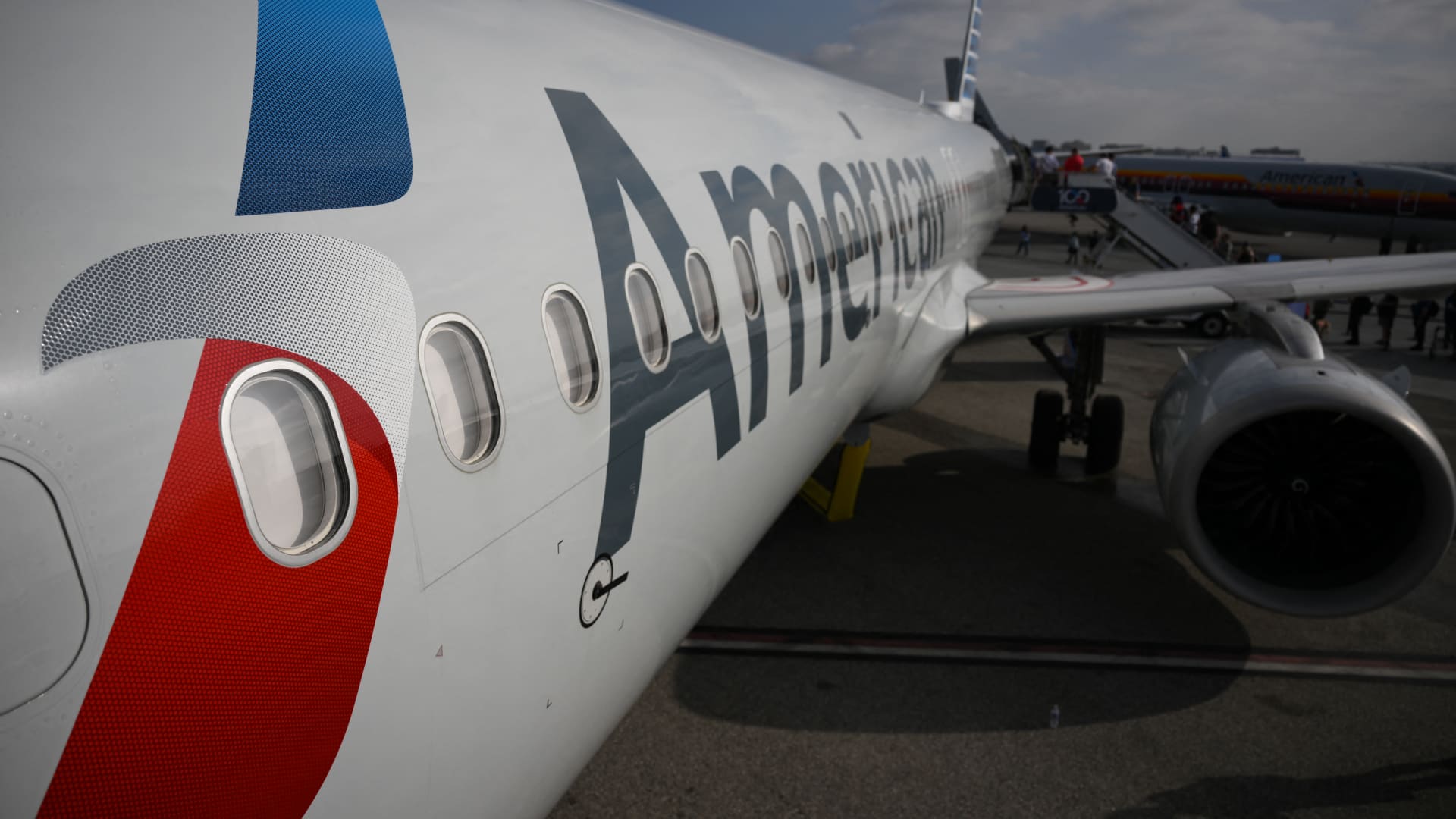
American Airlines has significantly revised its 2026 financial outlook, projecting deeper losses than previously anticipated, primarily due to an unexpected surge in jet fuel costs. This operational challenge is prompting the carrier to implement a strategic deceleration in its capacity growth for the upcoming year, a move with broad implications for the aviation sector’s competitive dynamics and overall profitability.
🗝️ Corporate Strategy Insights
- Revised Outlook. American Airlines now forecasts an adjusted loss of $1 to $1.60 per share for the full year, a significant downgrade from earlier projections, signaling substantial earnings pressure.
- Capacity Discipline. In response to rising costs, the airline plans to slow its capacity expansion next year, prioritizing financial stability over aggressive market share gains.
- Fuel Cost Headwind. Jet fuel expenses soared 67.5% year-over-year in Q3 to $4.64 billion, becoming a critical determinant of profitability and forcing strategic adjustments.
Fort Worth, Texas-based American Airlines, ticker AAL, announced an adjusted full-year loss forecast ranging from $1 to $1.60 per share, a stark contrast to its July guidance which included potential earnings of up to 65 cents a share. This downward revision underscores the severe impact of elevated fuel prices, a challenge mirrored across the industry as Delta Air Lines, United Airlines, and Southwest Airlines have also cut their outlooks this month, as reported by CNBC.
Despite recording its strongest year-over-year revenue growth and achieving a record $16.34 billion in third-quarter revenue, exceeding Wall Street expectations, the impact of soaring fuel costs was undeniable. The carrier posted a net loss of $269 million, or 41 cents a share, in Q3, adjusted to 28 cents per share loss. CEO Robert Isom highlighted the success of their commercial strategy, particularly in premium performance, but acknowledged the overwhelming pressure from costs.
- American’s Q3 revenue jumped 19.3% year-over-year to $16.34 billion, surpassing analyst estimates of $16.22 billion.
- The adjusted loss per share for Q3 was 28 cents, better than the expected 35 cents, but still a significant loss.
- The company now projects a Q4 adjusted loss of 50 cents to $1.10 per share, with revenue growth of up to 22.5% and capacity up between 5.5% and 6.5% year-over-year.
The strategic ripple effect of American Airlines’ decision to slow capacity growth is considerable. While designed to mitigate financial losses from high fuel costs, this move could lead to a tighter supply of seats across the industry, potentially sustaining the already elevated airfare prices, which have risen over 20% from last year. For competitors, a moderated growth pace from a major player like American could reduce pressure for aggressive expansion, allowing for a collective focus on profitability rather than market share battles. However, it also highlights the vulnerability of all carriers to external shocks like geopolitical events affecting fuel supply, influencing overall investment analysis in the sector. This strategic pivot impacts not only corporate growth strategies but also broader airline capacity decisions.
The fundamental challenge for American Airlines and its peers is the critical balancing act between robust revenue generation from sustained travel demand and the uncontrollable volatility of input costs, primarily jet fuel. This dynamic underscores the fragility of operational efficiency in a capital-intensive industry.
Key financial indicators for American Airlines revealed a mixed picture, with strong top-line growth overshadowed by cost pressures. Here’s a snapshot of the critical metrics influencing the American Airlines loss forecast:
| Metric | Q3 2026 Actual | Q3 2026 Wall Street Estimate | Significance |
|---|---|---|---|
| Adjusted Loss per Share | ($0.28) | ($0.35) | Indicates better cost control than anticipated, but still a loss. |
| Total Revenue | $16.34 Billion | $16.22 Billion | Demonstrates strong demand and effective commercial strategy. |
| Q3 Fuel Bill (YoY Change) | $4.64 Billion (+67.5%) | N/A | Primary driver of adjusted loss, highlighting exposure to energy prices. |
These figures underscore the company’s ability to drive revenue amid strong travel demand, yet simultaneously reveal the overwhelming impact of external cost pressures on the bottom line.
American Airlines Strategic Analysis Amidst Headwinds
American Airlines has been under significant pressure to improve its profitability, especially when compared to more consistently profitable rivals such as Delta and United. CEO Robert Isom has initiated a management shake-up, bringing in new leadership across operations, commercial, and network divisions. These changes are designed to enhance operational efficiency and refine their commercial strategy. Furthermore, the airline has invested in upgrading its customer experience through new lounges and revamped cabins featuring more premium seats, a direct play for higher-margin revenue. While these long-term investments are crucial for competitive positioning, they also add to the near-term capital expenditure, making the fuel price shock even more challenging.
American Airlines Competitive Advantages and Market Position
Despite the revised American Airlines loss forecast, the airline’s record revenue performance indicates a robust demand for air travel and the success of its commercial strategy, particularly in capturing premium passengers. This reflects a key competitive advantage: a strong brand presence and extensive network coverage that attracts both leisure and business travelers. However, the current situation highlights a comparative disadvantage in fuel hedging or cost management resilience compared to some peers, as reported by outlets covering the broader business landscape. While American has trailed in profitability, its current strategy of slowing growth could allow it to stabilize its financial position and re-evaluate its capital allocation strategies for better long-term returns. This ongoing market dynamic is critical for those seeking educational insights into airline industry economics.
American Airlines’ Fuel Challenge: Navigating Unpredictable Skies
American Airlines’ updated loss forecast and planned capacity slowdown signify a pragmatic, albeit painful, recalibration of its corporate strategy in response to external cost pressures. While record revenue demonstrates underlying demand strength and commercial strategy effectiveness, the industry’s vulnerability to global energy markets remains a dominant factor. This pivot to prioritizing financial stability over aggressive growth is a critical development for the airline sector.
- The airline is proactively managing uncontrollable fuel costs by adjusting capacity rather than relying solely on demand-driven revenue.
- Management’s focus on premium offerings and operational efficiency continues, despite macro headwinds.
- The move aligns American with other major carriers who have also trimmed their forecasts, signaling a broader industry trend towards conservatism.
How will this strategic retrenchment influence the long-term competitive landscape for American Airlines and its rivals in the increasingly volatile global financial markets?
📊 StockXpo Analyst’s View
Market Impact: The deepening American Airlines loss forecast, alongside similar revisions from competitors, signals a challenging period for the airline sector. Investor sentiment is likely to remain cautious, focusing on carriers’ ability to manage costs and maintain pricing power amid high fuel expenses. This trend could exert downward pressure on airline stock valuations in the near term.
Sector To Watch: The energy sector, particularly oil and gas, becomes even more pivotal. Any volatility in crude oil prices will directly translate to significant financial impacts for airlines. Additionally, companies providing fuel-efficient aircraft or alternative energy solutions for aviation could see increased strategic interest as airlines look for long-term solutions to mitigate fuel cost exposure.
Financial Disclaimer:
StockXpo.com is a financial news aggregator and educational portal, not a registered investment advisor or broker-dealer. All information, news, and analysis provided herein are strictly for educational purposes and do not constitute investment, financial, legal, or tax advice. Investing in the stock market involves high risks, and past performance is not indicative of future results. StockXpo will not be liable for any financial losses or investment damages. Always consult a certified financial advisor before making market decisions.
MORE IN INSIDE BUSINESS
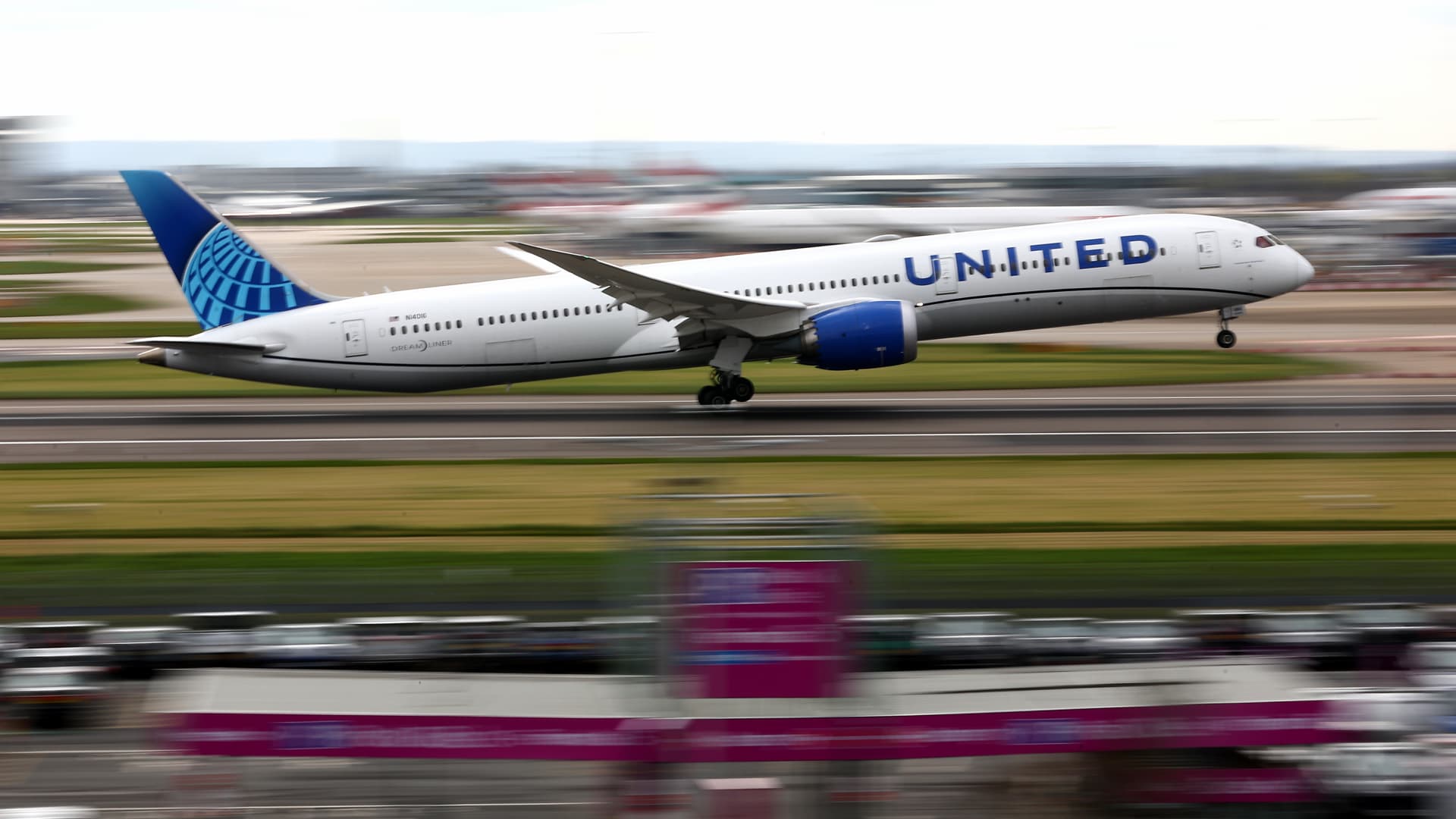
United Airlines Profit Outlook Slashed Amid Fuel Costs, Strong Demand Persists
Published: Wednesday, October 21, 2026 · 7:30 AM

General Motors Earnings Preview: A 30% EPS Surge Amidst Market Caution
Published: Tuesday, October 20, 2026 · 1:11 AM

