
Published: Thursday, October 22, 2026 · 9:12 AM | Updated: Thursday, October 22, 2026 · 9:12 AM
📊 13 views




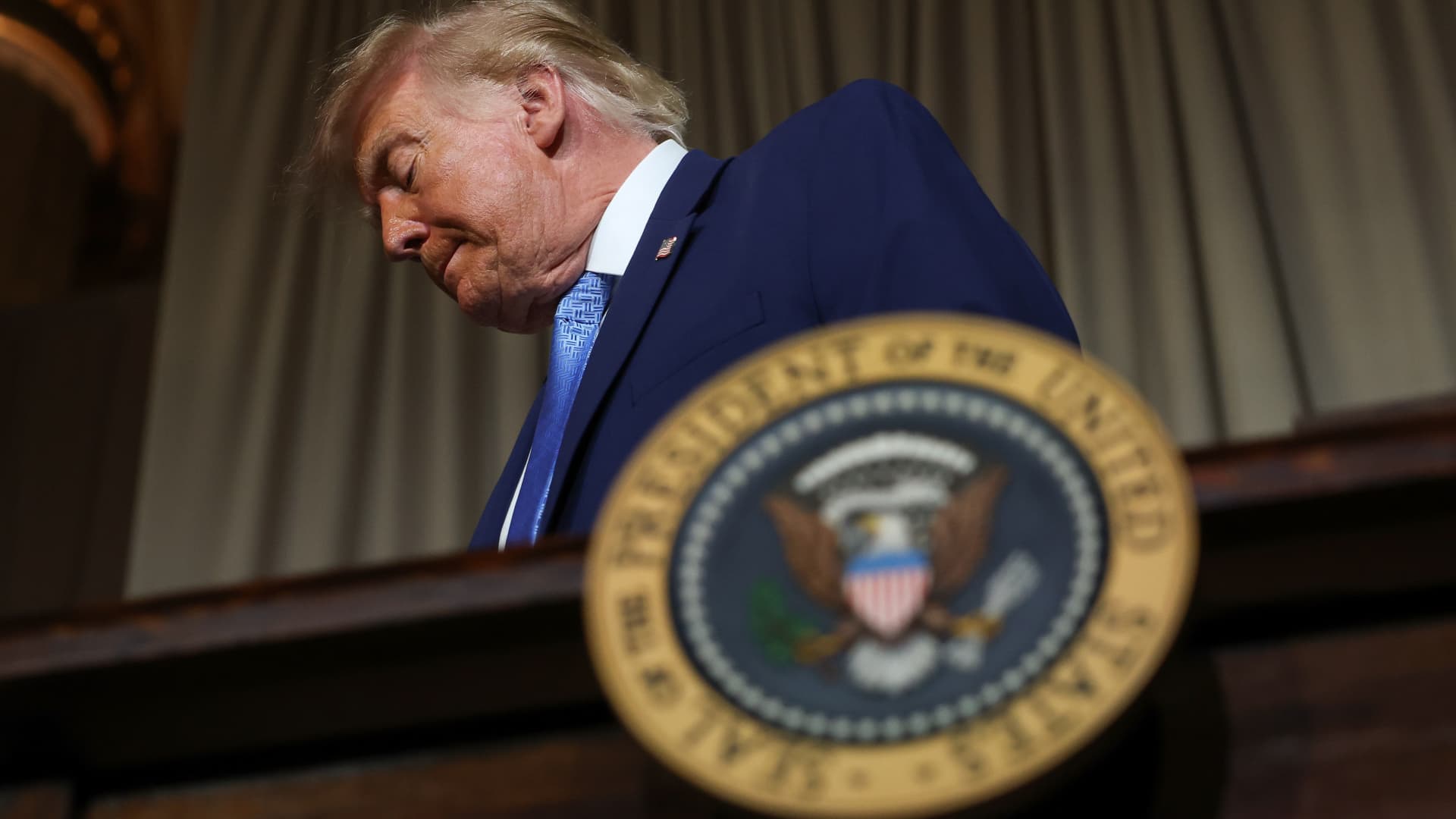
A new CNBC All-America Economic Survey reveals a stark shift in public sentiment, with President Donald Trump’s economic approval rating hitting an all-time low just weeks before crucial congressional elections. This widespread economic pessimism among U.S. voters could signal significant shifts in fiscal policy direction and investor confidence, with potential ripple effects across global markets.
📊 Macro-Economic Strategic Insights
- Declining Economic Confidence. Eight out of ten Americans now rate the economy as fair or poor, a level of gloom not seen since the immediate aftermath of the pandemic, suggesting broad-based discontent with current conditions.
- Historic Low for Presidential Approval. President Trump’s net economic approval rating has plummeted to -31 percentage points, the lowest of his terms and exceeding even former President Biden’s worst figures, indicating significant public dissatisfaction with his economic stewardship.
- Partisan Shift in Pessimism. A notable rise in economic pessimism among Republicans (up 6 points to 35% since July) indicates a break in party unity regarding economic sentiment, previously a stronghold for the administration.
The latest CNBC All-America Economic Survey paints a challenging picture for the incumbent administration, showing widespread disillusionment with the state of the economy. A staggering 80% of Americans now categorize the economy as ‘fair or poor,’ a sentiment deeply rooted across the political spectrum but intensifying even among Republicans. This shift is particularly striking as it indicates a broad erosion of confidence, moving beyond traditional partisan divides. The survey notes that 63% of the public is pessimistic about the current economic outlook, a figure that includes a significant 35% of Republicans, the highest level of pessimism recorded among the party during Trump’s two terms. This unprecedented dip directly contributes to the President’s overall economic approval rating hitting a new nadir.
This evolving economic perception holds significant implications for the upcoming congressional elections, with Americans expressing a clear preference for Democratic control of Congress by a 52% to 45% margin. Such a lead, a 3-point gain for Democrats since July, underscores how economic concerns are translating directly into political preferences. Issues like government corruption, identified as a top concern by 36% of respondents, and the soaring cost of food and gas, are heavily swaying voter sentiment. Democrats are perceived as better equipped to handle these critical issues, further highlighting the public’s demand for tangible solutions to everyday financial pressures. This confluence of factors creates an environment where economic dissatisfaction is a potent political force, influencing not only election outcomes but also the broader legislative agenda.
The public’s top concerns reveal a focus on immediate financial strains and systemic governance issues.
- Cost of Living: The cumulative concern over the cost of food, gas, and housing is paramount for 57% of respondents, with 80% acknowledging rising prices. Food costs have notably surpassed gas prices as a primary worry.
- Government Corruption: Identified as the most pressing issue by 36% of voters, Democrats are seen as having a 4-point advantage in addressing this.
- Protecting Democracy: This issue also finds Democrats with a significant lead in public confidence.
While Republicans retain an advantage on border security and immigration, that lead has narrowed. Intriguingly, Democratic handling of jobs and unemployment, and even Iran policy, has gained favor, indicating a broader reassessment of party capabilities across a wider range of policy domains. The survey results suggest that while partisan divisions remain deep, the immediacy of economic hardship and governance issues is driving a noticeable shift in voter allegiances, especially among crucial independent and undecided cohorts. For more detailed insights into macro trends and investment analysis, visit our main site StockXpo. Additional economic commentary and market data can be found through platforms like Bloomberg Economics.
Declining Trump Economic Approval → Reduced Consumer Confidence → Slower Spending & Investment → Potential Economic Deceleration
Widespread Economic Pessimism → Increased Demand for Fiscal Intervention → Shifting Political Landscape → Uncertainty in Policy Direction
Rising Cost of Living Concerns → Public Pressure on Policymakers → Potential for Inflationary Measures or Price Controls → Market volatility
Perceived Government Corruption → Eroding Trust in Institutions → Hindered Foreign Direct Investment → Long-term Macro-Stability Risks
“Economic pessimism, particularly when it transcends partisan lines, is a critical indicator for policymakers. It reflects a growing apprehension among the populace regarding their financial future and the stability of the broader economy. This can translate into reduced spending, cautious investment, and a demand for significant policy adjustments, acting as a powerful determinant of electoral outcomes and future fiscal strategies. Understanding these sentiment shifts is crucial for assessing macro-stability and systemic growth.”
While not a traditional data table, the survey results provide key metrics vital for understanding current economic sentiment:
- Public Economic Outlook: 80% of Americans rate the economy as ‘fair or poor,’ reflecting broad discontent. This is crucial because consumer sentiment often correlates with spending and investment patterns, directly impacting GDP growth.
- Overall Economic Pessimism: 63% of the public is pessimistic about the economy’s current state and outlook, a 1 percentage point increase from July. Rising pessimism can lead to a tightening of household budgets and delayed major purchases.
- Trump’s Economic Approval Rating: A net -31 percentage points (34% approval, 65% disapproval), the lowest of his terms. This metric directly links public economic perception to presidential performance, influencing political capital and policy feasibility.
- Congressional Preference: Democrats hold a 7-point lead (52% to 45%) for congressional control. This indicates that economic dissatisfaction is being channeled into political support, which could reshape legislative priorities and lead to different approaches to fiscal and monetary policy.
- Top Voter Concerns: The cost of food/groceries (34%) and government corruption (36%) are leading issues. These direct concerns highlight the immediate financial pressures on households and a demand for governmental integrity, influencing specific policy debates around inflation and transparency.
U.S. Fiscal Policy Commentary
The survey’s findings strongly suggest that the current fiscal policies are failing to resonate with a majority of the American public, particularly concerning inflation and cost-of-living issues. The broad discontent, even among Republicans, points to a potential need for a re-evaluation of current government spending priorities and revenue strategies. With the cost of food and gas consistently highlighted as top concerns, any incoming administration or legislative body will face immense pressure to implement measures that directly alleviate these burdens. This could involve targeted tax relief, increased subsidies for essential goods, or even a re-examination of supply chain vulnerabilities. The long-term implication is a likely shift towards more fiscally conservative approaches if the current sentiment holds, or a demand for direct economic intervention to temper inflationary pressures. Such policy shifts would profoundly impact national economic policy, potentially redirecting federal resources and influencing bond markets. For deeper insights into economic policy, explore our dedicated section on economic policy.
Global Economic Benchmarking
While the CNBC survey focuses on U.S. domestic sentiment, the pervasive economic pessimism mirrors broader trends observed in several developed economies grappling with post-pandemic inflation and supply chain disruptions. The U.S. situation, with its significant public discontent over rising costs, aligns with similar challenges seen in the Eurozone and parts of Asia. However, the depth of the approval rating drop for a sitting president, particularly on economic matters, could send signals to global investors regarding the stability of future U.S. economic policy. A perceived lack of consensus or effective management of inflation domestically can dampen international investor confidence, potentially affecting capital flows and the dollar’s strength. International observers, such as those at Reuters Economy, often track such public sentiment as a leading indicator for national economic resilience and political stability, recognizing that domestic shifts can have profound global ramifications.
The Shifting Tides of Trump Economic Approval: Market Implications
The dramatic decline in Trump Economic Approval ratings is more than just a political headline; it serves as a critical barometer for underlying economic anxieties that will inevitably shape market sentiment and future policy direction. This widespread pessimism among voters signals a demand for tangible economic relief and greater government accountability, setting the stage for potentially significant shifts in legislative priorities post-election. Investors should carefully monitor how these public sentiments translate into actual policy changes, particularly regarding fiscal spending and regulatory frameworks.
- The survey highlights a deep public concern over inflation, specifically the cost of food and gas, which will likely be a dominant theme for any future economic agenda.
- A stronger preference for Democratic control of Congress suggests a potential shift towards policies emphasizing social safety nets, consumer protection, and perhaps more regulated industries.
- The breaking point in Republican economic optimism indicates a broader, non-partisan dissatisfaction that could lead to a more unified demand for economic reforms.
How will this profound shift in public economic perception ultimately recalibrate the balance between government intervention and market freedom in the coming years?
📊 StockXpo Analyst’s View
Market Impact: The plummeting economic approval rating, coupled with rising public pessimism, injects a significant degree of uncertainty into U.S. markets. This sentiment can lead to cautious investor behavior, potentially dampening consumer discretionary spending and capital expenditure, especially if policy gridlock ensues. Volatility might increase as market participants try to price in potential shifts in fiscal policy and regulatory environments following the midterms. For deeper educational insights, consider visiting our blog.
Sector To Watch: Given the widespread concern over the cost of food and gas, the Consumer Staples and Energy sectors will be under intense scrutiny. Consumer Staples may see defensive buying amidst economic uncertainty, while the Energy sector faces potential policy headwinds or tailwinds depending on the political outcome and future regulatory approaches to pricing and production. Sectors tied to discretionary spending, like retail and automotive, could face challenges.
Financial Disclaimer:
StockXpo.com is a financial news aggregator and educational portal, not a registered investment advisor or broker-dealer. All information, news, and analysis provided herein are strictly for educational purposes and do not constitute investment, financial, legal, or tax advice. Investing in the stock market involves high risks, and past performance is not indicative of future results. StockXpo will not be liable for any financial losses or investment damages. Always consult a certified financial advisor before making market decisions.
MORE IN INSIDE ECONOMY

UK Inflation Jumps to 3.5%: Cementing Rate Hike Expectations
Published: Wednesday, October 21, 2026 · 2:51 AM

Housing Market Flashes Warning Signs Amid Fed Rate Hikes
Published: Tuesday, October 20, 2026 · 2:17 PM


