
Published: Thursday, October 22, 2026 · 7:39 AM | Updated: Thursday, October 22, 2026 · 7:39 AM
📊 13 views




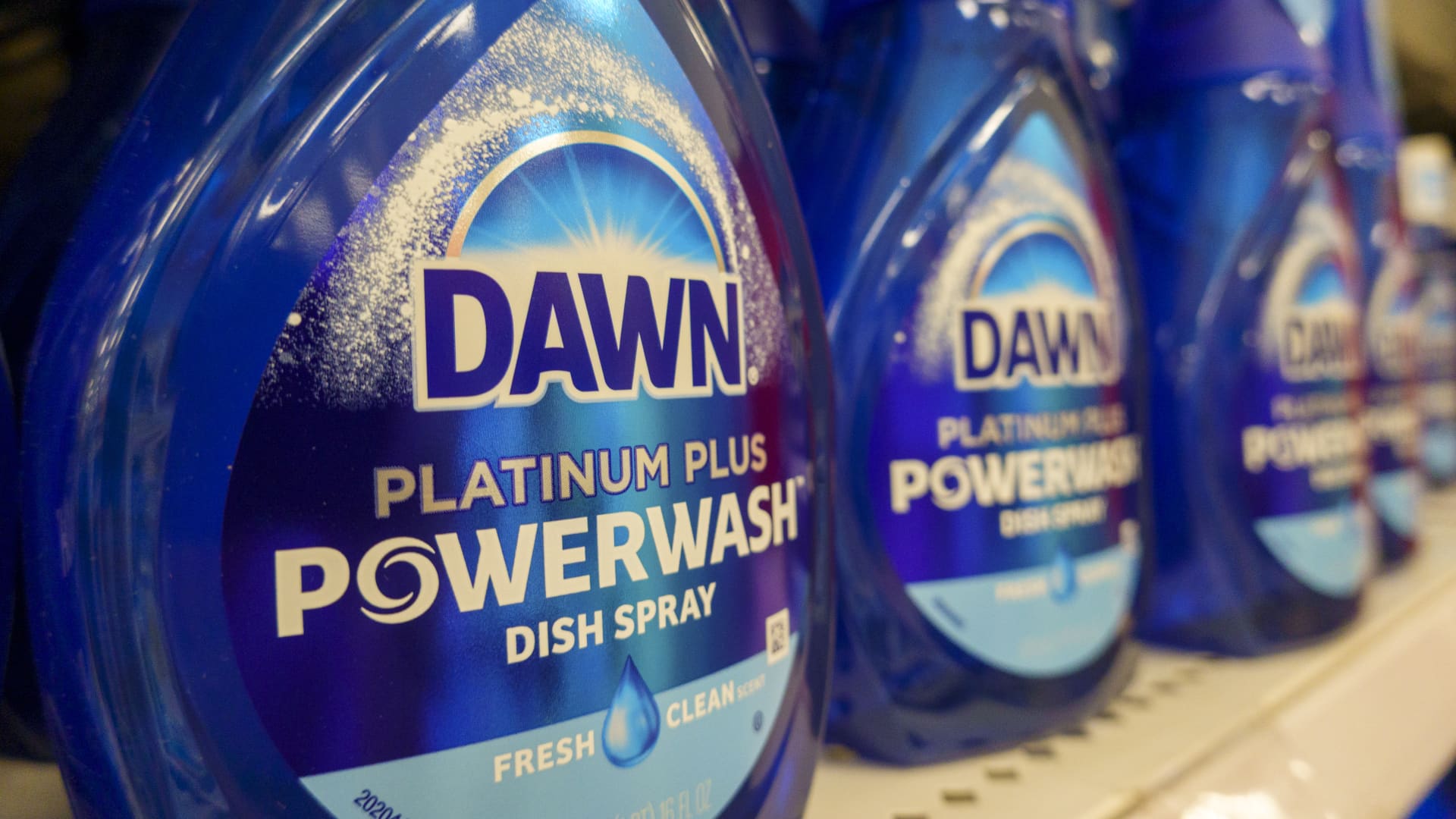
Procter & Gamble (PG) delivered robust fiscal first-quarter results, exceeding analyst expectations for both earnings and revenue. The consumer staples giant demonstrated resilient demand for its core household products, reinforcing its position as a defensive holding in volatile markets.
This strong performance, particularly in key categories like laundry and home care, underscores the company’s ability to navigate persistent economic challenges and generate consistent returns for shareholders, making Procter & Gamble earnings a crucial data point for portfolio strategists.
💎 Strategic Investment & Portfolio Insights
- Core Strength Confirmed. Strong volume growth in fabric & home care and baby & feminine products highlights P&G’s pricing power and essential brand resilience, crucial for long-term capital preservation.
- Guidance Revision Signals Confidence. An upward adjustment in the fiscal 2027 all-in sales growth forecast reflects management’s conviction in future performance, partially driven by strategic acquisitions like Thorne.
- Defensive Positioning. In an environment marked by “geopolitical and economic challenges,” P&G’s consistent earnings beat reinforces its role as a stable anchor within a diversified portfolio, offering predictable cash flows and dividend income.
Procter & Gamble reported adjusted earnings per share of $2.00 against LSEG analyst expectations of $1.88, while revenue reached $23.3 billion, surpassing the $22.8 billion forecast. Net sales climbed 4% year-over-year, showcasing sustained consumer demand for its extensive brand portfolio. This beat was largely propelled by a significant rebound in volume growth, which stood at 2.4% for the quarter after a year where only one quarter saw volume expansion, according to a recent market analysis from Reuters.
The company’s largest division, fabric and home care, which encompasses iconic brands like Tide and Febreze, spearheaded the growth with a 4.3% increase in volume. Similarly, the baby, feminine, and family care segment, along with the beauty business, each recorded volume growth exceeding 2%. These segments collectively underscore P&G’s dominance in essential household and personal care categories.
- Fabric and Home Care: 4.3% volume growth, driven by laundry detergents and cleaning products.
- Baby, Feminine, and Family Care: Over 2% volume growth, highlighting steady demand for essentials.
- Beauty: Over 2% volume growth, indicating resilience in personal grooming and cosmetic sales.
However, not all segments contributed equally to the robust quarter. The grooming division, home to Gillette and Venus razors, experienced a slight volume contraction of 0.4%. More notably, the health care business saw its volume decline by 2.9%, impacted by reduced demand for oral health care items such as Crest toothpaste and personal health care products like Pepto-Bismol. CEO Shailesh Jejurikar acknowledged ongoing “geopolitical and economic challenges” but affirmed the company is on track to meet its fiscal 2027 guidance, which includes a core earnings per share forecast between $6.89 and $7.11. The outlook for all-in sales growth was even raised from 1-3% to 2-4%, incorporating the recent acquisition of vitamin company Thorne, which closed in October.
Portfolio Positioning Effect: The Defensive Play in Volatile Markets
The stronger-than-expected Procter & Gamble earnings reinforce the company’s critical role within a diversified investment portfolio, especially during periods of economic uncertainty. Policy shifts towards tighter monetary conditions or geopolitical instability often trigger a flight to quality, causing a revaluation of growth assets and a reallocation towards resilient sectors. This scenario drives asset revaluation, making consumer staples like P&G attractive. Investors seeking stable cash flows and consistent dividends frequently rebalance their portfolios to increase exposure to such defensive names. P&G’s latest performance suggests a continued ability to pass on costs and maintain brand loyalty, providing a reliable hedge against broader market volatility and contributing to long-term portfolio growth strategies.
As a Senior CIO, I view P&G’s consistent performance as a cornerstone of stability. Its intrinsic value lies in its global brand equity and pricing power, which are vital for generating alpha and preserving capital when economic headwinds intensify. This quarter’s results solidify its defensive appeal.
Key Fiscal 2027 Guidance Metrics
These updated projections offer critical insights into P&G’s anticipated financial trajectory, reflecting both organic growth and strategic acquisitions.
| Metric | Value (Fiscal 2027 Guidance) | Significance for Investors |
|---|---|---|
| Core EPS Range | $6.89 to $7.11 | Indicates expected profitability and forms the basis for valuation models and dividend sustainability. |
| All-in Sales Growth | 2% to 4% (Up from 1-3%) | Revised upwards, reflecting stronger top-line growth expectations and the positive impact of the Thorne acquisition. |
| Volume Growth | 2.4% (Q1 FY27) | Reversal of previous trend, demonstrating renewed consumer demand and market share gains for key products. |
Procter & Gamble Risk-Reward Matrix
Investing in a company like Procter & Gamble presents a unique risk-reward profile rooted in its consumer staples classification. The primary reward stems from its defensive characteristics: a stable business model, consistent revenue streams, and a strong history of dividend payments, making it a reliable choice for long-term capital preservation. The company’s vast portfolio of essential products provides a hedge against economic downturns, as demand for these items remains relatively inelastic. However, the risks include slower growth potential compared to high-growth tech or emerging market equities, intense competition from private labels and niche brands, and exposure to currency fluctuations due to its global operations. Supply chain disruptions and commodity price volatility also pose ongoing challenges, though P&G’s scale often allows it to absorb these more effectively than smaller rivals. Investors must weigh the security and income generation against the potential for modest capital appreciation.
Procter & Gamble Competitive Benchmarking
In the fiercely competitive consumer goods landscape, Procter & Gamble consistently benchmarks favorably against peers like Unilever, Kimberly-Clark, and Colgate-Palmolive. P&G’s strength lies in its relentless focus on innovation, particularly in premium segments, and its superior brand equity across diverse categories. While Unilever boasts a broader exposure to emerging markets, P&G often commands higher margins due to its dominant positions in developed markets and a more concentrated, higher-value product mix. Its ability to achieve volume growth despite a value-conscious consumer base, as highlighted this quarter, contrasts with some competitors who have struggled to maintain market share without aggressive promotions. This resilience in pricing power and innovation sets a high bar for the industry, reflecting strong operational execution and a robust competitive moat, a topic often explored in educational market insights on consumer behavior.Bloomberg Markets frequently details the ongoing battle for consumer wallet share among these giants.
Procter & Gamble’s Resilient Performance: Navigating Future Consumer Trends
Procter & Gamble’s latest earnings report underscores the enduring strength of its brand portfolio and its operational dexterity in a challenging global economic climate. The return to volume growth in critical segments, coupled with an upward revision in sales guidance, signals robust underlying demand and effective strategic execution. This performance solidifies P&G’s position as a reliable component for investors prioritizing both stability and steady returns.
- P&G’s ability to drive volume growth in essential categories reinforces its resilience against economic pressures.
- The Thorne acquisition highlights a strategic pivot towards health and wellness, diversifying its growth drivers.
- Consistent financial outperformance in core consumer staples supports its role as a key alpha generator and capital preserver.
How will P&G’s renewed volume momentum and strategic acquisitions shape its market leadership in an evolving consumer landscape?
📊 StockXpo Analyst’s View
Market Impact: Procter & Gamble earnings, with their positive surprise, are likely to bolster investor confidence in the broader consumer staples sector, suggesting that even amidst inflationary pressures and economic concerns, demand for essential household products remains robust. This could lead to increased defensive positioning, with capital flowing into companies demonstrating stable earnings and reliable dividends, enhancing market liquidity for established blue-chip entities.
Sector To Watch: The strong showing in fabric and home care, alongside renewed growth in baby and beauty segments, highlights these areas as particularly resilient. Investors should closely watch these sub-sectors within consumer goods for sustained performance, while also monitoring the strategic expansion into health and wellness via acquisitions, as this could redefine future growth vectors.
Financial Disclaimer:
StockXpo.com is a financial news aggregator and educational portal, not a registered investment advisor or broker-dealer. All information, news, and analysis provided herein are strictly for educational purposes and do not constitute investment, financial, legal, or tax advice. Investing in the stock market involves high risks, and past performance is not indicative of future results. StockXpo will not be liable for any financial losses or investment damages. Always consult a certified financial advisor before making market decisions.
MORE IN INSIDE INVESTMENT NEWS
Carrefour Shares Plunge 14%: Navigating European Retail Volatility
Published: Wednesday, October 21, 2026 · 6:29 AM

Netflix Earnings: Alpha Bet on Streaming’s Rebound?
Published: Tuesday, October 20, 2026 · 12:45 PM


