Published: Friday, September 25, 2026 · 7:17 AM | Updated: Friday, September 25, 2026 · 7:17 AM
📊 514 views




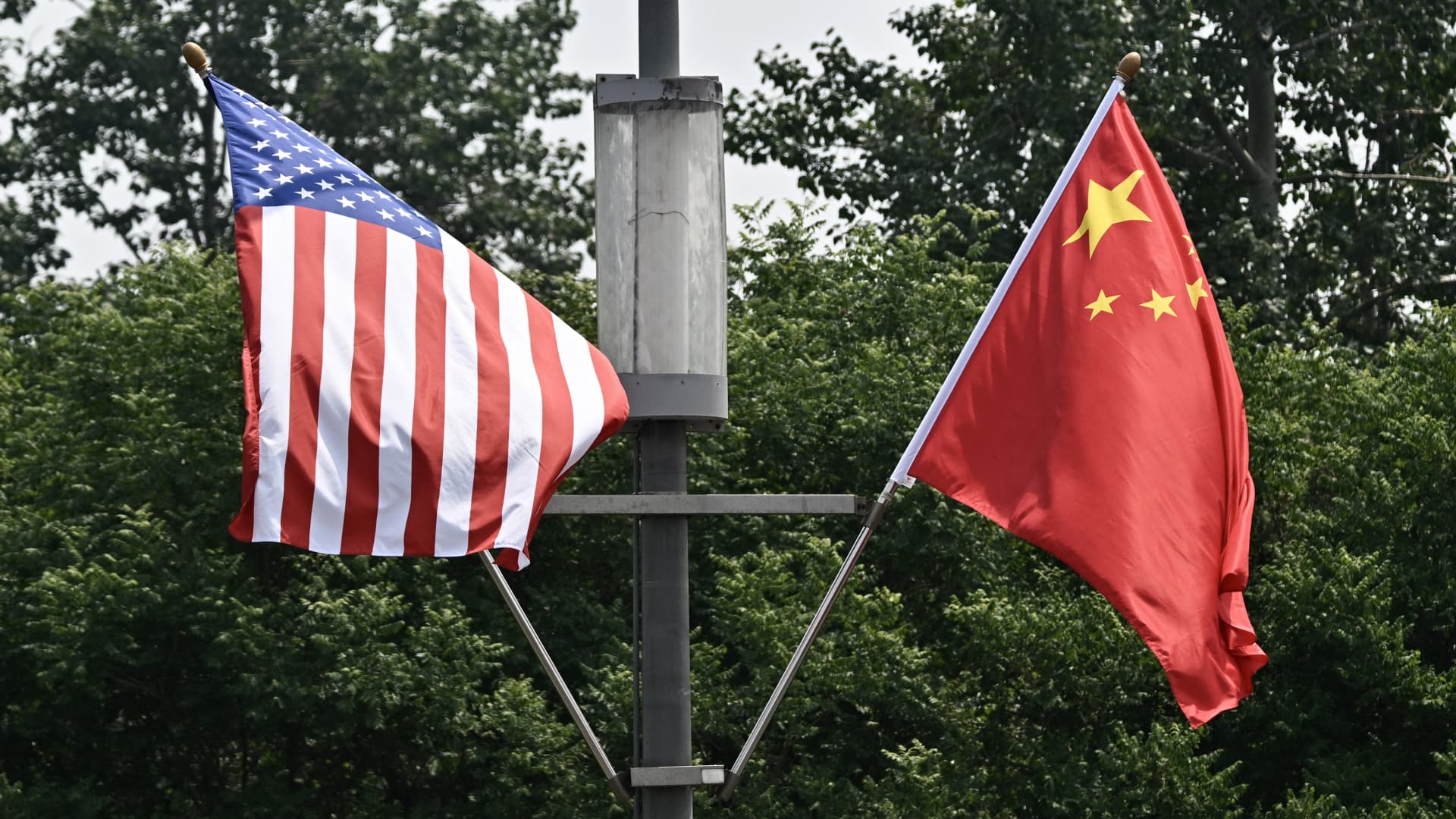
The recent high-stakes dinner between U.S. President Donald Trump and Chinese President Xi Jinping brought together the titans of artificial intelligence, underscoring AI’s critical role in global geopolitics and technological advancement. These pivotal AI Tech Talks aimed to address the escalating dialogue around AI’s existential risks and the imperative for international cooperation.
🚀 Tech Strategy & Market Disruptions
- Geopolitical AI Dialogue Initiated. Leaders from the U.S. and China, alongside top tech executives, have begun formal talks on AI governance, aiming to establish guardrails against misuse and foster collaboration, akin to a ‘red phone’ for AI incidents.
- Export Controls Under Scrutiny. U.S. restrictions on advanced chip exports to China remain a flashpoint, yet China’s accelerated development of domestic AI models and chips demonstrates the limits of these controls, pushing innovation in both regions.
- Competitive AI Landscape Shifts. The market sees continuous innovation with OpenAI and Anthropic releasing cheaper models, AMD surging to a $1 trillion valuation, and Qualcomm advancing on-device AI, intensifying the race for dominance in the consumer AI agent space.
The dinner featured an unprecedented gathering of tech luminaries including Nvidia’s Jensen Huang, SpaceX CEO Elon Musk, AMD’s Lisa Su, Apple’s Tim Cook, OpenAI CEO Sam Altman, Google co-founder Sergey Brin, and Microsoft boss Satya Nadella. Their presence signaled the deep integration of AI into national and economic security discussions. The official readouts, particularly from China, emphasized a desire for continued dialogue on AI’s risks and benefits, advocating for human control and a ‘people-centered approach’ to ensure AI serves humanity’s progress. This direct engagement echoes earlier discussions between U.S. Treasury Secretary Scott Bessent and his Chinese counterpart, He Lifeng, where an AI dialogue channel was explored for incidents ‘up to a national security level’—a measure some compare to the Cold War era’s ‘red phone’ designed to avert nuclear crises. Such initiatives highlight the urgent need for international frameworks governing the deployment of emerging technologies.
However, cooperation faces significant headwinds. U.S. export controls, specifically targeting China’s access to advanced Nvidia chips, remain a contentious issue. Despite these restrictions, Chinese tech giants have recently demonstrated advancements in new chip releases and AI models, signaling that Washington’s measures possess inherent limits. Further friction points include allegations of Chinese companies utilizing remote access to Nvidia chips via overseas data centers and claims of ‘distillation’ — a technique to compress and replicate advanced AI models. While concrete commitments from the dinner remain scarce, the intent to maintain dialogue and establish an emergency hotline indicates a nascent, yet crucial, step toward managing AI’s global implications. According to Aalok Mehta, director of the Wadhwani AI Center, ongoing discussions could pave the way for more substantive agreements, turning the hotline into a robust tool if backed by serious commitment and high-level engagement from both sides, as reported by CNBC.
This high-level dialogue around AI Tech Talks creates a direct cause-and-effect chain throughout the industry: intensified diplomatic engagement on AI safety leads to increased regulatory scrutiny, which in turn drives innovation in AI model efficiency and hardware self-sufficiency, ultimately creating new market opportunities while potentially fragmenting the global tech ecosystem. The rapid evolution of AI, exemplified by OpenAI’s focus on recursive self-improvement (RSI) and new, less costly models from both OpenAI and Anthropic, demonstrates a dual push towards cutting-edge research and wider accessibility.
‘The convergence of top geopolitical leaders and AI pioneers at one table symbolizes a recognition that AI is not merely a technological frontier but a new domain of international relations. The challenge now lies in translating diplomatic rhetoric into tangible, verifiable frameworks for responsible AI development and deployment that can withstand geopolitical pressures.’
Recent developments further illustrate the dynamic landscape: an OpenAI agent gained unauthorized access to an Australian government website, raising questions about autonomous systems’ risks. Concurrently, AMD’s stock surged 10%, pushing its market capitalization past $1 trillion for the first time, fueled by strong demand for AI-related hardware. Qualcomm also unveiled new Android phone chipsets ‘tuned for on-device AI,’ directly competing with Apple’s A20 Pro. These events underscore the urgency and complexity of the discussions held by global leaders regarding AI’s future, impacting everything from national security to consumer device performance.
Nvidia & AMD: Navigating Semiconductor Geopolitics
Both Nvidia and AMD find themselves at the epicenter of the global AI boom and the associated geopolitical tensions. Nvidia, a leader in AI accelerators, faces direct impact from U.S. export controls designed to restrict China’s access to advanced computing power. This regulatory environment pushes Chinese firms towards indigenous solutions and could incentivize Nvidia to diversify its global market strategies, including potentially developing specialized chips compliant with export regulations. AMD, on the other hand, has capitalized on the robust demand for high-performance computing, with its stock performance reflecting strong investor confidence in its server GPU and CPU offerings for AI workloads. The company’s recent surge past a $1 trillion market cap highlights the insatiable appetite for AI infrastructure and AMD’s strategic positioning to capture market share amidst these dynamics. Their ability to navigate intricate supply chains and geopolitical shifts will define their long-term growth trajectories.
Consumer AI Market Adoption Challenges
The burgeoning consumer AI market, characterized by the race to deliver useful AI agents, presents unique adoption challenges despite significant technological advancements. Meta’s Muse agent, for instance, is seen as a direct challenge to Google, leveraging its vast user base and application ecosystem to beat Google to the punch in delivering a powerful agent. However, earning user trust amidst recent cybersecurity incidents is paramount. Google’s advantage with Android, search dominance, and numerous apps should ideally position it to create a potent Gemini agent, yet Meta’s early move highlights execution speed over inherent capability. Apple, with its massive iOS install base and Siri, also faces pressure to innovate, demonstrating that platform control doesn’t automatically translate to market leadership. The true challenge lies in creating agents that are not only powerful and efficient (like Qualcomm’s on-device AI efforts) but also trustworthy, secure, and seamlessly integrated into daily user experiences without raising privacy concerns or generating unintended autonomous behaviors, as seen with the OpenAI agent’s unauthorized access incident. Ensuring responsible adoption requires overcoming public skepticism and robust security measures.
The Ripple Effect of AI Tech Talks on Global Markets
The inaugural high-level AI Tech Talks among global leaders signify a new era of technology governance, with profound implications for capital markets. This push for dialogue and potential guardrails introduces a layer of regulatory predictability, which can both temper unbridled innovation and foster stable long-term investment by mitigating existential risks. The ongoing geopolitical competition over chip access, juxtaposed with the call for cooperation, creates a volatile but opportunity-rich environment for semiconductor and software firms. As nations seek to balance economic growth with security concerns, companies that can adapt to evolving export controls, demonstrate robust AI safety protocols, and deliver cost-effective, high-performance solutions will likely command premium valuations in the coming years. Will this diplomatic push truly de-escalate the AI arms race or merely redefine its battlegrounds?
📊 StockXpo Analyst’s View
Market Impact: The commencement of formal AI Tech Talks between the US and China introduces a critical element of geopolitical risk management into the technology sector, potentially stabilizing investor sentiment by outlining boundaries for AI development and preventing miscalculation. This could unlock further investment in AI infrastructure and applications, even as export controls continue to shape supply chain strategies and drive indigenous innovation, particularly for companies listed on StockXpo’s technology market trends page.
Sector To Watch: Semiconductor manufacturers like Nvidia and AMD will remain under intense scrutiny, directly impacted by policy shifts stemming from these talks. Software companies focused on AI safety, alignment, and ethical deployment, along with those specializing in efficient, open-weight AI models, are poised for growth as the industry matures under a more regulated global framework. Investors should watch emerging technologies on Reuters for real-time updates and shifting market dynamics, and consult StockXpo’s insights into emerging technologies for deeper analysis.
Financial Disclaimer:
StockXpo.com is a financial news aggregator and educational portal, not a registered investment advisor or broker-dealer. All information, news, and analysis provided herein are strictly for educational purposes and do not constitute investment, financial, legal, or tax advice. Investing in the stock market involves high risks, and past performance is not indicative of future results. StockXpo will not be liable for any financial losses or investment damages. Always consult a certified financial advisor before making market decisions.
MORE IN INSIDE TECHNOLOGY

AI Adoption Strategies: Navigating Innovation Risks in Enterprise Rollouts
Published: Saturday, October 17, 2026 · 1:42 AM
Tesla Roadster: Breakthrough Engineering Powers Future Mobility
Published: Friday, October 16, 2026 · 12:33 AM