
Published: Thursday, November 5, 2026 · 2:45 AM | Updated: Thursday, November 5, 2026 · 2:45 AM
📊 3 views




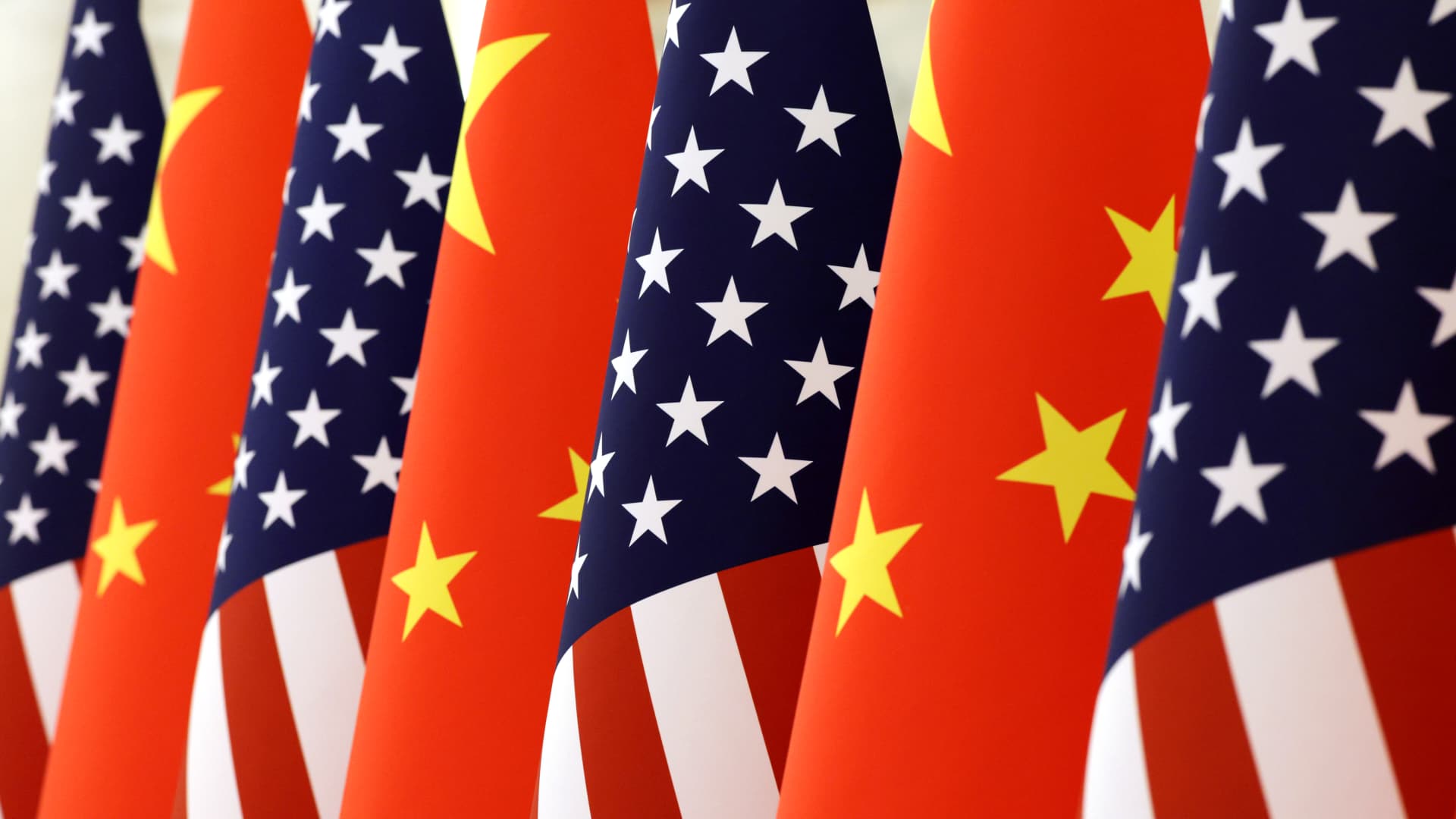
The recent Democratic midterm sweep in Congress is poised to recalibrate U.S.-China relations, ushering in a period of heightened geopolitical risk, particularly concerning Taiwan and advanced technology. Financial strategists are now assessing the implications of a potentially more hawkish legislative agenda on asset valuation and global market stability.
💰 Financial Strategy & Market Insights
- Congressional Hawkishness. A Democratic-controlled Congress is expected to push for more assertive policies on economic security and Taiwan, potentially escalating U.S.-China relations.
- Taiwan’s Geopolitical Risk. The island remains the most volatile flashpoint, with a Democratic Congress historically willing to challenge Beijing, impacting critical semiconductor supply chains.
- Accelerated Tech Competition. Washington’s bipartisan consensus against China leveraging U.S. technology for military gains is set to intensify, driving further friction despite any executive-level ‘strategic stability’ efforts.
The Democratic party’s substantial gains in the recent midterm elections, securing majorities in both the House and Senate, are signaling a significant shift in the landscape of U.S.-China relations. While President Donald Trump is expected to pursue ‘strategic stability’ during his lame-duck period, potentially maintaining a fragile truce with Chinese President Xi Jinping ahead of upcoming meetings, analysts like Teneo’s Gabriel Wildau note that Trump’s focus on personal legacy may temper immediate confrontation. However, the incoming Democratic Congress is widely anticipated to steer U.S. policy towards a more hawkish stance, particularly on critical economic security issues and the contentious topic of Taiwan.
Scott Kennedy, a senior advisor at the Center for Strategic and International Studies, highlighted that the new Congress could leverage hearings and legislation to challenge Beijing more aggressively. This congressional push will, however, be constrained by the executive branch’s broad latitude and China’s increasing global leverage, which has been evident in its ability to host global leaders and manage a surge of imports this year. China’s dominance in rare earths further amplifies its negotiating power in trade discussions with both the U.S. and the European Union.
- The legislative shift is expected to introduce new dimensions to trade and technology, with Democrats prioritizing the removal of Trump-era tariffs as part of their broader agenda to tackle domestic inflation. This could lead to complex market dynamics, as investors weigh potential trade relief against the backdrop of an intensified geopolitical rivalry.
The issue of Taiwan remains the most precarious aspect of U.S.-China relations. George Chen, partner at The Asia Group, emphasized that a Democratic Congress is historically more inclined to pursue initiatives supporting Taiwan, even when administrations adopt a cautious approach. This was notably demonstrated by then-House Speaker Nancy Pelosi’s visit to Taiwan in 2022, which drew strong condemnation from Beijing. Furthermore, House Minority Leader Hakeem Jeffries, poised to become the first Black Speaker, met with then-Taiwan President Tsai Ing-wen in 2023, underscoring ongoing congressional engagement. President Xi Jinping has previously warned that mishandling Taiwan could put U.S.-China relations in ‘great jeopardy,’ particularly as the island, home to semiconductor giant TSMC, is central to the global AI race and critical supply chains.
The broader tech competition is also set for escalation. A growing consensus in Washington dictates that America’s technological lead should not bolster China’s military capabilities. This bipartisan view suggests that despite any diplomatic overtures between the executive branches, technology will remain a significant source of friction. U.S. restrictions on advanced chip sales to China, exemplified by controls on Nvidia’s offerings, have already spurred Beijing to accelerate its domestic chip development. While Chinese tech stocks recently saw a rebound, their performance remains closely tied to global investor sentiment concerning the potential of AI, indicating lingering uncertainty within the market. This dynamic will heavily influence market liquidity and asset valuation in the tech sector. Learn more about broad market analysis impacting these trends.
RISK vs REWARD: Navigating Geopolitical Headwinds
- Upside:
- Tariff Rollbacks: Potential removal of Trump-era tariffs by Democrats could ease trade tensions and reduce input costs for U.S. businesses, stimulating consumer spending and improving corporate margins.
- Strategic Stability under Trump: A lame-duck President Trump might prioritize legacy building through ‘strategic stability’ with Xi, potentially providing a short-term window of reduced geopolitical uncertainty.
- Chinese Tech Rebound: Beijing’s regulatory interventions and global AI sentiment could continue to support a rebound in Chinese tech stocks, offering growth opportunities for investors with higher risk tolerance.
- Downside Risks:
- Heightened Taiwan Tensions: A more assertive Democratic Congress on Taiwan could escalate military and economic confrontations, severely disrupting global supply chains, especially semiconductors.
- Intensified Tech War: Further tightening of U.S. tech export controls could stifle innovation for Chinese firms and create significant headwinds for U.S. chipmakers dependent on the Chinese market.
- Geopolitical Instability: A fragmented U.S. policy approach, with Congress pushing hawkish legislation while the executive branch seeks stability, could lead to unpredictable and volatile market conditions.
“The concept of ‘strategic stability’ in U.S.-China relations refers to a fragile equilibrium where neither nation seeks to fundamentally overturn the existing power balance, often involving managed competition and communication channels to prevent miscalculation, particularly in sensitive areas like military deployments or economic leverage. This approach aims to reduce the risk of accidental escalation, a critical consideration for global financial markets.”
TSMC Liquidity Analysis: Taiwan’s Geopolitical Premium
Taiwan Semiconductor Manufacturing Company (TSMC), a cornerstone of the global technology supply chain, operates under an increasingly complex geopolitical premium driven by the heightened U.S.-China tensions over Taiwan. The liquidity of TSMC’s stock (TSM) and its derivatives is inherently tied to perceptions of regional stability. Any perceived escalation, such as congressional actions or military posturing, can trigger significant capital shifts, leading to increased volatility and a demand for safe-haven assets. Institutional investors are actively pricing in this geopolitical risk, often demanding higher risk premiums for holding positions in companies central to the Taiwan issue. This impacts not only TSMC’s valuation but also the broader financial sector, influencing hedging strategies and capital allocation decisions as detailed in various financial sector reports.
Nvidia Market Sentiment Tracker: AI’s Geopolitical Headwinds
Nvidia (NVDA), a leading designer of graphics processing units essential for artificial intelligence, finds its market sentiment increasingly influenced by the U.S.-China tech rivalry. The U.S. government’s restrictions on advanced chip exports to China directly impact Nvidia’s potential market access and revenue streams, creating significant headwinds. While the global demand for AI technologies remains robust, the political division of the AI market into distinct U.S.-aligned and China-aligned ecosystems forces investors to reassess growth trajectories and market share potentials. The stock’s performance becomes a barometer for geopolitical tensions in the tech sphere, with shifts in policy or diplomatic rhetoric quickly reflected in its valuation and trading volume. For more insightful analyses, consider exploring our educational financial insights.
U.S.-China Relations: Navigating the New Geopolitical Playbook
The Democratic midterm sweep unequivocally alters the strategic calculus for U.S.-China relations, pointing towards a future defined by intensified scrutiny and potential confrontation, particularly on technology and Taiwan. While the immediate executive branch may seek ‘strategic stability,’ the legislative branch appears poised to exert pressure, creating a complex and potentially volatile environment for global markets.
- Investors should prepare for increased volatility in sectors with significant exposure to U.S.-China trade or technology supply chains.
- Asset managers will need to recalibrate risk models, factoring in elevated geopolitical risk premium for companies like TSMC and Nvidia.
- Diversification strategies and hedging against potential supply chain disruptions will become paramount for maintaining portfolio resilience.
How will global capital flows react to this evolving geopolitical landscape, and what are the long-term implications for asset valuation?
### 📊 StockXpo Analyst’s View
Market Impact: The shift in U.S.-China relations post-midterms is likely to introduce a new layer of uncertainty, impacting investor sentiment. We anticipate increased market volatility, particularly in technology and manufacturing sectors tied to cross-border supply chains. Liquidity might tighten in risk-sensitive assets as investors reallocate towards perceived safe havens.
Sector To Watch: The semiconductor industry (e.g., TSMC, Nvidia) will remain a focal point due to its direct exposure to Taiwan tensions and tech export controls. Renewable energy and rare earth minerals could also see increased strategic importance and potential government intervention, influencing their market performance.
Financial Disclaimer:
StockXpo.com is a financial news aggregator and educational portal, not a registered investment advisor or broker-dealer. All information, news, and analysis provided herein are strictly for educational purposes and do not constitute investment, financial, legal, or tax advice. Investing in the stock market involves high risks, and past performance is not indicative of future results. StockXpo will not be liable for any financial losses or investment damages. Always consult a certified financial advisor before making market decisions.
MORE IN INSIDE FINANCE
Treasury Yields Plunge: Election Uncertainty Drives Safety Bid
Published: Wednesday, November 4, 2026 · 4:06 AM
AI Buildout: Trillions in Equity Needed as Debt Risks Mount
Published: Tuesday, November 3, 2026 · 2:56 AM


