Published: Tuesday, November 24, 2026 · 7:22 AM | Updated: Tuesday, November 24, 2026 · 7:22 AM
📊 9 views




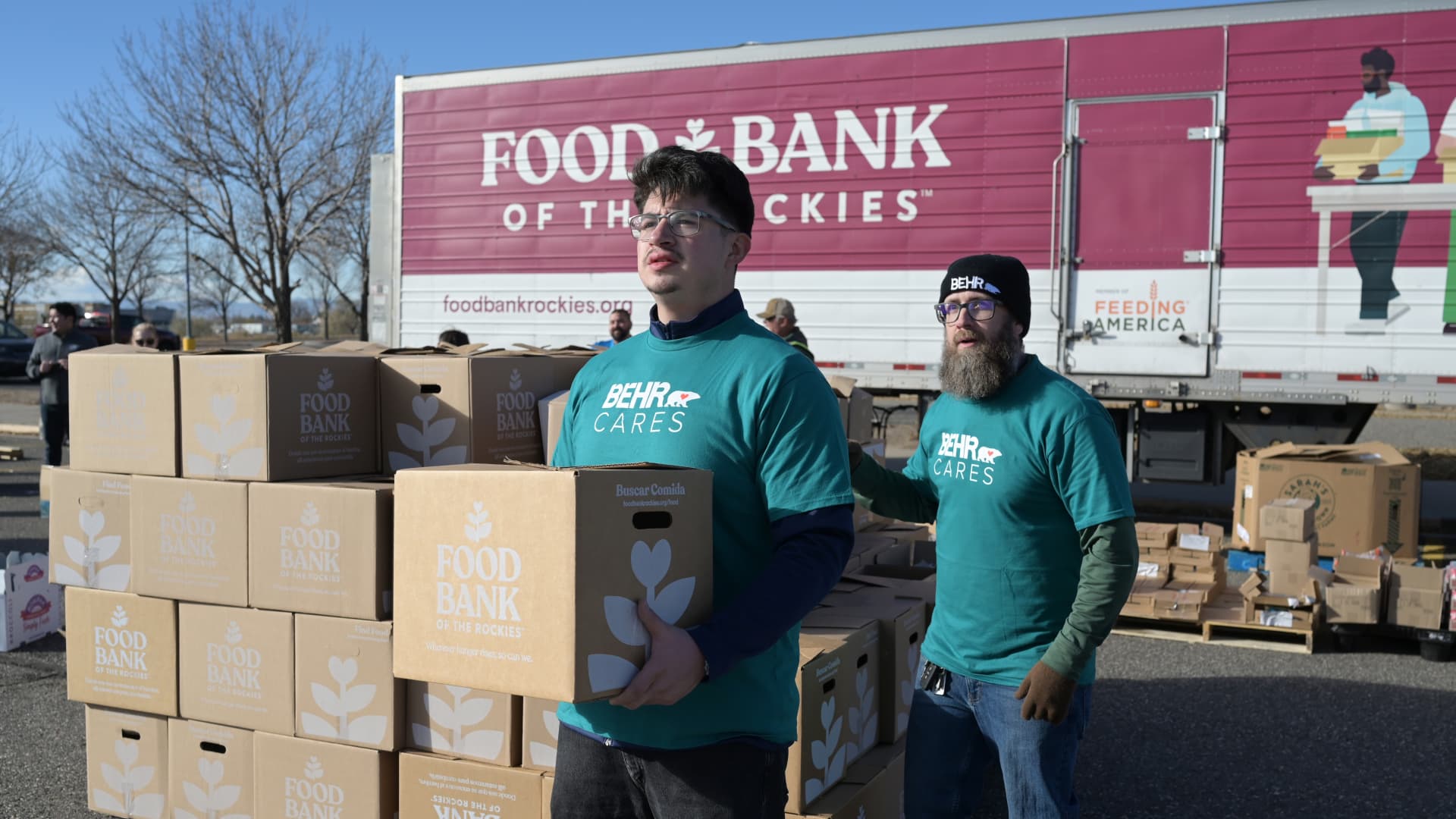
The United States is witnessing an unprecedented surge in Food Banks Demand, with many organizations reporting levels now exceeding those observed at the height of the Covid-19 pandemic. This alarming trend underscores a deepening economic vulnerability for millions of American households, driven by persistent inflation and a significant rollback of critical government support programs.
🗝️ Corporate Strategy Insights
- Escalating Insecurity. Food insecurity rates have surpassed both pre-pandemic and peak-pandemic levels, indicating a structural rather than transient challenge.
- Wage-Cost Disparity. Despite full-time employment, many workers’ wages are failing to keep pace with the rising costs of essential goods and services, forcing them to seek charitable assistance.
- Diminished Support. The phasing out of pandemic-era federal aid exacerbates the problem, leaving a critical gap in social safety nets amidst sustained economic pressure.
Recent data from the Department of Agriculture’s latest annual report found that 13.7% of U.S. households, approximately 18.3 million, experienced food insecurity in 2024. This rate is notably higher than any year from 2016 through 2021, signaling a significant deterioration in household financial stability. What’s particularly striking is that a growing number of individuals relying on food banks are gainfully employed, highlighting a fundamental misalignment between wages and the cost of living.
Organizations like New York’s West Side Campaign Against Hunger, led by Greg Silverman, are observing demand surpass even their crisis-level distributions from the pandemic. Silverman notes that even essential personnel, like MTA bus drivers, are seeking food aid, underscoring the severity of the economic squeeze. This trend is not isolated to New York; a spokesperson for the Los Angeles Regional Food Bank reported their diesel bill more than doubled in September to approximately $75,000, illustrating the soaring operational costs faced by these critical nonprofits.
Nationally, charitable food programs are struggling to meet this elevated demand. Sustained inflation across food, housing, and healthcare sectors makes it increasingly difficult for Americans to afford basic necessities. This pressure is compounded by the federal government’s restriction of food aid, including the phasing out of expanded Supplemental Nutrition Assistance Program (SNAP) benefits and the enhanced child tax credit. Carlos Rodriguez, President of City Harvest, articulates the core issue: “Primarily, your work and your wages are just not keeping up with the way costs have gone up in the last five years alone.”
- The strain on local pantries is immense, with many operating at or over capacity. Plentiful, a technology platform tracking food pantry usage, reported a roughly 56% increase in first-time users in New York City from August to October, indicating a rapidly expanding population in need.
This dire situation creates a profound strategic ripple effect across the economy and society. The immediate cause is the combination of persistent inflation eroding purchasing power and the reduction of federal support programs designed to buffer economic shocks. This leads directly to escalating Food Banks Demand, not just from the unemployed but increasingly from the working poor.
The broader impact includes increased operational strain on non-profit organizations, which face higher costs for logistics and procurement while trying to manage surging caseloads. For example, Los Angeles County’s 260,000 CalFresh recipients are now subject to expanded federal work requirements, adding another layer of uncertainty for vulnerable households. This dynamic also signals potential long-term public health consequences from chronic food insecurity, affecting workforce productivity and placing additional burdens on healthcare systems. The situation also places implicit pressure on policy makers to reassess inflation control strategies and the adequacy of social safety nets, potentially influencing future legislative agendas related to economic assistance and wage policies.
The current surge in demand for food banks represents a profound shift from crisis-driven hunger to a structurally ingrained economic challenge, where even full-time employment no longer guarantees basic food security for millions of Americans.
**Key Indicators of Rising Food Insecurity**
- USDA Food Insecurity Rate: 13.7% of U.S. households experienced food insecurity in 2024, significantly higher than 2016-2021.
- New York City Food Insecurity: 1 in 5 New Yorkers currently experience food insecurity, up from 1 in 8 pre-pandemic (City Harvest).
- NYC Food Pantry Visits: Average monthly visits are 85% higher than before the pandemic (City Harvest).
- Plentiful First-Time Users (NYC): A 56% increase from August to October, highlighting rapidly growing need.
- Los Angeles Regional Food Bank Diesel Costs: More than doubled to $75,000 in September, reflecting rising operational burdens.
- Atlanta Community Food Bank Growth: Served 70% more people over five years, with over 60% of clients having incomes above SNAP eligibility cutoffs.
Navigating the New Landscape of US Food Security Challenges
The landscape of U.S. food security is undergoing a fundamental shift, moving beyond transient crises to entrenched structural issues. The fact that a significant portion of those relying on food banks are employed underscores a critical failure in the current economic model to provide livable wages against escalating costs. This creates a multi-faceted challenge, demanding innovative solutions from both government and the private sector. The philanthropic model, while crucial, cannot sustainably absorb the scale of this growing need, necessitating a deeper examination of systemic economic policies and social safety nets. Understanding these underlying dynamics is paramount for any effective long-term strategy.
Operational Efficiency: A Strategic Imperative for Food Aid Organizations
For food aid organizations, the current environment necessitates a strategic overhaul focused on operational efficiency and sustainable resourcing. With market conditions driving up costs for fuel and food procurement, maximizing every donated dollar and every logistical step becomes critical. This includes leveraging technology for better demand forecasting, optimizing distribution networks, and exploring partnerships that can provide economies of scale. Furthermore, advocating for consistent and predictable government support, rather than emergency aid, is vital for long-term planning and stability, ensuring these organizations can continue to serve communities effectively under immense pressure.
Food Banks Demand: The Looming Crisis for Household Budgets
The sustained escalation in Food Banks Demand signals a deepening, chronic crisis for American household budgets, far surpassing the temporary shocks of previous years. This is no longer merely a consequence of unemployment, but a stark symptom of economic policy and wage stagnation failing to keep pace with living expenses. The charitable food system, while heroic, is being stretched to its breaking point.
- Persistent inflation is outstripping wage growth, pushing working families into unprecedented financial precarity.
- The reduction of federal aid programs creates a critical support vacuum for millions at risk.
- Food banks face immense operational and financial pressures, highlighting the urgent need for systemic solutions.
How will policymakers and businesses adapt their strategies to address this fundamental shift in American economic reality?
📊 StockXpo Analyst’s View
Market Impact: The escalating reliance on food banks indicates significant consumer stress, particularly impacting discretionary spending and potentially leading to shifts in consumer staples towards discount retailers or private labels. This underlying economic fragility could temper overall market optimism and put pressure on sectors reliant on robust consumer spending.
Sector To Watch: Consumer staples, particularly budget-friendly options, may see continued demand, while logistics and transportation companies serving food distribution could face increased cost pressures. Furthermore, this trend could spur increased public sector investment or policy shifts in social welfare programs, affecting government spending and potentially leading to new business opportunities in food assistance technology or community support services.
Financial Disclaimer:
StockXpo.com is a financial news aggregator and educational portal, not a registered investment advisor or broker-dealer. All information, news, and analysis provided herein are strictly for educational purposes and do not constitute investment, financial, legal, or tax advice. Investing in the stock market involves high risks, and past performance is not indicative of future results. StockXpo will not be liable for any financial losses or investment damages. Always consult a certified financial advisor before making market decisions.
MORE IN INSIDE BUSINESS

Super Bowl Imax: A Strategic Play for Experiential Growth
Published: Monday, November 23, 2026 · 4:13 PM

Disney Earnings Report: A Strategic Outlook on D’Amaro’s Efficiency Drive
Published: Tuesday, November 17, 2026 · 12:13 AM