Published: Wednesday, November 25, 2026 · 1:33 AM | Updated: Wednesday, November 25, 2026 · 1:33 AM
📊 2 views




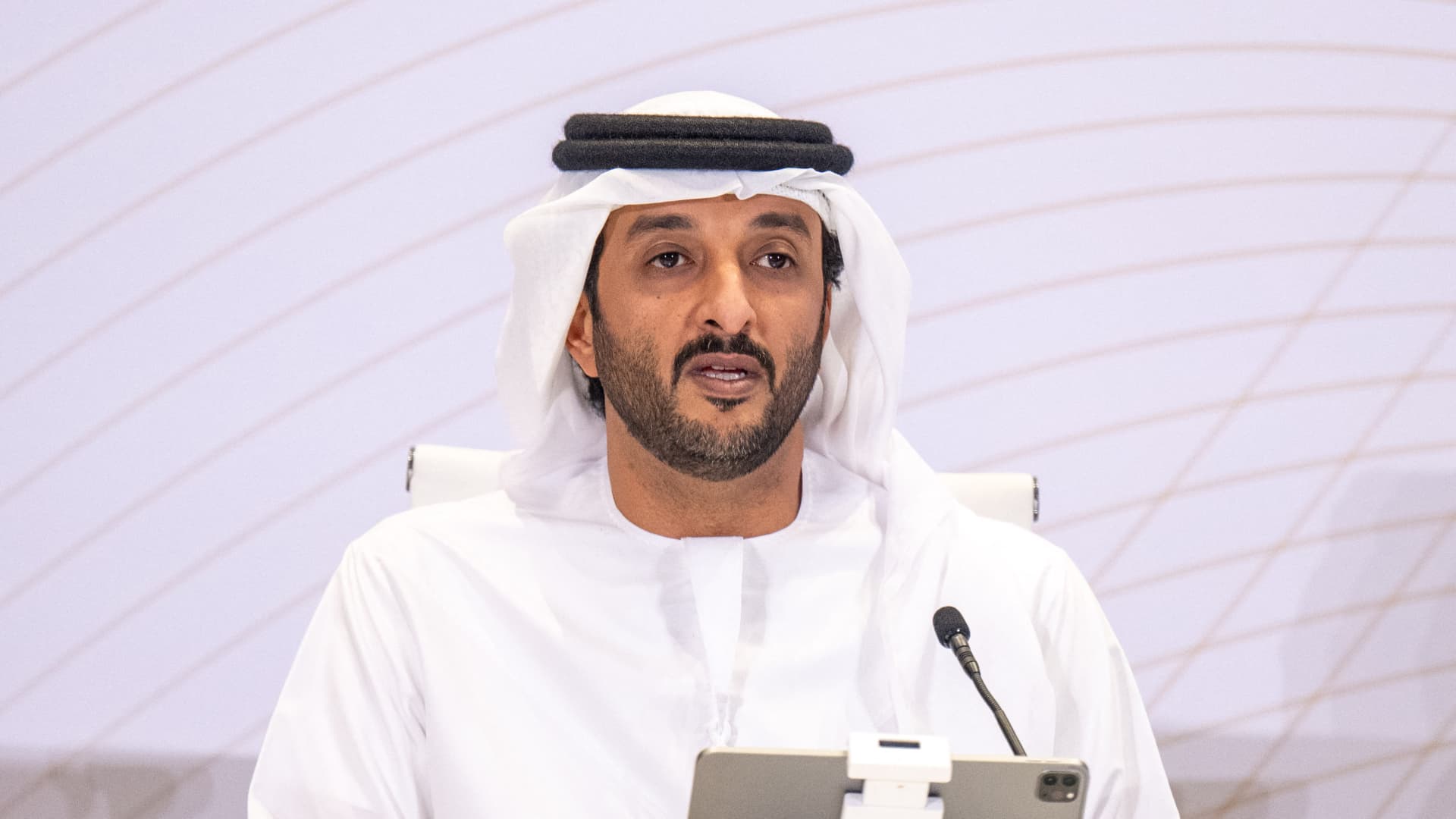
The United Arab Emirates is signaling a robust economic comeback, with its economy minister projecting an impressive 7-8% growth next year, defying earlier pessimistic forecasts. This optimistic outlook, solidified by a significant upward revision from the International Monetary Fund (IMF), suggests substantial resilience in the face of ongoing regional instability and global economic pressures.
📊 Macro-Economic Strategic Insights
- IMF Forecast Reversal. The IMF dramatically revised its 2026 UAE GDP forecast from a 3.9% contraction to a 0.2% growth, reflecting a rapid adjustment to improving economic conditions.
- Tourism Sector Revival. Occupancy rates are nearing pre-conflict levels, with major international airlines resuming routes, acting as a crucial driver for economic recovery.
- Strategic Economic Diversification. The UAE plans a ‘different’ economic model post-conflict, focusing on domestic industrial capacity and essential infrastructure to bolster resilience against future crises.
Despite regional geopolitical tensions, particularly the Iran conflict causing disruptions in maritime trade and private-sector confidence, the UAE economy is demonstrating remarkable agility. Abdulla bin Touq Al Marri, the UAE’s economy and tourism minister, expressed strong confidence in the nation’s capacity to navigate global and regional storms, emphasizing the swift re-calibration of economic projections. This optimism follows a notable adjustment by the IMF, which just last week altered its 2026 real GDP forecast for the UAE from a significant 3.9% contraction to a modest but positive 0.2% growth. This sharp reversal within a month highlights a rapid response to evolving market dynamics and underlying economic strengths.
The minister noted that the tourism sector is already showing robust signs of recovery. Hotel occupancy rates are returning to ‘almost near normal’ levels, and major international carriers like British Airways and Air France have begun rerouting flights to the UAE, significantly boosting travel and hospitality. This resurgence, alongside anticipated higher oil production and exports, positions the UAE for a stronger performance than initially expected for the current year, potentially exceeding the 0.2% mark. For a deeper dive into global economic trends and policy analysis, visit our economy section.
- The UAE’s proactive economic posture involves a shift towards a ‘different’ model post-conflict, prioritizing investments in localized manufacturing and essential industries. This strategic pivot aims to enhance self-sufficiency and resilience, ensuring the nation is ‘ready for any storm’ by building capabilities for times of crisis.
The World Bank also echoes this sentiment, anticipating a recovery next year, contingent on the de-escalation of regional conflicts, which would further accelerate services exports and private sector activity.
The ongoing geopolitical tensions in the Middle East present a complex chain of cause and effect for the UAE economy:
Regional Instability → Disrupted Maritime Trade → Higher Energy Costs & Supply Chain Uncertainty
Higher Energy Costs → Global Inflationary Pressures → Central Bank Tightening
Tourism Rebound → Increased Service Sector Activity → Job Growth & GDP Expansion
Economic Diversification → Reduced Reliance on Oil → Enhanced Macro-Stability
IMF Forecast Revision → Improved Investor Confidence → Inflow of Capital
Macro-stability, in an economic context, refers to the condition where an economy experiences low and stable inflation, sustainable government finances, and balanced external accounts. It forms the bedrock for long-term growth by reducing uncertainty for businesses and investors, allowing for predictable planning and efficient resource allocation.
Recent revisions in economic forecasts underscore a dynamic outlook for the UAE:
| Metric | Previous Forecast (2026) | Revised Forecast (2026) | Significance |
|---|---|---|---|
| Real GDP Growth | -3.9% (Contraction) | +0.2% (Growth) | Indicates a significant reversal from recession to positive growth, reflecting improved conditions. |
| Projected GDP Growth | Not specified | 7-8% (Next Year) | Minister’s highly optimistic target, suggesting strong post-conflict recovery and structural changes. |
These shifts are critical indicators of the UAE’s capacity to rebound and adapt amidst external pressures, providing a clearer picture for global investors tracking economic performance. Readers interested in educational content can find more resources on our blog insights.
UAE Economic Policy Commentary
Minister Al Marri’s remarks about a ‘different’ economic model post-conflict underscore a significant policy shift. This isn’t merely about short-term recovery but a long-term strategic re-evaluation focused on enhancing domestic productive capacity. Investments in local manufacturing and essential goods aim to mitigate supply chain vulnerabilities exposed during crises, fostering greater self-reliance. Such policies could insulate the UAE from global shocks, bolster local industries, and create new job opportunities within diversified sectors, driving sustained economic growth beyond traditional oil revenues. This approach aligns with broader global trends of reshoring and localized production, as reported by outlets like international economic news.
Middle East Regional Trends
The broader Middle East remains a focal point of geopolitical and economic shifts, directly impacting the UAE’s stability and growth prospects. While the Iran war poses immediate challenges to trade routes and investor confidence, the UAE’s ability to attract rerouted flights and revive tourism highlights its status as a relatively safe haven and a crucial hub for international business. This regional resilience, however, is delicate. Continued de-escalation of conflicts, particularly with potential new US strikes against Iran, is paramount for sustained economic recovery across the Gulf. The interplay of political negotiations and military actions will heavily influence investment flows and trade dynamics throughout the region, as observed in recent economic developments.
Forecasting the UAE Economy’s Path to 2027
The UAE economy is demonstrating remarkable agility and strategic foresight in navigating a turbulent global landscape. The dramatic upward revision of its IMF growth forecast for 2026, coupled with the minister’s ambitious 7-8% growth target for the subsequent year, paints a picture of robust recovery and structural adaptation. The pivot towards enhancing domestic industrial capabilities will be critical in bolstering long-term stability.
- The swift turnaround in IMF’s outlook underscores the UAE’s strong underlying economic fundamentals and adaptive policy responses.
- Tourism’s rapid revival is proving to be a powerful engine for immediate economic momentum and job creation.
- Long-term investments in essential industries signal a strategic move towards a more resilient and diversified economic future.
How effectively will the UAE’s new economic model shield it from future geopolitical and global economic ‘storms’?
📊 StockXpo Analyst’s View
Market Impact: The strong recovery signals from the UAE are likely to bolster investor confidence in Gulf equities and regional bond markets. Renewed optimism, especially concerning tourism and diversified investments, could attract foreign direct investment, potentially strengthening the local currency and improving market liquidity. This resilience offers a counterbalance to broader global uncertainties. For broader investment insights and stock markets, our platform provides comprehensive analysis.
Sector To Watch: The Hospitality & Aviation sectors are clearly poised for significant gains, given the reported surge in occupancy rates and flight reroutes. Furthermore, the emphasis on building local factories and essential industries suggests strong tailwinds for Manufacturing, Logistics, and Construction. Investors should monitor companies involved in infrastructure development and industrial self-sufficiency within the UAE for potential growth.
Financial Disclaimer:
StockXpo.com is a financial news aggregator and educational portal, not a registered investment advisor or broker-dealer. All information, news, and analysis provided herein are strictly for educational purposes and do not constitute investment, financial, legal, or tax advice. Investing in the stock market involves high risks, and past performance is not indicative of future results. StockXpo will not be liable for any financial losses or investment damages. Always consult a certified financial advisor before making market decisions.
MORE IN INSIDE ECONOMY

France Recession Risk: Navigating Economic Headwinds Towards 2027 Stability
Published: Tuesday, November 24, 2026 · 2:50 AM

Trump’s China Policy: A Warning on AI Chip Export Stability
Published: Monday, November 23, 2026 · 4:44 PM