Published: Thursday, November 5, 2026 · 1:14 AM | Updated: Thursday, November 5, 2026 · 1:14 AM
📊 5 views




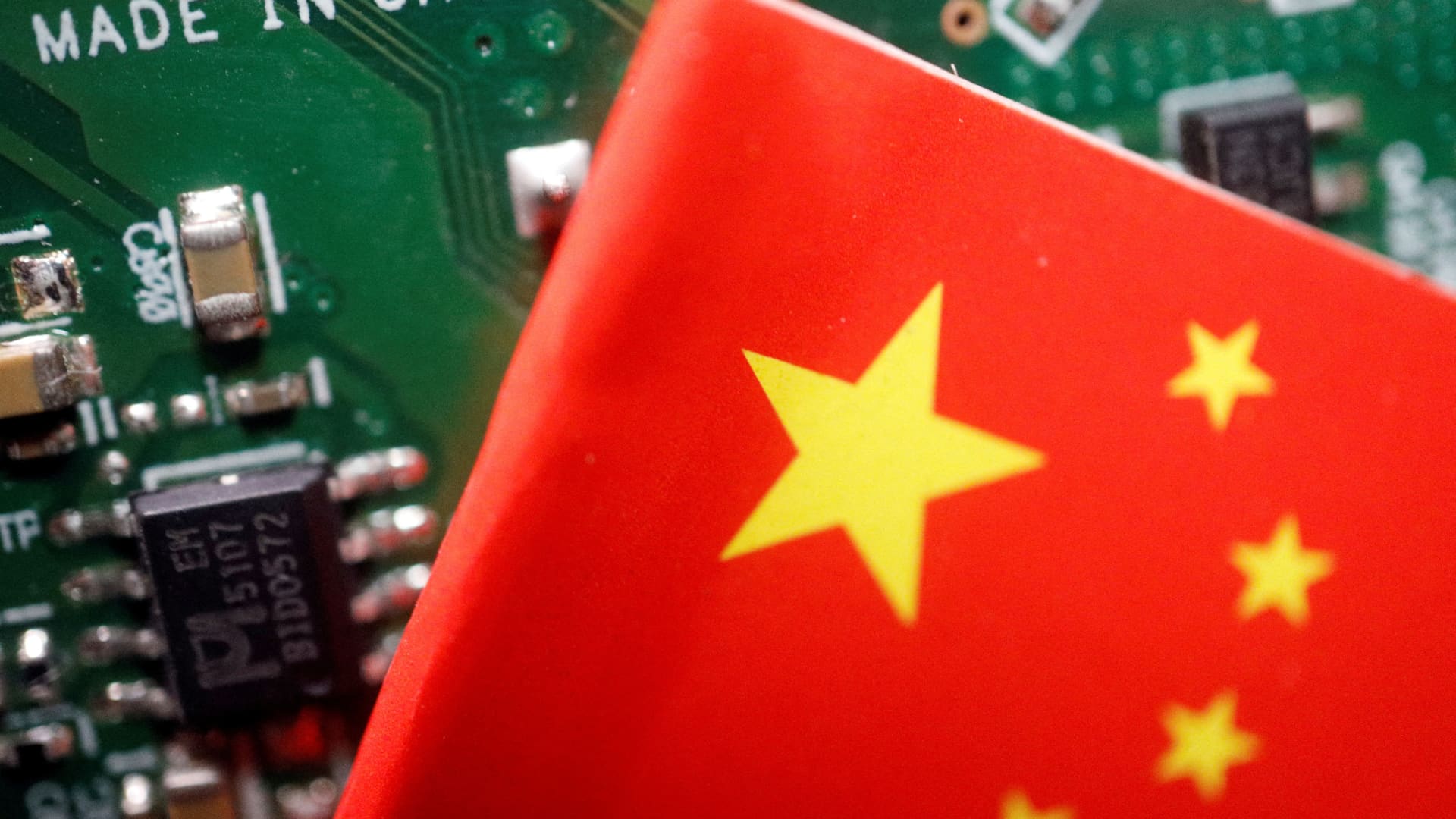
The semiconductor industry is grappling with an escalating chip talent war, as leading manufacturers intensify efforts to protect intellectual property from rapid technological appropriation. This global competition, fueled by geopolitical tensions and national ambitions, sees experienced engineers becoming linchpins in an intricate game of innovation and corporate espionage. The stakes are immense, shaping the future of digital transformation and national economic security.
🚀 Tech Strategy & Market Disruptions
- Escalating IP Litigation. Major players like Samsung are pursuing legal action against former employees for leaking critical semiconductor technologies, underscoring the high value of proprietary know-how.
- Chinese Chipmaker Advancement. Chinese firms, such as CXMT, are rapidly closing the technological gap, fueled by aggressive overseas talent recruitment and substantial investments, challenging established market leaders.
- National Core Technology Protection. Governments, notably South Korea, are designating key semiconductor manufacturing processes as ‘National Core Technologies’ to enhance legal protections and penalties against unauthorized disclosures.
The global chip talent war is reaching a fever pitch, evidenced by recent high-profile legal battles highlighting the vulnerability of advanced semiconductor intellectual property. A former Samsung Electronics employee, who transitioned to Chinese memory chipmaker ChangXin Memory Technologies (CXMT), was reportedly sentenced to five years in prison by the Seoul High Court for leaking Samsung’s technology. This verdict, a reduction from an initial seven-year sentence, underscores a broader trend: the intensifying struggle to safeguard proprietary knowledge as Chinese rivals accelerate their technological development.
For years, Samsung’s primary concern wasn’t emerging Chinese players but rather engineers departing for established competitors like SK Hynix and Micron. The company implemented robust non-compete agreements, restricting former employees with valuable technical expertise from joining rivals for two years. Such measures are crucial in an industry where know-how, often carried ‘in the employee’s head,’ as legal experts note, forms the bedrock of competitive advantage, a sentiment often echoed in global tech industry developments.
- This shift in focus towards Chinese rivals signals a maturation of their capabilities, transforming them from distant aspirations to meaningful competitors in the global semiconductor landscape.
- U.S. export restrictions, while aimed at hindering China’s chip ambitions, have inadvertently fueled a strategic pivot by Chinese companies. Unable to readily access advanced equipment, they have significantly ramped up efforts to recruit experienced overseas engineers with attractive compensation packages, stock options, and comprehensive family support. This talent influx has been instrumental in overcoming technical bottlenecks and accelerating indigenous chip development, as observed by Counterpoint Research’s senior analyst Jeongku Choi, providing latest tech industry insights.
The aggressive recruitment of senior engineers by Chinese chipmakers directly leads to accelerated technological parity, intensifying global competition. This influx of talent and knowledge transfer creates significant intellectual property leakage risks for established players, necessitating enhanced legal and internal security measures. The resulting dynamic disruption alters market shares, as seen with CXMT’s projected 10% global DRAM revenue share by Q2 2026, and could prompt further regulatory actions and trade secret litigation, fundamentally reshaping the global technology market trends.
The challenge in semiconductor IP protection lies not just in tangible blueprints, but in the intricate, often undocumented, process knowledge residing within an engineer’s expertise. It’s a strategic resource that defines next-generation capabilities.
Securing Semiconductor Infrastructure Strength in a Hostile Environment
Maintaining robust security and infrastructure strength is paramount for established semiconductor manufacturers facing aggressive talent poaching and IP threats. Beyond legal non-compete clauses, firms are investing heavily in sophisticated internal security protocols, including advanced access controls, data encryption, and continuous monitoring of intellectual property flows. The complexity of modern chip manufacturing, involving thousands of proprietary steps and unique material science, makes it incredibly difficult for any single engineer to fully replicate an entire production line. This inherent complexity acts as a natural barrier, but companies must still vigilantly guard segments of this knowledge. Effective strategies involve compartmentalizing sensitive information, implementing zero-trust architectures for data access, and fostering a corporate culture that emphasizes the criticality of trade secret protection. This proactive approach helps to mitigate the impact of individual departures and bolsters the overall resilience of their innovation engine.
Chinese Chipmaker Market Adoption Challenges Beyond Talent
While Chinese chipmakers have made significant strides in closing the technology gap through talent acquisition, their path to global market dominance is not without substantial challenges. Beyond domestic success, achieving broad international market adoption requires more than just technical parity; it demands building trust, securing supply chain reliability, and navigating complex geopolitical landscapes. U.S. export restrictions continue to limit access to advanced manufacturing equipment, creating a dependency on less sophisticated processes or indigenous substitutes that may impact cost-efficiency and performance at scale. Furthermore, as these companies expand beyond their home market, they will face intensified scrutiny over intellectual property, potentially triggering more international legal battles. The ability to innovate independently, without reliance on acquired foreign IP, and to establish themselves as reliable, high-quality suppliers in a highly competitive global market will be critical for sustained growth and securing market share in emerging technologies. Investors often look for companies with clear paths to market penetration and robust intellectual property portfolios to understand long-term growth potential and how companies manage emerging technologies.
The Chip Talent War: Navigating Innovation in a Fragmented World
The escalating global chip talent war is more than just a struggle over human capital; it represents a fundamental challenge to the established order of semiconductor innovation and supply chains. As nations prioritize technological sovereignty, the movement of engineers and the protection of trade secrets will continue to define competitive landscapes.
- Governments will increase regulatory oversight and penalties for IP theft, especially for ‘National Core Technologies’.
- Companies will need to balance aggressive talent acquisition with stringent IP protection strategies, impacting R&D investment.
- The global semiconductor supply chain faces potential fragmentation as nations prioritize domestic production and talent pools.
How will the industry adapt its collaborative and competitive dynamics to this new era of intense technological nationalism?
📊 StockXpo Analyst’s View
Market Impact: The intensifying chip talent war introduces significant volatility to semiconductor stock valuations, as IP security and talent retention become critical determinants of long-term innovation and profitability. Investor sentiment may become increasingly sensitive to news of trade secret litigation or strategic talent shifts. This dynamic underscores the importance of intellectual property management for valuing technology companies and provides material for detailed analysis.
Sector To Watch: The semiconductor equipment and materials sectors, alongside specialized IP law firms, are poised for growth. As core chipmakers invest more in internal security measures and legal protections, demand for advanced monitoring tools, secure infrastructure solutions, and expert legal counsel will rise. Companies focusing on trustworthy emerging technologies in automation and AI for security stand to benefit.
Financial Disclaimer:
StockXpo.com is a financial news aggregator and educational portal, not a registered investment advisor or broker-dealer. All information, news, and analysis provided herein are strictly for educational purposes and do not constitute investment, financial, legal, or tax advice. Investing in the stock market involves high risks, and past performance is not indicative of future results. StockXpo will not be liable for any financial losses or investment damages. Always consult a certified financial advisor before making market decisions.
MORE IN INSIDE TECHNOLOGY

Blue Wave Realigns Tech Investment: Innovation-Driven Growth Amidst Shifting Political Tides
Published: Wednesday, November 4, 2026 · 7:39 AM

AI Data Center: Brookfield’s $27 Billion UK Innovation Surge
Published: Tuesday, November 3, 2026 · 3:57 AM