Published: Wednesday, November 25, 2026 · 8:38 AM | Updated: Wednesday, November 25, 2026 · 8:38 AM
📊 10 views




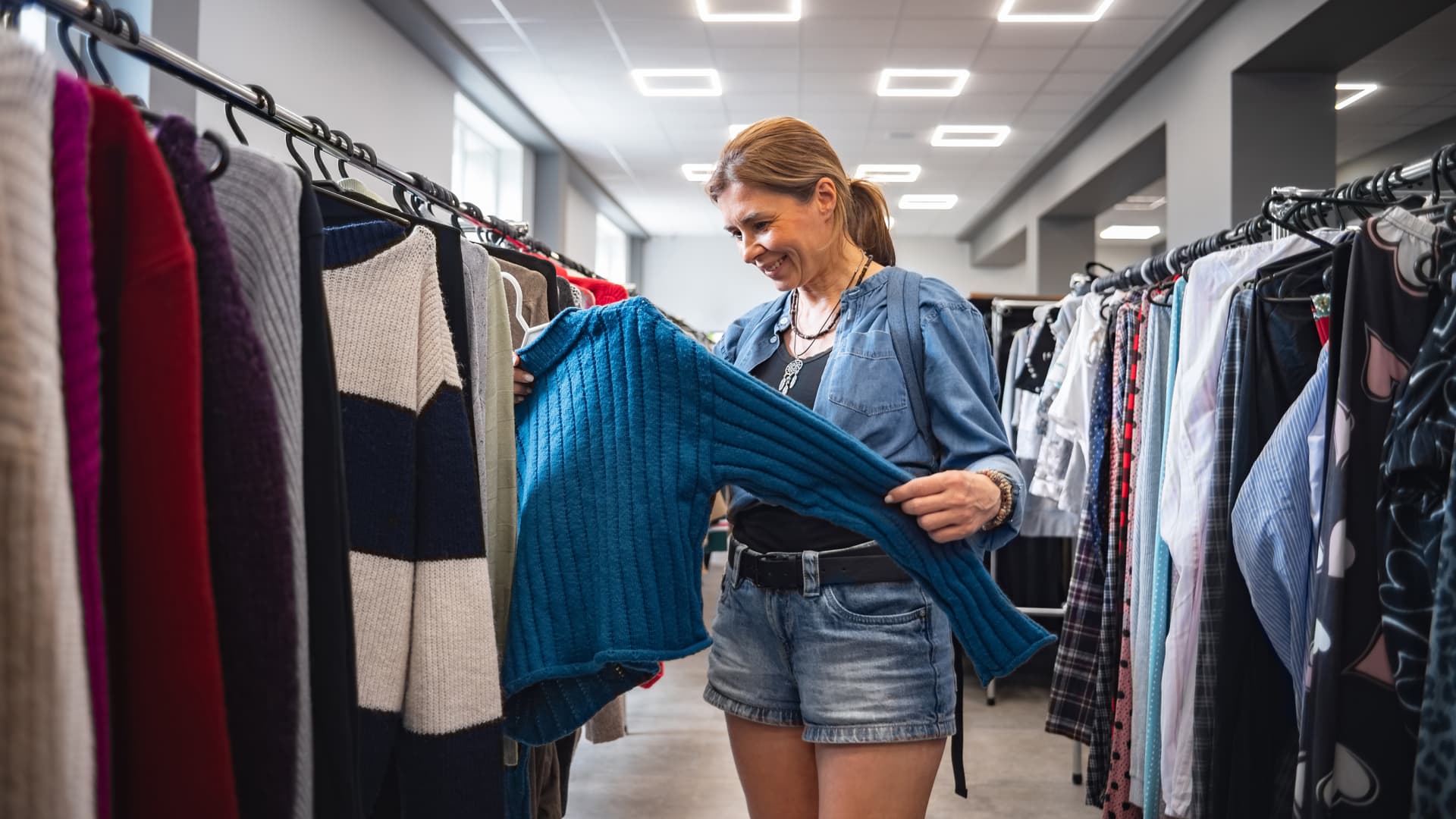
The rising cost of living is fundamentally reshaping consumer behavior, pushing secondhand shopping into the mainstream as a compelling alternative for value and unique finds. This seismic shift is not merely a transient trend but a significant structural change in retail, poised to redefine market dynamics and corporate strategies across various sectors.
🗝️ Corporate Strategy Insights
- Value-Driven Consumer Shift. Escalating inflation and elevated gas prices are compelling consumers to prioritize value, making pre-owned goods an attractive option beyond just cost savings.
- Personalization as a Market Differentiator. Younger generations, particularly Gen Z and millennials, are seeking unique, individualistic styles that secondhand markets readily provide, moving away from mass-produced uniformity.
- Market Leadership Expansion. The secondhand apparel market alone grew 13% in 2025, nearly four times faster than overall retail, highlighting a burgeoning segment reaching almost $80 billion by 2030 and demanding increased corporate attention.
Amid persistent inflationary pressures, consumers are increasingly turning to thrift stores and re-commerce platforms for their holiday gift-giving and personal purchases. This widespread adoption of secondhand shopping is underscored by GlobalData’s projections, indicating the U.S. secondhand apparel market alone is expected to reach nearly $80 billion by 2030, with an average annual growth exceeding 7%. A significant 40% of this expansion is attributed to Generation Z, closely followed by millennials, who view thrifting as both an economic necessity and a form of self-expression.
This trend extends beyond just apparel, as consumers seek value and unique offerings in categories like furniture, electronics, and books, according to insights from The Consumer Collective. The appeal isn’t solely about price; it’s also about perceived quality and the cachet of vintage items. Vanessa Roberts, a consumer in Los Angeles, highlighted this sentiment, noting that older thrifted items often boast better quality than current mass-produced goods, transforming shopping into a ‘scavenger hunt’ for distinctive pieces.
- The growth in secondhand retail reflects a broader consumer willingness to ‘splurge selectively,’ as noted by Katherine Cullen, a global senior retail analyst at EY Parthenon, focusing on value and uniqueness.
- eBay CEO Jamie Iannone emphasizes that gifting ‘pre-loved’ items is becoming normalized, with 70% of global consumers considering secondhand shopping vital for budget management, according to eBay’s Recommerce Report.
Traditional retailers are taking notice, with major brands such as Lululemon, Patagonia, and Madewell exploring their own pre-owned programs. This strategic move aims to capture a segment of the market increasingly prioritizing sustainability and individuality, reflecting a proactive adaptation to changing consumer tastes rather than merely reacting to competition. However, while some platforms like eBay and Savers Value Village have seen their shares climb, others like ThredUp and The RealReal have experienced declines year-to-date, indicating a nuanced competitive landscape where operational efficiency and brand trust are paramount.
The Strategic Ripple Effect on Retail Market Share
The surging interest in secondhand shopping creates a direct ripple effect throughout the broader retail ecosystem. As more consumers divert spending towards pre-owned items, traditional retailers face increased pressure on new product sales and profit margins. This shift compels established brands to innovate, either by integrating resale models into their operations or by sharpening their competitive edge through enhanced value propositions and product differentiation. The direct consequence is a reallocation of market share, favoring platforms and brands that effectively facilitate or participate in the circular economy. This dynamic will undoubtedly lead to intensified competition for customer loyalty and demand for robust supply chain management, particularly for authentication in high-value categories, influencing future corporate growth strategies.
“It’s becoming just a more established part of consumers’ shopping and gifting routines,” Jamie Iannone, CEO of eBay, told CNBC, signaling a permanent integration of secondhand commerce into the retail landscape.
Key Market Indicators Shaping the Resale Economy
To understand the magnitude of this shift, several key metrics provide critical insights:
- Secondhand Apparel Market Growth: Grew 13% in 2025, almost four times faster than the overall retail clothing market. This signals robust consumer adoption and a significant segment for investors to consider.
- Projected Market Value: Expected to reach nearly $80 billion by 2030, expanding over 7% annually. This sustained growth trajectory highlights long-term potential and market expansion opportunities.
- Generation Z Contribution: Accounted for 40% of the secondhand market’s expansion. Understanding generational buying patterns is crucial for targeting future marketing and inventory strategies.
- Consumer Sentiment on Value: 34% of surveyed individuals believe secondhand products offer better value than new ones. This perception of value, extending beyond just price, drives purchase decisions.
- Future Spending Intent: 89% of respondents plan to maintain or increase their spending on secondhand goods next year. This strong intent suggests continued momentum and embedded consumer behavior.
These indicators collectively demonstrate a powerful consumer pivot towards pre-owned goods, driven by a blend of economic necessity and evolving lifestyle preferences.
eBay’s Strategic Analysis in the Resale Market
eBay remains a pivotal player in the global recommerce sector, leveraging its vast platform and established user base to capitalize on the secondhand shopping boom. Its strategy focuses on facilitating a wide array of transactions, from rare collectibles to everyday items, positioning itself as a universal marketplace. Unlike consignment models, eBay empowers individual sellers, fostering a highly diverse and dynamic inventory that attracts value-seeking consumers and those searching for unique goods. The company’s resilience, despite newer specialized platforms, stems from its brand recognition and operational scale, allowing it to adapt to evolving consumer preferences.
However, eBay’s broad appeal also presents challenges in specialized luxury or authenticated segments, where rivals offer more curated experiences. The company’s ongoing strategic adjustments involve enhancing user experience, improving search algorithms, and reinforcing trust mechanisms to maintain its competitive edge. By focusing on its core strength—connecting buyers and sellers efficiently across countless categories—eBay aims to consolidate its position as a go-to destination for diverse secondhand goods, a critical factor for sustained market leadership in the burgeoning resale economy.
ThredUp Competitive Advantages Amidst Market Volatility
ThredUp operates as a leading online consignment and thrift store, emphasizing its role in promoting sustainable fashion. Its competitive advantage lies in its comprehensive service model, handling everything from listing to shipping, thereby simplifying the selling process for consumers and offering a curated, quality-controlled inventory for buyers. This operational efficiency caters specifically to the fashion-conscious consumer looking for high-quality, unique items without the traditional hassle of individual peer-to-peer sales. By framing each item as ‘a snowflake,’ ThredUp taps into the growing desire for personalization and individuality, a key driver for secondhand shopping.
Despite a recent dip in its stock performance, ThredUp’s long-term strategy is anchored in brand building, technological advancements, and strategic partnerships, such as those with traditional retailers. Its focus on circularity and a seamless user experience aims to cultivate a loyal customer base that values both affordability and environmental impact. This differentiated approach in a crowded market, coupled with its robust operational infrastructure, positions ThredUp to potentially regain momentum as the market matures and consumer habits solidify, as highlighted by CNBC business news updates.
The Enduring Appeal of Secondhand Shopping in a Shifting Economy
The profound shift towards secondhand shopping represents more than just a temporary response to economic headwinds; it signals a durable change in consumer values and purchasing habits. The intertwining factors of value, personalization, and environmental consciousness are creating a formidable force that traditional retail must acknowledge and adapt to. As this market segment continues its impressive growth trajectory, companies that effectively integrate recommerce into their strategies or optimize their operations within this sphere are best positioned for future success.
- Consumers are actively seeking out unique items and superior quality at better prices, moving away from fast fashion norms.
- The market is expanding rapidly beyond apparel, indicating broader applications for the recommerce model across various consumer goods.
- Forward-thinking retailers are beginning to embrace pre-owned programs, acknowledging the long-term viability and consumer demand for circular retail.
Will the momentum of secondhand commerce fundamentally restructure traditional retail models, forcing a permanent re-evaluation of product lifecycle and consumer engagement?
📊 StockXpo Analyst’s View
Market Impact: The ascendance of secondhand retail suggests a rebalancing of consumer spending, potentially diverting liquidity from new goods into more cyclical, value-driven sectors. This trend could exert downward pressure on average selling prices for certain categories in primary retail, while boosting platforms specializing in resale. Investors should monitor companies with agile supply chains and robust authentication processes, as these will likely capture increasing market share. The sector’s growth also highlights a shift in investor sentiment towards sustainability and circular economy business models.
Sector To Watch: The recommerce and broader retail-tech sectors are particularly interesting. Companies that can scale their operations efficiently, manage logistics for single-item transactions, and build trust through rigorous authentication will be the winners. Traditional fashion and electronics retailers that successfully integrate their own resale programs, such as Lululemon, may also see their valuations improve as they diversify revenue streams and appeal to a broader, value-conscious consumer base. Keep an eye on companies that can successfully navigate this transformation, as discussed in global stock markets analysis.
Financial Disclaimer:
StockXpo.com is a financial news aggregator and educational portal, not a registered investment advisor or broker-dealer. All information, news, and analysis provided herein are strictly for educational purposes and do not constitute investment, financial, legal, or tax advice. Investing in the stock market involves high risks, and past performance is not indicative of future results. StockXpo will not be liable for any financial losses or investment damages. Always consult a certified financial advisor before making market decisions.
MORE IN INSIDE BUSINESS

Food Banks Demand Surges: A Critical Economic Warning
Published: Tuesday, November 24, 2026 · 7:22 AM

Super Bowl Imax: A Strategic Play for Experiential Growth
Published: Monday, November 23, 2026 · 4:13 PM