
Published: Thursday, November 5, 2026 · 3:17 AM | Updated: Thursday, November 5, 2026 · 3:17 AM
📊 3 views




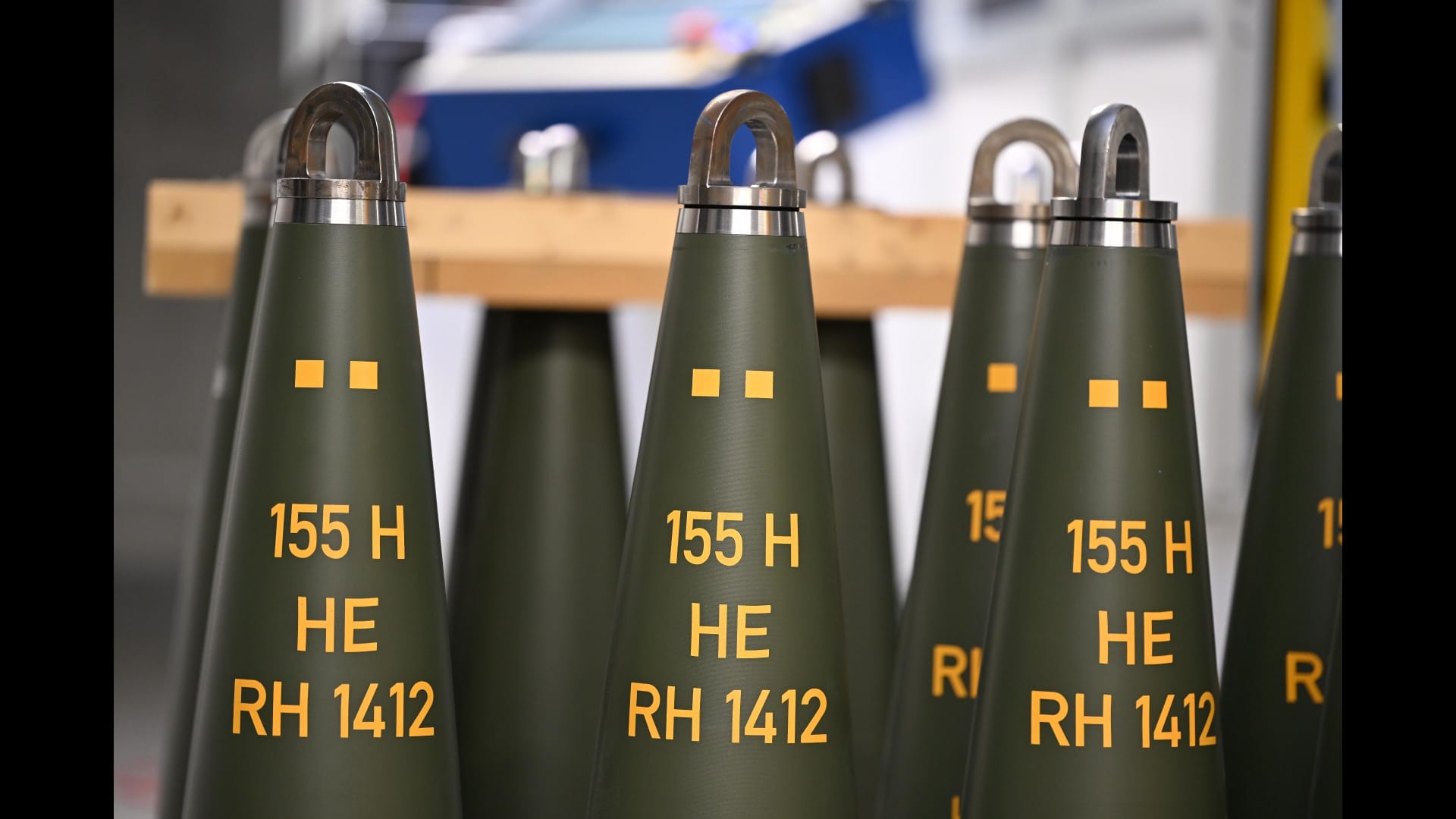
German defense behemoth Rheinmetall experienced a sharp 16% drop in its stock price following an unexpected cut to its full-year guidance. This marks the second such revision since August, casting a shadow over the company’s near-term revenue projections and prompting a reassessment of its market position. The move underscores persistent challenges in military contract execution and supply chain fluidity within the European defense sector.
💎 Strategic Investment & Portfolio Insights
- Guidance Cut Impact. Rheinmetall’s revised 2026 sales outlook to €13.2 billion (from €13.7-14.2 billion) and operating margin to 18.5% (from 19%) suggests near-term execution risks on key projects like the Arminius Boxer.
- Volatility Amidst Growth. Despite recent setbacks and a 35% year-to-date decline, Rheinmetall previously delivered an average annual return of 114% over four years, highlighting the cyclical yet potent nature of defense spending.
- Long-Term Backlog Resilience. The company’s robust €78 billion order backlog by Q3 indicates strong underlying demand and potential for future revenue realization, contingent on overcoming current contractual delays.
The recent downturn for Rheinmetall stems directly from its updated full-year guidance for 2026, which now anticipates sales around €13.2 billion, a notable reduction from the prior range of €13.7 billion to €14.2 billion. Simultaneously, the projected operating margin has been trimmed to approximately 18.5% from 19%. This second guidance cut in recent months is primarily attributed to delays in the German military’s Arminius Boxer project, now pushed to next year, and setbacks in artillery ammunition acceptance testing. Such operational hitches, especially within high-value government contracts, can significantly affect quarterly revenues and investor confidence.
Historically, Rheinmetall emerged as a significant beneficiary of increased European military expenditure following Russia’s 2022 invasion of Ukraine, boasting an average annual return of 114% over the preceding four years. However, this surge has been tempered, with shares now down roughly 35% year-to-date, reflecting a broader market reassessment of the defense sector’s growth trajectory and execution capabilities. Despite these challenges, the company’s third-quarter results showed considerable strength, with sales climbing 32% year-on-year to €3.15 billion and operating profit surging 62% to €553 million. New order intake stood at €2.89 billion, expanding the overall order backlog to a substantial €78 billion by the end of Q3.
Analysts at RBC characterized the announcement as ‘clearly negative,’ underscoring concerns regarding the Boxer program’s timeline and its potential medium-term implications. They further suggested the news might exacerbate existing investor anxieties surrounding traditional defense technology versus newer, more agile solutions. This ‘new-tech vs old-tech’ debate, as RBC termed it, highlights a growing divergence in investor perception within the broader defense industry.
- Operational Challenges: The delays in critical projects like the Arminius Boxer and ammunition testing point to supply chain complexities and regulatory hurdles.
- Revenue Volatility: While long-term demand remains strong, short-term revenue recognition can be highly unpredictable due to contractual dependencies.
- Investor Sentiment Shift: The market is becoming more discerning, differentiating between defense companies based on execution efficiency and technological adaptability.
Delayed military contracts → Revised financial outlook → Potential re-evaluation of defense sector valuations → Portfolio rebalancing towards more agile or diversified defense plays. For investors seeking strategic portfolio growth, this situation demands careful analysis of risk-adjusted returns.
“In dynamic sectors like defense, even strong backlogs can’t fully insulate against operational delays. Long-term investors in Rheinmetall should meticulously dissect contract pipelines and monitor geopolitical catalysts, rather than solely relying on historical growth narratives. Alpha generation here demands patience and a keen eye for execution.”
Key Financial Metrics & Performance Indicators
Understanding the immediate impact requires a look at Rheinmetall’s updated financial targets and recent performance:
| Metric | Previous Outlook | Revised Outlook (2026) | Significance |
|---|---|---|---|
| Full-Year Sales | €13.7B – €14.2B | ~€13.2B | Indicates lower expected revenue due to contract delays. |
| Operating Margin | 19% | ~18.5% | Slight compression reflecting operational inefficiencies or cost overruns. |
| Recent Performance (Q3) | Value | YoY Change | Significance |
| Q3 Sales | €3.15B | +32% | Strong underlying demand, despite forward guidance issues. |
| Q3 Operating Profit | €553M | +62% | Improved profitability on current operations. |
| Order Backlog (End Q3) | €78B | N/A | Significant long-term revenue visibility, pending execution. |
Rheinmetall Competitive Benchmarking: Navigating Sector Dynamics
While Rheinmetall is a European defense stalwart, its performance is often viewed against peers like BAE Systems, Lockheed Martin, or Thales. The recent guidance cut highlights a vulnerability to local contract delays that might be less pronounced in more geographically diversified defense contractors. Investors are increasingly scrutinizing capabilities in new technologies, such as cybersecurity, AI in defense, and advanced unmanned systems, which may differentiate future winners from traditional players focused on older defense tech. This dynamic could compel Rheinmetall to accelerate its diversification into these high-growth areas or risk losing ground in investor appeal to more technologically nimble competitors.
Rheinmetall Risk-Reward Matrix: A Strategic Perspective
The current valuation of Rheinmetall presents a complex risk-reward profile. On the risk side, prolonged contract delays, geopolitical shifts impacting defense budgets, and intense competition for next-generation military hardware pose significant threats. The ‘new-tech vs old-tech’ debate, as highlighted by RBC, adds another layer of systemic risk for established players. However, the reward potential remains substantial. Europe’s ongoing rearmament efforts ensure a robust demand floor for defense products. Rheinmetall’s considerable order backlog acts as a powerful revenue visibility indicator. For investors with a long-term horizon, the current pullback could represent a compelling entry point if the company demonstrates effective mitigation of these operational bottlenecks and capitalizes on its expansive order book. This requires a granular understanding of defense spending trends across various European nations, as well as the company’s ability to deliver on complex, multi-year projects effectively.
Rheinmetall’s Path Ahead: Execution, Innovation, and Geopolitical Tailwinds
Rheinmetall’s latest outlook cut serves as a stark reminder of the complexities inherent in large-scale defense contracting, despite a supportive geopolitical environment. While immediate pressures from project delays are evident, the company’s strong Q3 performance and formidable order backlog underscore its foundational strength. The challenge now lies in execution and demonstrating agility in a rapidly evolving defense landscape.
- The immediate stock reaction reflects market sensitivity to operational delays, demanding closer scrutiny of project milestones.
- Long-term capital preservation hinges on Rheinmetall’s ability to convert its record backlog into realized revenue efficiently.
- Strategic alpha generation could emerge from successful diversification into advanced defense technologies, mitigating risks associated with traditional hardware.
Can Rheinmetall leverage its impressive order book and core capabilities to navigate these short-term headwinds and reclaim its growth trajectory in the European defense sector?
📊 StockXpo Analyst’s View
Market Impact: The dip in Rheinmetall‘s shares, while significant, might be an overreaction for long-term holders. The market tends to punish guidance cuts severely, but the underlying demand for defense capabilities, particularly in Europe, remains robust. This could shake out weaker hands and potentially offer a discounted entry for those with conviction in the sector’s secular tailwinds.
Sector To Watch: The broader defense sector will be under scrutiny for similar operational risks. Companies with diversified revenue streams, particularly those engaged in cutting-edge defense technologies like cyber warfare, satellite intelligence, or drone systems, may be perceived as less vulnerable to traditional contract delays. Investors should pivot towards sub-sectors demonstrating superior project management and innovation.
Financial Disclaimer:
StockXpo.com is a financial news aggregator and educational portal, not a registered investment advisor or broker-dealer. All information, news, and analysis provided herein are strictly for educational purposes and do not constitute investment, financial, legal, or tax advice. Investing in the stock market involves high risks, and past performance is not indicative of future results. StockXpo will not be liable for any financial losses or investment damages. Always consult a certified financial advisor before making market decisions.
MORE IN INSIDE INVESTMENT NEWS

Wegovy Pill Sales Drive Novo’s Bullish Outlook Amidst Sector Competition
Published: Wednesday, November 4, 2026 · 2:04 AM

Schaeffler Job Cuts Signal Major German Auto Sector Shift: Alpha Generation Implications
Published: Tuesday, November 3, 2026 · 8:29 AM

