
Published: Thursday, November 5, 2026 · 6:48 AM | Updated: Thursday, November 5, 2026 · 6:48 AM
📊 7 views




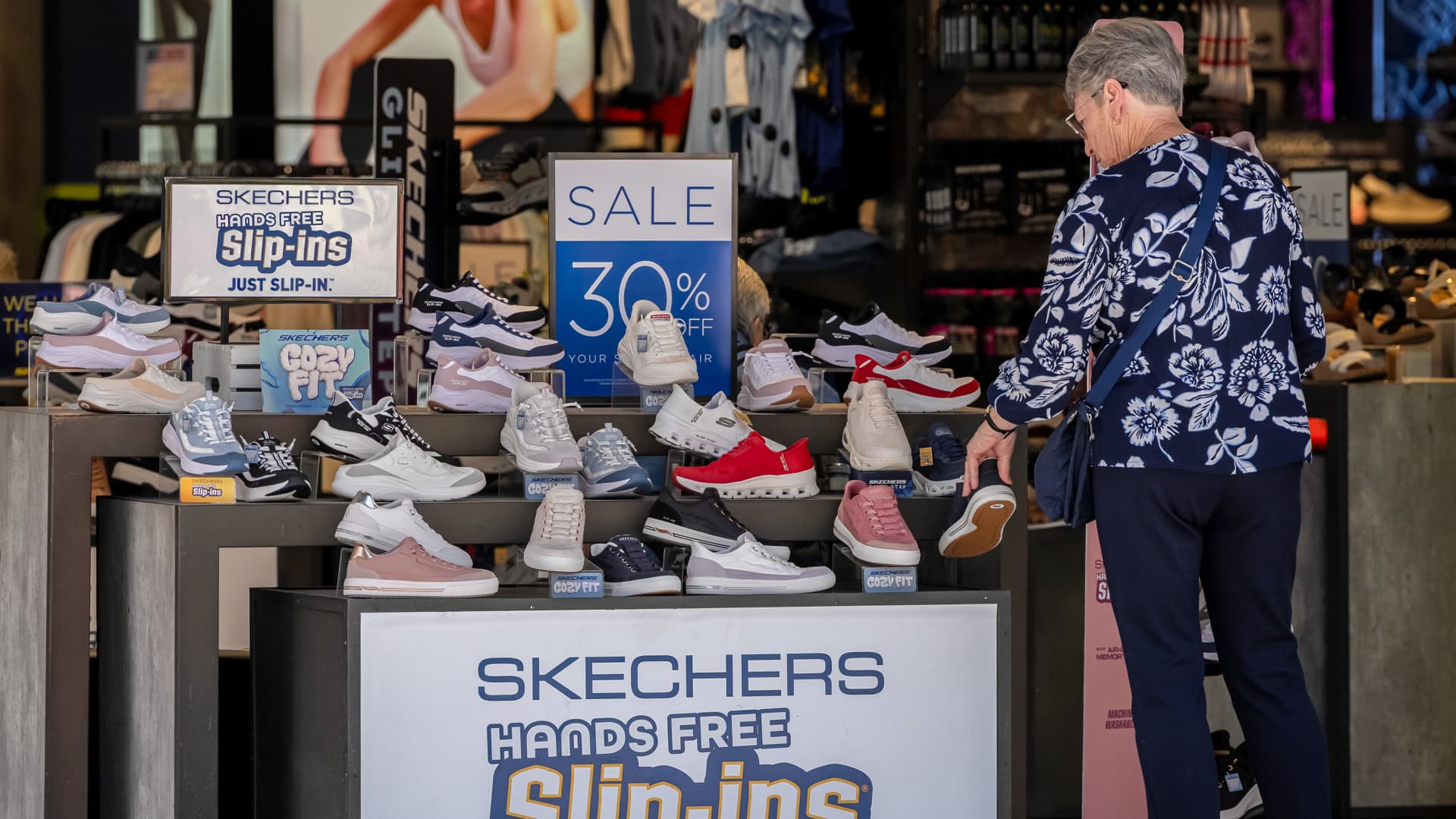
Visa’s latest survey points to a clear trend: despite travel topping wish lists, actual Physical Gifts Spending is poised to capture the majority of consumer wallets this holiday season. This critical insight underscores the pervasive influence of inflation and economic uncertainty on household budgeting, reshaping retail forecasts for the coming months.
🗝️ Corporate Strategy Insights
- Value Over Experience. Consumers prioritize tangible gifts for others due to high travel costs and economic sentiment.
- Inflationary Pressures. Rising energy costs and airfares force consumers to celebrate holidays closer to home, shifting discretionary spend.
- Income Disparity in Travel. Only affluent households ($200K+ income) are increasing travel spending, while other groups pull back.
The Visa report, based on a survey of 4,660 U.S. adults, paints a nuanced picture of consumer psychology. While over half of respondents wish for travel and live events, only 15% plan to spend on experiences for others, compared to 27% favoring Physical Gifts Spending. Michael Brown, Visa’s principal U.S. economist, attributes this disparity to higher travel costs, subdued consumer sentiment, and a pronounced emphasis on value. This dynamic suggests a conscious trade-off, where budget constraints lead individuals to opt for tangible goods rather than costly experiences.
Inflation, which saw consumer prices jump 3.7% annually in September due to surging energy costs, is a primary driver of this shift. Airlines, for instance, have significantly hiked ticket prices, with fares up over 22% year-over-year in September, as fuel expenses soared due to global geopolitical events, as reported by global financial news.
- Budgetary Constraints: Rising inflation and energy costs directly impact disposable income, forcing consumers to make difficult choices between aspirations and financial realities.
- Value Perception: The perceived long-term value of physical goods often outweighs the fleeting nature of experiences when budgets are tight.
- Affluent Resilience: High-income households, buoyed by equity market performance, maintain travel spending, highlighting a growing economic bifurcation.
The survey also revealed a stark contrast in spending behavior across income brackets. Only households earning above $200,000 increased their travel spending for trips departing between November and early next year compared to the previous year. Less affluent shoppers, those with incomes below $100,000, are instead focusing on value, with about one-third planning to switch to lower-cost brands or stores for holiday Physical Gifts Spending.
This shift towards Physical Gifts Spending generates a significant strategic ripple effect across various sectors. For the traditional retail sector, particularly those dealing in consumer electronics, apparel, and home goods, this indicates a potential boost, even if partially inflated. E-commerce platforms stand to benefit as consumers seek value and convenience, driving intensified competition among online retailers. Conversely, the travel and hospitality industries, including airlines and experiential businesses, face continued headwinds, necessitating aggressive pricing strategies or value-added propositions to attract the resilient affluent segment. Payment processors like Visa, however, are strategically positioned to benefit from increased transaction volumes across both physical and digital retail channels, regardless of the underlying product mix, demonstrating robust utility for corporate growth strategies in diverse economic climates.
‘Consumers are aspirational. They want those experiences, they want to travel, they want to be out in the world. However, the economic reality is with prices rising, with economic uncertainty, they need to balance the reality of today’s economic environment with those aspirations,’ stated Michael Brown, Visa’s principal U.S. economist.
Visa’s projections for holiday sales growth highlight the impact of inflation:
| Metric | 2026 Projection | Significance |
|---|---|---|
| Year-over-year Increase | 4.5% | Headline growth, but significantly influenced by price hikes. |
| Increase (Excluding Inflation) | 1.1% | Reflects minimal real spending growth, indicating cautious consumer behavior compared to 2025’s 1.3%. |
These figures underscore that while nominal spending appears to rise, the underlying volume growth is subdued, reflecting consumers’ adaptation to higher prices rather than a surge in purchasing power.
Visa’s Operational Efficiency in Data Analytics
Visa’s recurring consumer surveys demonstrate its sophisticated operational efficiency in leveraging extensive transaction data and consumer insights to forecast market trends. By continually polling and analyzing spending patterns across various demographics, Visa reinforces its competitive moat as a critical enabler of commerce and a valuable data provider. This strategic focus on data analytics allows the company to offer unparalleled insights into consumer behavior, which is vital for retailers and financial institutions alike in navigating volatile economic environments. Such proactive market intelligence, often discussed in investment analysis blog articles, ensures Visa remains central to the broader economic conversation and future payment innovations.
Unpacking Consumer Psychology: Value Over Aspiration
The divergence between consumer aspirations and actual spending intent highlights a profound psychological shift driven by economic realities. While the desire for experiences remains strong, the necessity for value and tangible returns on holiday expenditures takes precedence. This isn’t merely a short-term adjustment but reflects a deeper recalibration of consumer priorities, a trend frequently highlighted in business insights. Businesses that can effectively tap into this value-driven mindset, whether through competitive pricing, perceived durability, or clear utility in their offerings for Physical Gifts Spending, are likely to outperform those banking solely on aspirational marketing. Understanding this evolving psychology is paramount for strategic planning in the current retail landscape.
Physical Gifts Spending: Navigating the 2026 Holiday Retail Landscape
Visa’s latest findings offer a clear directive for retailers entering the holiday season: prioritize value and focus on tangible goods as Physical Gifts Spending takes precedence over experiential purchases. This environment demands acute operational efficiency and a deep understanding of varied consumer segments.
- Retailers should optimize supply chains for cost-effectiveness and competitive pricing, especially for lower-income segments.
- Marketing strategies need to emphasize the enduring value and practicality of physical products over luxury or experiential appeals.
- High-end retailers may still target affluent consumers for travel, but the broader market demands a value-centric approach to gifting.
How will retailers adapt their strategies to effectively capture the cautious yet inflation-aware consumer dollar this holiday season?
📊 StockXpo Analyst’s View
Market Impact: This Visa report signals a potential reallocation of consumer capital away from discretionary travel services and towards traditional retail goods. Investors should anticipate modest growth in the retail sector, driven more by inflation than by increased purchasing volume, while airlines and experience-based companies may face continued demand pressures. The resilience of affluent spending, however, could provide niche opportunities in high-end travel or luxury goods.
Sector To Watch: The general retail sector, particularly discount retailers and e-commerce platforms emphasizing value, is poised to capture the bulk of Physical Gifts Spending. Conversely, the travel and leisure sector will require careful monitoring, as only specific high-income segments are projected to maintain or increase their spending, affecting overall industry recovery. For broader market insights, visit stock markets.
Financial Disclaimer:
StockXpo.com is a financial news aggregator and educational portal, not a registered investment advisor or broker-dealer. All information, news, and analysis provided herein are strictly for educational purposes and do not constitute investment, financial, legal, or tax advice. Investing in the stock market involves high risks, and past performance is not indicative of future results. StockXpo will not be liable for any financial losses or investment damages. Always consult a certified financial advisor before making market decisions.
MORE IN INSIDE BUSINESS
McDonald’s Earnings: U.S. Business Falters Amid Broader Economic Concerns
Published: Wednesday, November 4, 2026 · 12:34 AM
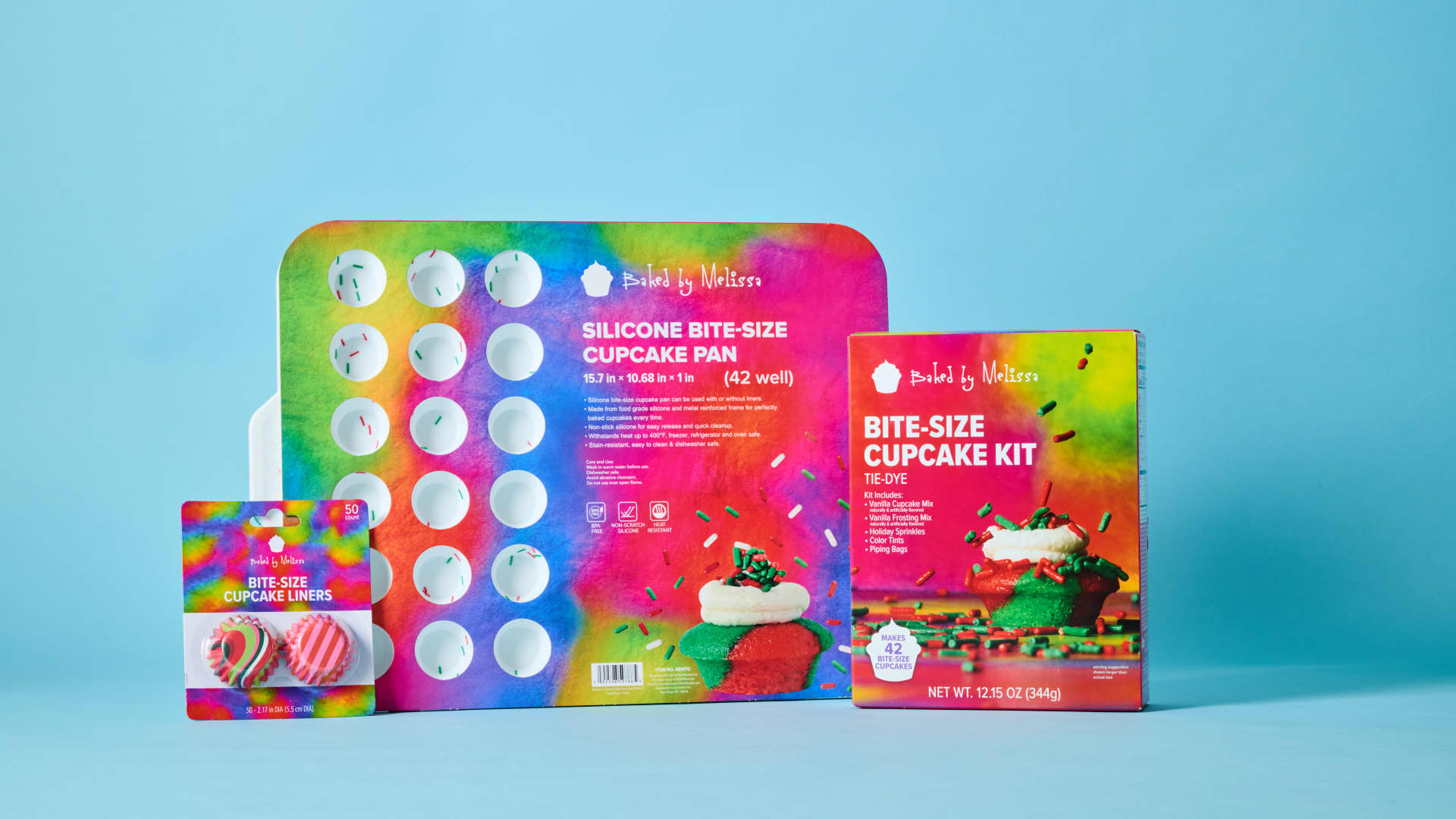
Baked by Melissa’s Strategic Target Entry: A Recipe for Growth
Published: Tuesday, November 3, 2026 · 1:54 AM


