
Published: Thursday, November 5, 2026 · 7:19 AM | Updated: Thursday, November 5, 2026 · 7:19 AM
📊 2 views




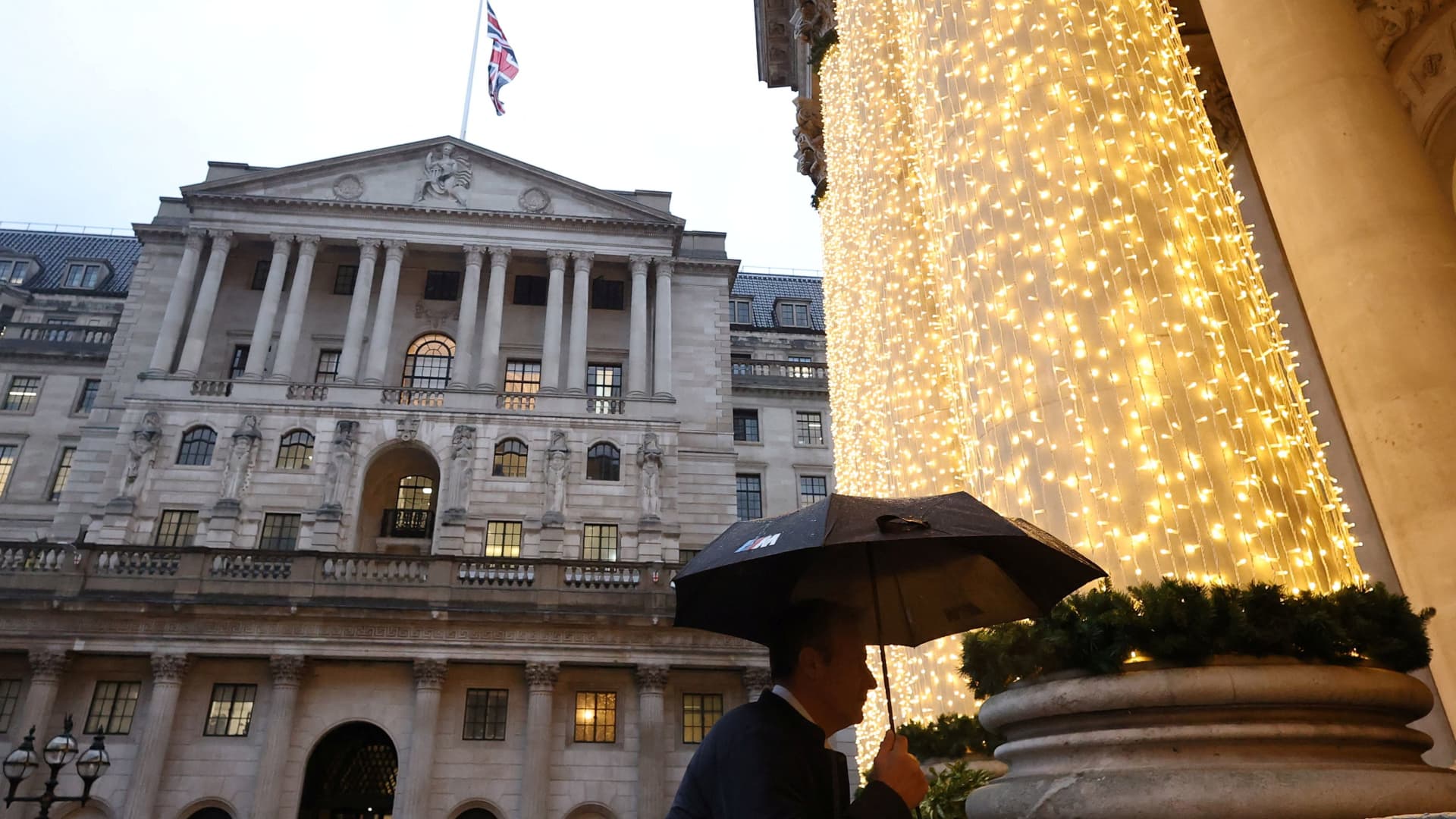
The Bank of England has implemented its first interest rate hike in over three years, raising its key rate by 25 basis points to 4% in a decisive move to combat surging inflation. This highly anticipated shift positions the UK central bank firmly within the global tightening cycle, responding to persistent inflationary pressures exacerbated by geopolitical tensions.
📊 Macro-Economic Strategic Insights
- BoE’s First Hike in Years. This marks a significant policy shift, bringing the UK central bank in line with global tightening efforts to curb inflation.
- Inflation Threat Looms Larger. UK inflation is now projected to hit ‘about 5%’ by mid-2027, driven primarily by elevated global energy prices.
- Geopolitical Drivers Intensify. The ongoing Iran conflict is explicitly cited by the Monetary Policy Committee as a key factor impacting global energy costs and the UK’s economic vulnerability.
The Bank of England Interest Rate Hike to 4% comes as the UK grapples with a persistent inflation challenge, evidenced by September’s annual inflation rate jumping to 3.5%. This decision, overwhelmingly supported by the Monetary Policy Committee (MPC) with an 8-1 vote, makes the BoE the last major central bank to join the tightening trend, following peers like the U.S. Federal Reserve. The dissenting vote, pushing for a 50 basis point increase, underscores the urgency felt by some policymakers regarding the inflation outlook.
The MPC explicitly cited the ongoing conflict in the Middle East, now in its ninth month, as a primary driver behind surging global energy prices. As a net energy importer, the United Kingdom is acutely exposed to these external shocks, which directly feed into domestic consumer costs. The BoE projects UK inflation will climb to ‘about 5%’ by mid-2027 before gradually easing, assuming the impact of energy prices recedes and current monetary policy takes effect.
Market expectations for this hike were near certainty, with LSEG data showing over a 99% chance prior to the announcement. Traders are also factoring in a one-in-four probability of a further rate increase in December, reflecting sustained concern over inflation’s trajectory and the BoE’s commitment to price stability. As Reuters reported, data earlier this month showed the U.K.’s annual inflation rate jumped to 3.5% in September.
* The move signals a proactive stance by the BoE to anchor inflation expectations and restore purchasing power, though the timing highlights the severity of the external economic environment.
The Ripple Effect: How Rate Hikes Impact the Economy
The central bank’s action initiates a chain of economic consequences designed to cool the economy:
* Higher Rates → Increased borrowing costs for businesses and consumers
* Lower Spending → Reduced demand for goods and services
* Reduced Inflationary Pressure → Slowdown in price increases across the economy
* Stronger Sterling (Potentially) → Makes imports cheaper, further aiding disinflation efforts
* Cooling Housing Market → Higher mortgage rates impact affordability and housing demand.
A central bank’s mandate to maintain price stability is paramount. In an environment of elevated geopolitical risk and supply-side shocks, a preemptive rate hike, even if painful in the short term, is crucial for anchoring long-term inflationary expectations and preserving the integrity of the currency. This is not just about immediate price control but about safeguarding the economy’s systemic growth potential by ensuring a predictable economic environment.
Key Metrics Driving Monetary Policy Decisions
Key economic metrics underscore the BoE’s challenging environment:
- New Key Interest Rate: 4.0% (up from 3.75%). This benchmark rate influences all other lending rates in the economy.
- September Annual UK Inflation: 3.5%. This figure, driven by motor fuels, significantly exceeds the BoE’s 2% target, justifying aggressive action.
UK Inflationary Risks: Navigating External Shocks
The UK economy, a net energy importer, faces unique vulnerabilities to global energy price spikes. The ongoing conflict in the Middle East has proven to be a significant exogenous shock, pushing up the cost of living and business operations. Policymakers must balance the immediate need to curb inflation with the potential for higher interest rates to stifle economic growth. The projected inflation peak of 5% in mid-2027 highlights the BoE’s long-term battle against entrenched price pressures, signaling a sustained period of vigilance.
Global Monetary Policy Benchmarking
The Bank of England’s decision to hike rates positions it alongside other major central banks that have already initiated tightening cycles, notably the U.S. Federal Reserve. This synchronized global effort against inflation suggests a collective understanding among central bankers of the pervasive nature of current price pressures. However, the varying degrees of economic resilience and exposure to specific shocks, such as energy, mean that each central bank’s trajectory will remain distinct, even within a global tightening trend. Keeping an eye on other central banks’ moves can offer insights into future BoE actions and broader economic policy analyses. This aligns with broader global economic outlooks often discussed by Bloomberg economists.
The Bank of England Interest Rate Hike: A Path to Stability
The Bank of England’s rate hike represents a critical step in its efforts to stabilize the UK economy and steer it away from persistent inflation. This action, while potentially slowing near-term growth, is deemed necessary to restore long-term price stability.
- Proactive Stance: BoE’s firm move against rising inflation expectations, aiming to anchor future price levels.
- External Vulnerabilities: UK remains highly susceptible to global energy price fluctuations, necessitating careful monitoring.
- Future Outlook: Expect continued monitoring of inflation data and potential further tightening in the coming months if price pressures persist.
Will these measures be sufficient to tame inflation without triggering a significant economic downturn?
📊 StockXpo Analyst’s View
Market Impact: The Bank of England Interest Rate Hike will likely strengthen the Sterling in the short term, making UK assets more attractive to foreign investors. However, equity markets, particularly those sensitive to borrowing costs like real estate and highly leveraged sectors, may experience headwinds. Bond yields are expected to rise, reflecting the higher interest rate environment and investors shifting investment analysis towards more conservative strategies.
Sector To Watch: Given the explicit mention of energy prices as a primary driver of inflation, the energy sector, particularly UK-based producers and distributors, will remain volatile. Retail and consumer discretionary sectors could face pressure as disposable income diminishes due to higher living costs and borrowing expenses. Conversely, financial services may see improved margins from wider interest rate spreads. For further educational insights, visit the StockXpo blog.
Financial Disclaimer:
StockXpo.com is a financial news aggregator and educational portal, not a registered investment advisor or broker-dealer. All information, news, and analysis provided herein are strictly for educational purposes and do not constitute investment, financial, legal, or tax advice. Investing in the stock market involves high risks, and past performance is not indicative of future results. StockXpo will not be liable for any financial losses or investment damages. Always consult a certified financial advisor before making market decisions.
MORE IN INSIDE ECONOMY

Euro zone inflation Surges to 4%: Warning Bells for ECB Stability
Published: Wednesday, November 4, 2026 · 6:07 AM
Australia Rate Hike Signals Persistent Inflation Battle
Published: Tuesday, November 3, 2026 · 12:25 AM


