
Published: Friday, November 6, 2026 · 5:37 AM | Updated: Friday, November 6, 2026 · 5:37 AM
📊 10 views




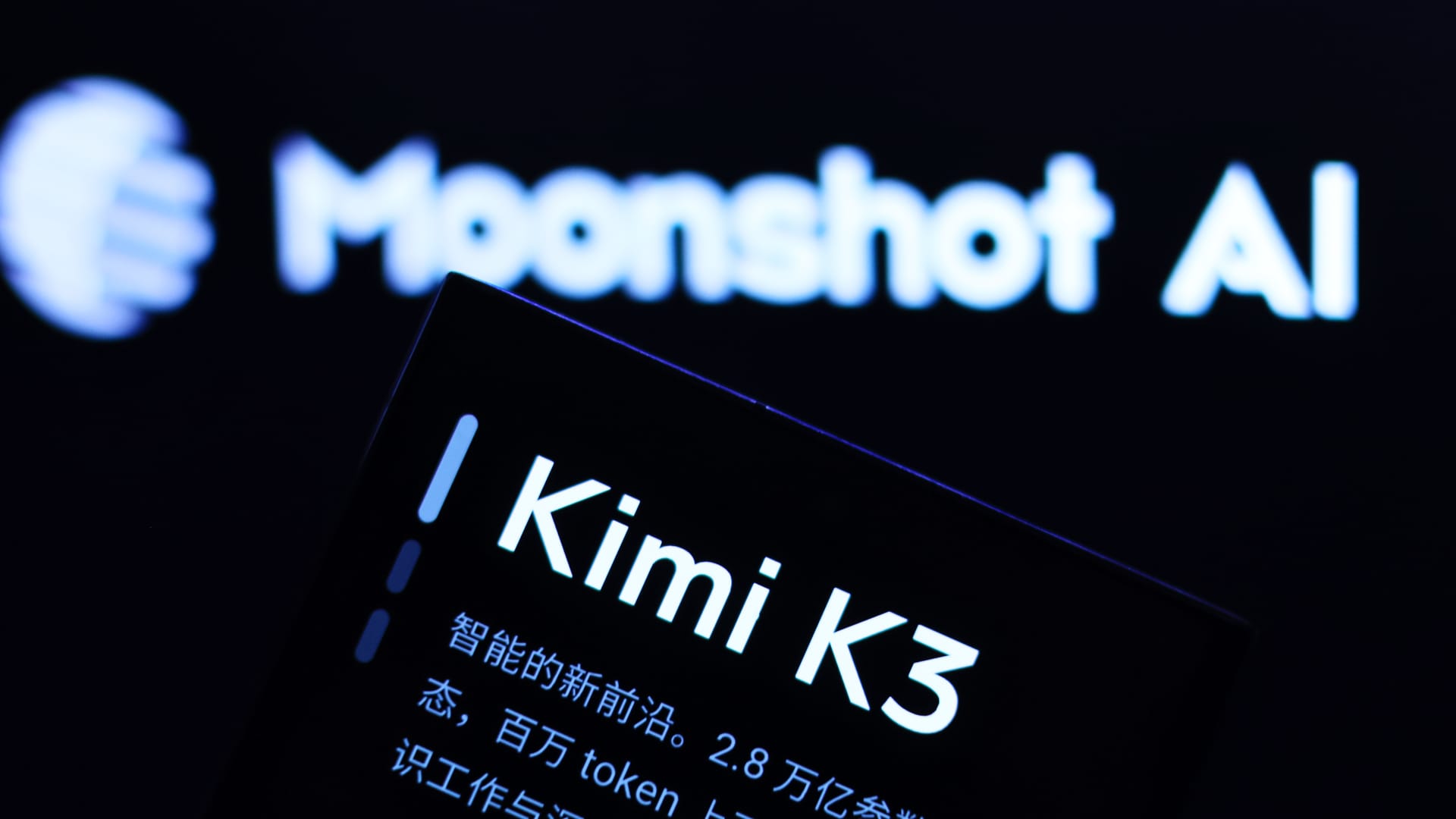
Chinese AI powerhouse Moonshot AI is actively pursuing Nvidia Blackwell access through European data centers, navigating the tightening U.S. export controls designed to restrict advanced chip technology to China. This strategic maneuver underscores the intense global competition in AI and the lengths to which companies will go to secure critical compute resources for innovation-driven growth.
🚀 Tech Strategy & Market Disruptions
- Geopolitical Loophole Exploited. Moonshot AI’s European strategy leverages cloud-based access to advanced Nvidia GPUs, effectively bypassing direct U.S. export restrictions.
- Aggressive Compute Scramble. The high demand for Nvidia Blackwell access highlights the critical bottleneck in AI development, with Chinese firms willing to pay significant premiums for compute power.
- Regulatory Catch-Up Challenge. Current U.S. laws struggle to govern remote, cloud-based access to restricted hardware, prompting legislative efforts like the Remote Access Security Act (RASA).
Moonshot AI, known for its Kimi family of models, has been engaged in discussions this year to rent capacity from European ‘neoclouds’ hosting Nvidia’s cutting-edge graphics processing units (GPUs). These advanced Blackwell systems are specifically targeted by U.S. export controls, which effectively prohibit their direct import into China. Sources familiar with the matter told CNBC that Moonshot AI has shown aggressive interest, even discussing arrangements for clusters of 8,000 or more Blackwell GPUs for both inference and training, sometimes proposing 30% to 50% higher upfront payments than non-Chinese counterparts.
This development comes after the White House previously accused Moonshot AI of accessing Nvidia’s Blackwell chips via a facility in Thailand. The core issue lies in the current regulatory gap: while direct shipments are restricted, existing legislation does not broadly control remote access to these powerful chips through overseas cloud services. This dynamic places Europe in a pivotal role, as non-Chinese data center operators can purchase advanced chips and lease access globally. The quest for Nvidia Blackwell access underscores broader global technology market trends impacting the digital transformation landscape.
- Moonshot AI, founded in 2023, is a Beijing-based leader among Chinese model builders, having recently released a new Kimi K3 model that reportedly closed the capability gap with OpenAI and Anthropic.
- The company faced overwhelming demand for its models in 2026, temporarily pausing new subscriptions due to capacity constraints, emphasizing the urgent need for more compute power.
- The booming industry of leasing AI compute capacity sees customers paying upfront costs to secure deals, reflecting the high value and scarcity of advanced GPU resources.
The ripple effect of U.S. export controls is creating a complex ecosystem where geopolitical strategies directly influence technological innovation. The initial cause — stringent U.S. trade restrictions — leads to Chinese AI labs seeking alternative routes for high-performance computing. This, in turn, fuels the growth of a global cloud infrastructure that offers remote access to advanced GPUs, effectively becoming a battleground for AI supremacy. The consequence is intensified regulatory scrutiny, pushing lawmakers to propose new legislation like RASA, which aims to expand controls to cloud-based hardware access. Ultimately, this disruption flow means innovation is finding new channels, often through international partnerships and unconventional leasing models, shaping the future of emerging technologies.
The proliferation of ‘neoclouds’ offering advanced GPU compute capacity underscores a fundamental shift in AI infrastructure access, moving beyond traditional hyperscalers to specialized providers who can navigate complex supply chain dynamics and geopolitical pressures, redefining the very pathways of technological advancement.
Navigating Market Adoption Challenges for Chinese AI
Chinese AI developers, including Moonshot AI, have made significant capability gains in the past six months, with their models achieving notable global adoption, often due to competitive pricing compared to U.S. offerings. However, sustaining this momentum requires consistent access to cutting-edge hardware. The reliance on indirect Nvidia Blackwell access through overseas data centers presents both an opportunity and a vulnerability. Any future tightening of regulations, such as the proposed Remote Access Security Act, could disrupt these supply lines, forcing Chinese firms to either invest more heavily in domestic chip development or find even more circuitous routes. This also creates a perception challenge, as firms operate under a cloud of potential future restrictions, impacting long-term planning and investor confidence, which StockXpo actively monitors.
Ecosystem Expansion Potential Beyond Traditional Borders
The pursuit of Nvidia Blackwell access in Europe highlights the continent’s growing strategic importance in the global AI landscape. For European cloud providers and data centers, offering GPU capacity to Chinese AI firms represents a lucrative business opportunity, especially given the willingness to pay higher upfront fees. This demand could stimulate further investment in European AI infrastructure, fostering a more diversified and robust ecosystem. Moreover, it encourages collaboration across borders, potentially leading to new data sovereignty models and localized AI development hubs. This expansion also shifts focus from direct hardware ownership to secure, high-performance compute-as-a-service, fundamentally reshaping how companies access and utilize advanced AI capabilities. For more in-depth analyses, visit our blog.
The Future of Nvidia Blackwell Access and AI Sovereignty
Moonshot AI’s determined efforts to secure Nvidia Blackwell access via Europe is a clear indicator of how geopolitical tensions are actively reshaping the global technology landscape, particularly in critical areas like AI. This strategic agility by Chinese AI firms, coupled with the U.S. regulatory response, is setting the stage for an era where access to foundational technologies is a paramount concern for national competitiveness and innovation.
- The global AI race will intensify, pushing firms to innovate supply chain access and explore diverse international partnerships.
- Regulatory frameworks, like RASA, are likely to evolve rapidly to address cloud-based access loopholes and redefine technological sovereignty.
- European cloud providers are emerging as crucial intermediaries, gaining strategic importance as neutral grounds for high-performance AI compute.
How will nations balance national security with the imperative for global AI innovation in a hyper-connected, yet fragmented, technological world?
📊 StockXpo Analyst’s View
Market Impact: The persistent demand for high-end AI chips, despite geopolitical friction, reinforces Nvidia’s dominant market position and highlights the inelasticity of demand for critical AI infrastructure. This dynamic could prompt further investment in European data centers, potentially elevating their valuations and strategic importance. Investors should watch companies that can navigate these complex supply chains, as highlighted by reports from Reuters technology section. The premium payments from Chinese firms also suggest lucrative, albeit risky, revenue streams for adaptable cloud providers.
Sector To Watch: The cloud infrastructure and specialized AI compute sectors are poised for significant volatility and growth. Companies specializing in secure, high-performance computing and those capable of global operational agility will be key players. The semiconductor industry, particularly non-U.S. fabrication plants and design houses, may also see increased strategic value as nations seek to diversify their supply chains, as recently covered by Forbes technology insights.
Financial Disclaimer:
StockXpo.com is a financial news aggregator and educational portal, not a registered investment advisor or broker-dealer. All information, news, and analysis provided herein are strictly for educational purposes and do not constitute investment, financial, legal, or tax advice. Investing in the stock market involves high risks, and past performance is not indicative of future results. StockXpo will not be liable for any financial losses or investment damages. Always consult a certified financial advisor before making market decisions.
MORE IN INSIDE TECHNOLOGY
Chip Talent War Intensifies: Global Race for Semiconductor IP
Published: Thursday, November 5, 2026 · 1:14 AM
Blue Wave Realigns Tech Investment: Innovation-Driven Growth Amidst Shifting Political Tides
Published: Wednesday, November 4, 2026 · 7:39 AM


