Published: Thursday, June 18, 2026 · 8:25 PM | Updated: Thursday, June 18, 2026 · 8:25 PM
📊 229 views




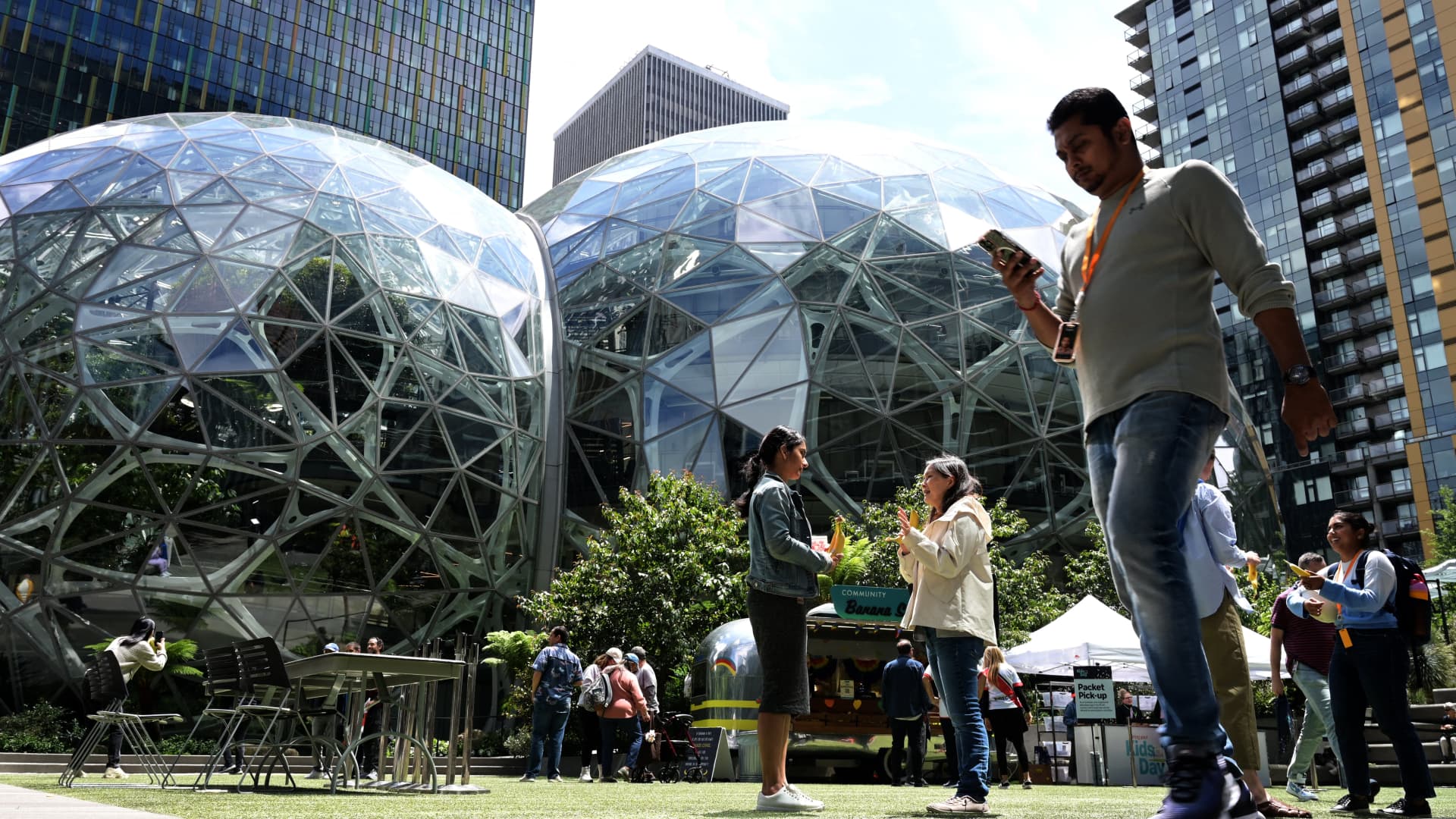
Amazon is currently investigating several engineers who publicly criticized the company’s aggressive AI Data Center Expansion strategy, calling for stronger government regulation on these energy-intensive projects. This development highlights a growing tension between corporate growth ambitions in artificial intelligence and rising employee and public concerns over environmental impact and corporate transparency.
Seattle has already implemented a moratorium on new data center construction, reflecting broader municipal and community anxieties surrounding the significant resource demands of AI infrastructure.
🚀 Tech Strategy & Market Disruptions
- Regulatory Headwinds Emerge. Local government bodies are increasingly scrutinizing AI infrastructure, leading to moratoriums and potential policy shifts that could slow expansion for major tech players.
- Employee Activism Intensifies. Internal dissent over environmental impact and ethical AI development is becoming a significant factor, potentially affecting talent retention and corporate reputation within the rapidly evolving technology market trends.
- Sustainability vs. Innovation Trade-off. The drive for “all-costs-justified AI build out” faces growing pressure to balance rapid computational growth with sustainable energy consumption and responsible resource management.
Five Amazon engineers recently testified before the Seattle City Council, advocating for a pause in large-scale data center construction to allow for comprehensive regulation. Their criticism centered on the substantial AI spending by tech giants, describing it as an “all-costs-justified AI build out.” Following their testimony, three of these employees were informed by HR that they were under investigation, with potential disciplinary actions ranging up to termination. According to a complaint filed with the Seattle Office for Civil Rights, Amazon’s actions made the staffers feel “intimidated and uncertain in their future employment” and suggested the company was monitoring their political advocacy. Amazon spokesperson Margaret Callahan stated the company respects employees’ right to voice opinions but maintains policies regarding employees speaking as company representatives without proper procedures. The company is investigating whether these policies were violated, denying any plans to terminate employees or tolerate retaliatory behavior.
- Amazon has committed to spending up to $200 billion this year primarily on AI infrastructure, even while laying off 30,000 corporate employees since October.
- The Amazon Employees for Climate Justice (AECJ) group, which includes the investigated staffers, has previously pressed Amazon on climate stance and workforce treatment, leading to past employee terminations and settlements.
- A recent Gallup poll revealed that seven in ten Americans oppose local AI data center construction, citing environmental impact and quality-of-life harms.
The ripple effect of this situation is clear: the intense demand for AI infrastructure, while propelling technological advancement, is simultaneously generating significant environmental concerns due to massive energy and water consumption. This environmental footprint then triggers public backlash and local regulatory interventions, such as Seattle’s moratorium. Such interventions could directly impact the timelines and costs of future AI data center expansion projects for companies like Amazon, potentially leading to delays in their AI rollouts and increased operational expenses as they navigate new compliance requirements.
“The rapid proliferation of AI infrastructure demands a parallel evolution in corporate governance and transparency. Companies investing heavily in digital transformation must proactively address the societal and environmental externalities, or risk significant operational friction and public trust erosion. Balancing innovation with responsible growth is no longer optional; it’s foundational.”
Examining Amazon’s Market Adoption Challenges
Amazon’s aggressive push into AI, while critical for maintaining its competitive edge in cloud computing and e-commerce, faces an increasingly complex landscape of public perception and regulatory oversight. The current controversy surrounding its data center expansion illustrates a growing challenge: how to reconcile rapid technological advancement with community concerns and environmental responsibility. Public opposition, fueled by fears of increased energy consumption, noise, and strain on local resources, poses a genuine threat to the frictionless deployment of essential infrastructure. This sentiment, further amplified by employee activism, could lead to protracted approval processes, higher compliance costs, and potential project re-scoping. For a company striving to be the ‘world’s largest startup,’ as CEO Andy Jassy aims, navigating these community-level challenges will be as crucial as technological breakthroughs in ensuring smooth market adoption of its AI services and infrastructure. Understanding global tech developments, including public sentiment, is key to sustained growth, as highlighted by publications such as Bloomberg’s technology coverage.
Amazon’s Ecosystem Expansion Potential
Despite the immediate challenges, Amazon’s long-term ecosystem expansion potential remains substantial, particularly within its AWS division which powers a vast array of AI and machine learning initiatives. The company’s commitment to invest heavily in AI infrastructure signals a clear strategic direction to solidify its position as a leading provider of AI-as-a-service. However, the current scrutiny emphasizes that future expansion must integrate sustainability and community engagement as core pillars, not just afterthoughts. Developing more energy-efficient data center designs, exploring renewable energy solutions for its facilities, and fostering transparent communication with local communities will be paramount. A successful path forward involves demonstrating a tangible commitment to responsible growth, thereby mitigating regulatory risks and enhancing brand reputation, critical insights often covered in educational tech insights found on educational tech insights. This proactive approach will unlock further expansion opportunities, allowing Amazon to scale its AI offerings and maintain its competitive lead in emerging technologies.
The Unfolding Impact of Amazon’s AI Data Center Strategy
Amazon’s ongoing investigation into engineers critical of its AI data center expansion marks a significant moment, intertwining corporate governance, employee advocacy, and the environmental footprint of advanced technology. This situation underscores the escalating tension between the relentless pursuit of AI innovation and the pressing need for sustainable development and corporate accountability.
- Increased Regulatory Pressure: Local and potentially federal governments are likely to intensify scrutiny on AI data center power and water consumption.
- Corporate Transparency Demands: The incident amplifies calls for greater transparency from tech giants regarding their environmental impact and internal policies.
- Evolving Employee Relations: Companies may face growing challenges in balancing employee free speech with corporate representation policies, especially on sensitive topics like climate change.
How will major tech companies reconcile their aggressive AI build-out strategies with rising public and regulatory demands for environmental stewardship and corporate responsibility?
📊 StockXpo Analyst’s View
Market Impact: This news could introduce an element of uncertainty into the growth projections for companies heavily reliant on rapid AI infrastructure deployment. While not immediately impacting AMZN’s core financials, it highlights potential future CapEx escalations due to regulatory compliance or forced sustainable build-outs. Investor sentiment might become more attuned to ESG factors when evaluating long-term tech infrastructure plays.
Sector To Watch: The data center and utility sectors are critical. Any regulatory tightening on power consumption or land use will directly affect data center REITs and power providers. Additionally, companies developing energy-efficient cooling or renewable energy solutions for large-scale compute will see increased demand, as explored in the latest tech news from sources like Reuters’ technology desk.
Financial Disclaimer:
StockXpo.com is a financial news aggregator and educational portal, not a registered investment advisor or broker-dealer. All information, news, and analysis provided herein are strictly for educational purposes and do not constitute investment, financial, legal, or tax advice. Investing in the stock market involves high risks, and past performance is not indicative of future results. StockXpo will not be liable for any financial losses or investment damages. Always consult a certified financial advisor before making market decisions.
MORE IN INSIDE TECHNOLOGY

State-Backed Dating App Innovation: Singapore’s Bold Demographic Tech Strategy
Published: Sunday, October 4, 2026 · 3:36 AM

Data Centers Face Global Headwinds: A $119 Billion Investment at Risk
Published: Saturday, October 3, 2026 · 2:48 AM