Published: Thursday, June 18, 2026 · 7:23 PM | Updated: Thursday, June 18, 2026 · 7:23 PM
📊 266 views




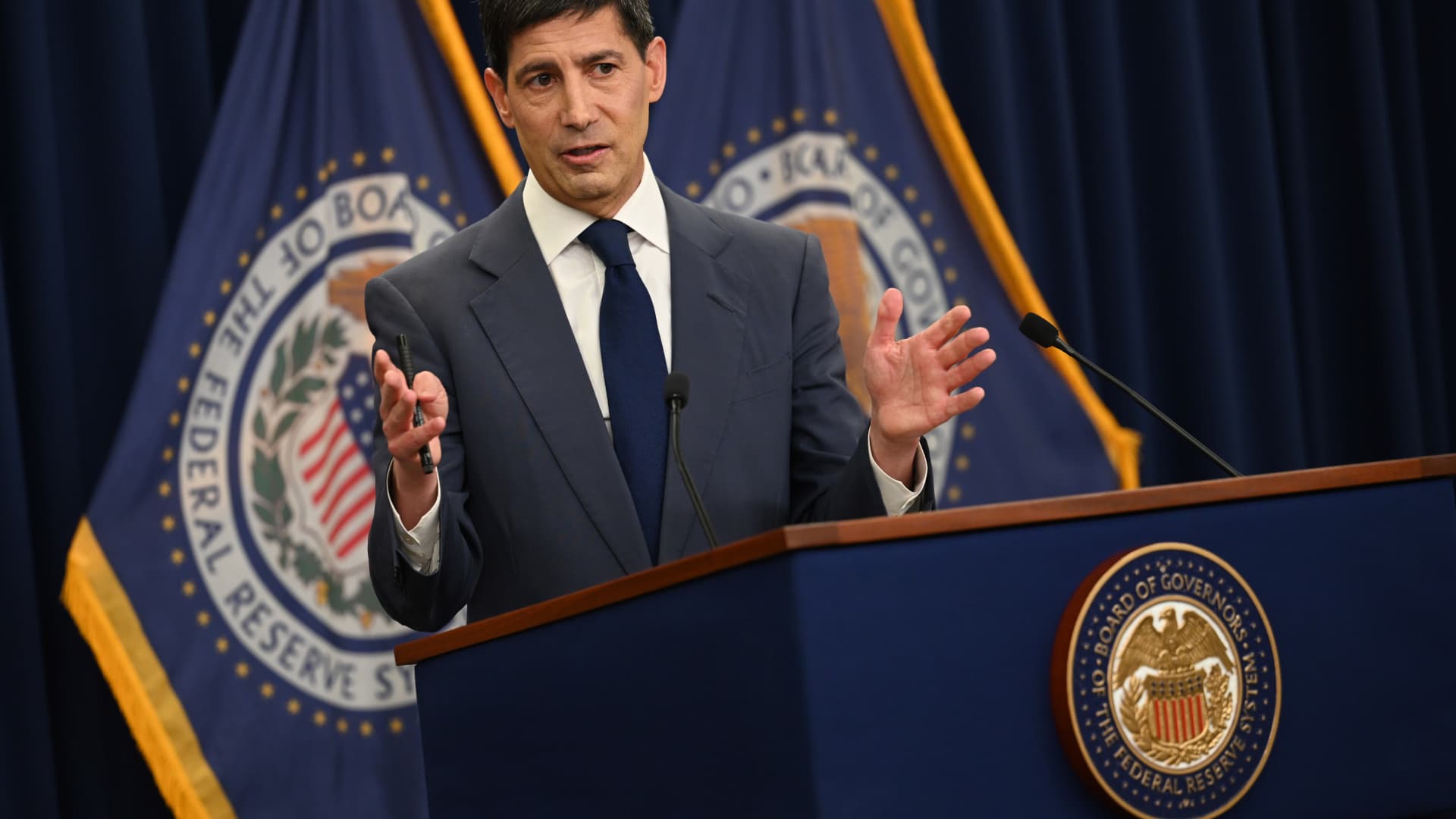
Federal Reserve Chairman Kevin Warsh delivered an unexpectedly hawkish message on inflation, immediately reorienting market expectations for future interest rate policy. This decisive stance, challenging prior assumptions of a dovish approach, triggered significant shifts in Treasury yields and equity markets as investors rapidly adjusted their asset valuations and risk parameters.
💰 Financial Strategy & Market Insights
- Fed’s Hawkish Pivot. Chairman Warsh’s strong stance against inflation, despite expectations of a dovish approach, has recalibrated market outlooks for monetary policy.
- Yields and Rate Hike Bets Soar. The 2-year Treasury yield surged, and futures markets rapidly increased probabilities for Fed rate hikes as early as July or September.
- Contradictory Market Signals. While initial reaction was bearish for stocks, some analysts predict the Fed might hold rates in an election year, citing easing core inflation and falling commodity prices.
The markets received a jolt Wednesday as Federal Reserve Chairman Kevin Warsh delivered an unequivocally hawkish message, prioritizing price stability over perceived political pressures for lower rates. His inaugural news conference, marked by repeated emphasis on fighting inflation that has persisted above the Fed’s 2% target for five years, sent clear signals to traders. This directly contrasted a popular narrative that Warsh, appointed by President Donald Trump, would lean dovish to support economic growth.
The immediate market reaction was palpable. The 2-year Treasury yield, often a barometer for near-term Fed policy, surged dramatically during his remarks. Simultaneously, futures market probabilities for an interest rate hike at the July 28-29 meeting climbed to approximately 33%, with odds for a September increase spiking to 67%, according to data compiled by leading financial news providers. This suggested that investors were quickly digesting and pricing in a much tighter monetary policy outlook.
- Chairman Warsh’s commitment to ‘unambiguous and unanimous’ price stability challenged pre-existing market assumptions about his dovish tendencies.
- The re-evaluation of the Fed’s trajectory, particularly regarding the Hawkish Warsh Fed, prompted a swift repricing across short-term interest rate derivatives.
Market veteran Ed Yardeni of Yardeni Research encapsulated the sentiment, stating he was ‘blown away’ by Warsh’s commitment to orthodox inflation-fighting, directly contradicting his prior assessment of Warsh as a dove. This pivot initially sent stock market averages diving, reflecting investor apprehension about higher borrowing costs and tighter liquidity conditions. However, the market sentiment showed signs of stabilization and reversal on Thursday, as traders began to look past the immediate shock and consider other factors, such as positive developments in the Iran war and potential for lower energy costs, as reported by major financial news agencies. This allowed stocks to rally, with yields flattening or even falling slightly.
- Upside:
- Successful inflation containment could stabilize long-term asset valuations and reduce economic uncertainty.
- A credible Fed commitment to price stability could restore investor confidence in monetary policy effectiveness.
- Potential for eventual easing if inflation pressures genuinely abate, supporting growth-oriented assets.
- Downside Risks:
- Aggressive rate hikes could slow economic growth more than anticipated, potentially leading to recessionary pressures.
- Increased borrowing costs could negatively impact corporate earnings, especially for highly leveraged companies.
- Continued market volatility as investors grapple with shifting Fed narratives and economic data.
A ‘hawkish’ stance in monetary policy refers to a central bank’s inclination to prioritize controlling inflation, often through interest rate increases or tighter money supply, even if it risks slowing economic growth. Conversely, a ‘dovish’ stance prioritizes economic growth and employment, favoring lower interest rates and looser monetary policy.
- 2-year Treasury Yield Reaction: Soared immediately after Warsh’s comments.
- July Rate Hike Probability: Climbed to ~33% post-conference.
- September Rate Hike Probability: Spiked to ~67% midday Thursday.
- Market-implied Fed Funds Rate (May 2031): Stood at 4.78%, suggesting up to five hikes from current 3.50%-3.75%.
- Core Inflation (May): Up just 0.2% for the month.
- Commodity Costs (S&P GSCI index): Up 6% since late February, down 17% from May peak.
Treasury Yield Curve Dynamics: Navigating the Inversion Risk
The sudden spike in short-term Treasury yields following the Hawkish Warsh Fed commentary immediately brought the yield curve into focus. While the long end of the curve was less impacted, the significant move in the 2-year yield signals a tightening of financial conditions at the front end. An inverted yield curve, where short-term yields are higher than long-term yields, has historically been a reliable, though not infallible, indicator of impending economic slowdowns or recessions. Investors are now closely watching whether the Fed’s aggressive stance will push short-term yields further, potentially compressing or even inverting parts of the curve, which would have profound implications for the financial sector.
Market Sentiment Tracker: From Shock to Measured Optimism
The initial market reaction to Chairman Warsh’s pronouncements was one of clear shock, leading to a broad sell-off in equities and a surge in volatility. This reflects the deep entrenchment of the ‘dovish Fed’ narrative among many market participants. However, the subsequent recovery in stock prices and stabilization of yields suggest that underlying sentiment is more nuanced. Investors appear to be weighing the Fed’s commitment to inflation control against other factors, such as geopolitical de-escalation and the potential for organic easing of supply-side pressures. This dynamic interplay highlights the complexity of current market analysis, where multiple, often conflicting, signals influence investor behavior.
The Hawkish Warsh Fed: A New Era for Price Stability?
The initial shockwave from the Hawkish Warsh Fed has begun to subside, but its implications for future monetary policy and asset markets remain significant. While the market quickly repriced the probability of near-term rate hikes, some analysts suggest a cautious approach from the Fed, especially given an election year and potential for underlying inflation pressures to ease independently.
- The Fed’s unequivocal commitment to price stability is a fundamental shift in its public narrative, regardless of actual rate movements.
- Market liquidity will likely remain sensitive to inflation data and any further signals from the FOMC.
- Asset valuations, particularly in growth sectors, will continue to be highly reactive to real and perceived changes in interest rate expectations.
Can the Warsh Fed navigate its inflation-fighting mandate without stifling economic growth, or will its firm stance ultimately lead to an unforeseen market correction?
📊 StockXpo Analyst’s View
Market Impact: The sudden hawkish pivot by the Federal Reserve, led by Chairman Warsh, injected considerable volatility into bond markets and led to an immediate repricing of interest rate expectations. This shift could tighten financial conditions, impacting corporate borrowing costs and potentially dampening consumer spending. While initial stock market reactions were negative, the subsequent recovery suggests investors are balancing inflation concerns with other positive macro developments.
Sector To Watch: Given the increased likelihood of higher rates, the financial sector, particularly regional banks and insurance companies, might see improved net interest margins. Conversely, highly leveraged growth stocks and sectors reliant on cheap capital, such as certain technology and real estate segments, could face headwinds due to higher financing costs and discounted future earnings. Investors should closely monitor commodity producers, as their pricing power directly impacts inflation metrics and thus the Fed’s calculus, offering educational financial insights.
Financial Disclaimer:
StockXpo.com is a financial news aggregator and educational portal, not a registered investment advisor or broker-dealer. All information, news, and analysis provided herein are strictly for educational purposes and do not constitute investment, financial, legal, or tax advice. Investing in the stock market involves high risks, and past performance is not indicative of future results. StockXpo will not be liable for any financial losses or investment damages. Always consult a certified financial advisor before making market decisions.
MORE IN INSIDE FINANCE
AI Stock Boom Fuels $67 Billion Equities Growth for Wall Street Giants
Published: Wednesday, October 21, 2026 · 11:03 AM
New Risks Emerge: Global Finance Chiefs Highlight Debt, AI, and Geopolitical Volatility
Published: Tuesday, October 20, 2026 · 2:12 AM