Published: Monday, June 29, 2026 · 3:33 AM | Updated: Monday, June 29, 2026 · 3:33 AM
📊 298 views




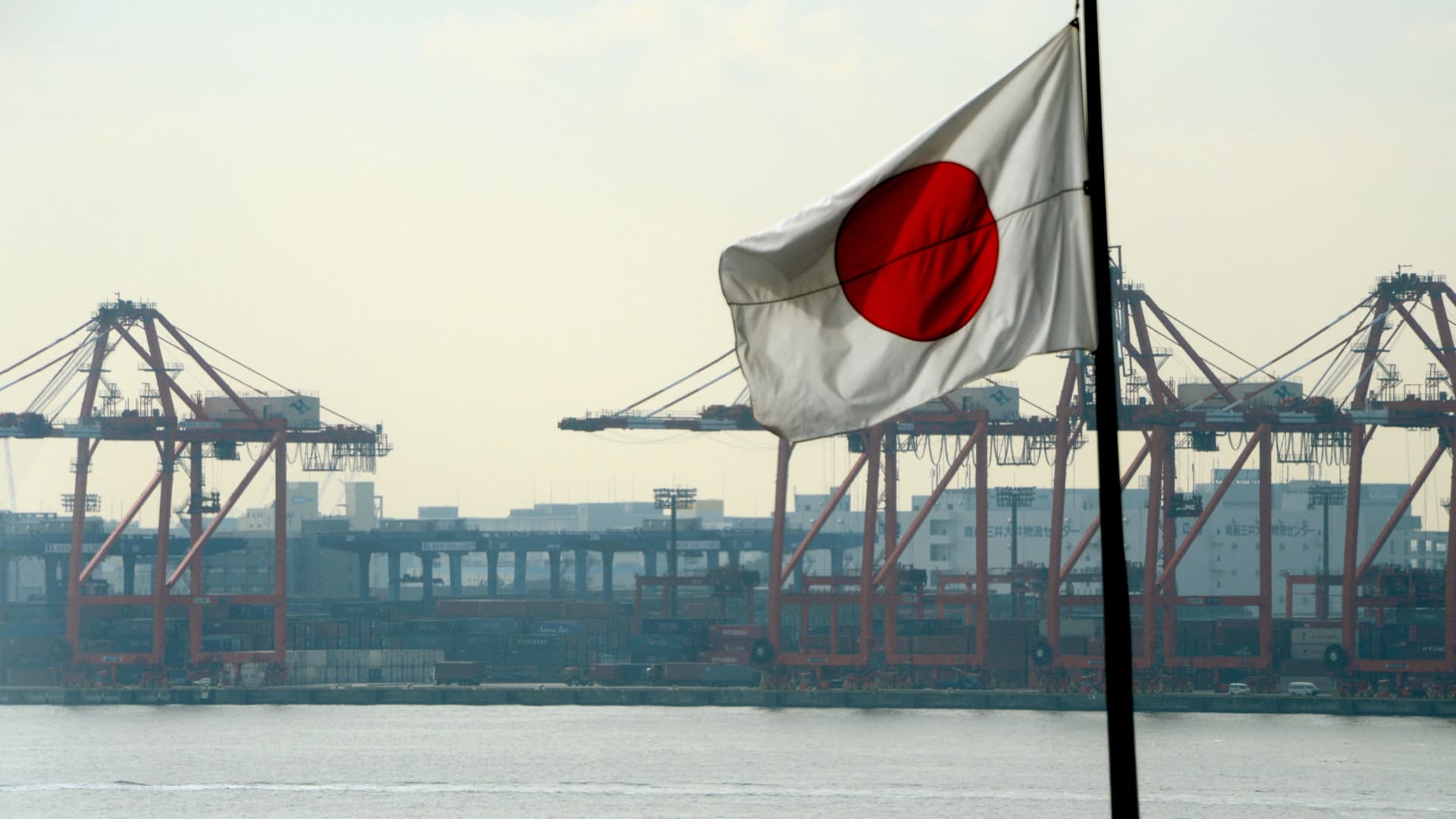
China has significantly escalated its trade restrictions against Japan, blacklisting defense research institutes and imposing tighter export controls on a range of Japanese companies involved in dual-use goods. This aggressive move signals a deepening economic fissure between the two Asian powerhouses, with potential ripple effects across global supply chains and stock markets.
📊 Macro-Economic Strategic Insights
- Escalating Economic Statecraft. China’s latest actions represent a clear acceleration of economic tools in geopolitical competition, targeting critical defense and dual-use sectors.
- Impact on Dual-Use Supply Chains. The restrictions on Chinese-origin dual-use items will force Japanese firms to rapidly diversify their sourcing, potentially increasing costs and development timelines.
- Geopolitical Underpinnings. This policy shift is directly linked to Japan’s perceived stance on Taiwan and increased defense posture, highlighting the intricate link between security and trade.
Understanding China’s Expanding Restrictions on Japan
China’s Ministry of Commerce recently announced a significant widening of its export control list, directly targeting Japanese defense research institutes and several prominent companies. Twenty entities, including the National Institute for Defense Studies and research centers focusing on ground, naval, and air systems, have been blacklisted. This means domestic and overseas entities are now prohibited from transferring Chinese-origin dual-use items to these specific organizations. Firms like Mitsubishi Electric and Mitsubishi Heavy Industries, key players in Japan’s industrial and defense complex, saw several units targeted by these measures.
Simultaneously, an additional 20 entities, including Mitsui E&S Co., drone manufacturer Terra Drone Corporation, and units of OKI Electric Industry, were placed on a watch list. These entities will face enhanced licensing scrutiny, with Beijing explicitly stating that exports involving Japanese military users or applications that could bolster Japan’s defense capabilities will not be approved. This marks a continuation of a campaign initiated in January, which has progressively tightened restrictions on Japanese military-linked entities and dual-use exports, according to recent Bloomberg reports.
- The initial phase in January banned dual-use exports to Japanese military users.
- February saw 20 more entities added to the control list, including subsidiaries of IHI Corp. and Kawasaki Heavy Industries.
- Another 20 firms, such as Subaru Corp. and TDK Corp., were placed on the watch list in February.
Beijing attributes these measures to Japan’s alleged lack of remorse for past actions and its accelerated “new-style militarism,” a reference to Japan’s increased defense spending and rhetoric concerning regional security, particularly around Taiwan. While China insists these restrictions will not impact ‘normal bilateral economic and trade activities,’ the targeting of major industrial groups signals a new phase of economic friction. Investors have reacted with mixed sentiment, as seen with Mitsubishi Electric’s stock sliding around 1%, while Mitsubishi Heavy Industries saw a gain of 4.9%, indicating complex market interpretations of the immediate impact. This dynamic highlights the unpredictability in global macroeconomic policy shifts.
The Ripple Effect: Economic Cause and Effect
China’s latest Japan export curbs are poised to generate discernible economic ripple effects across both national and international arenas:
* Export Restrictions → Supply Chain Re-evaluation → Increased Sourcing Costs for Japanese Firms. Japanese companies, particularly those involved in defense, aerospace, and advanced manufacturing, will be compelled to find alternative suppliers for critical Chinese-origin components and raw materials. This diversification will likely lead to higher procurement costs and potential delays in production and R&D.
* Geopolitical Tensions → Heightened Investment Risk → Capital Market Volatility. The escalation in trade friction amplifies geopolitical uncertainty in the Asia-Pacific region. This can deter foreign direct investment into both China and Japan in sensitive sectors, leading to increased volatility for equities, especially those of blacklisted or watch-listed companies.
* Targeted Industries → Innovation Push or Stifled Growth → Long-term Sectoral Shifts. While initially disruptive, the restrictions might spur Japanese firms to accelerate domestic innovation and self-sufficiency in critical technologies. Conversely, if substitutes are difficult to find, certain sectors could face stifled growth or reduced competitiveness on the global stage.
Expert Insight on Dual-Use Goods: ‘Dual-use goods’ refer to items, materials, or technologies that can be used for both civilian and military applications. Examples range from advanced semiconductors and specialized chemicals to navigation systems and drone components. Controlling their export is a common tool in geopolitical strategy to limit an adversary’s military or technological advancement, highlighting the critical intersection of commerce and national security.
Key Market Indicators and Initial Reactions
While comprehensive trade data on the immediate impact of these specific curbs is still emerging, initial market reactions and relevant economic metrics provide a snapshot of the landscape:
- Mitsubishi Electric Stock Performance: -1% following the announcement. This reflects immediate investor concerns over the impact of restrictions on a diversified industrial giant.
- Mitsubishi Heavy Industries Stock Performance: +4.9% post-announcement. This counter-intuitive rise might suggest investor confidence in the company’s resilience, its ability to reorient supply chains, or anticipation of increased domestic defense spending as Japan seeks self-reliance.
- Bilateral Trade Value (Q1 2024 Outlook): Expected pressure on year-over-year growth. The continuous imposition of export controls highlighted by Reuters suggests a gradual deceleration in specific sectors of Sino-Japanese trade, necessitating careful monitoring of official trade figures.
These early indicators, while mixed, underscore the market’s attempt to price in complex geopolitical developments, often leading to divergent outcomes even within the same industry.
Asia-Pacific Geopolitical Stability Under Scrutiny
The latest Japan export curbs underscore a broader fragility in Asia-Pacific geopolitical stability. Japan’s deepening security ties with the U.S. and its increasingly assertive stance on regional issues, particularly Taiwan, are clearly viewed by Beijing as provocative. This tit-for-tat escalation of economic measures and diplomatic rebukes risks creating a more volatile investment climate across the region. For companies operating within these intertwined economies, the need to assess and mitigate geopolitical risk has become paramount, influencing everything from supply chain design to market entry strategies.
Global Supply Chain Resilience Tested
The targeted nature of China’s export restrictions, focusing on dual-use goods, poses a significant challenge to the already strained global supply chain resilience. Companies worldwide, not just those in Japan, are now evaluating their reliance on Chinese components and technologies. The push towards ‘friend-shoring’ or regionalizing supply chains gains further momentum, driven by national security concerns rather than purely economic efficiency. This shift could lead to a fragmentation of global production networks, higher costs for consumers, and slower technological advancement if decoupling intensifies. Such developments require a keen eye on global stock markets.
Japan Export Curbs: Navigating a New Era of Economic Statecraft
China’s latest expansion of Japan export curbs heralds a new, more intense phase of economic statecraft, demanding strategic recalculation from businesses and governments alike. The deliberate targeting of Japan’s defense and dual-use sectors underscores the geopolitical underpinnings of trade policy, moving beyond purely commercial considerations.
- Businesses must undertake robust supply chain diversification and risk assessment strategies.
- Governments will face mounting pressure to bolster domestic industrial capabilities and forge resilient international alliances.
- The long-term implications for technological leadership and innovation in critical sectors remain uncertain.
How will this evolving landscape reshape the delicate balance of economic interdependence and national security in the Indo-Pacific?
📊 StockXpo Analyst’s View
Market Impact: The widening Japan export curbs introduce significant uncertainty, likely increasing volatility for defense-related and high-tech sectors across Asia. While some Japanese firms might experience short-term headwinds from sourcing disruptions, others could see a boost from increased domestic investment in self-sufficiency, creating a complex trading environment. Overall market liquidity could tighten as investors seek safer havens amidst escalating geopolitical tensions.
Sector To Watch: The defense, aerospace, and advanced materials sectors are directly affected and warrant close monitoring. Additionally, companies involved in critical component manufacturing and innovative technologies, especially those less reliant on China, could become attractive long-term investments as nations prioritize supply chain resilience. For more educational insights, visit the StockXpo blog.
Financial Disclaimer:
StockXpo.com is a financial news aggregator and educational portal, not a registered investment advisor or broker-dealer. All information, news, and analysis provided herein are strictly for educational purposes and do not constitute investment, financial, legal, or tax advice. Investing in the stock market involves high risks, and past performance is not indicative of future results. StockXpo will not be liable for any financial losses or investment damages. Always consult a certified financial advisor before making market decisions.
MORE IN INSIDE ECONOMY

UK Inflation Jumps to 3.5%: Cementing Rate Hike Expectations
Published: Wednesday, October 21, 2026 · 2:51 AM

Housing Market Flashes Warning Signs Amid Fed Rate Hikes
Published: Tuesday, October 20, 2026 · 2:17 PM