Published: Thursday, July 23, 2026 · 1:04 PM | Updated: Thursday, July 23, 2026 · 1:04 PM
📊 232 views




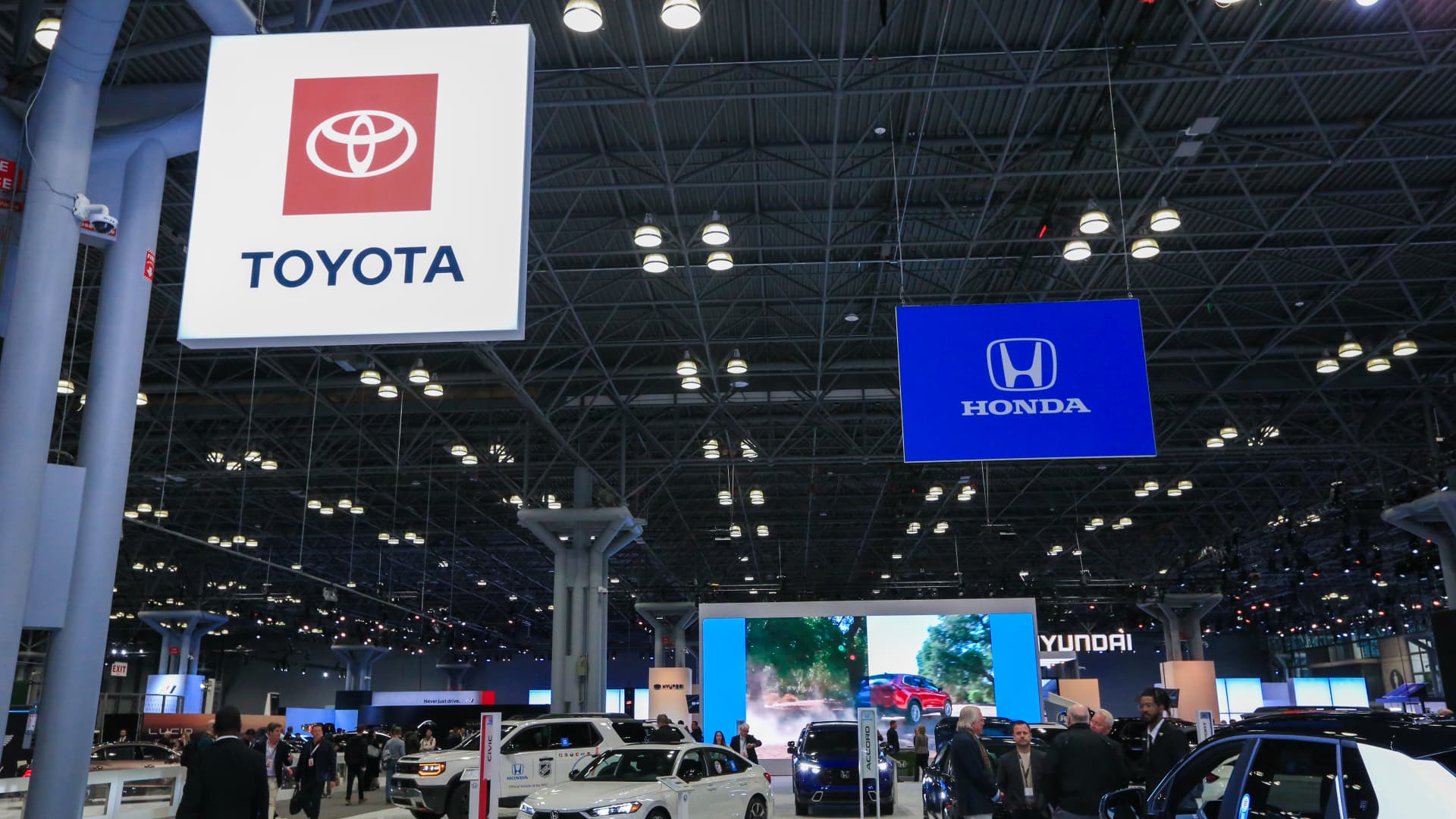
The U.S. automotive landscape is witnessing a significant shift, with the hybrid vehicle market surging in demand, defying earlier predictions that positioned hybrids merely as a temporary bridge to fully electric vehicles. This unexpected growth, reaching a record 15.4% market share in the first half of 2026, has profoundly reshaped competitive dynamics, particularly benefiting a select group of non-American automakers. Their long-term strategic investments are now yielding substantial market leadership and robust sales volumes.
🗝️ Corporate Strategy Insights
- Early Investment Payout. Toyota, Hyundai Motor Group, and Honda’s persistent investments in hybrid technology, even amidst criticism, are now delivering significant market share and revenue.
- Consumer-Centric Product Alignment. These automakers successfully ‘met customers where they were at,’ offering fuel efficiency without requiring changes in driving habits or reliance on nascent charging infrastructure.
- Operational Efficiency Through Scale. Producing large quantities of hybrids with smaller batteries allowed for more effective carbon emission reduction at scale compared to niche pure EV production.
In a remarkable turn for the automotive industry, the hybrid vehicle segment has emerged as the sole growth driver in the U.S. car market, capturing 15.4% of market share in the first half of 2026—nearly triple that of pure electric vehicles. This represents a nearly 20% year-over-year increase, according to the Center for Automotive Research (CAR) and corroborated by industry reports from Reuters. Amidst this boom, three non-American giants — Toyota, Hyundai Motor Group (which includes Hyundai, Genesis, and Kia), and Honda — have solidified an overwhelming collective dominance, controlling 86% of this burgeoning market.
Toyota leads this pack, commanding half of the entire hybrid market, with over 600,000 hybrid sales across its Toyota and Lexus brands in the first half of 2026. This performance has significantly narrowed the sales gap with traditional U.S. market leader General Motors, which has heavily prioritized EVs and offers only one hybrid model in the U.S. (the Corvette E-Ray). Hyundai Motor Group, closely followed by Honda, has strategically expanded its hybrid offerings across a broad range of vehicles, including popular large SUVs, indicating a proactive adaptation to evolving consumer demands. Honda, for its part, reported that hybrids now constitute 31% of its American sales, setting a new U.S. hybrid sales record for the first half of 2026.
- High fuel prices are a primary catalyst, making hybrids’ 30-50% fuel cost savings highly attractive.
- Lingering consumer concerns about EV range anxiety and charging infrastructure remain a significant barrier for full EVs.
- A broader selection of hybrid models, including popular SUV and truck segments, aligns better with American consumer preferences than early, smaller hybrid offerings.
The historical context underscores this current success. While Honda introduced the Insight in 1999, shortly followed by Toyota’s Prius in 2000, hybrids initially struggled for mainstream acceptance, accounting for only 2% of new vehicle sales in the mid-2000s. Toyota, however, maintained a ‘North Star strategy,’ as characterized by CAR’s CEO Elizabeth Krear, committing to the technology despite criticism from activists and shareholders who advocated for a faster transition to pure EVs. This unwavering commitment allowed these companies to refine and improve their hybrid powertrains, culminating in today’s compelling value proposition.
The concentrated dominance in the hybrid vehicle market by Toyota, Hyundai Motor Group, and Honda creates a significant strategic ripple effect across the automotive industry. Their early and sustained investments directly translated into superior market share, as evidenced by Toyota’s 50% hybrid market control. This strategic foresight has enabled robust revenue streams and enhanced profitability, particularly as consumer preferences unexpectedly pivot back towards hybrid powertrains due to fuel economy concerns and EV charging anxieties.
This success puts immense pressure on competitors, particularly American automakers like General Motors, Ford, and Stellantis, who predominantly bet on an all-electric future. The immediate effect is a lost opportunity in a rapidly expanding segment, potentially impacting their overall U.S. sales volumes and market positioning. Product portfolios will need rapid re-evaluation and diversification. The competitive landscape shifts from a binary EV vs. ICE narrative to a more nuanced one where hybrid capabilities offer a critical middle ground, effectively becoming a new competitive moat, a trend noted by market observers at Bloomberg.
“Toyota’s unwavering commitment to hybrid technology, even when facing external pressure, has proven prescient. Their ‘North Star strategy’ of reducing carbon emissions at scale with smaller batteries truly met customers where they were at, providing meaningful fuel savings without requiring infrastructure changes or new driving habits.”
The following metrics highlight the strategic success of the leading hybrid manufacturers in the U.S. market during the first half of 2026:
| Metric | Value | Significance |
|---|---|---|
| U.S. Hybrid Market Share (H1 2026) | 15.4% | Indicates robust growth, nearly tripling pure EV share. |
| Hybrid Sales Growth (YoY, H1 2026) | ~20% | Highlights the segment’s rapid expansion as other propulsion systems decline. |
| Top 3 Automakers’ Combined Hybrid Market Share | 86% | Demonstrates extreme market concentration and competitive advantage. |
| Toyota’s Hybrid Market Share | 50% | Showcases Toyota’s unparalleled leadership and operational scale. |
These figures underscore the strategic dividends reaped by automakers who committed to hybrid development, illustrating a clear divergence from the broader industry trend focused exclusively on EVs.
Toyota’s Enduring Hybrid Advantage and Future Outlook
Toyota’s pioneering role in hybrid technology, initiated with the Prius in the late 1990s, has now crystallized into a decisive competitive advantage. The company’s strategy wasn’t just about market entry; it was about long-term commitment and continuous improvement, allowing them to scale production and refine efficiency over decades. This deep institutional knowledge and extensive supply chain for hybrid components make it incredibly difficult for latecomers to catch up. Furthermore, Toyota’s expansive hybrid portfolio, ranging from compact cars to luxury SUVs under Lexus, ensures broad market appeal, cementing its leadership position. This diversification offers consumers a pragmatic, fuel-efficient alternative without the dependency on developing charging infrastructure, which is a significant factor in current market dynamics. For investors looking for steady performers in changing energy markets, understanding these operational strengths is key to informed stock markets investment analysis.
Honda’s Strategic Hybrid Integration and Market Resurgence
Honda, a historical rival in engine technology, has also made a significant comeback in the hybrid space, particularly after facing challenges with its EV restructuring efforts. The company’s ability to integrate hybrid systems into popular models, accounting for 31% of its U.S. sales, reflects a shrewd recognition of evolving consumer needs. Despite a reported $16 billion charge related to its EV division, its hybrid success underscores the resilience of a diversified powertrain strategy. Honda is now planning new hybrid systems specifically designed for larger vehicles, aiming to maintain its competitive edge as demand shifts towards bigger segments. This adaptive approach highlights the importance of balancing future-forward technologies with current market realities, a crucial element for sustained corporate growth and company strategy.
The Hybrid Vehicle Market: A Turning Point for Automotive Strategies
The resurgence of the hybrid vehicle market marks a critical inflection point for global automakers, demonstrating that a multi-pronged approach to electrification, rather than an exclusive focus on EVs, is currently resonating most with consumers. The early, persistent investments by Toyota, Hyundai Motor Group, and Honda have delivered a formidable competitive moat, leaving rivals scrambling to adapt their product pipelines. This dynamic underscores the complex interplay of technology, consumer sentiment, and infrastructure readiness in shaping automotive market leadership.
- The current market favors pragmatic solutions that offer fuel efficiency without compromising convenience or relying on nascent charging networks.
- Legacy automakers heavily invested in pure EVs face increasing pressure to diversify their offerings with competitive hybrid models.
- Operational efficiency and supply chain mastery in hybrid componentry are proving to be significant barriers to entry for new players.
Will this renewed hybrid momentum force a fundamental re-evaluation of long-term electrification roadmaps across the entire industry?
📊 StockXpo Analyst’s View
Market Impact: This news suggests a recalibration of investor expectations regarding the pace of EV adoption. While the long-term shift towards electrification remains, the robust performance of hybrids indicates a more protracted transition period. Companies with strong hybrid portfolios are likely to see increased investor interest, potentially drawing capital away from pure-play EV manufacturers in the short to medium term. The market may re-rate traditional automakers based on their hybrid capabilities and operational efficiency, leading to a period of sector rebalancing.
Sector To Watch: The automotive components sector, specifically suppliers of hybrid-specific powertrains, batteries, and power electronics, stands to benefit significantly. Additionally, oil and gas companies might experience slightly extended demand for gasoline as hybrid sales increase, although the overall trend towards reduced fossil fuel consumption continues. This also creates opportunities for educational platforms offering deeper insights into these market shifts for informed investment decisions.
Financial Disclaimer:
StockXpo.com is a financial news aggregator and educational portal, not a registered investment advisor or broker-dealer. All information, news, and analysis provided herein are strictly for educational purposes and do not constitute investment, financial, legal, or tax advice. Investing in the stock market involves high risks, and past performance is not indicative of future results. StockXpo will not be liable for any financial losses or investment damages. Always consult a certified financial advisor before making market decisions.
MORE IN INSIDE BUSINESS

Nike India Campus: A Strategic Growth Bet Amidst Turnaround Challenges
Published: Friday, October 16, 2026 · 8:36 AM
Fuel Economy Targets: A Multi-Billion Dollar Boost for Automakers
Published: Thursday, October 15, 2026 · 9:58 AM