Published: Monday, July 13, 2026 · 2:17 PM | Updated: Monday, July 13, 2026 · 2:17 PM
📊 196 views




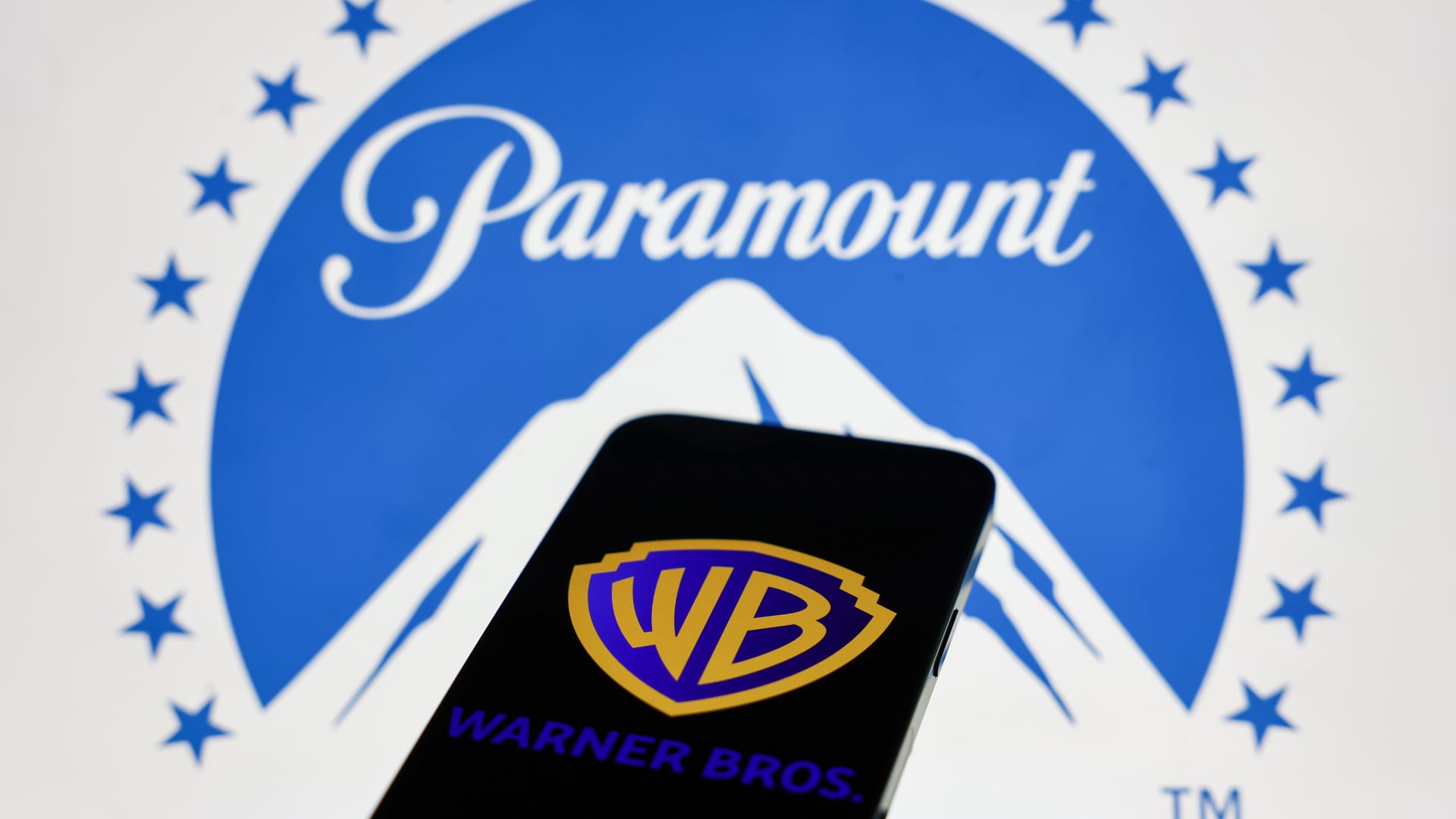
A proposed Paramount-WBD merger is now confronting a significant legal challenge, with multiple state attorneys general reportedly preparing an antitrust lawsuit as early as Monday. This unexpected move threatens to derail a media consolidation valued at $31 per share, even after federal regulators gave their green light, sending a clear signal about intensified scrutiny of corporate strategy in the media sector.
🗝️ Corporate Strategy Insights
- Antitrust Hurdles Resurface. Despite federal Department of Justice approval, state attorneys general are challenging the Paramount-WBD merger on competition grounds, indicating varied regulatory perspectives on market concentration.
- Media Powerhouse Formation. The proposed deal would unite major film studios (Paramount, Warner Bros.), streaming platforms (Paramount+, HBO Max), and a vast network portfolio (CBS, MTV, BET, CNN, TNT).
- Industry Consolidation Trend. This merger reflects the broader trend of consolidation in the entertainment industry, driven by the need for scale to compete in streaming and content production.
The anticipated lawsuit, led by California Attorney General Rob Bonta, aims to block the combination of Paramount Skydance and Warner Bros. Discovery (WBD) on antitrust grounds. This development emerges despite the U.S. Department of Justice (DOJ) having already signed off on the tie-up in mid-June, stating it found no likely harm to competition or American consumers. The divergence in regulatory opinion highlights the complex and often fragmented landscape companies navigate when pursuing large-scale mergers. The deal, which won WBD shareholder approval in April, was initially expected to close by September, as stated by Paramount CEO David Ellison.
This proposed union would create a formidable entity in the media landscape, encompassing two iconic film studios, Paramount and Warner Bros., alongside their respective streaming platforms, Paramount+ and HBO Max. Ellison previously indicated these services would merge post-acquisition. Furthermore, the combined entity would boast the largest portfolio of TV networks in the U.S., integrating Paramount’s CBS, MTV, and BET with WBD’s CNN, TNT, and other channels. Hollywood figures have expressed concerns, fearing fewer film releases and potential job losses, though Ellison has committed to a slate of 30 movies annually and job protection. For deep insights into such corporate shifts, exploring diverse company strategy analyses is crucial.
The path to this merger has been circuitous. Ellison’s Skydance initially set sights on WBD last September. After completing its own merger with Paramount, Skydance launched a hostile takeover bid for WBD, which had previously agreed to sell its film studio and streaming assets to Netflix. Paramount subsequently sweetened its offer, leading Netflix to abandon its deal, and Paramount secured an agreement to acquire WBD’s entirety for $31 per share. The European Union is also still scrutinizing the deal, with a provisional deadline set for July 22, as Paramount submitted concessions to address concerns, according to reports by Reuters.
- Content Library Dominance: The merged entity would control an unparalleled archive of film and television content, from classic Warner Bros. franchises to CBS’s vast broadcast catalog.
- Cross-Platform Synergy: A combined streaming service could leverage existing subscriber bases and cross-promote content more effectively, aiming for cost efficiencies and reduced churn.
- Advertising Power: The consolidated TV network portfolio would command immense advertising market share, potentially increasing pricing power and reach for advertisers.
The state-level antitrust challenge introduces significant uncertainty, causing a ripple effect across the media industry. Should the Paramount-WBD merger be blocked, it could signal a more aggressive stance from state regulators against consolidation, potentially chilling future M&A activities in sectors like media, telecom, and tech. Competitors such as Disney, Comcast (NBCUniversal), and Amazon (MGM Studios) would closely watch the outcome, as a successful block could limit their own strategic options for scale and content acquisition. Conversely, if the merger proceeds despite state objections, it could embolden other companies to pursue aggressive consolidation strategies, intensifying competition for market share in both traditional broadcast and streaming arenas. The immediate impact on investor sentiment for both WBD and Paramount Global (PSKY) could be negative, reflecting the prolonged legal battle and potential for deal collapse, affecting overall stock markets.
The state antitrust lawsuit against the Paramount-WBD merger highlights a critical fault line in regulatory oversight, where federal approval doesn’t necessarily clear the path for large-scale media consolidation. This creates a precedent for increased, multi-jurisdictional scrutiny that could reshape how major industry players plan future growth.
Key operational efficiency indicators and market leadership metrics for a combined Paramount-WBD would likely include:
- Combined Streaming Subscribers: A critical metric reflecting market penetration and revenue potential in the direct-to-consumer space.
- Content Spend Efficiency: How effectively a unified content budget drives subscriber growth and retention, especially important given the high costs of production.
- Advertising Revenue Share: The percentage of the total U.S. TV and digital advertising market captured, demonstrating market leadership in monetization.
- Synergy Realization Targets: Projected cost savings from merged operations, which directly impact profitability and investor confidence.
These indicators are vital for assessing the long-term viability and competitive advantage of any major media merger.
Paramount-WBD Strategic Analysis: Navigating Complex Market Dynamics
The strategic rationale behind the Paramount-WBD merger is rooted in the imperative for scale in a rapidly evolving media landscape. Both companies face significant headwinds from declining linear TV viewership and intense competition in the streaming wars. Combining forces would create a diversified revenue stream spanning theatrical releases, broadcast television, cable networks, and direct-to-consumer streaming. This scale is intended to provide a stronger negotiating position with advertisers and distributors, while also enabling greater investment in original content. However, the antitrust challenge underscores the tension between corporate ambition and public interest concerns regarding market concentration. Successful integration will hinge on Paramount’s ability to unify disparate corporate cultures, streamline overlapping operations, and deliver on projected synergies without alienating key talent or audiences.
Warner Bros. Discovery Competitive Advantages: Content and Reach
Warner Bros. Discovery brings to the table a treasure trove of competitive advantages, primarily its vast and beloved intellectual property library spanning film, television, and animation. Franchises like Harry Potter, DC Comics, and Game of Thrones offer immense global appeal and merchandising opportunities. Its robust studio system, Warner Bros. Pictures, remains a powerhouse in theatrical distribution. On the television front, networks like CNN and HBO maintain strong brand equity and critical acclaim, attracting premium advertisers and subscribers. The company’s global distribution footprint further enhances its reach, allowing content to be monetized across various markets and platforms. Merging this with Paramount’s assets aims to amplify these strengths, creating a media conglomerate with unparalleled content depth and diverse distribution channels. For further educational insights, visit StockXpo’s blog.
Paramount-WBD Merger: A Regulatory Turning Point for Media
The emerging lawsuit against the Paramount-WBD merger marks a pivotal moment for media industry consolidation, demonstrating that federal approval does not guarantee a clear path. This development intensifies the already complex regulatory environment and could force both companies to reassess their strategic calculus for future growth.
- The multi-state antitrust challenge could lead to a prolonged legal battle, increasing transaction costs and delaying synergy realization.
- Investors will keenly monitor the legal proceedings, as the outcome will significantly impact the valuations and strategic flexibility of both Paramount and WBD.
- The precedent set by this case may influence how other large media companies approach future mergers and acquisitions, potentially encouraging smaller, more targeted deals.
Will this state-level intervention fundamentally reshape the future of media mergers, or is it a temporary setback for two giants determined to scale?
📊 StockXpo Analyst’s View
Market Impact: This news introduces considerable uncertainty, likely exerting downward pressure on Paramount Global (PSKY) and Warner Bros. Discovery (WBD) share prices in the short term. The prolonged legal battle could drain resources and distract management, impacting operational efficiency. Investor sentiment towards media consolidation might sour, leading to a broader re-evaluation of valuation multiples for companies engaged in, or considering, similar large-scale mergers.
Sector To Watch: The broader entertainment and media sector, particularly companies with significant streaming and content assets, will be under intense scrutiny. This includes players like Disney, Netflix, and Comcast. Regulatory actions against major consolidations could open opportunities for niche content providers or smaller studios to gain market share, as giants face more hurdles in expanding their competitive moats through M&A.
Financial Disclaimer:
StockXpo.com is a financial news aggregator and educational portal, not a registered investment advisor or broker-dealer. All information, news, and analysis provided herein are strictly for educational purposes and do not constitute investment, financial, legal, or tax advice. Investing in the stock market involves high risks, and past performance is not indicative of future results. StockXpo will not be liable for any financial losses or investment damages. Always consult a certified financial advisor before making market decisions.
MORE IN INSIDE BUSINESS
American Airlines loss forecast: Strategic Capacity Slowdown Expected
Published: Thursday, October 22, 2026 · 8:40 AM

United Airlines Profit Outlook Slashed Amid Fuel Costs, Strong Demand Persists
Published: Wednesday, October 21, 2026 · 7:30 AM