
Published: Sunday, August 2, 2026 · 2:12 PM | Updated: Sunday, August 2, 2026 · 2:12 PM
📊 78 views




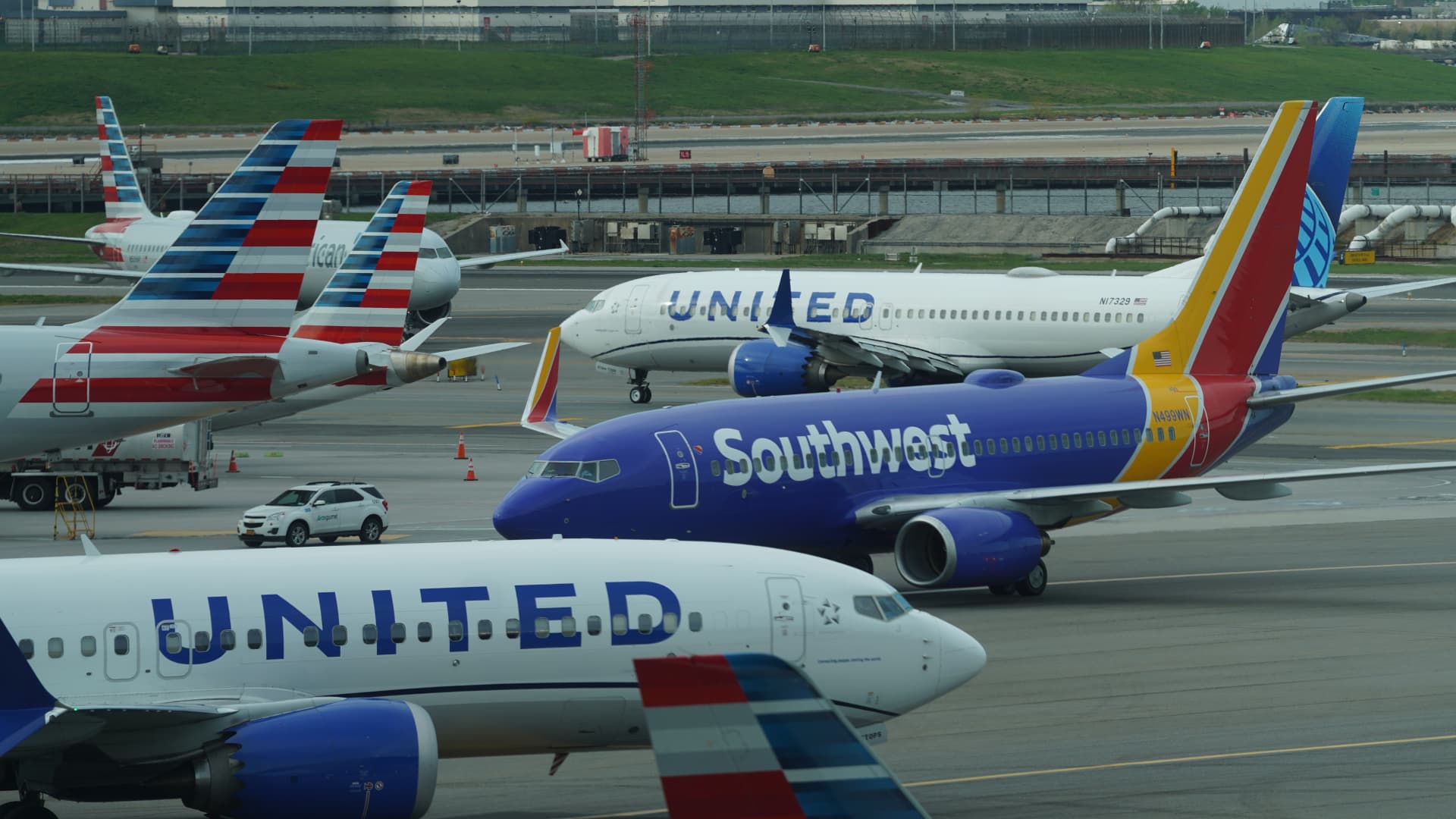
Facing persistent fuel cost surges and heightened operational expenses, major U.S. airlines are demonstrating remarkable pricing power, maintaining significantly higher fares even as the summer travel season concludes. This sustained ability to pass on costs reflects a fundamental shift in market dynamics and passenger willingness to pay for travel, signaling a robust demand environment despite economic pressures.
🗝️ Corporate Strategy Insights
- Pricing Power Retention. Airlines like United and Southwest are successfully increasing average fares, with United forecasting unit revenue to exceed Q2 increases for the rest of 2026, demonstrating strong demand elasticity.
- Capacity Management. Faced with volatile fuel prices and geopolitical instability, carriers have strategically pruned schedules and moderated growth, effectively tightening supply to support higher ticket prices.
- Market Consolidation & Diversification. The collapse of Spirit Airlines and the merger of Allegiant and Sun Country have reduced competition, while major carriers introduce premium offerings like first-class seats, catering to varied traveler segments and boosting revenue per passenger.
U.S. airfare saw a substantial 26.5% increase in June compared to the previous year, according to federal data, a trend airline executives expect to continue. Despite these climbing costs, consumers, like Marjorie Aran who paid $800 for a New York to Chicago economy round trip on United Airlines—a route that once cost a couple hundred dollars—are still booking. This robust demand empowers carriers to maintain, and even increase, fares.
Fuel prices remain a significant, volatile expense. United, for instance, anticipates paying roughly $6 billion more for fuel this year than initially projected for 2026, mirroring American Airlines’ forecast of a $6 billion increase from 2025 levels. These dramatic jumps, over 50% for both carriers, underscore the external pressures. Beyond fuel, airlines are also grappling with escalating labor costs, maintenance expenses, and higher airport fees, all of which contribute to the necessity of higher fares. United CEO Scott Kirby highlighted these universal cost pressures, noting that these are shared burdens across the industry.
To mitigate fuel supply risks, Southwest Airlines, for instance, undertook an unprecedented move by shipping over 12 million gallons of jet fuel from Houston to Los Angeles via the Panama Canal in May. This logistical feat, a first for the airline to move fuel by sea to another U.S. destination, illustrates the operational agility and strategic depth required to navigate turbulent commodity markets. Such actions, while costly, ensure operational continuity and protect revenue streams.
* Operational Efficiencies Drive Resilience: Airlines are implementing dynamic scheduling and route adjustments to optimize fuel burn and aircraft utilization, crucial for absorbing cost spikes.
* Demand Elasticity: Despite significant price hikes, traveler demand remains strong, particularly in leisure and increasingly in premium international segments, allowing for sustained fare increases.
* Competitive Landscape Shift: The exit of Spirit Airlines has reduced low-cost capacity, consolidating market power among the remaining major and growing discount carriers.
The Strategic Ripple Effect on Air Travel Dynamics
The ongoing surge in expensive flights stems from a multi-faceted strategic alignment among major carriers, leading to a significant ripple effect across the U.S. air travel market. The direct cause of fare increases—volatile fuel prices and rising operational costs—has been met with a unified industry response: leverage strong consumer demand to bolster profitability. This strategic move has led to a direct increase in average fares, exemplified by Southwest’s average one-way fare rising from $186.65 in Q2 2025 to $225.61 in Q2 2026. This higher revenue per passenger is critical for covering the billions more spent on fuel, labor, and maintenance.
This pricing power has a clear impact on market share dynamics. The four largest U.S. airlines—American, Delta, United, and Southwest—have steadily increased their collective share of U.S. seats flown, reaching 82.1% this year, up from 79.7% in 2022, according to Cirium data. This consolidation is further propelled by the collapse of smaller rivals like Spirit Airlines in May 2026, which instantly removed millions of seats from the market and reduced competitive pressure on prices, allowing remaining carriers to command higher fares. Smaller players like Avelo, Allegiant, and Sun Country are either shrinking or moderating growth, ceding further ground to the giants. Even growing discounters like JetBlue and Frontier are now introducing first-class seating options, signaling a strategic shift to capture higher-yield passengers and diversify revenue streams beyond traditional low-cost models. This collectively translates into reduced competition on many routes, higher barriers to entry for new low-cost airlines, and ultimately, a more favorable pricing environment for incumbents.
“The ability of major U.S. airlines to not only absorb unprecedented cost increases but to also command record pricing power underscores a structural shift in the industry, moving towards sustained profitability through strategic capacity management and diversified revenue streams,” notes a recent report from market intelligence firms.
Airline Cost Pressures and Revenue Response
Airline profitability is increasingly tied to effective cost management and robust demand. The significant increases in core operating expenses necessitate strong revenue generation.
- Fuel Cost Increases: United Airlines expects a $6 billion increase in fuel costs this year compared to initial 2026 projections, while American Airlines projects a $6 billion rise from 2025. This magnitude of increase (over 50%) is a primary driver of higher fares.
- Labor & Maintenance: “Labor costs have escalated dramatically. Maintenance is off the charts in terms of escalation,” United CEO Scott Kirby stated. These are structural cost increases impacting all carriers.
- Pricing Power: Despite these costs, United’s Chief Commercial Officer Andrew Nocella confirmed “minimal to no negative impact on demand from higher price points,” with unit revenue expected to rise further through 2026. This indicates inelastic demand for air travel.
- Market Consolidation: The cessation of Spirit Airlines operations removed significant low-cost capacity, allowing remaining carriers to command stronger pricing. Cirium data shows the top four U.S. airlines now hold 82.1% of seats, up from 79.7% in 2022.
These metrics collectively illustrate a market where demand outstrips supply, enabling airlines to successfully implement price increases and maintain strong financial performance despite volatile input costs.
United Airlines Strategic Analysis: Adapting to Market Dynamics
United Airlines’ strategic response to the current market environment exemplifies a proactive approach to operational efficiency and revenue optimization. The carrier has clearly articulated its ability to pass on significant cost increases, particularly in fuel and labor, directly to consumers without major demand erosion. United’s expectation for unit revenue growth to continue and even exceed Q2 increases through the rest of 2026, as noted by Chief Commercial Officer Andrew Nocella, indicates a deep understanding of its customer base’s price sensitivity—or lack thereof—for essential and leisure travel. This strong pricing power is a direct result of effective route management, capacity discipline (including pruning schedules as fuel costs surged), and a clear focus on the premium segment, evidenced by new offerings that cater to travelers willing to pay for enhanced experiences.
Furthermore, United’s emphasis on global network expansion, competing directly with Delta for Pacific market share, signals a long-term strategy to diversify revenue streams beyond domestic volatility. This international focus, coupled with innovations like selling empty middle seats as an upsell, highlights an agile approach to maximizing revenue from every available seat. These initiatives solidify United’s position in a consolidating market, allowing it to leverage its scale and brand recognition to navigate external shocks while maintaining a path towards consistent profitability.
Airline Industry Competitive Advantages: The Shifting Moat
The competitive landscape in the airline industry has undergone a significant transformation, with established carriers solidifying their moats. Historically, this industry was notoriously fragmented and price-sensitive, with low-cost carriers eroding margins. However, recent events, including geopolitical conflicts impacting fuel supply and the subsequent inflation in operational costs (labor, maintenance, airport fees), have inadvertently strengthened the position of the major players. The most significant competitive advantage now lies in sheer scale and network breadth, which enables fuel hedging, bulk purchasing power, and the operational resilience to absorb shocks that smaller rivals cannot withstand.
Another emerging competitive moat is the diversification of offerings. While discounters traditionally focused solely on low fares, the trend towards introducing first-class seats by JetBlue, Frontier, and Allegiant indicates a strategic shift. These airlines are recognizing the value of capturing higher-yield travelers, moving beyond a purely price-driven model. This ‘upscale’ move, alongside Delta’s ‘basic business’ fares, suggests a nuanced approach to customer segmentation, allowing airlines to cater to a broader spectrum of traveler budgets and preferences while maximizing revenue per flight. Such strategic depth, coupled with robust balance sheets, provides a sustainable advantage in a high-cost operating environment, making it challenging for new entrants to gain traction and for existing smaller players to compete effectively.
Decoding Airline Profitability: The Path Ahead for Expensive Flights
The trajectory for expensive flights appears set, with airline profitability driven by a potent mix of robust consumer demand and tactical operational adjustments. The industry has effectively adapted to higher input costs by leveraging its pricing power, a strategy reinforced by reduced market competition and an ongoing willingness from travelers to prioritize experiences.
- Airlines have demonstrated unprecedented pricing power, with demand proving inelastic despite significant fare hikes.
- Market consolidation, exemplified by Spirit’s exit, has removed competitive pressure, strengthening the position of major carriers.
- Strategic capacity management and diversification into premium offerings are key to sustaining revenue growth amidst cost volatility.
As the industry heads into the post-summer period, can airlines sustain this delicate balance of high demand and elevated fares, or will consumer resistance eventually cap growth?
📊 StockXpo Analyst’s View
Market Impact: The sustained pricing power of major U.S. airlines suggests a more resilient industry structure than previously assumed. This bodes well for investor sentiment, indicating that despite macro-economic headwinds and volatile energy markets, these companies have strong levers to protect and grow their earnings. Market liquidity for airline stocks may remain robust as investors recognize the sector’s ability to navigate cost pressures effectively.
Sector To Watch: While major airlines consolidate their gains, the secondary effect will be felt in travel technology and hospitality sectors. Higher airfares could subtly shift consumer spending within the broader travel budget, potentially impacting ancillary services or hotel stays. Additionally, aviation technology firms focused on fuel efficiency or maintenance cost reduction stand to gain as airlines continue to seek operational efficiencies to complement pricing strategies.
Financial Disclaimer:
StockXpo.com is a financial news aggregator and educational portal, not a registered investment advisor or broker-dealer. All information, news, and analysis provided herein are strictly for educational purposes and do not constitute investment, financial, legal, or tax advice. Investing in the stock market involves high risks, and past performance is not indicative of future results. StockXpo will not be liable for any financial losses or investment damages. Always consult a certified financial advisor before making market decisions.
MORE IN INSIDE BUSINESS
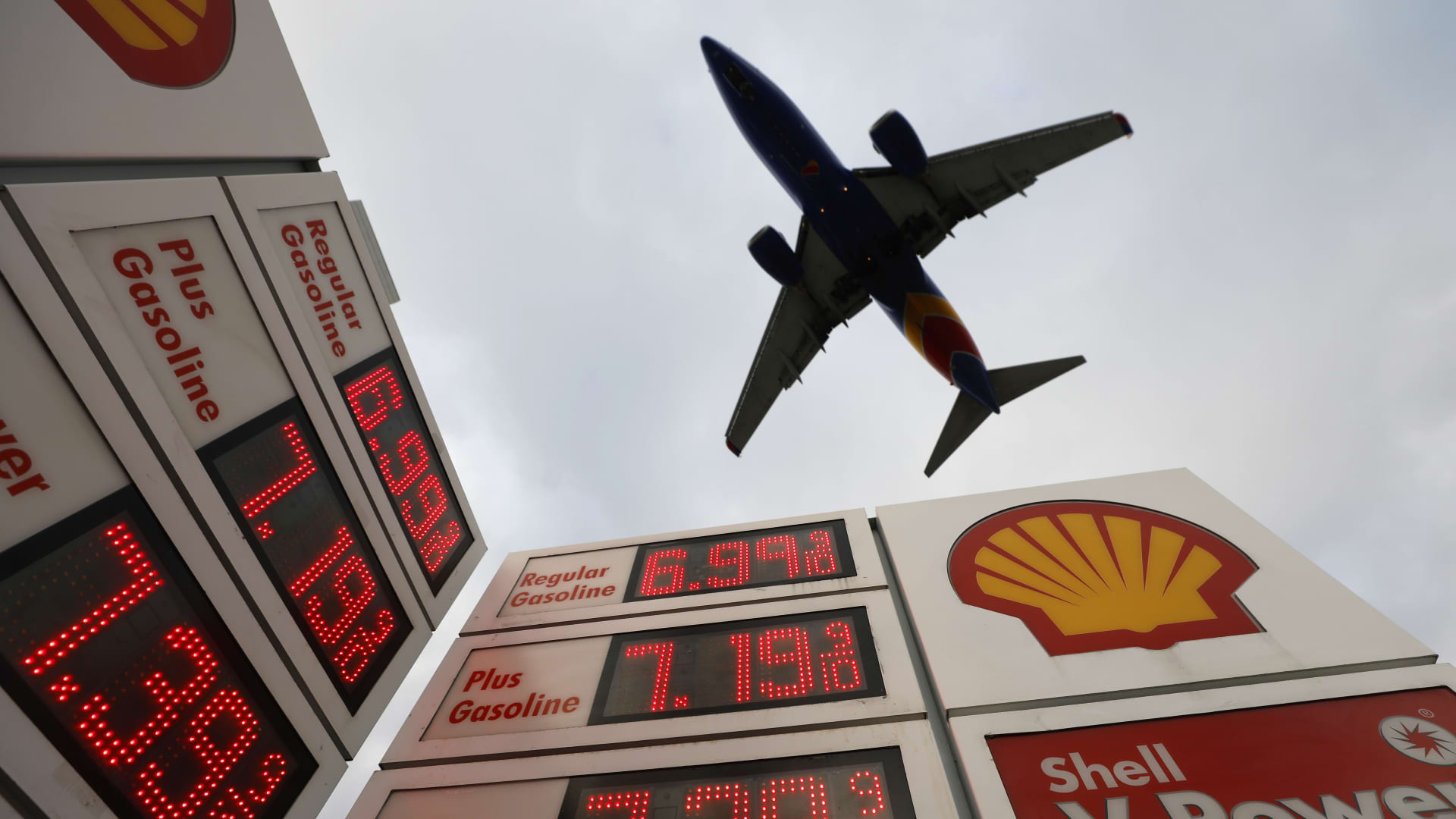
Airline Profits Challenge: Why Rising Airfare Won’t Boost Bottom Lines
Published: Monday, October 5, 2026 · 7:48 AM
Chick-fil-A’s Unwavering Family Strategy Fuels Expansion and Market Leadership
Published: Sunday, October 4, 2026 · 9:09 AM


