Published: Monday, October 5, 2026 · 7:48 AM | Updated: Monday, October 5, 2026 · 7:48 AM
📊 274 views




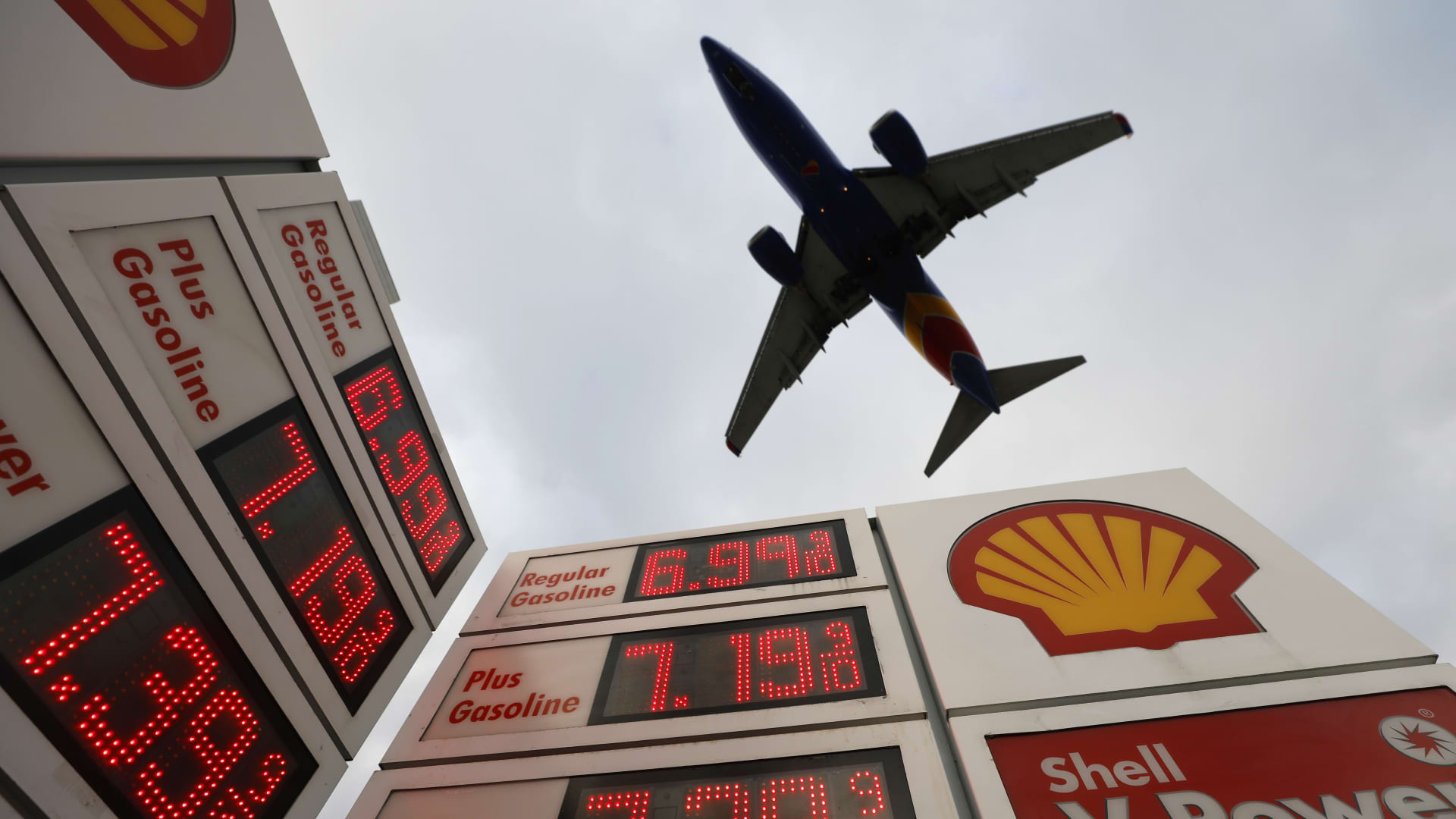
The aviation sector is grappling with a paradox: while travelers face surging ticket prices driven by robust demand, **Airline Profits** are expected to remain constrained. Elevated fuel costs, particularly for jet fuel, are offsetting increased revenue, forcing carriers to strategically manage capacity amidst a volatile economic landscape.
🗝️ Corporate Strategy Insights
- Fuel Cost Impact. Geopolitical tensions and supply chain disruptions have driven jet fuel prices to multi-year highs, becoming the second-largest airline expense after labor, directly eroding profit margins despite higher ticket sales.
- Resilient Demand. Despite rising fares, travel demand remains strong, especially for holiday travel, allowing airlines to pass on some costs but also encouraging capacity adjustments to optimize pricing power.
- Capacity Rationalization. To counteract margin pressure from high fuel costs and volatile market conditions, airlines are strategically cutting unprofitable routes and limiting capacity growth, as seen with the Spirit Airlines collapse, which inadvertently boosts pricing power for remaining carriers.
Despite a strong appetite for travel that is pushing airfare to record highs, the outlook for **Airline Profits** remains significantly dampened by persistent cost pressures. Volatile jet fuel prices, exacerbated by geopolitical events like the Iran war and disruptions in the Strait of Hormuz, have propelled this critical operating expense to multi-year highs. This has effectively nullified much of the revenue upside from increased ticket prices and ancillary fees like checked baggage.
Airlines have actively responded by passing these costs to consumers, with U.S. airfare jumping 23.4% in August year-over-year. Holiday travel, particularly Thanksgiving and Christmas, is seeing fare increases of 31% and 23% respectively, signaling consumers’ willingness to pay more for essential trips. Qantas Airways CEO Vanessa Hudson noted the inability to ‘run the business on the hope’ of fuel cost relief, emphasizing the need for strategic capacity settings.
While security screenings at U.S. airports showed a slight 1% dip through September 2025 compared to the previous year, overall demand remains robust. This robust demand has also encouraged carriers like American Airlines to revamp cabins, adding more luxurious seats to capitalize on premium market segments, even if it means reducing standard coach seating. The collapse of budget carrier Spirit Airlines earlier this year also removed 1% to 2% of market capacity, further bolstering pricing power for remaining operators. Industry analysts like those at Reuters Business have consistently tracked these market dynamics, highlighting the delicate balance airlines must strike.
- High fuel prices are the primary impediment to airline profitability.
- Strong consumer demand, particularly for premium and holiday travel, underpins revenue growth.
- Capacity adjustments and route optimization are key strategies to maintain pricing power and mitigate cost impacts.
- Wall Street analysts have already begun cutting profit estimates for U.S. carriers.
The persistent rise in jet fuel costs creates a significant strategic ripple effect across the airline industry. Initially, it triggers a direct pass-through of expenses to consumers through increased airfares and ancillary charges, leading to robust revenue growth for carriers. However, this revenue surge is often outpaced by the escalating operational costs, eroding profit margins and prompting a more conservative approach to corporate growth and expansion. This environment of high operational costs and diminished profitability leads to strategic capacity rationalization, where airlines trim unprofitable routes and slow fleet expansion, as observed by Raymond James analyst Savanthi Syth. This reduction in available seats, coupled with sustained demand, naturally enhances pricing power for the remaining players in the market, indirectly benefiting full-service and low-cost carriers alike, and potentially paving the way for further market consolidation or competitive shifts, a trend often discussed in investment analysis.
‘You’re going to see more rationalization in capacity,’ observed Savanthi Syth, airline analyst at Raymond James, underscoring the industry’s tactical shift away from aggressive growth towards margin preservation.
Key Financial Indicators Shaping Airline Strategy
Airline financial indicators reveal a complex picture for the sector:
- Airfare Increase (August YoY): 23.4% rise, signaling strong consumer willingness to pay.
- Thanksgiving Fares (YoY): Up 31% to $402 for domestic round-trip, highlighting holiday demand inelasticity.
- Christmas Fares (YoY): Up 23% to $452 for domestic round-trip, reinforcing premium holiday pricing.
- U.S. Airport Screenings (YTD Sep): Down 1% vs. 2025, suggesting higher revenue per passenger offsets slight volume dip.
- Spirit Airlines Capacity Reduction: 1-2% of U.S. market capacity removed post-collapse, directly improving pricing power for competitors.
American Airlines Strategic Reorientation
American Airlines has been proactively addressing the changing market dynamics by reorienting its cabin configurations. CEO Robert Isom highlighted the unprecedented revenue environment, yet the carrier also adjusted its 2026 profit outlook downward, reflecting cost pressures. The strategy involves adding more premium seats to capture higher-yield travelers, a move designed to enhance revenue quality rather than just volume. This shift, while potentially reducing overall seat count, targets lucrative segments, aiming to improve unit revenue amidst escalating operational expenses. Such a reorientation requires significant capital expenditure and careful demand forecasting to ensure the return on investment justifies the structural changes, offering educational insights into airline management.
Delta Air Lines Operational Edge
Delta Air Lines, consistently recognized as one of the most profitable U.S. carriers, stands out due to its unique operational efficiency, particularly its ownership of an oil refinery. This strategic asset provides Delta with a natural hedge against the volatile jet fuel market, a critical advantage when competitors are grappling with record-high fuel costs. This integrated supply chain approach mitigates a significant portion of the airline’s exposure to commodity price fluctuations, allowing for more stable cost structures and a more predictable path to profitability. As the industry faces ongoing fuel price uncertainty, Delta’s distinct position could further solidify its market leadership and provide a blueprint for competitors considering vertical integration, a strategy often covered by Bloomberg Markets.
The Ripple Effect of Airline Profits on 2026 Markets
The aviation sector finds itself at a critical juncture where robust consumer demand clashes with escalating operational costs, primarily fuel. While airlines are successfully pushing up airfares and generating strong revenues, these gains are largely being absorbed by expenses, leading analysts to revise profit forecasts downwards. The coming earnings season will shed more light on how carriers plan to navigate this challenging environment through strategic capacity management and pricing.
- Airlines are prioritizing unit revenue and margin preservation over aggressive capacity expansion.
- Consumer behavior suggests continued willingness to pay higher prices for essential and holiday travel.
- The industry is bracing for potentially reduced profit outlooks for the fourth quarter and into 2027.
Can airlines maintain this delicate balance of high fares and constrained capacity without ultimately dampening the very demand that sustains their revenue?
### 📊 StockXpo Analyst’s View
Market Impact: This dynamic of rising top-line revenue contrasted with struggling **Airline Profits** suggests that investor sentiment might remain cautious, despite strong travel demand. Airlines’ inability to fully translate fare increases into bottom-line growth could limit upward movement in stock valuations. We anticipate a flight to quality towards carriers with stronger cost controls or unique hedges, such as Delta’s refinery. The sector’s sensitivity to geopolitical events and commodity prices will keep trading volatile.
Sector To Watch: While direct airline investment faces headwinds, companies involved in premium travel services, airport infrastructure, and specialized aviation technology that improves fuel efficiency or operational resilience could see increased interest as airlines seek innovative solutions to mitigate cost pressures. Leisure and hospitality sectors tied to resilient travel demand might also continue to show strength, albeit with potential indirect cost pass-throughs.
Financial Disclaimer:
StockXpo.com is a financial news aggregator and educational portal, not a registered investment advisor or broker-dealer. All information, news, and analysis provided herein are strictly for educational purposes and do not constitute investment, financial, legal, or tax advice. Investing in the stock market involves high risks, and past performance is not indicative of future results. StockXpo will not be liable for any financial losses or investment damages. Always consult a certified financial advisor before making market decisions.
MORE IN INSIDE BUSINESS

Wonder’s Ambitious Strategy: Texas Expansion, Automation, and an IPO Path
Published: Sunday, October 25, 2026 · 9:32 AM

Young Airplane Scrapping: A $17 Million Engine Crisis Reshaping Aviation
Published: Saturday, October 24, 2026 · 8:26 AM