Published: Monday, June 29, 2026 · 2:32 AM | Updated: Monday, June 29, 2026 · 2:32 AM
📊 256 views




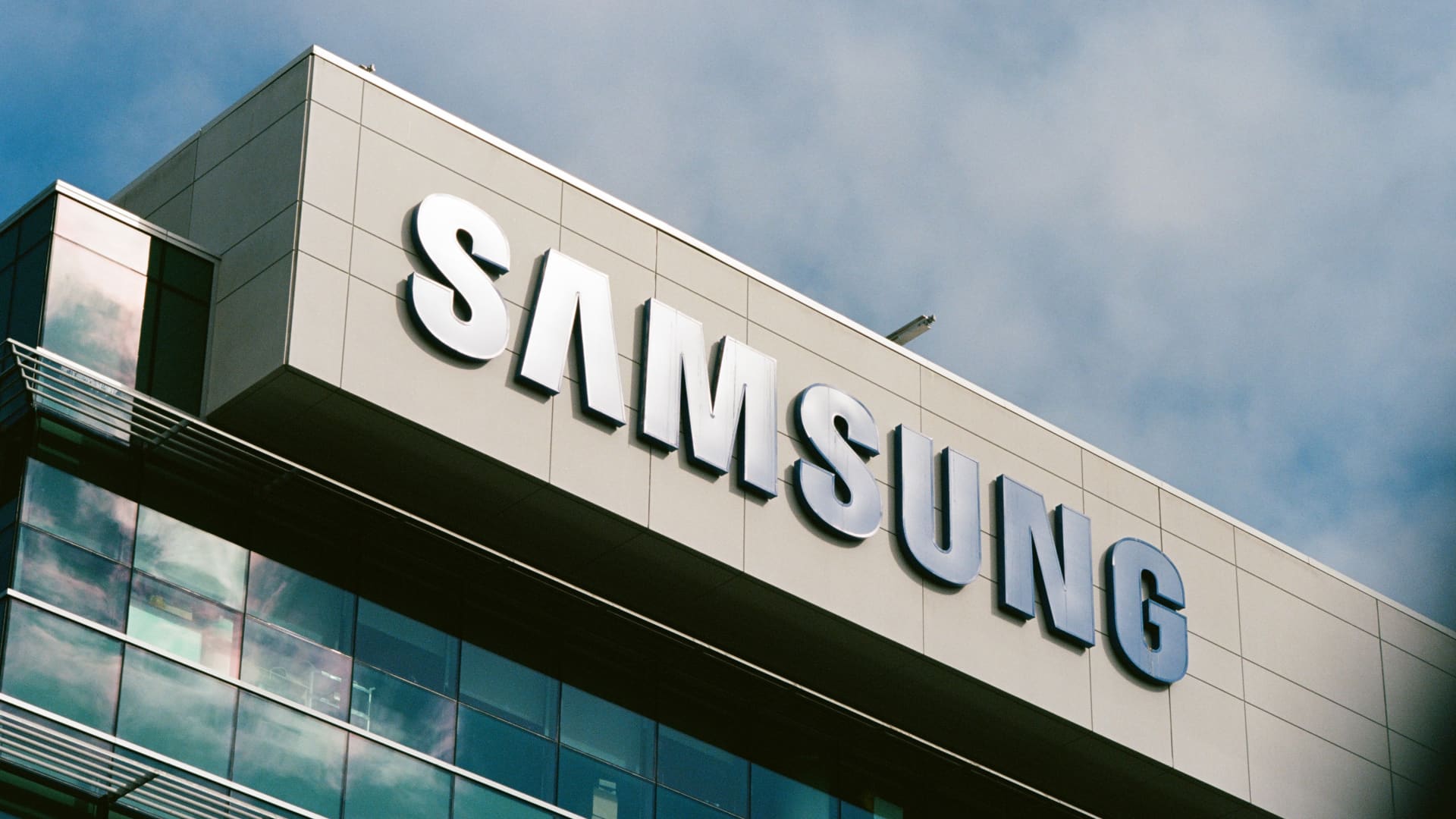
South Korean memory chip giants Samsung Electronics and SK Hynix are poised to inject an unprecedented $1.3 trillion into their operations over the next decade, a strategic move poised to redefine the global technology landscape. This colossal semiconductor investment underscores a fervent race to dominate the burgeoning artificial intelligence sector, even as initial market reactions reflect investor caution over the sheer scale of capital expenditure.
🚀 Tech Strategy & Market Disruptions
- Trillion-Dollar Commitment. Samsung and SK Hynix are reportedly planning a combined $1.3 trillion investment over 10 years, signaling an aggressive push to secure leadership in AI chip manufacturing and related infrastructure.
- AI Infrastructure Focus. A significant portion of this capital will target semiconductor fabs, advanced packaging, and critical AI data centers, directly addressing the accelerating demand for high-bandwidth memory (HBM) chips driven by the AI boom.
- Market Volatility & Long-Term Vision. Despite immediate stock declines fueled by concerns over massive expenditures, the investment reflects a long-term strategic vision to capitalize on AI-driven growth, potentially reshaping future supply chains and technological dependencies.
Reports from the Korea Economic Daily and Maeil Business Newspaper indicate that Samsung Electronics and SK Hynix are preparing to announce investment programs potentially totaling 2,000 trillion won, or about $1.3 trillion, over the coming decade. This monumental capital commitment follows a period where both companies have emerged as pivotal suppliers in the artificial intelligence revolution, particularly in high-bandwidth memory (HBM) chips, which are crucial for AI accelerators. While SK Hynix currently holds a leading position in supplying advanced HBM chips to industry titans like Nvidia, Samsung has been vigorously investing to bridge this technological gap.
The proposed spending spree, unveiled amidst a government briefing chaired by President Lee Jae Myung, spans critical technological areas. Samsung Group’s reported 1,000 trillion won blueprint, as detailed by Maeil, earmarks substantial funds for new semiconductor fabs in southwestern South Korea (approximately 300 trillion won), the expansion of the Yongin semiconductor cluster (360 trillion won), and significant allocations for AI data centers (over 350 trillion won). The sheer scale of these figures, even with potential overlaps, highlights an unparalleled dedication to future-proofing their core businesses against global competition and ensuring supply chain resilience. This proactive stance contrasts with the immediate market reaction, where shares of Samsung and SK Hynix saw declines of 4.7% and 3.1% respectively. Investors often initially react with apprehension to such large capital expenditure announcements, fearing potential dilution of returns or execution risks before appreciating the long-term strategic advantages in evolving technology market trends.
- The strategic focus on HBM chips and AI data centers directly responds to the insatiable demand from cloud providers and technology firms expanding their AI infrastructure globally.
- This investment is not merely about increasing production capacity but also about advancing process technology, packaging innovations, and bolstering the foundational digital infrastructure required for AI at scale.
- The competitive dynamic between Samsung and SK Hynix in HBM development is intense, driving innovation and potentially accelerating the widespread adoption of AI.
The announced semiconductor investment initiates a profound disruption flow across the tech ecosystem. This massive capital infusion into advanced fabs and AI data centers directly translates into expanded high-bandwidth memory (HBM) chip production and accelerated research and development for next-generation AI processors. This enhanced capacity and technological sophistication will, in turn, alleviate supply constraints for AI hardware and significantly lower the barriers for companies building AI models and applications. The consequence is a rapid acceleration in AI adoption across industries, from autonomous systems to complex data analytics, fostering a new wave of innovation and potentially decentralizing advanced AI capabilities. Ultimately, this leads to substantial market disruption, as industries leverage more powerful and accessible AI, driving unparalleled efficiency gains and creating new competitive paradigms.
“This aggressive semiconductor investment by South Korean powerhouses is not merely an expansion; it’s a foundational shift in global digital infrastructure. As a CTO, I see this as critical for defining the next decade of AI development. The integration of advanced packaging with robust AI data center architecture will be the crucible for truly scalable, performant AI models, pushing the boundaries of what’s possible in compute-intensive applications and shaping the future of emerging technologies.”
While specific segmented figures are still emerging and subject to clarification, the investment blueprint outlines several critical areas:
- Total Reported Investment: Up to 2,000 trillion won ($1.3 trillion) over 10 years (Samsung Group and SK Hynix combined).
- Samsung Group’s Reported Share: 1,000 trillion won ($646 billion) over a decade.
- Samsung’s Key Allocations:
- New semiconductor fabs in southwestern South Korea: ~300 trillion won.
- Yongin semiconductor cluster: ~360 trillion won.
- AI data centers: >350 trillion won.
- Technological Scope: Semiconductor fabs, AI data centers, advanced packaging, batteries, and displays.
Samsung & SK Hynix: Ecosystem Expansion Potential
The ripple effects of this colossal semiconductor investment extend beyond mere chip production, promising significant ecosystem expansion. By committing vast resources to AI data centers, Samsung and SK Hynix are not just selling components; they are enabling a new generation of cloud-based AI services and applications. This strategy could strengthen their partnerships with hyperscalers and AI platform developers, potentially leading to new joint ventures or integrated solutions that leverage their advanced hardware. Furthermore, their focus on advanced packaging is crucial for enabling heterogeneous integration, bringing diverse technologies like CPUs, GPUs, and HBM into a single, high-performance package. This pushes innovation in system-level design, attracting a broader array of software and hardware partners looking to optimize performance on their platforms. The investments could also bolster the broader South Korean tech supply chain, from equipment manufacturers to material suppliers, creating a formidable tech hub globally, as observed in global technology news.
Semiconductor Investment: Market Adoption Challenges Ahead
Despite the impressive scale of planned semiconductor investment, the path to market dominance is fraught with challenges. The industry faces intense global competition, particularly from state-backed initiatives in the U.S., Europe, and China, all vying for semiconductor supremacy. Over-reliance on a specific technology, like HBM, could expose the companies to market shifts or the emergence of alternative memory architectures. Moreover, the sheer volume of capital expenditure carries inherent financial risks, potentially impacting short-term profitability and requiring sustained high demand to justify returns. Geopolitical tensions, trade restrictions, and an increasingly complex regulatory landscape also pose significant hurdles. Successfully navigating these complexities while maintaining technological leadership will require agile strategic execution and continuous innovation, a key theme in industry developments for semiconductor manufacturing.
Samsung and SK Hynix’s AI Chip Quest: A Decisive Decade
Samsung and SK Hynix’s reported $1.3 trillion semiconductor investment marks a defining moment for the global technology sector, solidifying their commitment to lead the AI hardware race. While short-term market reactions reflected caution, the long-term vision is clear: these giants are betting on AI as the primary engine for future growth, aiming to underpin the next generation of digital infrastructure.
- The investment reinforces South Korea’s pivotal role in the global semiconductor supply chain.
- Focus on HBM and AI data centers positions them at the forefront of AI compute evolution.
- Strategic execution and market demand will be critical factors in realizing this ambitious vision.
How will this massive capital deployment reshape global AI capabilities and the competitive landscape for decades to come?
### 📊 StockXpo Analyst’s View
Market Impact: This immense semiconductor investment is a dual-edged sword for investors. While it signals robust long-term growth potential tied to the unstoppable AI wave, the immediate capital expenditure creates near-term earnings pressure, leading to the observed share price declines. It emphasizes the cyclical yet strategically vital nature of the semiconductor industry, where colossal investments today underpin tomorrow’s technological leaps.
Sector To Watch: Beyond the direct chip manufacturers, the ripple effects will be keenly felt in semiconductor equipment suppliers (e.g., ASML, Applied Materials), AI infrastructure developers, and cloud computing providers who will benefit from increased access to advanced HBM and AI processing capabilities. Companies heavily reliant on cutting-edge AI for their business models, from autonomous vehicle developers to pharmaceutical researchers, stand to gain significantly from these foundational advancements, warranting closer scrutiny of their strategies, as discussed in educational tech insights.
Financial Disclaimer:
StockXpo.com is a financial news aggregator and educational portal, not a registered investment advisor or broker-dealer. All information, news, and analysis provided herein are strictly for educational purposes and do not constitute investment, financial, legal, or tax advice. Investing in the stock market involves high risks, and past performance is not indicative of future results. StockXpo will not be liable for any financial losses or investment damages. Always consult a certified financial advisor before making market decisions.
MORE IN INSIDE TECHNOLOGY
AI Innovation Fuels Southeast Asia’s Digital Growth
Published: Thursday, October 22, 2026 · 12:36 AM
NextDC Shares Plunge: Power Delays Threaten Australia’s Data Center Growth
Published: Wednesday, October 21, 2026 · 1:50 AM