Published: Tuesday, May 19, 2026 · 9:29 PM | Updated: Tuesday, May 19, 2026 · 9:29 PM
📊 265 views




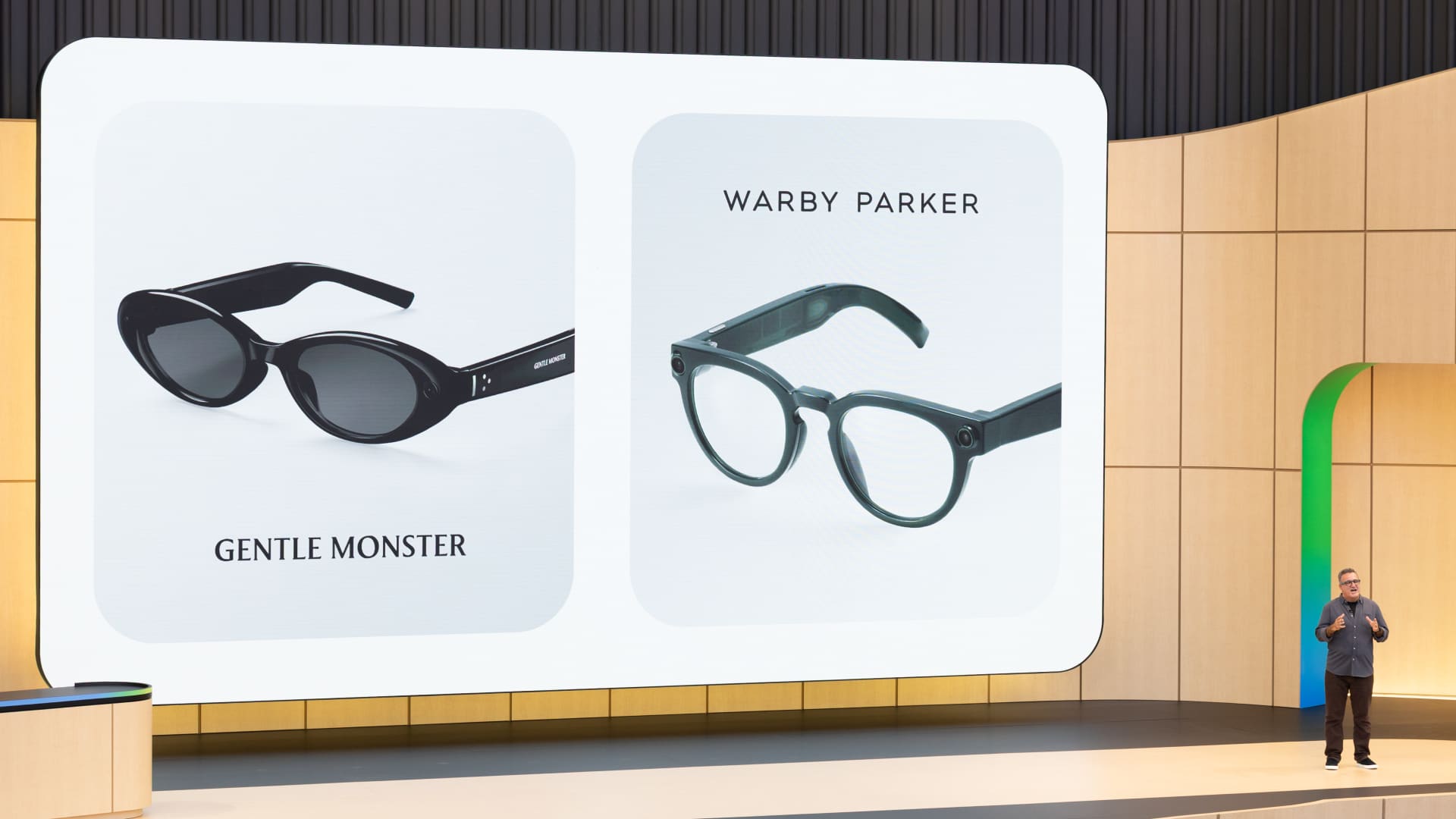
Google’s latest unveiling of audio AI glasses, deeply integrated with its Gemini assistant, marks a significant re-entry into the hotly contested wearables market. This strategic move, announced at the annual Google I/O conference, directly positions the tech giant against rivals like Meta Platforms, signaling an evolving approach to hands-free, ambient computing.
🚀 Tech Strategy & Market Disruptions
- Audio-First Design. Google’s AI glasses prioritize private audio feedback via the Gemini assistant, a deliberate pivot from visual displays, aiming for more subtle, integrated user experiences.
- Strategic Alliances Broaden Reach. Collaborations with Samsung and eyewear manufacturers Gentle Monster and Warby Parker underpin Google’s expansive market entry strategy and commitment to design diversity.
- Intensified Wearables Race. The launch directly challenges Meta’s early success with its smart glasses, setting the stage for heightened competition in the burgeoning AI wearable technology sector.
At its recent I/O conference, Google confirmed the audio AI glasses will be compatible with both Android and iOS devices, with a launch slated for later this year. This cross-platform approach is crucial for broader consumer adoption, as the company seeks to carve out a distinct niche in a market where Meta has already gained traction with its visual-display enabled Ray-Ban smart glasses. The focus on audio-first interaction, delivering information ‘spoken into your ear privately, rather than shown in a display,’ according to Shahram Izadi, head of Android XR products and platform, represents a calculated differentiation.
The demonstration at the conference highlighted several practical applications, ranging from routine tasks to novel AI interactions. Google views the user data generated by these devices as a critical asset for refining its AI models, though detailed privacy terms remain undisclosed. This data-driven approach is a double-edged sword, offering immense potential for personalized services while raising significant questions about data governance and user trust, a common theme across technology market trends.
- Initial demos showcased capabilities like voice-activated DoorDash orders, summary readings of unread texts, calendar management, turn-by-turn navigation, and even AI-powered image transformation using Nano Banana.
The ripple effect of robust AI integration in wearables can trigger a significant disruption flow: seamless AI integration leads to enhanced, hands-free user interaction, which in turn fosters increased productivity and convenience. This generates a continuous stream of valuable user data, powering the iterative improvement of AI models and expanding the ambient computing market. Ultimately, this paradigm shift has the potential to fundamentally disrupt traditional mobile interface interactions and alter how we engage with digital information, impacting emerging technologies across industries.
The shift towards ambient computing, where AI seamlessly integrates into our daily lives without constant screen interaction, represents a profound architectural evolution from discrete devices to ubiquitous, context-aware intelligence. This redefines how humans and machines collaborate, moving beyond simple task automation to anticipatory, personalized assistance.
Google’s push into AI glasses comes at a time when the wearables sector is undergoing rapid evolution. Meta, despite substantial investments and losses in its Reality Labs unit, reported selling 7 million units of its AI digital assistant-equipped Ray-Ban and Oakley glasses in 2025, offering a clear benchmark for Google. Other tech giants, including Apple, Snap, and Alibaba, are also reportedly developing their own smart eyewear, intensifying the battle for market dominance, as technology analysts observe.
Navigating the Market Adoption Challenges for Wearables
The path to widespread adoption for AI glasses is fraught with challenges. Consumer skepticism, fueled by past device failures and privacy concerns, remains a significant hurdle. Battery life, ergonomic design, and a clear value proposition that surpasses existing smartphone capabilities are critical factors. Overcoming the initial ‘glasshole’ stigma associated with earlier iterations like Google Glass requires a delicate balance of innovation and user-centric design. Furthermore, the pricing strategy will be pivotal in determining market accessibility, especially for a product that necessitates a shift in user behavior and trust in continuous data collection. Insights into these hurdles are crucial for educational tech insights.
Ecosystem Expansion Potential for Google’s AI Glasses
The true long-term value of Google’s AI glasses will lie in their ecosystem expansion potential. Deep integration with Google’s extensive suite of services—from Maps and Calendar to Assistant and Search—forms a powerful foundation. The open Android XR platform could encourage a vibrant third-party developer community, creating innovative applications that extend beyond basic commands. Potential future applications could include advanced health monitoring, real-time language translation, augmented reality overlays (even with an audio-first approach, context can be augmented), and sophisticated immersive audio experiences for entertainment or productivity. This broad ecosystem appeal could be the differentiator against rivals, according to recent reports on wearables.
Google’s AI Glasses: A New Frontier in Ambient Computing
Google’s foray into audio-centric AI glasses signifies a calculated yet ambitious bet on the future of ambient computing, attempting to carve out a less intrusive niche in the wearable technology landscape. This strategy directly confronts Meta’s more visually oriented approach, but its long-term success hinges on robust privacy frameworks, seamless utility, and mass-market appeal.
- The audio-first design prioritizes continuous, subtle AI assistance, aiming to minimize screen distraction and foster natural interaction.
- Deep integration with the Gemini assistant and Google’s Android XR platform positions the company for significant ecosystem leverage and future AI advancements.
- Sustained market traction will depend on Google’s ability to balance cutting-edge features with consumer trust, addressing privacy concerns, and offering undeniable practical value.
Will an audio-centric approach truly unlock mainstream adoption for AI glasses where visual displays have faced considerable consumer apprehension?
📊 StockXpo Analyst’s View
Market Impact: Google’s re-entry intensifies the competitive landscape within the wearables sector, potentially spurring further innovation from rivals and semiconductor firms. This move could pivot investor sentiment towards companies capable of monetizing AI through discreet hardware interfaces and continuous data streams.
Sector To Watch: Investors should closely monitor the consumer electronics segment, particularly firms specializing in compact AI processors and advanced audio technologies. Additionally, companies developing personalized AI services and privacy-enhancing technologies will be key.
Financial Disclaimer:
StockXpo.com is a financial news aggregator and educational portal, not a registered investment advisor or broker-dealer. All information, news, and analysis provided herein are strictly for educational purposes and do not constitute investment, financial, legal, or tax advice. Investing in the stock market involves high risks, and past performance is not indicative of future results. StockXpo will not be liable for any financial losses or investment damages. Always consult a certified financial advisor before making market decisions.
MORE IN INSIDE TECHNOLOGY

State-Backed Dating App Innovation: Singapore’s Bold Demographic Tech Strategy
Published: Sunday, October 4, 2026 · 3:36 AM

Data Centers Face Global Headwinds: A $119 Billion Investment at Risk
Published: Saturday, October 3, 2026 · 2:48 AM