Published: Monday, November 16, 2026 · 1:00 AM | Updated: Monday, November 16, 2026 · 1:00 AM
📊 2 views




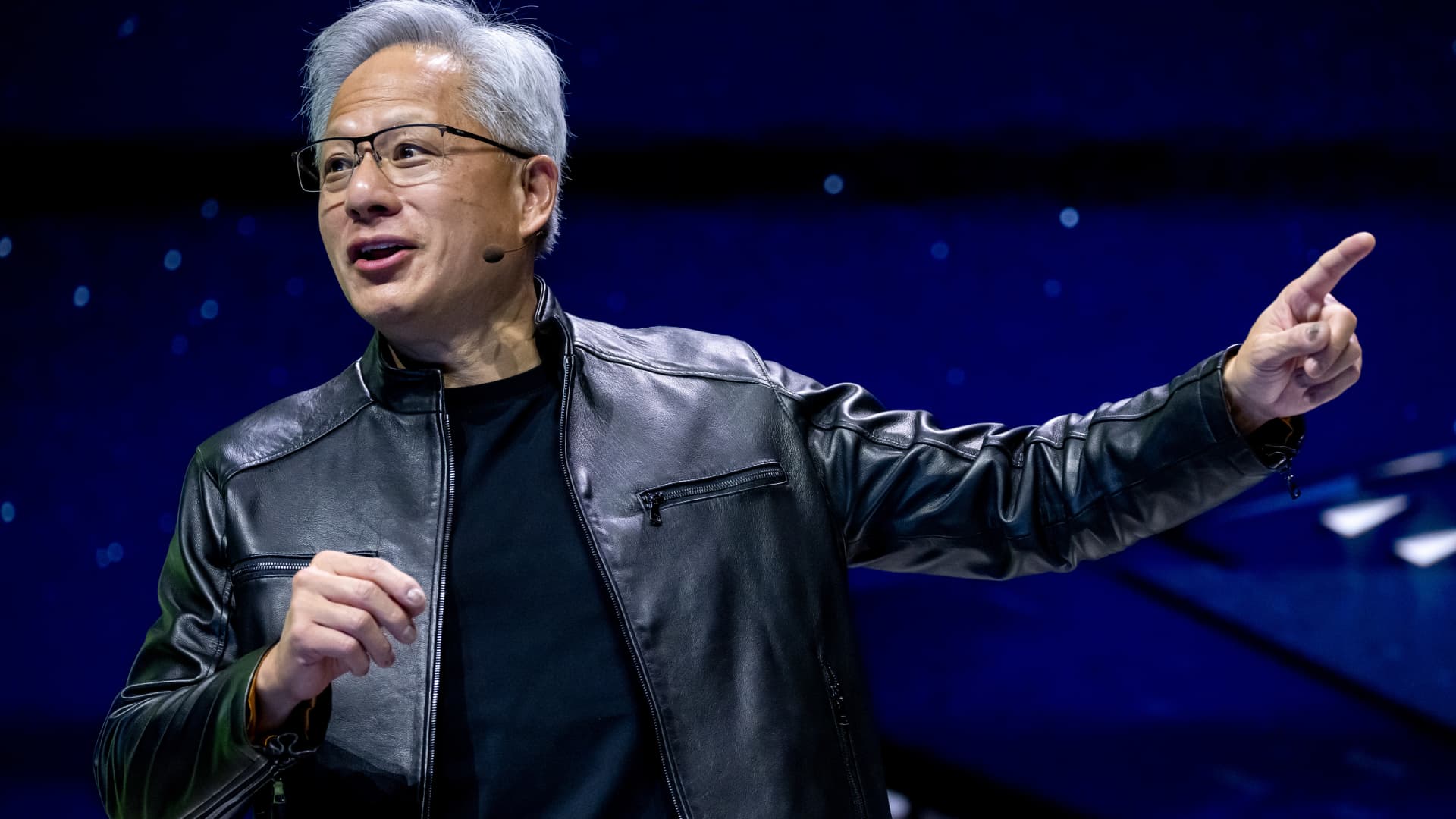
Calls for Jensen Huang’s return to Nvidia are intensifying after his recent resignation, creating significant uncertainty for the AI chip giant. This unprecedented public outpouring of support places Nvidia’s board in a complex strategic position as it navigates both governance issues and market expectations amidst rapid AI innovation and scrutiny over broader technology market trends.
🚀 Tech Strategy & Market Disruptions
- Leadership Vacuum Amplifies Risk. Huang’s departure leaves a void at a critical time for AI innovation, potentially impacting Nvidia’s long-term strategic direction.
- Geopolitical Ramifications Deepen. Investigations into the alleged Chinese intelligence ties could escalate U.S.-China tech tensions, affecting Nvidia’s global market access and supply chain integrity.
- Shareholder Activism Mounts Pressure. A prominent online petition and investor letters highlight a rare public outcry for executive reinstatement, challenging traditional corporate governance protocols.
Jensen Huang’s sudden departure from Nvidia last week, stemming from reports of extramarital affairs and alleged ties to Chinese intelligence, has ignited a fervent campaign for his reinstatement. The online petition ‘Stand with Jensen,’ supported by over 160,000 signatures from tech luminaries like Tesla CEO Elon Musk and Epic Games CEO Tim Sweeney, underscores the profound influence Huang has wielded in transforming Nvidia into a dominant force in AI chip manufacturing. This unprecedented public rallying for Jensen Huang’s return spotlights the unique challenges faced by boards when a visionary leader’s personal conduct intersects with national security interests and corporate stability, especially when leading technology analysis is intensely focused on the outcome.
Nvidia, under interim CEO Colette Kress, faces the daunting task of maintaining market confidence while conducting an independent investigation into Huang’s conduct. The board’s search for a permanent successor is complicated by widespread internal and external calls for Huang to resume his leadership role. Reports by the Financial Times indicate Huang himself is considering a comeback, further intensifying the boardroom dynamics.
The situation is notably distinct from past executive departures, such as Sam Altman’s brief ouster from OpenAI. As SkyBridge founder Anthony Scaramucci observed on X, Huang’s case involves ongoing U.S. government investigations into potential national security compromises related to America’s AI dominance, making a swift board reversal significantly more complex. U.S. lawmakers are reportedly preparing their own probes into how Huang’s affair might have damaged national security, particularly concerning his relationship with President Donald Trump’s administration and the broader implications for AI leadership, as covered by comprehensive technology news.
The controversy extends to Megaspeed, a Singapore-based company linked to the allegations, which has initiated its own internal investigation. Alice Huang, reportedly romantically linked to Jensen Huang and an alleged Chinese spy, left Megaspeed in August 2025. CNBC previously reported that Alice Huang may have held stakes in Chinese businesses that competed with Nvidia, specifically Huawei, intensifying scrutiny over potential conflicts of interest and intellectual property vulnerabilities.
Investors, including Altimeter Capital CEO Brad Gerstner and Atreides Management’s Gavin Baker, have publicly urged Nvidia’s board to consider all options, emphasizing a fair process for Huang. Their open letter Friday called for a measured approach, acknowledging Huang’s integral role in the company’s success. These developments highlight the complex interplay of corporate governance, market sentiment, and national security in navigating the future of emerging technologies.
- Investor Sentiment: Major shareholders advocate for a comprehensive review of Huang’s situation, recognizing his indispensable impact on Nvidia’s strategic trajectory.
- Employee Morale: Current and former Nvidia employees have voiced strong support for Huang, citing his unique vision and leadership as foundational to the company’s engineering culture.
- Market Leadership: Despite the turmoil, analysts like Dan Ives from Yorkville Ives & Co. reiterate that Nvidia’s core leadership in AI chips and its long-term demand outlook remain robust.
Uncertainty regarding leadership continuity → Potential for strategic drift in critical AI development → Market speculation and volatility in NVDA stock → Heightened scrutiny from U.S. regulators on executive conduct and national security → Delays or shifts in Nvidia’s aggressive innovation roadmap for next-gen AI platforms.
‘The ongoing saga around Jensen Huang’s leadership underscores a critical vulnerability in the tech sector: the indispensable founder syndrome. While visionary leaders drive unparalleled innovation, their personal conduct, especially when touching upon national security, can create systemic risk that even robust corporate governance structures struggle to contain. For Nvidia, sustaining its AI competitive edge demands clarity and unwavering strategic focus, which is severely tested by such high-profile transitions.’
- Key Dynamics Surrounding Nvidia’s Leadership:
- Petition Signatures: Over 160,000 unique signatories calling for reinstatement.
- Interim Leadership: Colette Kress appointed interim CEO, long-time finance chief.
- Board Search: Considering both internal and external candidates, including reported outreach to Arm CEO Rene Haas.
- Regulatory Scrutiny: U.S. lawmakers preparing investigations into national security implications.
- Company Performance: Nvidia scheduled to report fiscal Q3 earnings Tuesday, a critical moment for investor reassurance.
Nvidia’s Ecosystem Expansion Potential Under Scrutiny
Nvidia’s dominance in AI hardware extends far beyond GPUs, forming a sprawling ecosystem encompassing CUDA, Omniverse, and various AI software stacks. Huang’s vision was central to this expansion, turning proprietary technology into an industry standard. The leadership uncertainty introduces questions about the pace and direction of future ecosystem investments. Will the next CEO maintain the aggressive, multi-faceted approach to platforms, or will there be a tighter focus on core hardware? Maintaining momentum in areas like robotics, autonomous systems, and generative AI platforms requires not just technical prowess but also strong strategic alliances and developer relations, areas where Huang excelled. Any perceived hesitation could empower competitors seeking to chip away at Nvidia’s established network effects.
Nvidia’s Market Adoption Challenges in a Geopolitical Landscape
Despite its unparalleled technological lead, Nvidia faces nuanced market adoption challenges that extend beyond raw performance metrics. These include navigating increasingly stringent export controls, managing complex U.S.-China trade relations, and fending off growing competition from custom AI silicon developed by hyperscalers and startups. A stable, visionary leadership is crucial for tackling these external pressures. The current internal turmoil, exacerbated by national security probes, risks diverting critical executive attention from strategic market penetration and regulatory compliance efforts. Furthermore, the ethical implications of AI development and deployment are becoming more pronounced, demanding leadership capable of balancing innovation with responsible governance, a balance that becomes harder to strike under public scrutiny.
Nvidia’s Strategic Path Forward Amidst Leadership Turmoil
The escalating calls for Jensen Huang’s return place Nvidia’s board in an unprecedented dilemma, balancing corporate governance with the potent influence of a visionary founder. While the company’s technological foundation in AI remains robust, the leadership vacuum introduces significant strategic and operational complexities at a critical juncture for global AI development.
- Navigating ongoing governmental investigations into national security concerns.
- Maintaining investor confidence and employee morale during transition.
- Upholding Nvidia’s innovation velocity amidst leadership uncertainty, demanding critical educational tech insights.
How will Nvidia manage these intersecting pressures to secure its long-term AI dominance?
📊 StockXpo Analyst’s View
Market Impact: The swirling speculation surrounding Jensen Huang’s potential return, or lack thereof, is expected to introduce short-term volatility to NVDA shares, particularly ahead of upcoming earnings. While the underlying demand for Nvidia’s AI chips remains incredibly strong, the leadership uncertainty could trigger a flight to perceived stability in other large-cap tech. Investors will be closely watching for any definitive statements from the board regarding their search process and their stance on the ongoing investigations.
Sector To Watch: The broader semiconductor industry, especially companies involved in AI infrastructure like AMD and Intel, could see increased investor interest as a hedge against Nvidia’s leadership risk. Additionally, the heightened scrutiny on executive conduct with national security implications could trigger a re-evaluation of governance standards across other critical technology sectors, potentially impacting valuations of companies with founder-led, high-growth profiles.
Financial Disclaimer:
StockXpo.com is a financial news aggregator and educational portal, not a registered investment advisor or broker-dealer. All information, news, and analysis provided herein are strictly for educational purposes and do not constitute investment, financial, legal, or tax advice. Investing in the stock market involves high risks, and past performance is not indicative of future results. StockXpo will not be liable for any financial losses or investment damages. Always consult a certified financial advisor before making market decisions.
MORE IN INSIDE TECHNOLOGY

Megaspeed’s Internal Probe: Navigating Supply Chain Risks and Digital Trust
Published: Sunday, November 15, 2026 · 4:52 AM
Rockstar CEO Dependency: A Governance Risk for Innovation
Published: Saturday, November 14, 2026 · 3:45 AM