Published: Sunday, November 15, 2026 · 4:26 PM | Updated: Sunday, November 15, 2026 · 4:26 PM
📊 23 views




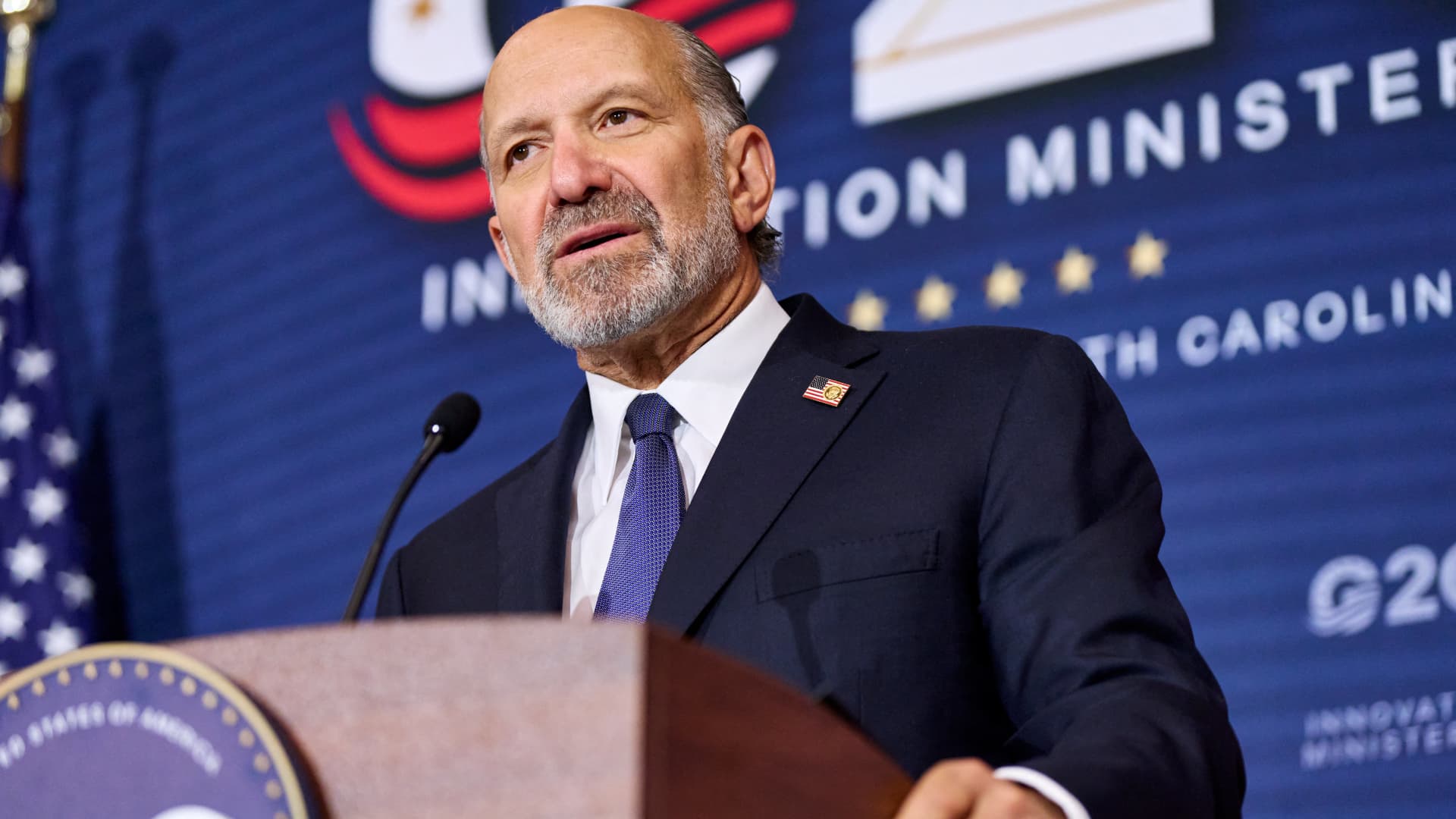
The unfolding Nvidia spy scandal involving U.S. Commerce Secretary Howard Lutnick and his family’s firm, Cantor Fitzgerald, is sending ripples through the financial markets, sparking concerns over asset valuation and risk management within the semiconductor industry. This complex situation intertwines national security interests, corporate governance, and high-stakes market activity, demanding a closer look at its potential impact.
💰 Financial Strategy & Market Insights
- Conflicting Signals from Cantor Fitzgerald. Despite a bullish analyst rating, the firm significantly reduced its Nvidia holdings, prompting questions about insider knowledge amidst escalating U.S.-China chip export tensions.
- Geopolitical Risks Intensify. Commerce Secretary Howard Lutnick is accused of resisting efforts to crack down on suspected chip smuggling to China, even as his former firm maintained financial ties with Nvidia and its partners, raising ethical and national security concerns.
- Market Scrutiny on AI Supply Chains. The scandal highlights vulnerabilities in the global AI chip supply chain, pushing investors to re-evaluate regulatory impacts on major tech players like Nvidia and its ecosystem partners.
Unpacking Cantor Fitzgerald’s Nvidia Divestment
Cantor Fitzgerald, a firm once led by Howard Lutnick and now by his sons, maintained a seemingly contradictory stance on Nvidia. Publicly, Cantor analysts, such as C.J. Muse, championed Nvidia as the ‘best risk/reward’ in their coverage, reiterating an ‘overweight’ rating and a $350 price target in October. However, securities filings reviewed by CNBC reveal a nearly 50% decline in Cantor’s reported Nvidia share count between September 2025 and March 2026, excluding options. This significant reduction occurred while Nvidia was hosting its CEO Jensen Huang for investor meetings.
This divestment timeline overlaps precisely with escalating pressures on Commerce Secretary Lutnick regarding Megaspeed, a Singapore-based company suspected of illicitly funneling Nvidia’s advanced AI chips to China. Axios reported that Lutnick repeatedly resisted these crackdown efforts, despite receiving classified intelligence warnings about Huang’s alleged ties to a suspected Chinese spy. These events have drawn intense scrutiny, particularly after Huang’s resignation and continued financial dealings between Cantor and Nvidia’s business partners.
* Key Allegations and Timelines:
* Cantor’s Nvidia holdings declined significantly between September 2025 and March 2026.
* Howard Lutnick received classified intelligence warnings about Jensen Huang’s ties to a suspected Chinese spy.
* Lutnick allegedly resisted White House efforts to place Megaspeed, a suspected chip smuggler, on the entity list.
* Cantor Fitzgerald concurrently engaged in substantial financing deals for Nvidia’s partners, such as a $3 billion convertible bond offering for IREN.
Ethical experts, including Richard Painter, a former chief White House ethics lawyer, have highlighted the ‘appearance’ of impropriety, emphasizing the need for transparency regarding communications between Lutnick and his sons. Cantor Fitzgerald, for its part, stated its reported Nvidia positions were ‘immaterial stand-alone proprietary positions’ or ‘in the ordinary course of business in connection with client swap transactions,’ not indicative of advance knowledge or influence. Yet, the timing continues to fuel concerns among lawmakers, with Treasury Secretary Scott Bessent openly questioning Commerce’s inaction on Megaspeed.
Beyond direct stock holdings, Cantor’s influence extended to facilitating substantial financing for Nvidia’s ecosystem. In May, as intelligence concerns about Huang mounted, Cantor was a bookrunner on a $3 billion convertible bond offering for IREN, an Australian cloud computing provider that had just announced a $3.4 billion AI cloud contract and strategic partnership with Nvidia. Coincidentally, around the same period, Lutnick’s Commerce Department quietly cleared Chinese companies to purchase Nvidia’s H200 chips. Furthermore, Cantor advised Lancium, an AI infrastructure developer backed by OpenAI and SoftBank, on a $600 million financing deal, with Nvidia later investing $2 billion in Lancium.
These complex financial interdependencies, combined with the U.S. government’s ongoing efforts to control advanced chip exports to China, underscore significant challenges for risk management in the tech sector. Investors monitoring market analysis will need to carefully consider how geopolitical tensions could impact asset valuations, particularly for companies deeply embedded in sensitive supply chains.
The Risk/Reward Calculus for Nvidia Investors
The unfolding situation presents a nuanced risk/reward profile for investors in Nvidia.
- Upside Potential:
- Continued robust demand for AI chips globally, sustaining Nvidia’s leadership position.
- Diversification of Nvidia’s market beyond China, reducing reliance on a single geopolitical hotspot.
- Cantor Fitzgerald’s strong banking relationships could continue to facilitate growth for Nvidia’s partners, indirectly benefiting Nvidia.
- Downside Risks:
- Escalating U.S.-China trade tensions and stricter export controls could severely impact Nvidia’s access to the Chinese market.
- Increased regulatory scrutiny and potential investigations into conflict-of-interest allegations could damage corporate reputation and shareholder confidence.
- Uncertainty surrounding key executive leadership (post-Huang’s resignation) and potential changes in U.S. policy create significant operational and investment risks.
- Market liquidity for NVDA stock could be impacted by large institutional shifts or heightened speculative trading.
Expert Insight: Entity List Dynamics. The ‘entity list’ is a trade restriction tool maintained by the U.S. Commerce Department, identifying foreign parties subject to specific license requirements for the export, reexport, or transfer of certain items. Inclusion on this list often serves as a powerful deterrent, signaling severe restrictions on business dealings and potentially isolating companies from critical supply chains and markets. For tech firms like Nvidia, the specter of customers or partners being added to this list creates immense strategic and financial uncertainty, directly impacting their revenue projections and global market access.
Cantor Fitzgerald’s Nvidia Position Shifts
Cantor Fitzgerald’s reported holdings in Nvidia experienced a notable decline during a period of heightened geopolitical sensitivity.
| Reporting Period | Nvidia Shares Held | Reported Value (USD) |
|---|---|---|
| End of 2024 | 3.5 million | $479 million |
| September 2025 | 3.5 million | $652 million |
| March 2026 | 1.78 million | $310 million |
| June 30, 2026 | 1.81 million | N/A (value not specified in source) |
This data, primarily from SEC filings analyzed by CNBC, shows a clear reduction in reported share count despite positive analyst sentiment from the firm. Cantor also disclosed substantial Nvidia options positions, heavily skewed towards put options, suggesting a hedging strategy against potential stock price declines during this period.
Nvidia Liquidity Analysis: Navigating Geopolitical Headwinds
Market liquidity for Nvidia shares could face increased volatility as this Nvidia spy scandal unfolds. Institutional investors, wary of regulatory crackdowns and potential U.S.-China trade escalations, may adjust their positions, affecting trading volumes and bid-ask spreads. Any perception of diminished access to the critical Chinese market could prompt a re-evaluation of long-term growth trajectories, potentially leading to more cautious capital allocation. Furthermore, the ethical questions surrounding the Commerce Secretary’s actions and Cantor’s dealings could erode investor confidence, making the stock more susceptible to short-term price swings.
Nvidia Market Sentiment Tracker: Decoding Investor Reactions
The market sentiment surrounding Nvidia is likely to become more polarized due to the allegations. While the underlying demand for AI chips remains robust, the geopolitical noise adds a significant layer of uncertainty. Monitoring social media sentiment, analyst report revisions, and options market activity – particularly the put/call ratio – will be crucial for investors. A sustained increase in put options or a rise in short interest could signal growing bearish sentiment, reflecting concerns about regulatory risks and the potential for a prolonged U.S.-China tech dispute. Conversely, strong earnings reports or positive developments in diversification strategies could help stabilize sentiment, as investors seeking financial sector insights navigate this complex landscape.
The Ripple Effect of the Nvidia Spy Scandal on Tech Governance
The Nvidia spy scandal underscores critical challenges in navigating complex geopolitical and ethical landscapes within high-stakes industries. The intertwining of government policy, corporate interests, and national security demands heightened transparency and robust risk management frameworks. This incident will likely compel greater scrutiny on how government officials manage potential conflicts of interest, especially when their former firms continue to operate in regulated sectors.
- The episode highlights the delicate balance between fostering innovation and safeguarding national security, particularly in critical technologies like AI.
- Increased regulatory oversight and stricter enforcement of export controls could become a standard, impacting global supply chains and cross-border investments.
- Corporate governance and ethical compliance will be paramount for firms operating in geopolitically sensitive sectors, influencing investor confidence and asset valuations.
How will this saga redefine the boundaries between government service and private financial interests in the era of strategic technological competition?
📊 StockXpo Analyst’s View
Market Impact: This news introduces a layer of geopolitical risk premium to Nvidia’s valuation. While fundamental demand for AI remains strong, the uncertainty regarding China export policies and potential regulatory blowback could temper bullish sentiment, leading to increased volatility. Investors may demand a higher risk premium, impacting near-term share price performance. Understanding these dynamics is essential for sound educational financial insights.
Sector To Watch: The semiconductor and broader technology sectors, especially companies with significant exposure to U.S.-China trade relations, are directly in the spotlight. Firms involved in AI infrastructure, cloud computing, and advanced manufacturing may face similar scrutiny, driving investors to prioritize companies with clear compliance structures and diversified market access.
Financial Disclaimer:
StockXpo.com is a financial news aggregator and educational portal, not a registered investment advisor or broker-dealer. All information, news, and analysis provided herein are strictly for educational purposes and do not constitute investment, financial, legal, or tax advice. Investing in the stock market involves high risks, and past performance is not indicative of future results. StockXpo will not be liable for any financial losses or investment damages. Always consult a certified financial advisor before making market decisions.
MORE IN INSIDE FINANCE

Robot Soldier Startup’s Cash Crisis: Valuations Under Scrutiny
Published: Saturday, November 14, 2026 · 7:47 AM

Inflation’s Persistent Grip: Fed’s Goolsbee Signals More Work Ahead
Published: Friday, November 13, 2026 · 11:40 AM