
Published: Monday, November 16, 2026 · 7:32 AM | Updated: Monday, November 16, 2026 · 7:32 AM
📊 2 views




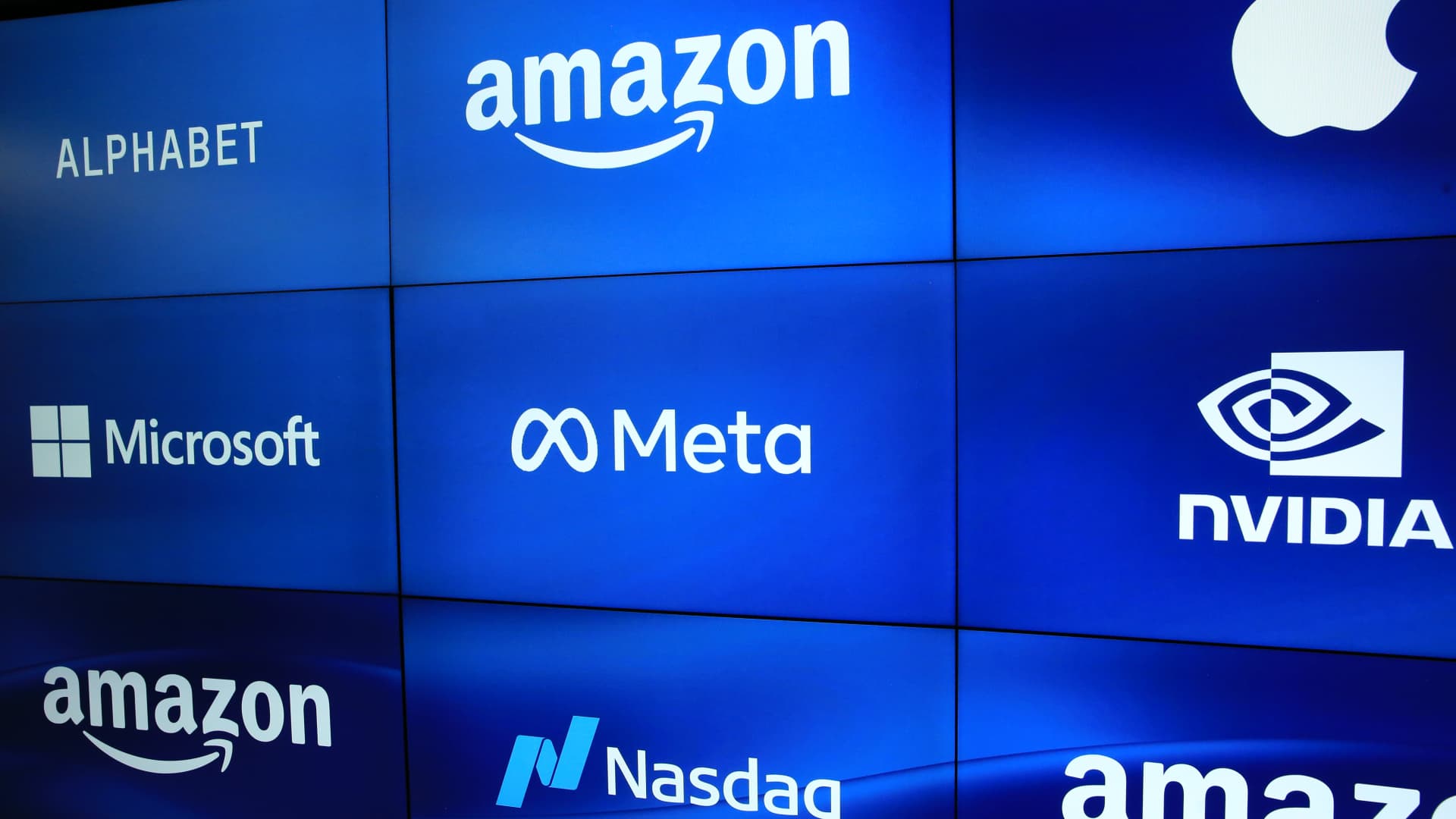
The AI trade is navigating unprecedented shifts as Nvidia, a titan in the sector, faces internal turmoil following its CEO’s resignation, compounded by potential policy headwinds from a Democratic-controlled Congress. These dual pressures are recalibrating market liquidity and redirecting capital flows within the technology landscape, forcing investors to reassess traditional asset valuations and risk management strategies.
💰 Financial Strategy & Market Insights
- Nvidia’s Leadership Shift. Jensen Huang’s resignation has shaken investor confidence, creating an opening for competitors like AMD and Broadcom to capture chip demand.
- Congressional Data Center Policies. A Democratic Congress’s pushback on data centers could limit infrastructure buildout, making existing compute capacity more valuable, benefiting hyperscalers.
- Capital Reallocation in AI. Funds are rotating from Nvidia and potentially smaller cloud players towards established Big Tech and alternative chip manufacturers, signaling a market recalibration within the broader market analysis landscape.
Nvidia’s turbulent week, marked by its founder and CEO Jensen Huang’s unexpected resignation, sent ripples across the technology sector. The chipmaker’s stock experienced its longest losing streak since 2012, prompting a reevaluation of the broader financial sector. This leadership vacuum has not only questioned Nvidia’s immediate future but also highlighted the immense demand for AI chips, which market experts believe will now shift to alternative suppliers.
Dave Mazza, CEO of Roundhill Investments, which manages the Magnificent Seven ETF (MAGS), suggested that, paradoxically, Big Tech could emerge as the ultimate winner. The rationale is simple: if trust in Nvidia wavers, the insatiable demand for AI chips will redirect towards other established players who can reliably supply these critical components. This scenario underscores the concentration of power and resources within a few dominant technology firms, which possess the existing compute infrastructure to meet this evolving demand.
Further complicating the outlook is the prospect of a Democratic-controlled Congress potentially slowing data center buildouts. Dan Ives, Yorkville Ives partner and senior managing director, estimates that 10% to 20% of planned data centers might not materialize. This legislative headwind, while slowing overall expansion, could significantly increase the value of current compute capacity, further strengthening hyperscalers.
While the MAGS ETF ended the week with a modest gain of less than 1%, the Roundhill Neocloud ETF (NCLD), focused on smaller market cap cloud computing companies, saw a gain of over 1%. However, NCLD remains deeply in the red, down 39% since its August 2026 launch, burdened by balance sheet strength concerns—a critical issue given Nvidia’s historical role in financing AI infrastructure. CoreWeave, a top NCLD holding, experienced a post-earnings surge followed by a Friday slide, while Nebius shares sank after its report, painting a mixed picture for the sub-sector.
Amidst Nvidia’s slump, the tech-heavy Nasdaq index recorded its best week since August, indicating a broader reshuffling of capital within the educational financial insights community. Investors appear to be rotating into other AI chip players, with AMD and Broadcom both finishing the week up close to 13%. This shift suggests a more diversified, albeit cautious, approach to AI investments.
Yorkville Ives lowered its price target on Nvidia to $225 from $300 following Huang’s resignation but maintained a ‘buy’ rating, emphasizing Nvidia’s enduring leadership in GPU chips and its 2-3 year lead over competitors. Ives argues that the underlying demand trajectory for AI remains unchanged, and Nvidia’s strategic roadmap, driven by 42,000 employees, is robust. At roughly 10x 2028 EPS, he views the valuation as ‘way too cheap’ once the company navigates its current challenges. Despite potential congressional slowdowns, demand still outstrips supply four to one, making existing compute resources even more valuable.
- Upside: Diversification of AI chip suppliers, increased value of existing Big Tech compute infrastructure, potential for long-term growth in alternative AI plays (AMD, Broadcom), attractive valuation for Nvidia post-turmoil.
- Downside Risks: Prolonged uncertainty at Nvidia impacting broader AI sector financing, slower data center buildout hindering overall AI development, balance sheet concerns for smaller cloud providers, regulatory risks impacting Big Tech.
Asset Valuation: The process of determining the current worth of an asset or a company. In the context of the AI market, factors like intellectual property, market share, leadership stability, and future demand for compute capacity heavily influence asset valuation, especially amidst leadership transitions and shifts in regulatory environments.
Key Performance Indicators & Market Metrics
| Metric | Value/Change | Context |
|---|---|---|
| Nvidia Stock Price | $162.85 (End of week) | Finished week, previously $300 target, then $225 target. |
| Nvidia ’28 EPS Valuation | ~10x | Considered ‘way too cheap’ by Dan Ives. |
| Roundhill Neocloud ETF (NCLD) Performance | Down 39% (since Aug 2026 launch) | Indicates struggles for smaller cloud players. |
| AMD Weekly Gains | ~13% | Beneficiary of AI trade reshuffle. |
| Data Center Buildout Slowdown | 10-20% (estimated) | Impact of potential Democratic Congress policies. |
| AI Compute Demand vs. Supply | 4:1 (demand outstrips supply) | Highlights continued need for compute capacity. |
Nvidia Liquidity Analysis
Nvidia’s recent stock volatility and leadership change invariably impact its market liquidity. While the company maintains a dominant position in GPU technology, the immediate aftermath of Huang’s resignation saw significant selling pressure, driving down its share price. This increased trading volume, reflecting both panic selling and opportunistic buying, temporarily boosts liquidity. However, sustained uncertainty could lead to wider bid-ask spreads and reduced market depth if long-term institutional investors decide to pare back positions, impacting overall capital shifts in the broader AI investment landscape. The firm’s upcoming third-quarter earnings report, where interim CEO Colette Kress will provide an update, is crucial for restoring investor confidence and stabilizing liquidity. Continued transparency regarding operational strategy and financial health will be paramount for maintaining strong market liquidity and attracting new capital.
AI Sector Market Sentiment Tracker
Market sentiment in the AI sector is currently bifurcated. While Nvidia’s challenges have introduced a degree of trepidation, the broader enthusiasm for artificial intelligence applications remains robust. The rally in AMD and Broadcom shares, alongside the Nasdaq’s best week since August, suggests a pivot rather than a retreat from AI investments. Investors are recalibrating their portfolios, seeking perceived safer or undervalued alternatives within the AI ecosystem. The sentiment is shifting from concentrated reliance on a single dominant player to a more diversified approach, favoring companies with established infrastructure and competitive chip solutions. Regulatory discussions surrounding data centers are adding a layer of caution, particularly for specialized cloud providers, influencing investor sentiment towards established hyperscalers with proven resilience and adaptable business models, as noted by Bloomberg Markets analysis.
The AI trade’s Path Forward: Navigating Uncertainty
The AI trade stands at a pivotal juncture, shaped by both internal corporate dynamics at Nvidia and external regulatory pressures from Capitol Hill. This convergence of factors is not merely a temporary blip but a fundamental re-rating of assets and a re-direction of capital, emphasizing the resilience of diversified Big Tech players and alternative chip manufacturers.
- The immediate impact of Nvidia’s leadership change has created opportunities for competitors to gain market share in the critical AI chip supply chain.
- Congressional initiatives, despite potential slowdowns, underscore the strategic importance of existing data center compute capacity, favoring large-scale providers.
- Investors are exhibiting a flight to quality, reallocating capital towards established firms with robust balance sheets and diversified AI plays.
How will this reshuffling ultimately redefine the long-term leaders and laggards in the rapidly evolving AI economy?
📊 StockXpo Analyst’s View
Market Impact: The market is exhibiting a classic risk-off sentiment toward single-point dependencies, catalyzing a broader redistribution of capital within the AI ecosystem. While Nvidia faces immediate headwinds, the underlying demand for AI remains strong, leading to increased liquidity and trading activity in alternative chipmakers and Big Tech. This shift provides an opportunity for enhanced portfolio diversification within the growth-oriented tech sector. Reuters Finance reports similar trends globally.
Sector To Watch: Investors should closely monitor the ‘Magnificent Seven’ and other established hyperscalers, as their existing compute infrastructure and financial stability position them to absorb displaced demand. Additionally, the performance of AMD and Broadcom will be crucial indicators of how swiftly the market embraces alternative AI chip solutions in this evolving landscape.
Financial Disclaimer:
StockXpo.com is a financial news aggregator and educational portal, not a registered investment advisor or broker-dealer. All information, news, and analysis provided herein are strictly for educational purposes and do not constitute investment, financial, legal, or tax advice. Investing in the stock market involves high risks, and past performance is not indicative of future results. StockXpo will not be liable for any financial losses or investment damages. Always consult a certified financial advisor before making market decisions.
MORE IN INSIDE FINANCE
Nvidia Spy Scandal Clouds Asset Valuation Amid Geopolitical Volatility
Published: Sunday, November 15, 2026 · 4:26 PM

Robot Soldier Startup’s Cash Crisis: Valuations Under Scrutiny
Published: Saturday, November 14, 2026 · 7:47 AM


