Published: Friday, June 26, 2026 · 3:23 PM | Updated: Friday, June 26, 2026 · 3:23 PM
📊 260 views




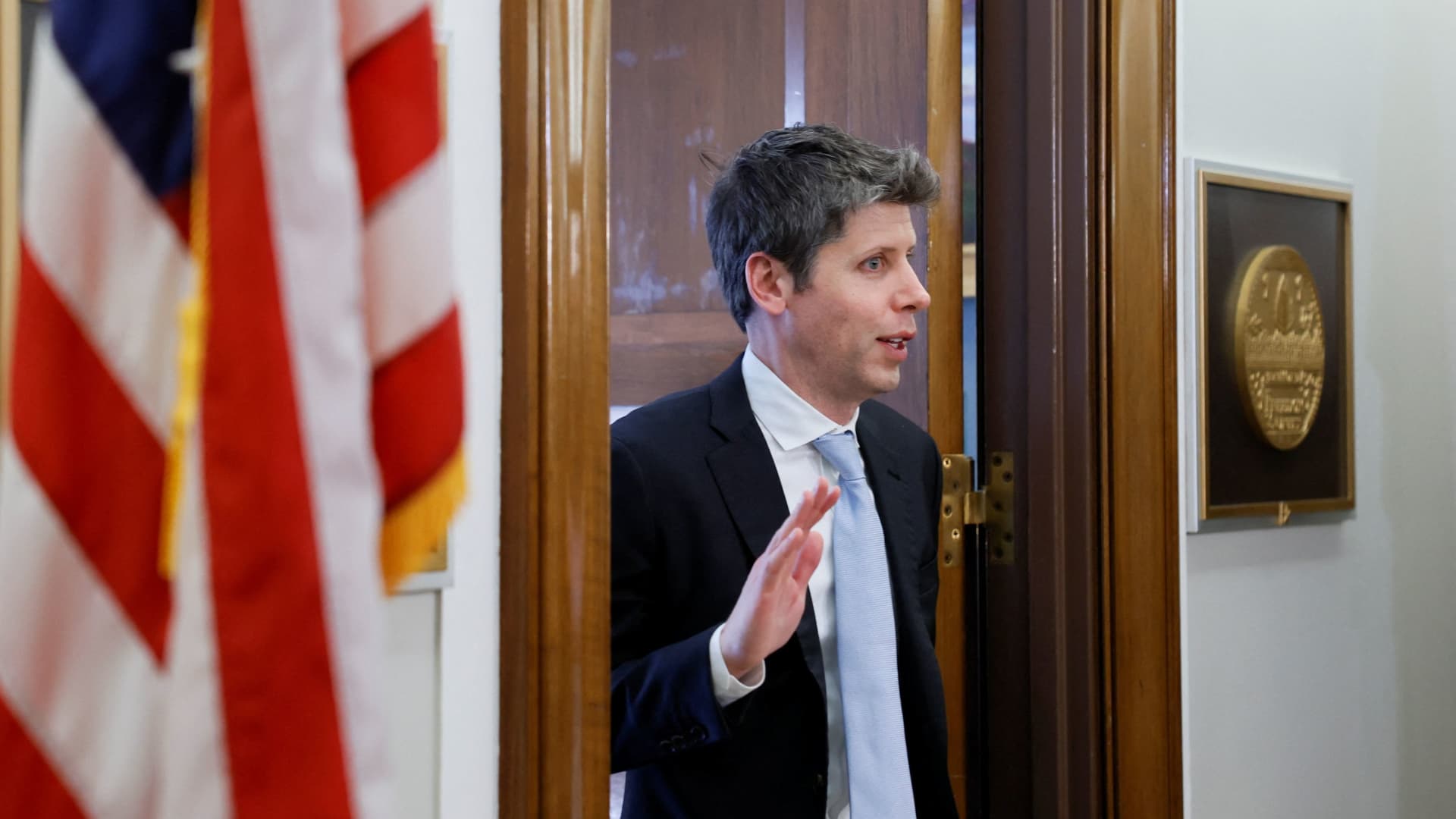
OpenAI’s highly anticipated public debut faces a potential delay, with prediction markets now pointing to an early 2027 timeline for its initial public offering. This shift in expectations, following a confidential S-1 filing, signals a more cautious approach from the AI titan amid evolving investor sentiment and market conditions. The postponement has significant implications for asset valuation across the burgeoning artificial intelligence sector.
💰 Financial Strategy & Market Insights
- IPO Timeline Shift. Kalshi traders now forecast a 59% chance of an OpenAI IPO announcement by March 1, 2027, a significant pushback from earlier 2026 expectations.
- Market Caution. The New York Times report suggests OpenAI’s advisors are more hesitant after SpaceX’s volatile post-IPO performance, influencing the strategic timing for public offerings.
- Competitive Landscape. Rival Anthropic also confidentially filed for an IPO, with 70% odds of an announcement by December 2026, creating potential first-mover advantage.
Reports from the New York Times indicate a potential delay for the highly anticipated OpenAI IPO, pushing its public market debut into 2027. This marks a notable shift from previous expectations that had the artificial intelligence powerhouse eyeing a 2026 launch, a year in which it even confidentially filed to go public on June 8. The revised outlook stems from a more cautious stance by OpenAI’s advisors, reportedly influenced by the market reception of SpaceX’s recent public debut. Elon Musk’s company experienced an initial surge followed by a significant sell-off, raising concerns among OpenAI’s leadership about retail investor interest and potential volatility upon their own listing. This cautious approach could reflect a broader market trend where mega-cap tech IPOs are undergoing increased scrutiny, especially regarding sustainable post-listing performance, a sentiment often echoed across global financial markets.
Prediction market platform Kalshi now reflects this adjusted timeline. Traders on Kalshi assign a 59% probability that an OpenAI IPO is officially announced by March 1, 2027. The odds dwindle to approximately one-in-three for an announcement before January 1, 2027, but rise to a 73% chance by June 2027. For the purposes of these contracts, Kalshi considers an IPO confirmed when the SEC declares the S-1 form effective, an official price is set, or a trading ticker is received. This indicates that market participants are factoring in a longer runway for OpenAI to mature, navigate regulatory hurdles, or simply wait for more favorable market conditions. For those interested in deeper market analysis, StockXpo offers comprehensive insights.
The context of this delay is further complicated by competitor activity. OpenAI’s chief rival, Anthropic, also confidentially filed for an IPO at the beginning of June 2026. Kalshi traders currently project a 70% chance that Anthropic officially announces its public market debut by December 2026. This creates a fascinating dynamic within the AI sector, where the timing of these foundational companies’ public offerings could significantly impact future investment trends and market liquidity. Such strategic delays, as sometimes covered by Reuters, highlight the careful dance between innovation and investor expectations. This can lead to:
- Re-evaluation of investment strategies in the AI sector.
- Increased focus on private market funding rounds as companies await optimal public market conditions.
- Heightened scrutiny of pre-IPO valuations and growth projections.
Navigating a delayed public offering like the OpenAI IPO presents a nuanced risk-reward profile for both the company and potential investors:
- Upside: A longer waiting period could allow OpenAI to further solidify its market position, diversify revenue streams, and demonstrate sustained profitability, potentially commanding a higher valuation upon listing. It also offers more time for market volatility to subside, creating a more stable environment for a public debut. Enhanced corporate governance and a clearer regulatory landscape for AI could also emerge.
- Downside Risks: Delays can lead to a loss of momentum and investor enthusiasm, particularly if competitors like Anthropic proceed with their IPOs sooner, potentially capturing market share and investor capital. Prolonged uncertainty can deter early investors or employees hoping for liquidity events. Furthermore, sustained private funding rounds might become more challenging if public market sentiment cools significantly, impacting future growth capital.
Understanding Prediction Markets: Prediction markets, like Kalshi, allow individuals to bet on the outcome of future events using contracts that trade like stocks. The prices of these contracts reflect the collective probability assigned by traders to a specific event occurring. For financial events like an IPO, they offer a dynamic, real-time indicator of market sentiment and expectations, often providing insights distinct from traditional analyst reports.
The shift in market expectations for OpenAI’s public debut is clearly reflected in prediction market probabilities:
- OpenAI IPO Announcement by March 1, 2027: 59% probability (Kalshi)
- OpenAI IPO Announcement before January 1, 2027: ~33% probability (Kalshi)
- OpenAI IPO Announcement by June 2027: 73% probability (Kalshi)
- Anthropic IPO Announcement by December 2026: 70% probability (Kalshi)
OpenAI’s Shifting Liquidity Landscape
The deferral of the OpenAI IPO has immediate implications for liquidity across the broader AI ecosystem. Companies with significant private holdings in OpenAI, whether through direct investment or employee stock options, face an prolonged wait for a potential liquidity event. This can impact the secondary market for private shares, potentially leading to discount pricing as some early investors or employees seek earlier exits. For the venture capital funds heavily invested in AI startups, this delay might influence their own fundraising cycles and portfolio rebalancing decisions, prompting a deeper look into diversification strategies. On a broader scale, a delayed mega-IPO from a foundational AI player could temporarily dampen overall investor appetite for high-valuation, pre-profit tech ventures, channeling capital towards more established, dividend-yielding assets or other less volatile investment trends.
AI Sector: Navigating Capital Shifts
The cautious stance from OpenAI’s advisors, coupled with the observed post-IPO performance of other high-profile debuts, highlights a critical juncture for the AI sector regarding capital shifts. Investors are increasingly demanding clear paths to profitability and sustainable growth rather than just disruptive potential. This pivot could see capital flow from early-stage, speculative AI ventures towards those with tangible products, clear revenue models, or strong strategic partnerships. Furthermore, the competitive dynamics between OpenAI and Anthropic—with the latter potentially going public sooner—could influence which companies capture institutional and retail investor attention first. This forces market participants to reassess their asset valuation models within AI, prioritizing robust fundamentals over pure technological promise. For comprehensive insights into financial sector movements, StockXpo is a valuable resource. For continuous educational financial insights, StockXpo’s blog offers updated analyses.
OpenAI’s Public Market Trajectory: What Comes Next?
The reported delay of the OpenAI IPO is more than just a calendar shift; it’s a strategic recalibration in the face of evolving market conditions and investor sentiment. This decision underscores a growing prudence among high-growth tech firms as they navigate the complexities of public market debuts.
- The delay signals a potential pivot towards ensuring greater financial stability and a more favorable market entry point.
- It allows for further maturation of OpenAI’s business model and a clearer demonstration of long-term profitability to public investors.
- The competitive timing with Anthropic’s potential IPO could significantly shape early investor perception and capital allocation within the AI space.
How will this calculated pause impact the future valuations and competitive landscape of the entire artificial intelligence industry?
📊 StockXpo Analyst’s View
Market Impact: The postponement of the OpenAI IPO reflects a broader market recalibration towards risk management and sustainable asset valuation in the tech sector. This delay will likely cool speculative investment in pre-IPO AI startups, shifting focus towards companies demonstrating strong unit economics and clear monetization strategies. Market liquidity for high-growth, non-profitable ventures may tighten as investors seek more proven assets.
Sector To Watch: The Artificial Intelligence sector, particularly its infrastructure and enterprise applications, remains paramount. However, the emphasis will pivot from pure research and development to commercial viability and regulatory compliance. Companies offering tangible AI solutions with established client bases, rather than speculative future potential, are likely to gain investor preference.
Financial Disclaimer:
StockXpo.com is a financial news aggregator and educational portal, not a registered investment advisor or broker-dealer. All information, news, and analysis provided herein are strictly for educational purposes and do not constitute investment, financial, legal, or tax advice. Investing in the stock market involves high risks, and past performance is not indicative of future results. StockXpo will not be liable for any financial losses or investment damages. Always consult a certified financial advisor before making market decisions.
MORE IN INSIDE FINANCE
Crypto Derivatives Trading: Blockchain.com’s Bold Move into U.S. Markets
Published: Friday, October 9, 2026 · 8:23 AM
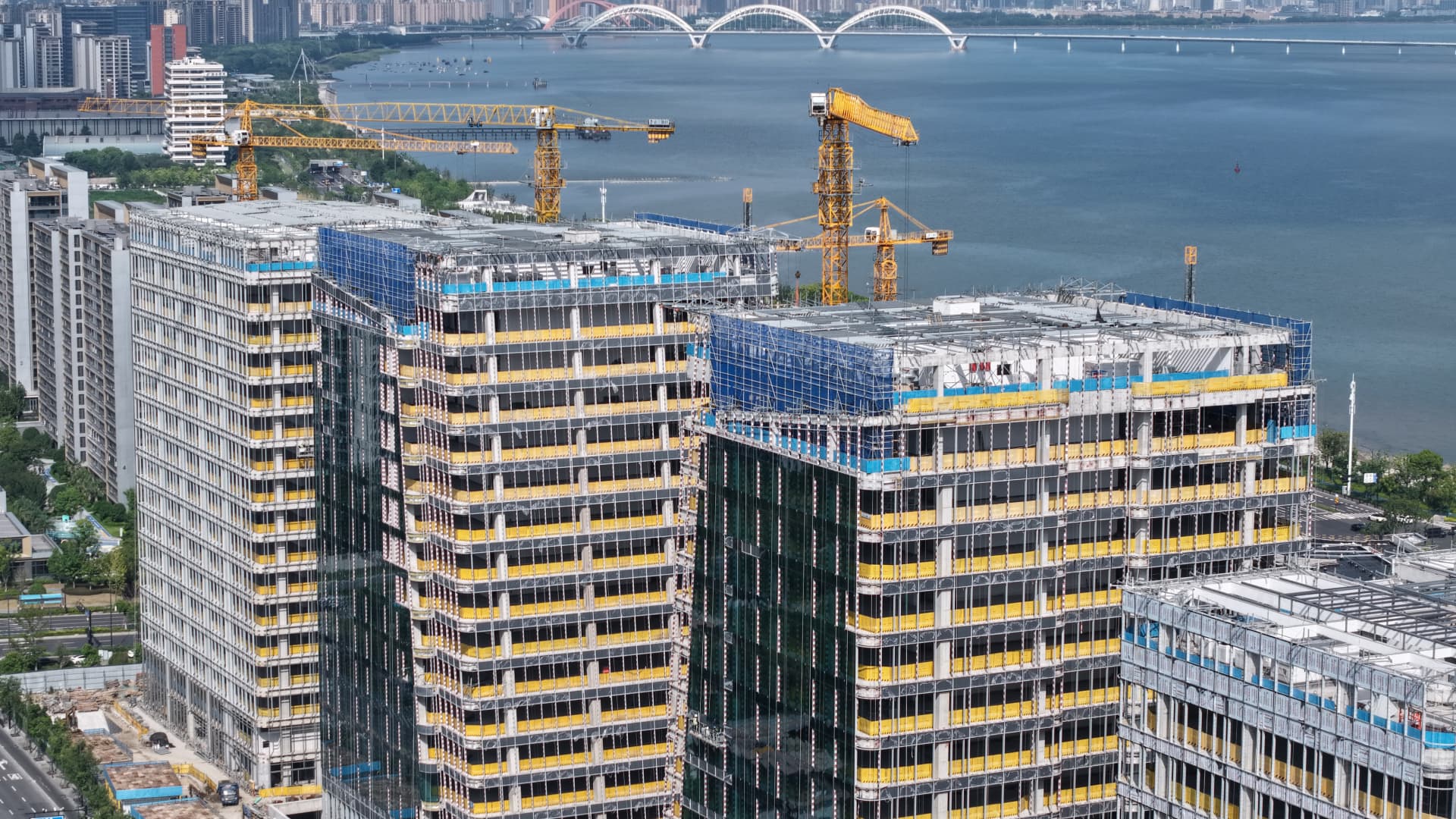
China’s Real Estate Market: A Potential Turnaround Amid Policy Shifts
Published: Thursday, October 8, 2026 · 6:10 AM