Published: Friday, June 26, 2026 · 2:22 PM | Updated: Friday, June 26, 2026 · 2:22 PM
📊 229 views




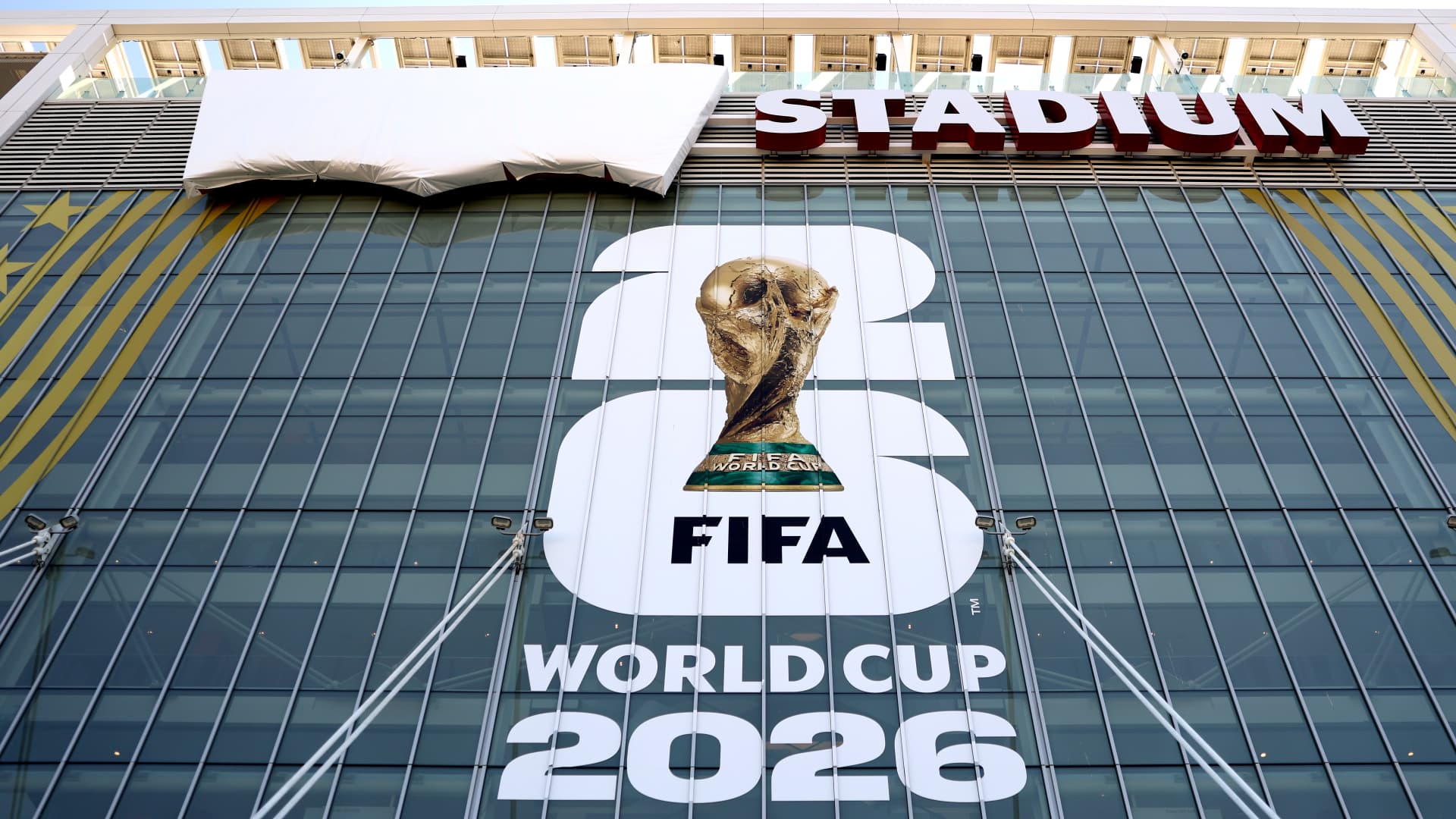
The 2026 World Cup is redefining brand engagement strategies, demonstrating that official sponsorship no longer guarantees market leadership. This year’s tournament showcases a surprising shift where non-sponsor brands are achieving superior visibility and engagement through agile, creative marketing, challenging the long-held paradigm of massive event sponsorships.
🗝️ Corporate Strategy Insights
- Agile Marketing Dominates. Non-sponsor brands are leveraging real-time trends and cultural moments, proving more effective than static, large-budget sponsorships in capturing consumer attention.
- Creative Freedom Pays Off. Unrestricted by FIFA’s guidelines, non-sponsors deploy innovative, sometimes irreverent, campaigns that resonate deeply with fans, fostering genuine emotional connections.
- Consumer Sentiment Alignment. Brands that subtly challenge the commercialization of global events tap into public frustration, earning organic support and amplified media mentions.
Official World Cup sponsors such as Adidas (ADS-DE), Coca-Cola (KO), and Qatar Airways have invested heavily, yet non-sponsors like Levi Strauss & Co. (LEVI), Nike (NKE), McDonald’s (MCD), and Lego are dominating the conversation. Advertising spending for this year’s World Cup is projected at $10.5 billion, slightly below the 2018 figure of $12.6 billion, according to WARC Media. Despite this substantial investment, market intelligence firm Sensor Tower noted a 42% week-over-week increase in World Cup advertising spend by non-sponsors in the days leading up to the tournament, indicating a late-stage surge in alternative marketing efforts.
Meltwater, a market research firm, revealed that non-sponsor brand collaborations generated nearly double the engagement of official sponsors, accumulating roughly 61 million engagements versus just 33 million. This significant gap highlights the effectiveness of creative distribution and compelling content over sheer advertising volume. Post-tournament commencement, non-sponsors garnered over 57,000 social media mentions, surpassing the 43,000 mentions for official sponsors.
- Nike’s Star Power: Nike’s World Cup advertisement, featuring global celebrities and football stars, amassed over 70 million views on YouTube, significantly outperforming official sponsor Adidas’s ad which garnered approximately 7 million views.
- Levi’s Organic Buzz: Levi’s experienced a 44% increase in mentions and a nearly fourfold surge in engagement after its stadium branding, mandated to be covered, inadvertently created social media buzz, demonstrating the power of distinctive brand iconography.
- Lego’s Social Media Mastery: Lego accounted for 82% of the top 50 most engaging non-sponsor posts across social platforms, delivering 12 times the average sponsor engagement in the pre-tournament period.
- McDonald’s Local Strategy: McDonald’s saw its engagement share rise from 2.6% to 23% in the 11 days before the first match, driven by limited-time menu items and locally tailored campaigns.
The strategic ripple effect of this trend is profound, signaling a potential shift in how brands approach major event sponsorships. The cause is clearly the ability of non-sponsor brands to execute nimble, culturally relevant campaigns that circumvent the strict regulations and often sterile messaging imposed on official partners. This creative freedom allows them to connect with audiences more authentically, often tapping into a public sentiment that views mega-events like the World Cup as overly commercialized. The effect is a higher return on investment for marketing spend for non-sponsors, manifesting in superior social media engagement, viral content dissemination, and earned media. This directly impacts official sponsors by diluting their exclusive visibility and forcing them to re-evaluate the true value of their multi-million dollar deals. Competitors are observing a shift towards agile, guerrilla marketing tactics, potentially leading to a broader industry re-evaluation of event sponsorship models and the search for authentic engagement in a fragmented media landscape, as explored in various discussions on company strategy.
“There’s a little bit of a stick-it-to-the-man mentality of we like to see these brands that are rebelling and pushing back because it’s kind of in the spirit of what the World Cup is, which is unity and meritocracy,” said Jared Watson, an assistant professor of marketing at NYU’s Stern School of Business, highlighting the consumer alignment with anti-commercialization efforts.
| Metric | Non-Sponsor Performance | Official Sponsor Performance | Significance |
|---|---|---|---|
| Total Engagements (Meltwater) | 61 Million | 33 Million | Non-sponsors generated nearly double the engagement, emphasizing content over budget. |
| YouTube Ad Views (Nike vs. Adidas) | 70 Million (Nike) | 7 Million (Adidas) | Highlights Nike’s superior celebrity endorsement and creative execution. |
| Levi’s Social Mentions Increase | +44% | N/A | Demonstrates the power of organic, witty marketing leveraging unexpected situations. |
| McDonald’s Engagement Share Change | +20.4% (from 2.6% to 23%) | N/A | Illustrates how integrated, timely campaigns can significantly boost brand visibility. |
Nike’s Competitive Advantages in Global Sports Marketing
Nike’s robust stable of athlete endorsements and deep understanding of youth culture provide it with significant competitive advantages, even without official World Cup sponsorship. By leveraging its vast network of global superstars like Cristiano Ronaldo and Erling Haaland, Nike can create compelling, high-production-value content that directly connects with football fans. This strategy allows Nike to bypass official event affiliations, focusing instead on athlete-centric storytelling that reinforces its brand as an innovator in sports performance and style. The company’s consistent investment in innovative product design and cutting-edge marketing, often targeting digitally native audiences through platforms like TikTok, fortifies its market leadership against rivals who might be constrained by traditional advertising models. Insights into global market trends and business development are crucial for such agile strategies.
Levi’s Strategic Analysis: Leveraging Organic Buzz
Levi’s demonstrated a masterful execution of earned media by strategically leaning into an unforeseen event: the covering of its stadium logo. This move transformed a potential brand visibility constraint into a viral marketing triumph. The company’s quick, creative response – changing social media profiles to reflect the ‘shrouded’ logo – resonated with audiences who appreciated the lighthearted, self-aware approach. This reflects Levi’s deep understanding of its brand iconography and its ability to connect with consumers on an emotional, human level, bypassing the need for direct, costly sponsorships. Such authentic engagement often yields greater brand loyalty and organic reach than traditional ad placements, highlighting the evolving dynamics of modern brand building, particularly for established names navigating competitive stock markets.
World Cup Advertising: A New Playbook for Brands
The 2026 World Cup has decisively proven that the most effective advertising strategies prioritize agility, creativity, and consumer alignment over sheer financial outlay for official sponsorships. Brands capable of tapping into cultural moments and consumer sentiment are poised to achieve disproportionate returns on their marketing investments.
- The traditional model of multi-million dollar sports sponsorships is being challenged by nimble, digitally-savvy brands.
- Authenticity and a willingness to engage with real-time cultural narratives are becoming paramount for consumer connection.
- The ability to react quickly and creatively to unexpected events can generate significant earned media and brand visibility.
How will major sporting organizations like FIFA adapt their sponsorship packages to maintain value in this rapidly evolving advertising landscape?
### 📊 StockXpo Analyst’s View
Market Impact: This shift in World Cup advertising signals a crucial evolution in brand value perception. Investors should recognize that marketing ROI is increasingly decoupled from traditional, high-cost sponsorships. Companies demonstrating creative agility and digital prowess in their campaigns may generate superior shareholder value, impacting how marketing budgets are allocated and evaluated.
Sector To Watch: The sportswear and consumer apparel sectors, particularly companies like Nike (NKE) and Levi Strauss & Co. (LEVI), which have proven adept at this new marketing paradigm, stand to gain. Additionally, digital advertising platforms and creative agencies specializing in real-time, culturally relevant campaigns will likely see increased demand as brands pivot from conventional strategies, as discussed in educational insights.
Financial Disclaimer:
StockXpo.com is a financial news aggregator and educational portal, not a registered investment advisor or broker-dealer. All information, news, and analysis provided herein are strictly for educational purposes and do not constitute investment, financial, legal, or tax advice. Investing in the stock market involves high risks, and past performance is not indicative of future results. StockXpo will not be liable for any financial losses or investment damages. Always consult a certified financial advisor before making market decisions.
MORE IN INSIDE BUSINESS
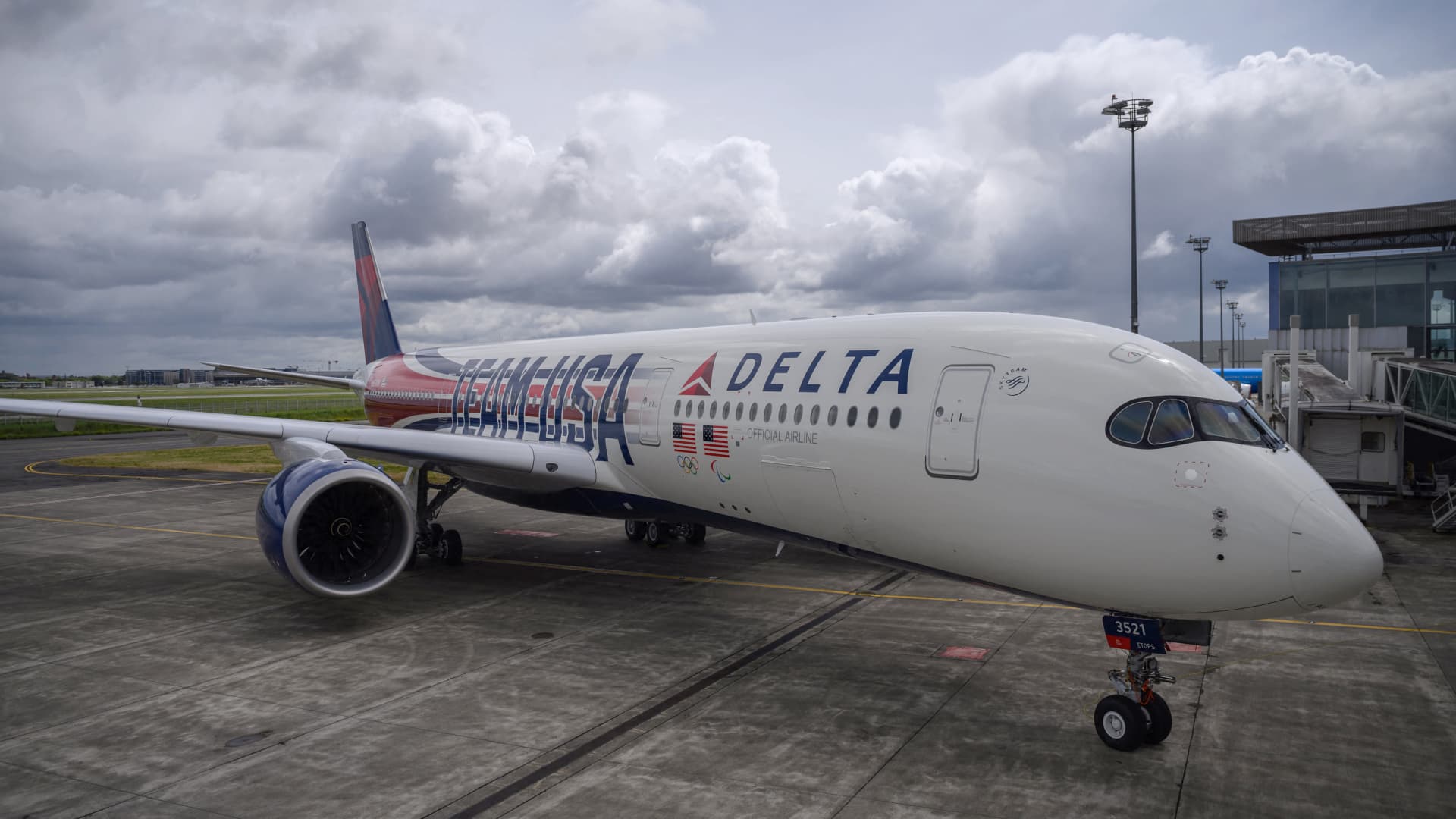
Saudi Arabia Flight Decision: Delta Weighs Safety Amid Regional Tensions
Published: Friday, October 9, 2026 · 7:21 AM
Skydance Vertical Win: Ellison’s Bold Strategy for Media Dominance
Published: Thursday, October 8, 2026 · 12:44 PM