Published: Wednesday, July 22, 2026 · 7:28 PM | Updated: Wednesday, July 22, 2026 · 7:28 PM
📊 215 views




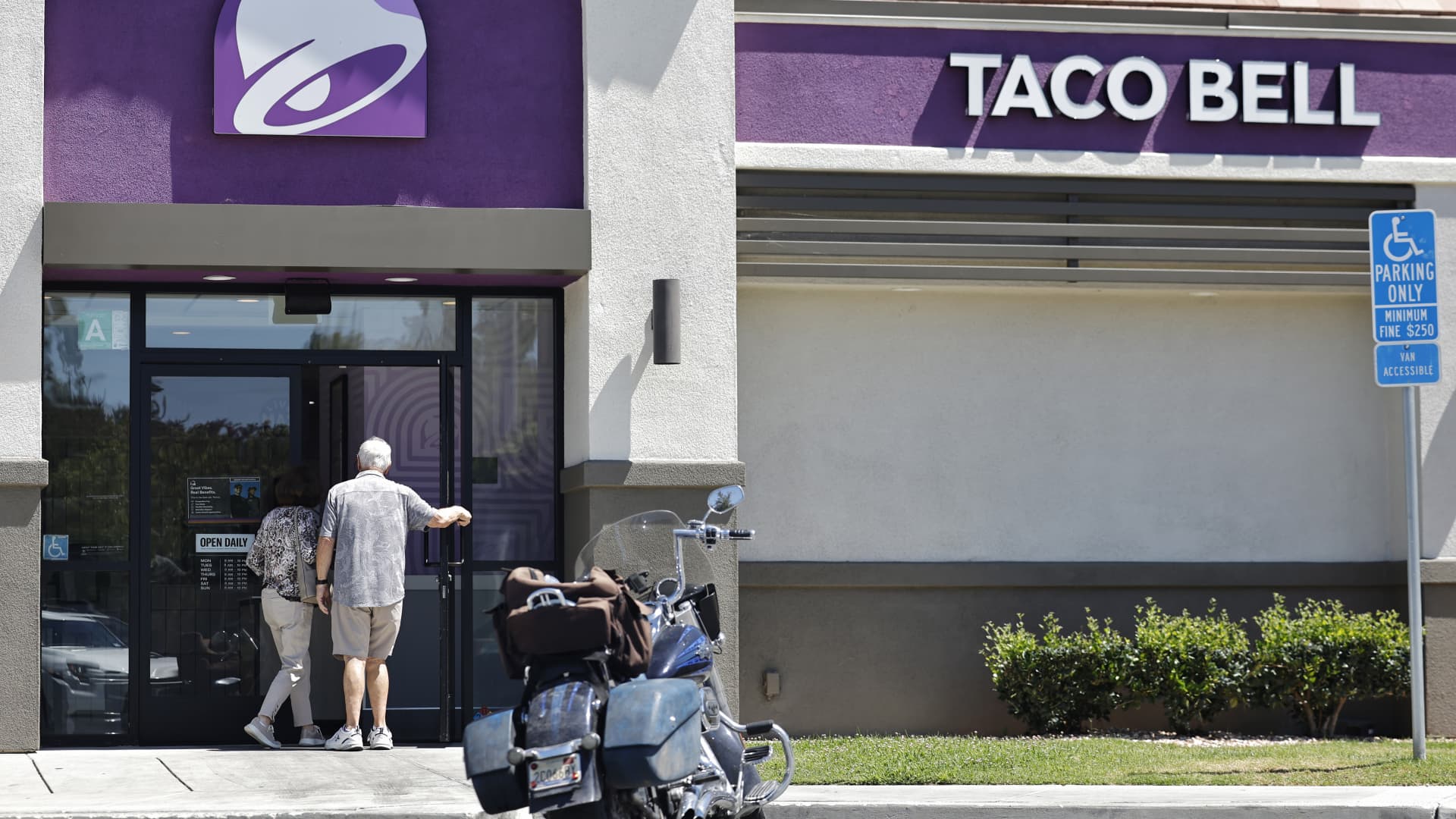
Taco Bell’s rapid response to a cyclosporiasis outbreak linked to contaminated Taco Bell lettuce demonstrates critical crisis management in the fast-food industry. This incident, while impacting Yum Brands’ stock short-term, highlights the immediate operational shifts and supply chain adjustments necessary to protect public health and brand reputation. The broader market implications underscore the delicate balance between operational efficiency and stringent food safety protocols across the restaurant sector.
🗝️ Corporate Strategy Insights
- Rapid Operational De-risking. Taco Bell swiftly removed the affected iceberg lettuce from all locations nationwide, demonstrating a proactive stance to contain the outbreak and mitigate further consumer risk.
- Supply Chain Accountability Shift. Initial focus on Taco Bell is transitioning to its supplier, Taylor Farms, which has also taken action by removing lettuce from central Mexico, illustrating shared responsibility in food safety incidents.
- Brand Resilience and Recovery Playbook. Historical data from similar past health scares suggests that well-managed incidents, particularly those without confirmed brand-level links or fatalities, lead to relatively quick stock and sales recovery, often within one to two quarters.
The recent cyclosporiasis outbreak, affecting over 1,600 individuals across five states, prompted Taco Bell, a subsidiary of Yum Brands (NYSE: YUM), to immediately remove all potentially contaminated shredded iceberg lettuce from its restaurants. The Centers for Disease Control and Prevention (CDC) linked the outbreak to Taco Bell locations in Indiana, Kentucky, Michigan, Ohio, and West Virginia, leading to a proactive nationwide removal by the company. This swift action, taken out of an ‘abundance of caution,’ aims to curb the spread of the parasite and reassure consumers.
The incident, while initially causing Yum Brands’ stock to dip nearly 7% over five days, also triggered broader concerns across the fresh produce supply chain. Other food companies utilizing fresh lettuce, such as salad chain Sweetgreen (NYSE: SG) and fast-casual operator Cava (NYSE: CAVA), also saw their shares decline, albeit with some recovery following confirmation that their ingredients were not implicated. Sweetgreen specifically highlighted that it does not use iceberg lettuce, a key differentiation strategy during such health scares.
- Market Contagion: The initial stock price movements showcased a contagion effect, where negative news for one major player like Taco Bell could temporarily depress sentiment across related food service stocks.
- Supplier Scrutiny: The investigation quickly shifted focus to Taylor Farms, the reported supplier of the implicated lettuce, which has a history of past E. Coli outbreaks linked to its products. This highlights the critical role of supplier vetting and continuous monitoring for large restaurant chains.
- Operational Adaptability: Taco Bell’s ability to swiftly remove the product nationwide underscores a robust, albeit reactive, supply chain management system capable of executing rapid recalls.
Analysts generally anticipate a contained impact for Yum Brands, with a projected recovery period of a quarter or less, echoing historical precedents from past outbreaks involving McDonald’s and Wendy’s. The fact that the contamination was limited to a topping rather than a core protein component is also seen as a factor limiting long-term damage to consumer trust. This proactive approach and transparent communication are crucial for managing brand perception and minimizing financial repercussions, a lesson well-learned from other firms’ experiences in the dynamic stock markets.
The Strategic Ripple of Food Safety Incidents
The immediate cause-and-effect chain beginning with the food safety incident at Taco Bell highlights critical vulnerabilities in the broader food service ecosystem. A localized health scare (cyclosporiasis outbreak) led to a rapid operational adjustment (removal of Taco Bell lettuce) which then triggered immediate financial market reactions (Yum Brands stock dip, broader sector anxiety). The strategic ripple effect extends beyond the directly impacted brand, influencing investor perception of the entire fresh produce supply chain. Competitors like Sweetgreen and Chipotle, by issuing clear statements about their non-involvement and different ingredient sourcing, actively work to ring-fence their market share and protect their brand equity. This demonstrates that proactive communication and robust supply chain diversification become competitive advantages in a crisis. The shifting narrative from ‘Taco Bell outbreak’ to ‘supplier issue’ exemplifies how strategic communication can redirect public scrutiny, alleviating direct brand blame and mitigating prolonged revenue disruption.
“The historical playbook for food-safety scares that carry no confirmed brand-level link and no fatalities, points to a one-to-two-quarter demand air-pocket and a stock that tends to recover within two quarters.”
Market Indicators Post-Outbreak
- Yum Brands Stock Performance: Declined nearly 7% over five days, reflecting immediate investor apprehension, but analysts project a swift recovery.
- Sweetgreen (SG) & Cava (CAVA) Stock: Initially plunged 13% and 3% respectively, before rebounding as their non-involvement in the specific outbreak was clarified, indicating market sensitivity to supplier links.
- Foot Traffic Trends (Placer.ai data): Showed declining customer visits at chains serving fresh lettuce, like Taco Bell, during the peak of the news cycle, suggesting immediate consumer caution.
These indicators collectively underline the transient nature of such market shocks, particularly when the company demonstrates swift, decisive action and the issue can be clearly attributed to a specific supplier.
Yum Brands’ Competitive Advantages in Crisis
Yum Brands, as the parent company of Taco Bell, Pizza Hut, and KFC, possesses significant competitive advantages that enable it to weather such localized crises more effectively than smaller, single-brand operators. Its vast scale provides inherent diversification across multiple global brands and product categories. This portfolio approach means that a temporary setback in one segment, such as Taco Bell, does not cripple the entire enterprise. Furthermore, Yum Brands has extensive experience and resources to deploy sophisticated crisis management protocols, including rapid product recalls, enhanced supplier audits, and public relations strategies aimed at restoring consumer confidence. The financial depth of a company of Yum’s size allows it to absorb short-term revenue dips and invest in necessary remedial actions without jeopardizing its long-term corporate growth. This resilience is a key differentiator in a high-volume, quick-service restaurant industry often susceptible to food safety challenges, helping it navigate market trends with greater stability.
Taco Bell’s Industry Benchmarking for Recovery
Taco Bell’s response to the cyclosporiasis outbreak aligns closely with industry benchmarking for crisis recovery, particularly within the fast-food sector. Previous incidents, such as the E. Coli outbreaks affecting McDonald’s and Wendy’s in recent years, provide a clear playbook. Companies that act decisively, communicate transparently, and are perceived to address the root cause effectively, tend to see demand and stock prices recover within one to two quarters. The fact that the contamination was linked to a specific ingredient, rather than a fundamental component of the brand’s offerings (like meat), further supports a swifter rebound, as consumer behavior shifts are often less entrenched. This adherence to a proven recovery model, coupled with Taco Bell’s recent strong sales performance, positions it favorably to regain customer trust and sales momentum efficiently, as highlighted by various business reporting. Learn more about business strategy through StockXpo’s educational insights on our blog.
Yum Brands’ Path Forward After the Lettuce Scare
While the recent Taco Bell lettuce recall posed an immediate challenge, Yum Brands’ experience and the contained nature of the outbreak suggest a swift return to normalcy. The company’s decisive actions and the shift of public scrutiny to the supplier are critical factors in mitigating prolonged brand damage.
- Swift operational measures prevented wider contamination and demonstrated accountability.
- Historical precedents indicate a short-term financial impact, with recovery expected within two quarters.
- Reinforced focus on supply chain diligence will be paramount for future risk mitigation.
Will this incident catalyze a permanent shift in how major restaurant chains manage their fresh produce supply chains, or will it remain another temporary blip on the industry’s radar?
### 📊 StockXpo Analyst’s View
Market Impact: The market’s reaction, characterized by an initial dip and subsequent sector-specific rebound for unrelated players, underscores the increasing investor sophistication in differentiating direct corporate liability from broader supply chain risks. This episode is likely to reinforce the premium placed on companies with resilient, diversified supply chains and robust crisis communication strategies. For insights into global market trends, visit Bloomberg’s financial news.
Sector To Watch: The fresh produce supply chain sector, particularly major distributors like Taylor Farms, will face heightened scrutiny and potentially increased demand for advanced traceability and safety protocols. Investors should monitor companies innovating in food safety technology and supply chain transparency, as this incident could accelerate their adoption across the food service industry. For more in-depth business analysis, check out Reuters business reporting.
Financial Disclaimer:
StockXpo.com is a financial news aggregator and educational portal, not a registered investment advisor or broker-dealer. All information, news, and analysis provided herein are strictly for educational purposes and do not constitute investment, financial, legal, or tax advice. Investing in the stock market involves high risks, and past performance is not indicative of future results. StockXpo will not be liable for any financial losses or investment damages. Always consult a certified financial advisor before making market decisions.
MORE IN INSIDE BUSINESS
United Airlines Profit Outlook Slashed Amid Fuel Costs, Strong Demand Persists
Published: Wednesday, October 21, 2026 · 7:30 AM
General Motors Earnings Preview: A 30% EPS Surge Amidst Market Caution
Published: Tuesday, October 20, 2026 · 1:11 AM