Published: Tuesday, September 29, 2026 · 9:54 AM | Updated: Tuesday, September 29, 2026 · 9:54 AM
📊 134 views




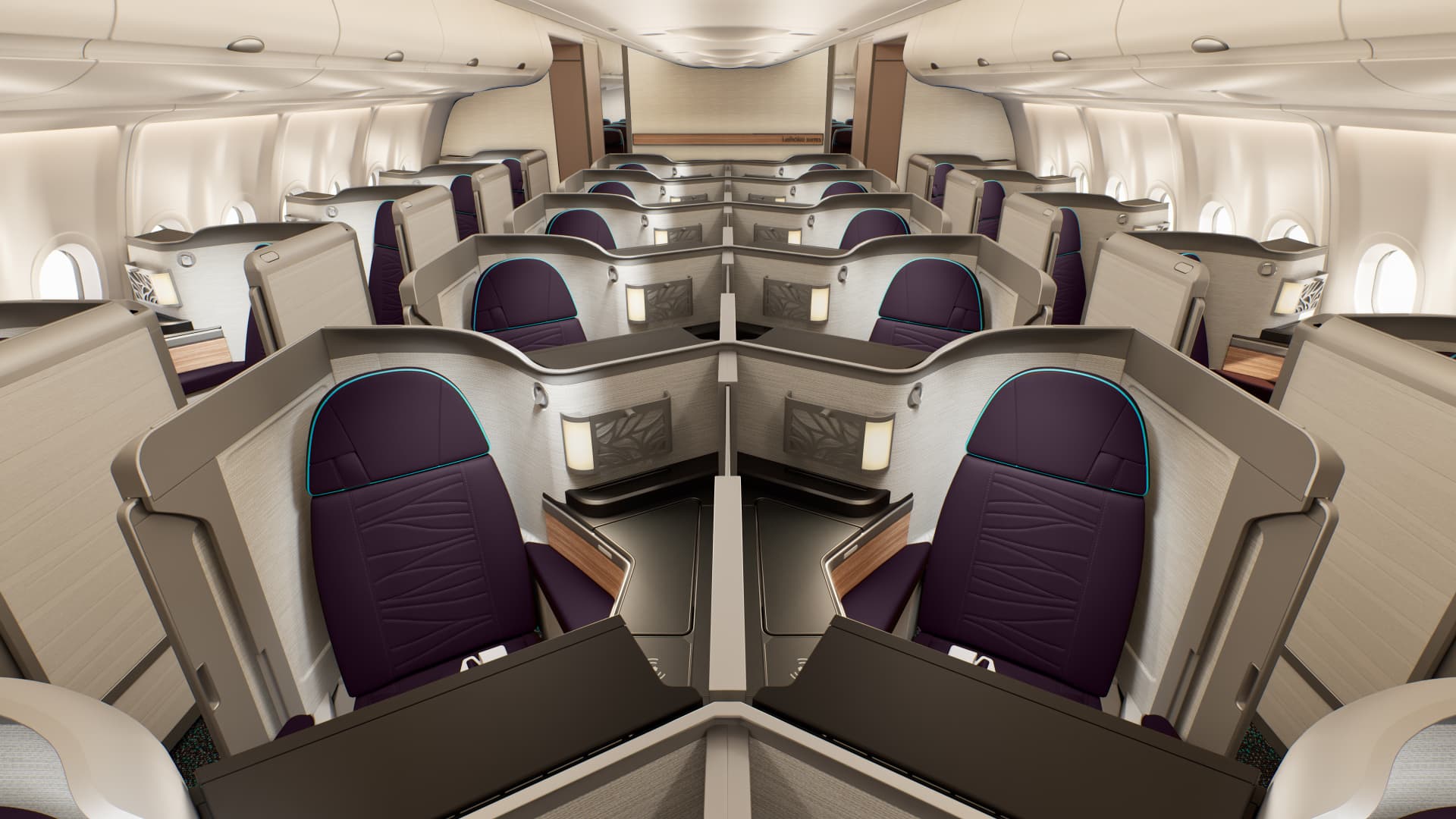
Alaska Airlines is embarking on a significant cabin overhaul across its combined Alaska and Hawaiian Airlines fleet, strategically betting on the sustained demand for high-end travel luxuries. This aggressive move, unveiled ahead of its investor day, aims to capture a larger share of the lucrative premium market and boost annual profits by an ambitious $1 billion by 2027. The carrier’s investment signals a clear pivot towards higher-margin revenue streams, a critical response to fluctuating fuel costs and intense industry competition.
🗝️ Corporate Strategy Insights
- Premiumization Drive. Alaska Airlines is investing heavily in new lie-flat suites (Aurora) and premium economy (Premium Reserve) across its Boeing 787s, 737 Max 10s, and Hawaiian A330s to target high-yield customers.
- Revenue Diversification. The airline forecasts that higher-margin products like premium seats, international flights, loyalty programs, and cargo will constitute nearly 60% of total revenue by 2030, up from 53% currently, reducing reliance on main cabin fares.
- Enhanced Loyalty Ecosystem. Alongside cabin upgrades, Alaska is launching a new rewards debit card and modifying its frequent flyer program to expand its reach and monetize customer loyalty more effectively, aligning with broader industry trends.
The airline industry has observed a sustained willingness among travelers to pay a premium for comfort and luxury, a trend Alaska Airlines is now aggressively capitalizing on. The announced Alaska Airlines premium cabin overhaul, encompassing both Alaska and its recently merged Hawaiian Airlines brand, introduces hundreds of new high-end seats and expanded airport lounges. This strategic pivot aims to significantly bolster the company’s profitability, targeting an additional $1 billion in profit between 2024 and 2027. With two-thirds of this goal already achieved, the carrier is demonstrating tangible progress in its ambitious plan.
This substantial investment reflects a broader industry shift where airlines, including competitors like Delta, United, and American, have been revamping their fleets to prioritize premium offerings over standard economy seating. For Alaska, whose fleet historically lacked extensive lie-flat or advanced premium options, this represents a significant modernization effort. Industry experts suggest a ‘last mover’ advantage, allowing Alaska to observe and potentially surpass competitors’ offerings. The new ‘Aurora’ lie-flat suites on Boeing 787 Dreamliners and 737 Max 10s, alongside ‘Premium Reserve’ economy sections, are designed to elevate the travel experience, particularly on lucrative cross-country and international routes.
The changes extend to Hawaiian Airlines’ 24 Airbus A330s, which will receive 22 all-new first-class suites with sliding doors and their first-ever premium economy sections, starting in 2028. This refurbishment addresses ‘aging interiors’ and aims to appeal to Hawaii’s valuable West Coast visitor base. Complementing these cabin upgrades, new Alaska lounges are planned for Seattle-Tacoma International Airport and Honolulu’s Terminal 1, featuring dedicated spaces for Aurora suite flyers, mirroring the tiered lounge systems of larger carriers. This integrated approach not only enhances the physical product but also reinforces the loyalty ecosystem.
Alaska is also extending its revenue diversification efforts into its financial products. The company plans to launch a rewards debit card for its Atmos loyalty program early next year, expanding its co-branded offerings beyond traditional credit cards with Bank of America. This move, aiming to attract younger demographics and new U.S. arrivals, aligns with similar initiatives by rivals like Southwest and United, who partner with JPMorgan Chase. Furthermore, changes to the Atmos frequent flyer program will shift earning mechanisms to prioritize spending or segments flown over distance, reflecting an industry-wide trend toward monetizing customer value more directly. These strategic initiatives are expected to enhance overall operational efficiency, driving future profit growth and strengthening the airline’s competitive position within the evolving market dynamics. Those interested in broader company strategy or corporate growth can find further reading on the StockXpo business analysis section.
- Alaska’s premium seating will include ‘Aurora’ lie-flat suites and ‘Premium Reserve’ premium economy sections.
- Hawaiian Airlines’ A330s will receive new first-class suites with sliding doors and its first premium economy.
- New airport lounges in Seattle and Honolulu will enhance the premium customer experience.
- A new rewards debit card and changes to the Atmos loyalty program aim to broaden customer engagement and revenue.
Alaska Airlines’ strategic push into premium offerings is set to create a significant ripple effect across the U.S. airline industry, particularly impacting its competitive landscape. The rollout of lie-flat suites and enhanced premium economy seats on its Boeing and Airbus fleets will directly challenge established premium carriers like Delta, United, and American on key transcontinental and international routes. This product upgrade could lead to increased market share in high-yield segments, potentially drawing business travelers and affluent leisure customers who previously opted for competitors with superior premium cabins.
The focus on revenue diversification, moving towards 60% of total revenue from higher-margin sources by 2030, suggests a fundamental shift in Alaska’s business model. This could compel rival airlines to re-evaluate their own premiumization strategies, potentially accelerating their cabin refurbishment cycles or enhancing loyalty programs to retain their high-value customer bases. The introduction of tiered lounge access, similar to larger rivals, further indicates an intent to compete directly for the most profitable clientele. Moreover, the expansion of its co-branded financial products with a new debit card could broaden its customer acquisition funnel, putting pressure on competitors to innovate their own loyalty program extensions. This aggressive strategy aims not just for incremental gains but for a structural change in Alaska’s revenue profile, enhancing its resilience against economic fluctuations and fuel price volatility. For comprehensive market insights, readers often refer to reliable financial publications like Reuters business reporting.
‘Alaska’s decision to embrace a comprehensive premium cabin overhaul and loyalty program expansion represents a critical strategic bet, positioning them to capture higher-margin revenue and compete more effectively with legacy carriers in the lucrative high-end travel segment, fundamentally reshaping their future profitability profile.’
While specific financial metrics for the overhaul’s direct impact are projected for the future, Alaska Airlines provided several key indicators:
- Targeted Profit Growth: $1 billion in added profit from the end of 2024 to the end of 2027. This represents a significant increase in projected earnings, underpinning the scale of the strategic investment.
- Current Progress: Alaska stated it is two-thirds of the way towards its $1 billion profit goal, indicating early traction from strategic initiatives or prior investments.
- Revenue Mix Shift: Higher-margin products are projected to reach close to 60% of total revenue by 2030, up from 53% currently. This diversification strengthens financial resilience.
- Seat Count Reduction (Hawaiian A330s): Total seats will decrease from 278 to 254 per aircraft. This reduction emphasizes the trade-off of volume for value, increasing premium seat density and average revenue per passenger.
These indicators collectively demonstrate a clear strategic commitment to enhancing shareholder value through premiumization and operational efficiency.
Alaska Airlines Strategic Analysis: Charting a Course for Profit Growth
Alaska Airlines’ strategic direction is clearly focused on leveraging the enduring demand for premium travel experiences. By integrating premium products like lie-flat suites and enhanced lounges across both its core brand and Hawaiian Airlines, the company aims to not only increase its average revenue per passenger but also strengthen its appeal to a more affluent demographic. This move comes at a time when other airlines have already invested heavily in premium cabins, suggesting Alaska is entering this competitive space with a refined product, benefiting from market learnings. The simultaneous expansion of its loyalty program through new financial products, such as the rewards debit card, is a shrewd tactic to deepen customer engagement and generate non-flight revenue, creating a more robust and sticky customer base. This comprehensive approach underscores a disciplined capital allocation strategy designed to yield long-term profitability amidst an often volatile industry. For more information on investment analysis, readers can explore various resources on StockXpo.
Alaska Airlines Competitive Advantages: Leveraging Unique Market Position
Alaska Airlines possesses several competitive advantages as it executes this premiumization strategy. Its strong presence on the West Coast, particularly in Seattle and Hawaii, provides a valuable geographic base for attracting high-income travelers. The integration of Hawaiian Airlines, while maintaining separate brands, allows Alaska to offer a broader network with enhanced premium options for lucrative trans-Pacific routes, differentiating itself from carriers with less direct access to this market. By being a ‘last mover’ in certain premium product categories, as noted by industry consultants like Henry Harteveldt, founder of Atmosphere Research Group, Alaska has the opportunity to launch a more refined and competitive product, learning from competitors’ successes and shortcomings. Furthermore, its long-standing operational efficiency and customer service reputation, often cited in industry rankings, could provide a foundation for seamlessly integrating these new premium offerings and delivering a superior overall experience that fosters loyalty and commands premium pricing.
Alaska Airlines’ Premium Push: A Game-Changer for Market Leadership?
Alaska Airlines’ bold move into the high-end travel segment is more than just a cabin upgrade; it is a fundamental reorientation of its core business model. This strategy aims to solidify its position in a fiercely competitive market by catering to a lucrative demographic, thereby enhancing both revenue stability and profitability. The integration of new luxury offerings with expanded loyalty programs positions the airline for sustained growth, provided execution is flawless.
- Aims for significant profit growth by shifting revenue mix towards high-margin services.
- Introduces competitive lie-flat suites and premium economy across its fleet.
- Expands loyalty program with innovative financial products to deepen customer engagement.
What will be the long-term impact of this premium pivot on Alaska’s market share and profitability trajectory?
📊 StockXpo Analyst’s View
Market Impact: This aggressive premiumization strategy from Alaska Airlines is likely to be viewed positively by investors, signaling a clear path to higher revenue quality and improved margins. The focus on loyalty programs and diversified income streams should enhance financial resilience, potentially leading to a re-rating of the stock as it moves closer to the operational efficiency and revenue profiles of its larger, more premium-focused peers. While execution risks remain, the clear targets and strategic alignment with market demand could boost investor confidence.
Sector To Watch: The airline industry, particularly the premium segment and associated loyalty program providers (like co-branded credit card partners), will be key to monitor. Success here could prompt other mid-tier carriers to follow suit, intensifying the race for high-value customers and potentially driving innovation in passenger experience across the sector.
Financial Disclaimer:
StockXpo.com is a financial news aggregator and educational portal, not a registered investment advisor or broker-dealer. All information, news, and analysis provided herein are strictly for educational purposes and do not constitute investment, financial, legal, or tax advice. Investing in the stock market involves high risks, and past performance is not indicative of future results. StockXpo will not be liable for any financial losses or investment damages. Always consult a certified financial advisor before making market decisions.
MORE IN INSIDE BUSINESS
American Airlines loss forecast: Strategic Capacity Slowdown Expected
Published: Thursday, October 22, 2026 · 8:40 AM
United Airlines Profit Outlook Slashed Amid Fuel Costs, Strong Demand Persists
Published: Wednesday, October 21, 2026 · 7:30 AM