
Published: Saturday, September 26, 2026 · 8:57 AM | Updated: Saturday, September 26, 2026 · 8:57 AM
📊 145 views




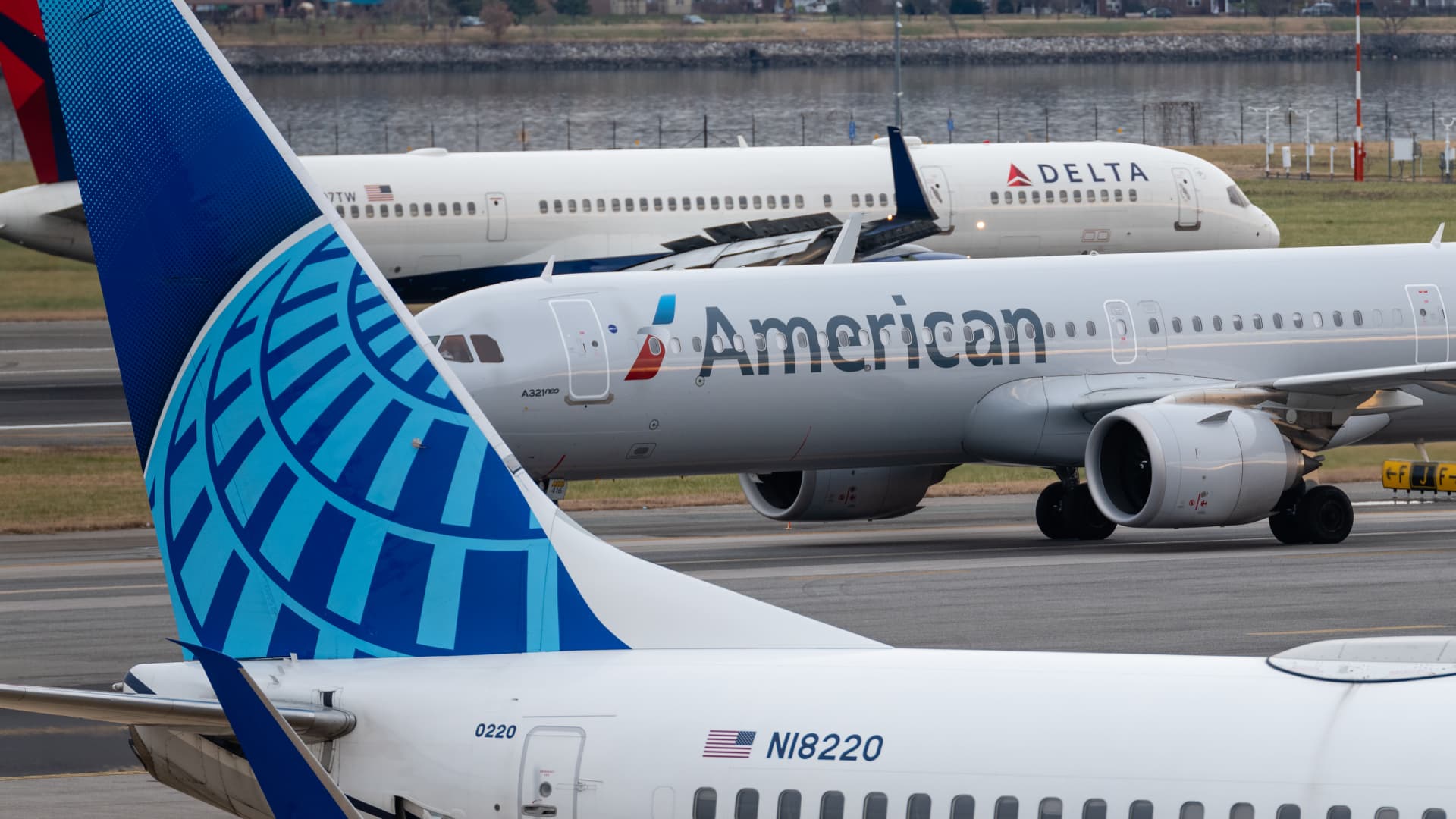
U.S. airlines, including giants like American, United, Delta, and JetBlue, have proactively announced they will waive change fees for flights impacted by an impending nor’easter. This move, while aimed at mitigating travel disruptions, also underscores a strategic shift towards prioritizing customer experience and operational flexibility in the face of severe weather events.
🗝️ Corporate Strategy Insights
- Proactive Customer Retention. By waiving fees, airlines aim to reduce friction for travelers, fostering goodwill and potentially encouraging rebooking rather than outright cancellations, which supports long-term customer loyalty.
- Operational Resilience & Efficiency. This policy allows airlines to better manage flight schedules and aircraft repositioning by incentivizing passengers to adjust their plans, thereby reducing last-minute operational chaos and associated costs.
- Competitive Differentiation. In a highly competitive sector, a customer-centric approach to disruptions, especially after a period of intense travel issues, can serve as a subtle differentiator against rivals, enhancing brand perception.
The decision by major U.S. carriers to airlines waive fees for travelers facing the nor’easter-induced flight disruptions from Friday through Sunday highlights a refined approach to crisis management within the aviation industry. Federal forecasters have warned of significant impacts, including high winds, heavy rainfall, and potential for dangerous flooding across New England and the New York metropolitan area. This proactive measure by American Airlines, United Airlines, Delta Air Lines, and JetBlue Airways signals an industry-wide recognition of the need for greater operational agility and customer consideration.
Already, the storm’s initial effects are visible, with FlightAware reporting approximately 250 cancellations in Boston by Saturday morning, accounting for about a quarter of the day’s schedule. Furthermore, Friday saw over 600 flights to and from New York’s LaGuardia Airport delayed, affecting nearly 60% of its operations, alongside numerous other delays at key regional airports. This swift action to waive change fees allows passengers to rebook flights without penalty, typically for travel before the middle of next week, offering crucial flexibility during unpredictable weather events.
This strategy contrasts with previous industry responses where passengers often faced significant financial penalties for weather-related changes. The shift reflects lessons learned from recent disruptive events, including an equipment outage earlier this week that crippled flights into New York and Philadelphia. Airlines are now keen to streamline the disruption recovery process, managing crew and aircraft placement more efficiently, and crucially, preserving customer trust in a volatile travel environment. The industry’s ability to pivot to such policies showcases an evolving understanding of the interconnectedness between operational robustness and customer satisfaction, crucial for long-term viability in a competitive market as discussed by market analysts on global financial markets.
The industry’s collective decision to waive change fees creates a strategic ripple effect across the U.S. aviation landscape.
- Proactive Customer Service → Enhanced Brand Loyalty → Mitigated Revenue Loss: By removing rebooking penalties, airlines reduce customer frustration, fostering loyalty that encourages future bookings. This proactive measure minimizes the negative publicity and potential customer churn associated with forced cancellations, thereby mitigating a more significant long-term revenue impact.
- Operational Flexibility → Reduced Airport Congestion → Improved Turnaround Times: Allowing passengers to voluntarily change flights helps distribute demand, preventing overcrowding at airports during peak disruption. This streamlines ground operations, potentially improving aircraft turnaround times and allowing airlines to reposition assets more effectively for post-storm recovery.
- Competitive Harmonization → Industry Standard Setting → Reduced Price Competition Pressure: When major carriers simultaneously adopt such policies, it creates a de facto industry standard for managing severe weather. This lessens the immediate pressure for individual airlines to compete solely on price during crises, allowing a focus on service reliability and operational performance. Competitors who do not follow suit risk a decline in public perception and market share. This strategic alignment underscores broader trends in corporate growth and market positioning.
“Waiving change fees during severe weather is more than a customer service gesture; it’s a critical component of modern airline operational strategy. It optimizes network recovery, reduces call center load, and fundamentally reinforces the social contract with travelers, crucial for maintaining long-term brand equity in a highly scrutinized industry.”
While specific financial metrics detailing the cost of fee waivers or the exact revenue loss from cancellations are still being assessed, initial operational indicators reveal the scale of impact:
- Boston Flight Cancellations: Approximately 250 flights (roughly 25% of Saturday’s schedule) were canceled. This metric indicates the immediate operational disruption and the airline’s decision to prioritize safety and network integrity over maintaining all scheduled services.
- LaGuardia Flight Delays: Over 600 flights (close to 60% of Friday’s schedule) experienced delays. High delay rates are a key indicator of systemic strain on airport infrastructure and airline operational readiness, often leading to cascading disruptions across the network.
- Widespread Airport Impact: Numerous other delays affected major New England and New York-area airports. This signals a broad regional impact, necessitating a coordinated response from multiple carriers and air traffic control authorities.
Delta Air Lines’ Operational Strategy Amid Disruptions
Delta Air Lines, consistently rated for its operational performance, frequently employs a proactive strategy during anticipated weather events. Their decision to waive fees aligns with a broader commitment to customer satisfaction and operational stability. By allowing passengers to modify plans well in advance, Delta minimizes the chaos at its hubs and reduces the need for costly last-minute reassignments of crew and aircraft. This approach helps protect its premium brand image and maintains customer loyalty, distinguishing it in a competitive market focused on service quality, as observed by analysts following major business developments.
American Airlines’ Competitive Advantages in Crisis Management
For American Airlines, participating in the fee waiver initiative underscores its drive to maintain competitive parity and enhance its service reputation. Historically, managing large-scale disruptions has been a significant challenge for legacy carriers. This coordinated industry response demonstrates American’s understanding that customer-centric policies, especially during adverse events, are crucial for sustaining its market position and retaining valuable business and leisure travelers. Such actions build resilience and trust, critical components of its long-term strategy, offering valuable lessons for those studying educational insights in financial markets.
Airlines Waive Fees: Navigating the Future of Air Travel
The widespread decision by leading U.S. airlines to waive change fees ahead of the nor’easter represents a significant evolution in airline crisis management and customer engagement. This move reflects a strategic imperative to balance operational efficiency with passenger goodwill, especially given the increased scrutiny on airline performance.
- Enhanced customer flexibility will likely set new industry expectations for handling future weather-related disruptions.
- The immediate cost of waiving fees is offset by potential long-term gains in brand loyalty and reduced operational overhead from smoother rebooking processes.
- This collaborative industry response signals a collective effort to mitigate widespread travel chaos and improve the overall travel experience during unforeseen events.
As climate patterns intensify and travel demand remains high, how will airlines continue to adapt their operational and customer service strategies to maintain market leadership?
### 📊 StockXpo Analyst’s View
Market Impact: This coordinated action, while incurring short-term revenue loss from waived fees, is largely positive for investor sentiment. It demonstrates proactive risk management and a commitment to customer retention, which underpins long-term financial stability. Reduced operational bottlenecks from smoother rebooking could also prevent more severe, costlier disruptions.
Sector To Watch: The airline sector itself will be under close observation for its adaptability to climate-related challenges. Beyond direct travel, industries reliant on logistics and just-in-time supply chains, like retail and manufacturing, could see indirect impacts from prolonged air cargo disruptions, making logistics stocks also a key watch area.
Financial Disclaimer:
StockXpo.com is a financial news aggregator and educational portal, not a registered investment advisor or broker-dealer. All information, news, and analysis provided herein are strictly for educational purposes and do not constitute investment, financial, legal, or tax advice. Investing in the stock market involves high risks, and past performance is not indicative of future results. StockXpo will not be liable for any financial losses or investment damages. Always consult a certified financial advisor before making market decisions.
MORE IN INSIDE BUSINESS

Nike India Campus: A Strategic Growth Bet Amidst Turnaround Challenges
Published: Friday, October 16, 2026 · 8:36 AM

Fuel Economy Targets: A Multi-Billion Dollar Boost for Automakers
Published: Thursday, October 15, 2026 · 9:58 AM


