
Published: Monday, September 28, 2026 · 1:45 PM | Updated: Monday, September 28, 2026 · 1:45 PM
📊 187 views




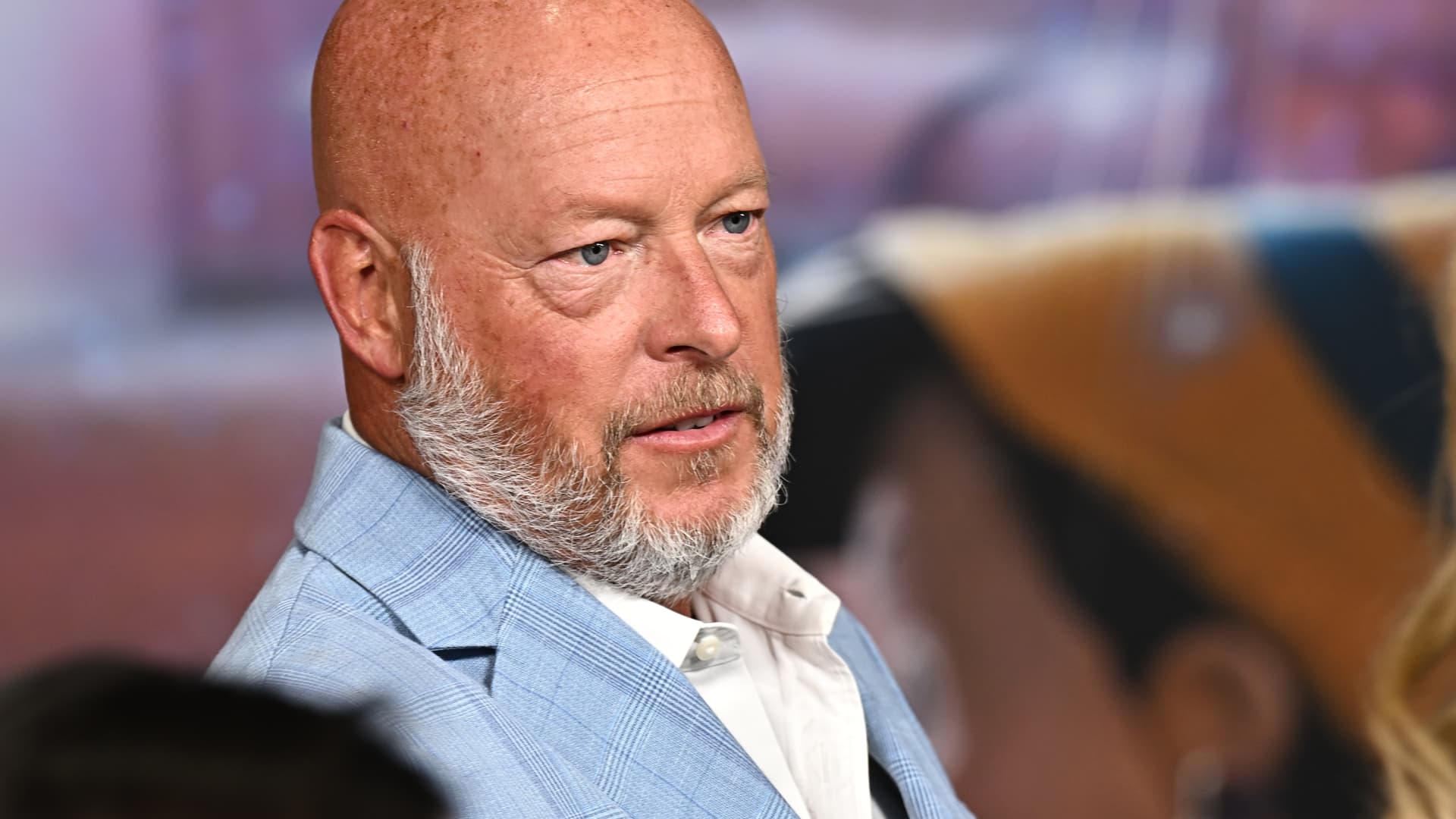
Former Disney CEO Bob Chapek’s recent revelations about a persistent power struggle with Bob Iger during his leadership tenure expose critical insights into corporate governance and executive succession at one of the world’s largest media conglomerates. His account, detailed in a new memoir and a CNBC interview, underscores the profound impact internal strife can have on a company’s strategic direction and operational efficiency during pivotal market shifts. The public discourse surrounding Disney CEO Bob Chapek’s time at the helm highlights crucial lessons for all corporate boards.
🗝️ Corporate Strategy Insights
- Succession Challenges. The public airing of grievances highlights the inherent risks in complex leadership transitions, particularly when a former CEO remains actively involved, potentially undermining a successor’s authority and strategic initiatives.
- Board Oversight Imperative. Chapek’s claims of raising weekly concerns with the board, which were reportedly dismissed, call into question the effectiveness of corporate governance mechanisms in managing internal executive conflicts and protecting the CEO’s operational autonomy.
- Operational Disruption Risk. Prolonged internal power struggles divert leadership attention from critical business challenges, such as navigating a global pandemic or spearheading new content strategies for platforms like Disney+, potentially hampering overall operational efficiency and innovation.
Bob Chapek, who took the helm of Disney just weeks before the COVID-19 pandemic, faced the unprecedented challenge of navigating global shutdowns of theme parks and movie theaters. His recent memoir, ‘Behind the Castle Walls,’ and an interview with CNBC reveal that while he grappled with these external crises, he was simultaneously battling internal resistance from his predecessor, Bob Iger, who remained as Executive Chairman. Chapek alleges that Iger actively worked against him, frequently trashing his leadership in private conversations that eventually reached Chapek’s ears.
These revelations paint a picture of a tumultuous leadership environment where the new CEO struggled to establish authority. Chapek reportedly brought these concerns to the Disney board on a weekly basis, only to be met with assurances that Iger would depart in two years, characterizing the behavior as ‘Bob being Bob’. This perspective from Chapek highlights a significant governance challenge: the inability or unwillingness of the board to decisively address a clear conflict between the sitting CEO and his predecessor. The ongoing internal friction likely impacted the company’s ability to execute its strategies effectively, particularly during a period requiring agile decision-making and unified leadership. This situation underscores how critical seamless corporate growth requires clear lines of authority.
- Leadership Erosion: Iger’s reported actions created a fractured leadership structure, making it difficult for Chapek to implement his vision for the company.
- Board Complicity: The board’s apparent inaction, despite weekly warnings, suggests a failure to protect the CEO’s mandate and ensure stable leadership.
- Strategic Distraction: The power struggle diverted executive attention from crucial strategic initiatives, such as the aggressive expansion of Disney+ and post-pandemic park recovery efforts, potentially hindering performance.
The situation ultimately culminated in Chapek’s ouster nearly three years into his tenure, with Iger returning as CEO until March 2026. This turnaround, unprecedented in recent corporate history for a company of Disney’s stature, signals a deep-seated issue within the company’s succession planning and executive oversight, a topic often explored for educational insights.
The Strategic Ripple Effect of Internal Discord
The fallout from such a high-profile internal power struggle extends far beyond executive offices, creating a significant strategic ripple effect across Disney’s operations and market perception. Prolonged leadership instability can lead to a decline in employee morale, confusion over strategic priorities, and an inability to attract top talent, all of which compromise operational efficiency. For investors, this kind of public discord erodes confidence, raising questions about corporate governance and future growth prospects.
The primary cause-and-effect chain stemming from this situation is: Internal Leadership Conflict → Eroded Investor Confidence & Employee Morale → Hampered Strategic Execution & Innovation → Potential Loss of Market Share to Competitors. While Disney’s brand strength is formidable, rivals like Netflix in streaming or Universal Studios in theme parks thrive on stable, decisive leadership. Any perceived weakness in Disney’s boardroom provides an opening for competitors to capitalize on potential strategic hesitancy or delays in product development, impacting market performance and stock valuation.
‘The narrative presented by Bob Chapek highlights a fundamental truth in corporate governance: a board’s primary duty is to ensure stable leadership and clear strategic direction, especially during times of crisis. Failure to decisively address internal executive conflicts can severely impair a company’s operational capabilities and long-term value.’
<
Key Indicators of Leadership Impact on Performance
While specific financial metrics tied directly to the power struggle are difficult to isolate, several indicators offer insight into the broader impact of leadership stability on a company like Disney:
- Stock Price Volatility: Periods of leadership uncertainty often correlate with increased stock price fluctuations, reflecting investor concern over future earnings and strategic direction.
- Subscriber Growth Rates (Disney+): The pace of subscriber acquisition and churn on Disney’s key streaming platform can be influenced by the company’s ability to consistently deliver compelling content, which relies on stable creative and executive leadership.
- Theme Park Attendance & Spend: Operational disruptions or strategic missteps stemming from internal conflict could subtly impact consumer confidence and spending at Disney’s crucial parks and experiences division.
These indicators collectively signal market sentiment regarding leadership effectiveness and a company’s ability to execute its long-term vision. Consistent, strong leadership is a crucial intangible asset for market-leading entertainment companies.
Disney’s Strategic Analysis: Navigating Leadership Turmoil
Disney, a titan in entertainment, relies on a clear, unified strategic vision to maintain its expansive global footprint. The reported leadership turmoil under Disney CEO Bob Chapek underscores the vulnerability even of market leaders to internal fragmentation. A fragmented leadership can lead to inconsistent messaging, stalled initiatives, and a reactive rather than proactive approach to market changes. During Chapek’s tenure, Disney was tasked with accelerating its streaming ambitions, managing post-pandemic recovery, and addressing evolving consumer habits. The alleged internal sabotage by Iger would have undeniably compounded these challenges, making coherent strategic implementation an uphill battle for Chapek.
The company’s strategic priorities, including content creation, park expansion, and direct-to-consumer growth, demand seamless executive alignment. A breakdown at the top can lead to inefficient capital allocation, delays in critical projects, and an inability to swiftly pivot in a dynamic industry. The board’s perceived inaction, as described by Chapek, represents a critical lapse in strategic oversight, allowing internal politics to overshadow business imperatives. This dynamic could have inadvertently created opportunities for agile competitors to gain ground in key market segments, as detailed in reports by business news outlets.
Disney’s Market Leadership: The Cost of Internal Division
Disney’s market leadership is built on a foundation of powerful brands, extensive intellectual property, and unparalleled consumer loyalty. However, internal division, as highlighted by the Bob Chapek saga, can chip away at this foundation. While the company’s competitive moat is deep, sustained leadership instability can impact its ability to innovate and respond to competitive pressures effectively. When a CEO is constantly defending their position or battling internal foes, focus on external threats like HBO Max’s content strategy or Comcast’s theme park investments diminishes.
The market demands clarity and confidence from its leaders. Chapek’s account implies a period where Disney’s leadership was anything but clear, potentially leading to questions from partners, advertisers, and the creative community about the company’s future direction. Maintaining market leadership isn’t just about financial performance; it’s also about perceived stability and strategic foresight. Any narrative of internal discord, especially involving a return of a former CEO, raises concerns about the long-term strategic health and succession planning for such a critical enterprise. Investors looking for insights into such dynamics often turn to stock markets analysis for guidance.
Disney’s Future: Rebuilding Trust After Leadership Shakes
The public details of the Chapek-Iger power struggle present Disney with a renewed imperative to ensure transparent governance and an ironclad succession plan. Rebuilding investor and internal trust after such a divisive period is crucial for the company’s long-term operational stability and continued market leadership.
- Enhance board oversight to prevent future executive power vacuums or conflicts.
- Reinforce a culture of decisive, unified leadership to accelerate strategic initiatives.
- Prioritize clarity in executive roles to eliminate ambiguity in decision-making processes.
How will Disney ensure that its executive leadership remains unequivocally aligned to address future market challenges and sustain its global dominance?
### 📊 StockXpo Analyst’s View
Market Impact: The revelations around the Disney CEO Bob Chapek leadership battle are likely to reinforce investor scrutiny on corporate governance practices, particularly in large, publicly traded companies with complex succession histories. While Disney’s brand strength may buffer immediate severe market reactions, sustained concerns about internal stability could subtly impact its valuation multiple compared to peers perceived as having more cohesive leadership. Investors may demand greater transparency in board decision-making and executive oversight.
Sector To Watch: The broader entertainment and media sector, which thrives on innovation and consistent strategic execution, will be closely watching Disney’s ability to move past this narrative. Companies with robust governance structures and clear succession plans may gain favor, while those with opaque internal dynamics could face increased skepticism regarding their long-term growth prospects. The stability of leadership directly correlates with the ability to navigate dynamic content markets and technological shifts.
Financial Disclaimer: StockXpo.com is a financial news aggregator and educational portal, not a registered investment advisor or broker-dealer. All information, news, and analysis provided herein are strictly for educational purposes and do not constitute investment, financial, legal, or tax advice. Investing in the stock market involves high risks, and past performance is not indicative of future results. StockXpo will not be liable for any financial losses or investment damages. Always consult a certified financial advisor before making market decisions.
MORE IN INSIDE BUSINESS
American Airlines loss forecast: Strategic Capacity Slowdown Expected
Published: Thursday, October 22, 2026 · 8:40 AM
United Airlines Profit Outlook Slashed Amid Fuel Costs, Strong Demand Persists
Published: Wednesday, October 21, 2026 · 7:30 AM


