Published: Friday, September 25, 2026 · 7:48 AM | Updated: Friday, September 25, 2026 · 7:48 AM
📊 196 views




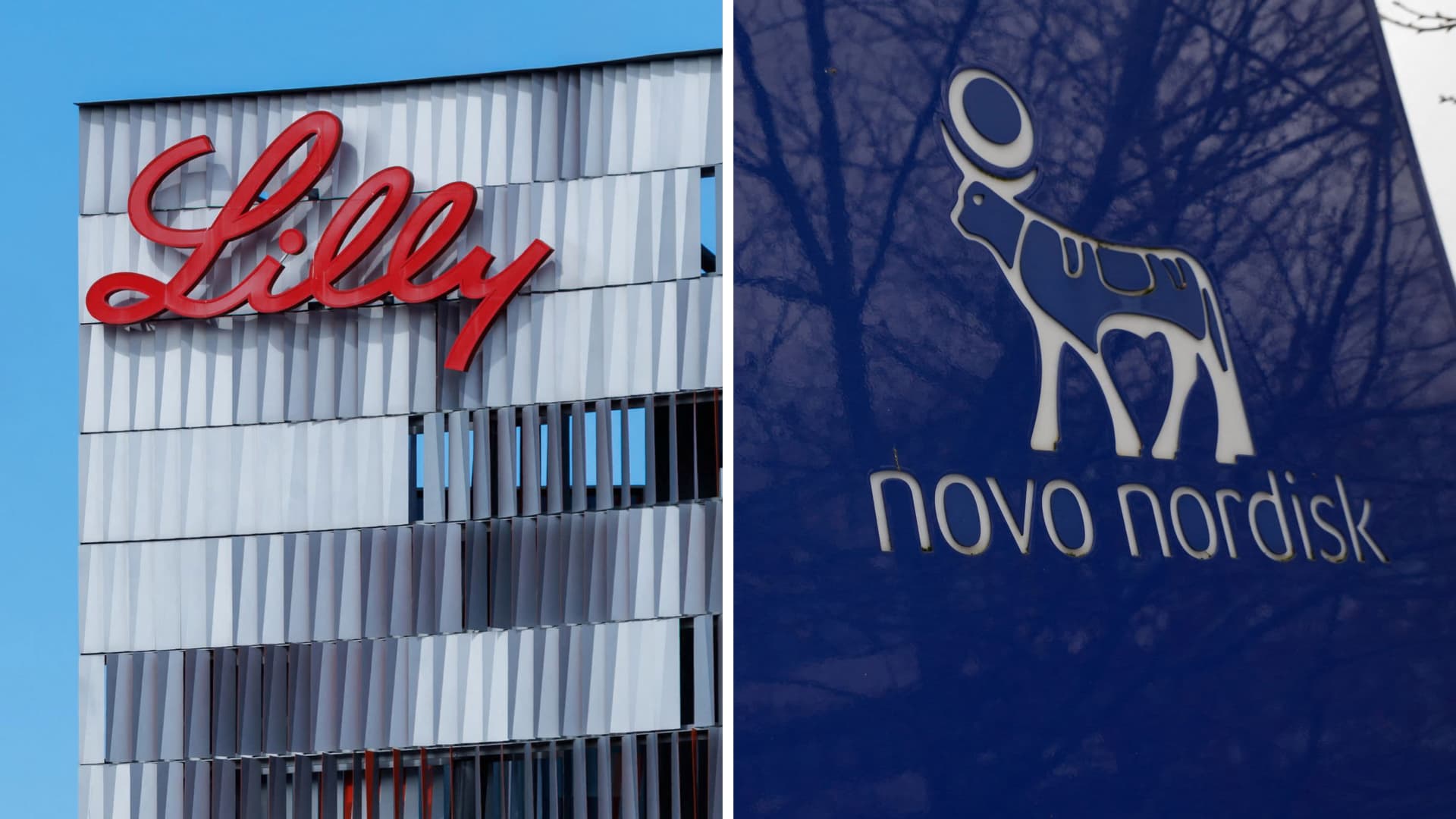
The intense competition in the GLP-1 market is escalating, with Novo Nordisk outlining an ambitious Novo Strategy to secure its future growth as rival Eli Lilly expands its formidable lead. This strategic crossroads highlights the urgent need for diversification and pipeline strength as patent expirations loom for Novo’s blockbuster drugs.
🗝️ Corporate Strategy Insights
- Pipeline Diversification. Novo Nordisk aims to launch over five potential multi-blockbuster drugs by 2030, targeting $23 billion in pipeline sales by 2035 across obesity, diabetes, and other therapeutic areas to reduce reliance on semaglutide.
- Market Share Erosion. Eli Lilly has captured significant market share in the burgeoning oral GLP-1 segment with Foundayo and dominates the new Medicare market for obesity drugs, holding approximately 61% of the U.S. GLP-1 space in Q2, while Novo held 39%.
- Manufacturing & Efficacy Race. Lilly’s Foundayo offers easier scalability due to its small-molecule nature, while its Zepbound injectable maintains an efficacy lead. Novo is investing billions in manufacturing to scale its own GLP-1 pill, despite investor concerns about its pipeline’s comparative strength.
Novo Nordisk finds itself at a critical juncture, attempting to convince investors of a robust future beyond its highly successful but patent-vulnerable Wegovy and Ozempic. The Danish drugmaker’s recent Capital Markets Day presented an ambitious Novo Strategy for pipeline diversification, targeting significant sales from new products by 2035 and expanding into therapeutic areas beyond its core obesity and diabetes franchises. This comes as patents for semaglutide, the active ingredient in its key drugs, are set to expire in major markets by the early 2030s.
However, Wall Street’s reaction has been muted, with the stock experiencing a selloff as investors appeared underwhelmed by growth targets that aligned with industry averages rather than surpassing them. Concerns also persist regarding the clarity of Novo’s near-term strategy to counter Eli Lilly’s accelerating market penetration.
Lilly, conversely, continues to advance, leveraging its commercial strengths and a burgeoning portfolio. In the rapidly evolving oral GLP-1 market, Novo’s Wegovy pill had an early lead, but Lilly’s Foundayo is quickly gaining traction. According to Lilly CEO Dave Ricks, Foundayo now accounts for one-third of new GLP-1 pill patients in the U.S., with its market share growing weekly. Lilly has also established an early dominance in the newly covered Medicare market for obesity drugs, with 70% of the 700,000 seniors starting GLP-1s on Lilly’s medications. The company reported a substantial 61% share in the U.S. GLP-1 market in the second quarter, compared to Novo’s roughly 39%. This information, along with other critical financial data, is often sought for comprehensive investment analysis.
Manufacturing capabilities play a crucial role in this competitive landscape. Foundayo, a small-molecule drug, is expected to be more cost-effective and easier to scale production for globally compared to Novo’s peptide-based Wegovy pill. While Foundayo shows slightly less weight loss efficacy than Wegovy, its lack of food and water restrictions could enhance patient appeal. Novo Nordisk, for its part, is investing billions to tenfold its GLP-1 drug patient capacity by 2030, asserting that supply constraints will not be an issue as they were with earlier injectable launches. The market also evaluates efficacy, where Lilly’s Zepbound injection has historically outperformed original Wegovy doses, though Novo has countered with a higher-dose Wegovy designed to narrow this gap.
- The GLP-1 market is bifurcating into oral and injectable segments, each with distinct manufacturing and patient adherence considerations.
- Efficacy, convenience (oral vs. injectable, dosing), and tolerability are key drivers of patient and physician preference.
- Commercial firepower and market access, particularly Medicare coverage, are decisive factors in capturing market share.
Novo’s pipeline response includes CagriSema, a combination of semaglutide and cagrilintide targeting amylin, expected next year. Despite mixed results in previous trials, Novo maintains its commercial viability, citing new late-stage data showing greater weight loss than tirzepatide (Lilly’s active ingredient in Zepbound) in a head-to-head trial for Type 2 diabetes patients, albeit at lower doses. The company is also exploring a fragmented market approach, emphasizing a diverse pipeline that offers varied benefits beyond headline weight loss numbers, focusing on factors like tolerability and muscle preservation to increase overall uptake. Staying informed on corporate growth strategies is vital for understanding industry shifts.
Strategic Ripple Effect: The Escalating GLP-1 Battle
The anticipated launch of Novo’s CagriSema and other pipeline assets represents a direct challenge to Eli Lilly’s ascendancy, potentially leading to increased competition in the GLP-1 market. This product launch aims to diversify Novo’s revenue streams post-patent expiration, reducing reliance on existing blockbusters. Should these new drugs gain significant traction, it could lead to a rebalancing of market share, impacting Lilly’s current dominance and potentially driving down overall drug pricing as companies vie for patient adoption. For broader global markets, this dynamic competition could accelerate market expansion by increasing patient options and potentially improving affordability, thereby boosting revenue potential across the industry. The intensified rivalry forces both companies to continuously innovate and optimize operational efficiency to maintain or gain market leadership, which for investors tracking biotech trends can offer significant insights into future sector performance.
“Lilly is in the leadership position, and we think that they will remain in this strong leadership position, given their substantial commercial advantage, their global initiative to globalize their products further, and then their advanced pipeline of novel candidates as well.” – David Risinger, Leerink Partners analyst, in an interview as Reuters reported.
Key Market Share Indicators
To understand the evolving landscape, several key market share indicators highlight the shifting competitive dynamics:
- U.S. GLP-1 Market Share (Q2): Eli Lilly held approximately 61%, while Novo Nordisk held about 39%. This demonstrates Lilly’s current lead in the broader market.
- New GLP-1 Oral Pill Patients (U.S.): Eli Lilly’s Foundayo accounts for one-third of new patients, indicating rapid adoption and growth in this crucial segment.
- Medicare GLP-1 Patients: 70% of the 700,000 seniors who started GLP-1s after July are on Lilly’s drugs, underscoring its strong market access and preference in this newly covered demographic.
These metrics are crucial for investors as they reflect the immediate impact of market access strategies, commercial firepower, and product appeal on real-world adoption rates.
Eli Lilly’s Competitive Advantages in the GLP-1 Race
Eli Lilly’s strategic positioning in the GLP-1 market benefits from several significant advantages that underscore its current leadership. Firstly, the company possesses “tremendous commercial firepower” and greater spending capacity for drug promotion, as noted by Leerink Partners. This allows for aggressive market penetration, particularly for new products like Foundayo. Secondly, Lilly’s manufacturing strategy for Foundayo—a small-molecule drug—offers inherent scalability advantages over Novo’s peptide-based oral options, potentially leading to more efficient global supply.
Furthermore, Lilly’s pipeline includes next-generation obesity drugs such as retatrutide, a triple-agonist, and a novel amylin receptor injection, which could extend its lead beyond current offerings. These advanced candidates target different pathways or offer superior efficacy, broadening the appeal to patients who may not tolerate or respond adequately to existing GLP-1s. This forward-looking approach ensures Lilly’s sustained innovation edge in a rapidly evolving therapeutic area.
Novo Nordisk Strategic Analysis: Diversification Imperative
Novo Nordisk’s strategy centers on a critical imperative: diversifying its revenue streams to mitigate the impact of impending patent expirations for Wegovy and Ozempic. The company is committing to an ambitious pipeline development, aiming for over 150 billion Danish kroner (approximately $23 billion) in pipeline sales by 2035 from more than five potential multi-blockbuster drugs. This involves not only new obesity and diabetes treatments but also expansion into other therapeutic areas with five additional Phase 3 programs.
The challenge for Novo lies in convincing investors that these future products, such as CagriSema, can truly fill the revenue gap and reignite growth at a pace that exceeds industry averages. Despite investing billions in manufacturing to serve 15 million people on oral obesity treatments by 2030, investor skepticism persists regarding pricing assumptions for future drugs and the company’s ability to achieve outsized growth post-2026. This Novo Strategy requires not just strong clinical outcomes but also robust commercial execution to defend market share against a formidable competitor like Eli Lilly. For further educational insights, our blog offers detailed analyses.
The Novo Strategy: Navigating Patent Cliffs and Market Leadership
Novo Nordisk’s path forward is defined by a delicate balance between defending its existing market and cultivating future growth engines. The company’s recent Capital Markets Day highlighted a determined push into pipeline diversification, yet investors remain cautious, demanding greater clarity on near-term growth and post-patent pricing power.
- Novo aims for aggressive pipeline expansion, targeting $23 billion in new drug sales by 2035.
- Eli Lilly continues to gain significant market share in oral GLP-1s and the Medicare segment.
- The race for manufacturing scalability and superior efficacy remains central to competitive advantage.
Can Novo Nordisk’s long-term bets overcome immediate market skepticism and reassert its dominance in the face of Lilly’s surging momentum?
### 📊 StockXpo Analyst’s View
Market Impact: This escalating rivalry between Novo Nordisk and Eli Lilly is creating significant volatility within the pharmaceutical sector, drawing intense investor scrutiny. Lilly’s continued market share gains, particularly in the Medicare segment and oral GLP-1s, could further bolster its valuation and investor confidence, while Novo faces pressure to demonstrate tangible pipeline success to counter patent cliff concerns.
Sector To Watch: The broader biopharmaceutical and healthcare sectors, especially companies focused on metabolic diseases and obesity treatments, will remain highly dynamic. Investment in advanced drug delivery systems and novel therapeutic targets will intensify, potentially benefiting contract development and manufacturing organizations (CDMOs) and biotech innovators with differentiated assets.
Financial Disclaimer:
StockXpo.com is a financial news aggregator and educational portal, not a registered investment advisor or broker-dealer. All information, news, and analysis provided herein are strictly for educational purposes and do not constitute investment, financial, legal, or tax advice. Investing in the stock market involves high risks, and past performance is not indicative of future results. StockXpo will not be liable for any financial losses or investment damages. Always consult a certified financial advisor before making market decisions.
MORE IN INSIDE BUSINESS

Nike India Campus: A Strategic Growth Bet Amidst Turnaround Challenges
Published: Friday, October 16, 2026 · 8:36 AM

Fuel Economy Targets: A Multi-Billion Dollar Boost for Automakers
Published: Thursday, October 15, 2026 · 9:58 AM