Published: Friday, September 25, 2026 · 8:19 AM | Updated: Friday, September 25, 2026 · 8:19 AM
📊 1,141 views




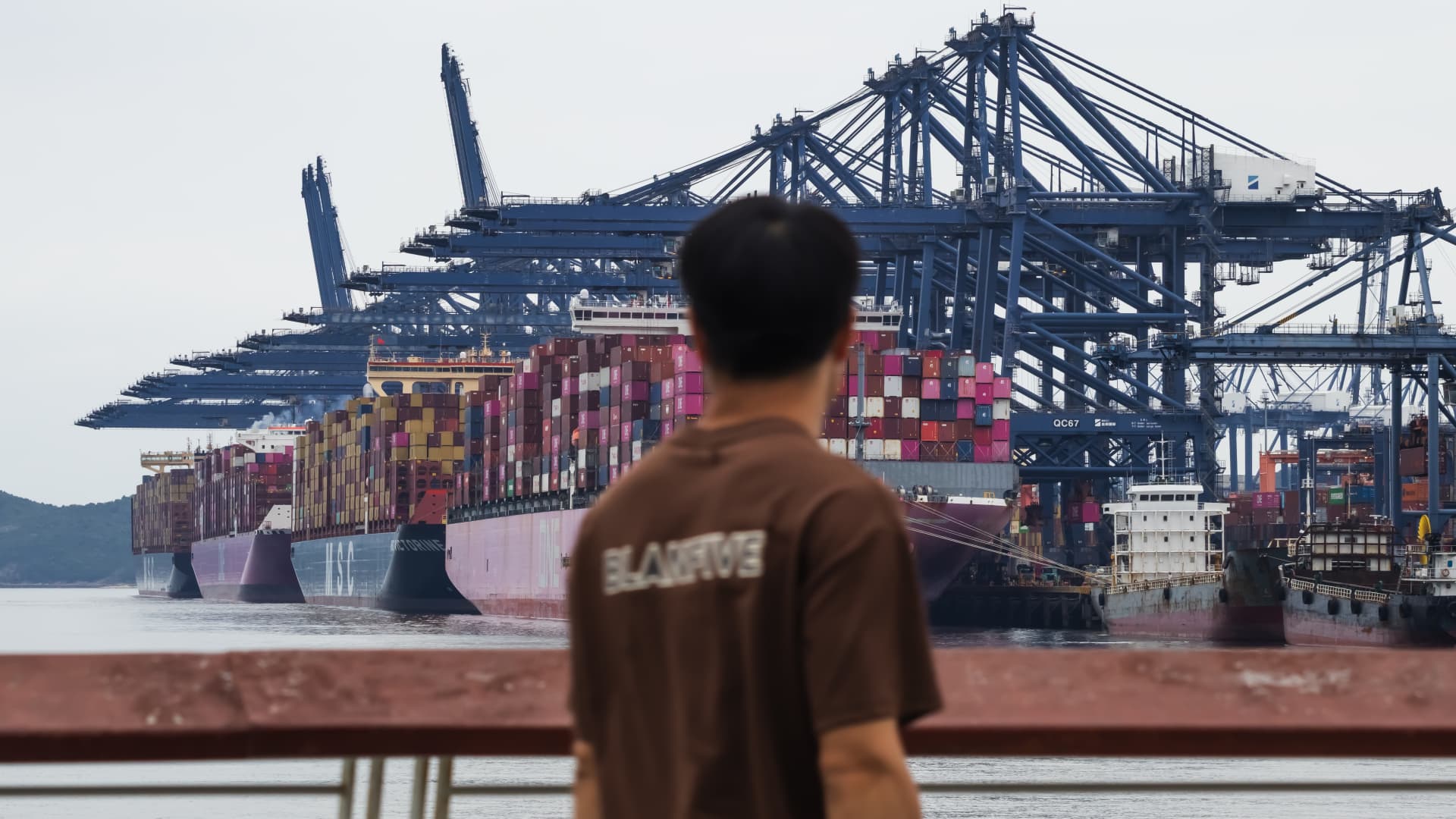
Global markets are closely watching as new data reveals a significant, unexpected surge in U.S. orders for Chinese goods, suggesting a strategic repositioning by American businesses anticipating improved bilateral relations. This development signals a potential de-escalation of trade tensions between the world’s two largest economies, critical for broader macro-stability and systemic growth.
📊 Macro-Economic Strategic Insights
- Surprise Order Jump. U.S. orders for Chinese goods unexpectedly rose significantly in September, a stark reversal from prior months, according to the China Beige Book.
- Summit-Driven Stability. This uptick occurred in anticipation of the Trump-Xi summit, as companies hedged against potential tariff escalations and positioned for continued bilateral stability.
- Trade Truce Extension. The subsequent two-month extension of the trade truce further reinforced market confidence, temporarily defusing immediate tariff threats and supporting trade flows.
American businesses proactively increased their orders for Chinese products in the weeks leading up to the high-stakes summit, a move highlighted by the China Beige Book’s latest survey. This ‘surprise’ jump saw shipments to the U.S. rise on both a yearly and monthly basis, reflecting a strategic calculus by firms ahead of the critical talks. The report, which surveyed 1,295 Chinese companies between September 1-22, indicated a gauge measuring U.S.-bound orders surged to 13 in September, a considerable improvement from negative-12 a year earlier and 3 in August.
This surge underscores corporate efforts to front-load imports, leveraging an improved relative tariff position as discussions progressed. While U.S.-bound orders showed strength, overall Chinese domestic and export orders remained below year-earlier levels, with new orders weakening from August. The temporary cessation of escalating trade measures, including a two-month extension of the trade truce and a reported delay in tariffs linked to industrial overcapacity, eased near-term pressure on Chinese exporters and stabilized expectations. The effective U.S. tariff rate on Chinese goods still hovers around 23%, significantly higher than average levies on other major trading partners, as noted by Barclays.
- Trade volumes surged: China’s ports recorded their busiest week on record leading up to the summit, aligning with the observed increase in U.S. orders. This reflects a broader recovery in trade flows as hopes for a bilateral thaw grew.
- Fragile stability: Eurasia Group raised its probability of continued stability in the bilateral relationship to its highest level since the current administration took office, despite the truce extension being shorter than anticipated.
Navigating Global Trade Shifts
These developments signify a period of fragile, yet deliberate, de-escalation. For businesses, this translates to cautious optimism but persistent uncertainty regarding long-term economic policy decisions. The measured approach by both Washington and Beijing suggests a mutual interest in preventing a full-blown trade war, seeking specific commitments rather than broad concessions.
Washington is expected to press for accelerated Chinese approval of rare-earth export licenses for U.S. end-users and increased purchases of U.S. agricultural goods. In reciprocity, Beijing anticipates a continuation of the White House’s current pause on arms sales to Taiwan. Future diplomatic engagements, including potential meetings at the APEC summit in November and the G20 summit in December, will be crucial in cementing this fragile stability.
The Ripple Effect on Supply Chains
Anticipated Stability → Increased US Orders for Chinese Goods → Temporary Supply Chain Relief
Tariff Delay → Reduced Immediate Import Costs → Marginal Consumer Price Stability
Trade Truce Extension → Enhanced Business Certainty → Moderated Global Investment Decisions
Strategic Tariff Positioning: This refers to businesses making purchasing and inventory decisions based on current and anticipated tariff rates. By front-loading orders ahead of potential tariff hikes, companies aim to mitigate higher costs, a common tactic during periods of trade policy uncertainty between major economies.
Key Metrics from China Beige Book
- U.S. Order Gauge (September): 13. This metric, representing the proportion of surveyed firms reporting an increase minus the share reporting a decrease, indicates a significant positive shift in demand from U.S. buyers.
- U.S. Order Gauge (August): 3. The month-over-month increase highlights rapid change in business sentiment.
- U.S. Order Gauge (Year Earlier): -12. Provides crucial context for the extent of the recent ‘surprise’ jump, showcasing a strong recovery from a negative position.
- Effective U.S. Tariff Rate on Chinese Goods: ~23% (Barclays). This demonstrates the ongoing elevated cost burden on goods, despite temporary truces.
These metrics collectively illustrate a volatile but currently improving trade environment, driven by specific policy maneuvers and corporate anticipatory behavior.
China Policy Commentary: Navigating Economic Headwinds
China’s economic policymakers are grappling with a complex landscape. While the uptick in US-bound orders provides a near-term boost, the broader economic picture shows persistent challenges. Overall Chinese domestic and export orders still lag behind year-ago levels, and new orders generally weakened from August. This suggests that while external trade relations may be stabilizing, domestic demand and other export markets face continued headwinds. Beijing’s strategy likely involves a delicate balance of maintaining international trade ties, stimulating internal consumption, and managing industrial overcapacity without provoking further trade disputes. The focus on specific concessions, such as rare-earth export licenses, indicates a targeted approach rather than broad liberalization, reflecting a cautious stance on reform amid global uncertainties. This strategic calibration is crucial for China’s long-term macro-stability and internal development goals. Investors following broader global economic trends should monitor Beijing’s efforts to diversify trade partners and strengthen its domestic market against external pressures.
Global Benchmarking: Beyond the Bilateral Truce
While the focus remains squarely on the US-China Trade dynamic, it’s essential to benchmark this against broader global trade flows. The temporary truce and tariff delays offer a respite, but the underlying structural issues of industrial overcapacity, intellectual property, and market access persist. Other major trading blocs, like the European Union and Southeast Asian nations, are also recalibrating their trade strategies in response to persistent geopolitical risks and supply chain vulnerabilities. The “friendlier outcome” from the summit, while positive, does not signify a return to pre-tariff normality. Instead, it marks a new phase of managed competition. Companies are increasingly seeking to diversify their manufacturing bases and deepen regional trade agreements to build resilience, reducing over-reliance on any single market. This global re-alignment could lead to significant shifts in long-term investment analysis and strategic stock market performance.
The Enduring Significance of US-China Trade Stability
The unexpected jump in US-China Trade orders, coupled with the extended truce, injects a crucial element of stability into an otherwise uncertain global economic outlook. It highlights the profound impact of diplomatic efforts on business confidence and trade flows, underscoring a strategic de-escalation for both economic giants. While challenges remain, the immediate threat of escalating tariffs has receded, offering a window for businesses to plan with slightly greater predictability.
- Corporate strategies are clearly aligning with anticipated geopolitical shifts, prioritizing stability.
- The trade truce provides a temporary buffer, delaying immediate tariff pressures and port fee increases.
- Future meetings at APEC and G20 will be vital in converting temporary truces into more durable agreements.
How will this fragile US-China Trade stability translate into sustained systemic growth across global markets?
### 📊 StockXpo Analyst’s View
Market Impact: This news likely provides a near-term boost to investor sentiment, particularly in export-oriented sectors and companies with significant exposure to both U.S. and Chinese markets. The easing of immediate trade tensions reduces a key geopolitical overhang, potentially improving market liquidity and reducing volatility. However, the ‘shorter-than-expected’ truce extension means underlying uncertainties persist, suggesting that any rally could be cautious, with investors remaining sensitive to upcoming diplomatic signals. This pause allows for greater clarity on investment analysis.
Sector To Watch: Logistics and shipping will experience immediate benefits from increased trade volumes, as indicated by China’s busiest port week. Additionally, sectors like electronics manufacturing and agriculture, directly implicated in previous trade disputes, could see improved outlooks. Conversely, industries heavily reliant on rare-earth elements may see slight relief, assuming progress on export licenses, but the broader manufacturing sector will remain under scrutiny for signs of resilient demand beyond this anticipatory ordering.
Financial Disclaimer:
StockXpo.com is a financial news aggregator and educational portal, not a registered investment advisor or broker-dealer. All information, news, and analysis provided herein are strictly for educational purposes and do not constitute investment, financial, legal, or tax advice. Investing in the stock market involves high risks, and past performance is not indicative of future results. StockXpo will not be liable for any financial losses or investment damages. Always consult a certified financial advisor before making market decisions.
MORE IN INSIDE ECONOMY
Fed Rates: Kevin Warsh’s Hawkish Stance Risks October Surprise
Published: Friday, October 16, 2026 · 2:08 PM

UK Economy Registers Unexpected 0.1% Growth Amidst Headwinds
Published: Thursday, October 15, 2026 · 2:54 AM