Published: Wednesday, July 22, 2026 · 11:01 PM | Updated: Wednesday, July 22, 2026 · 11:01 PM
📊 197 views




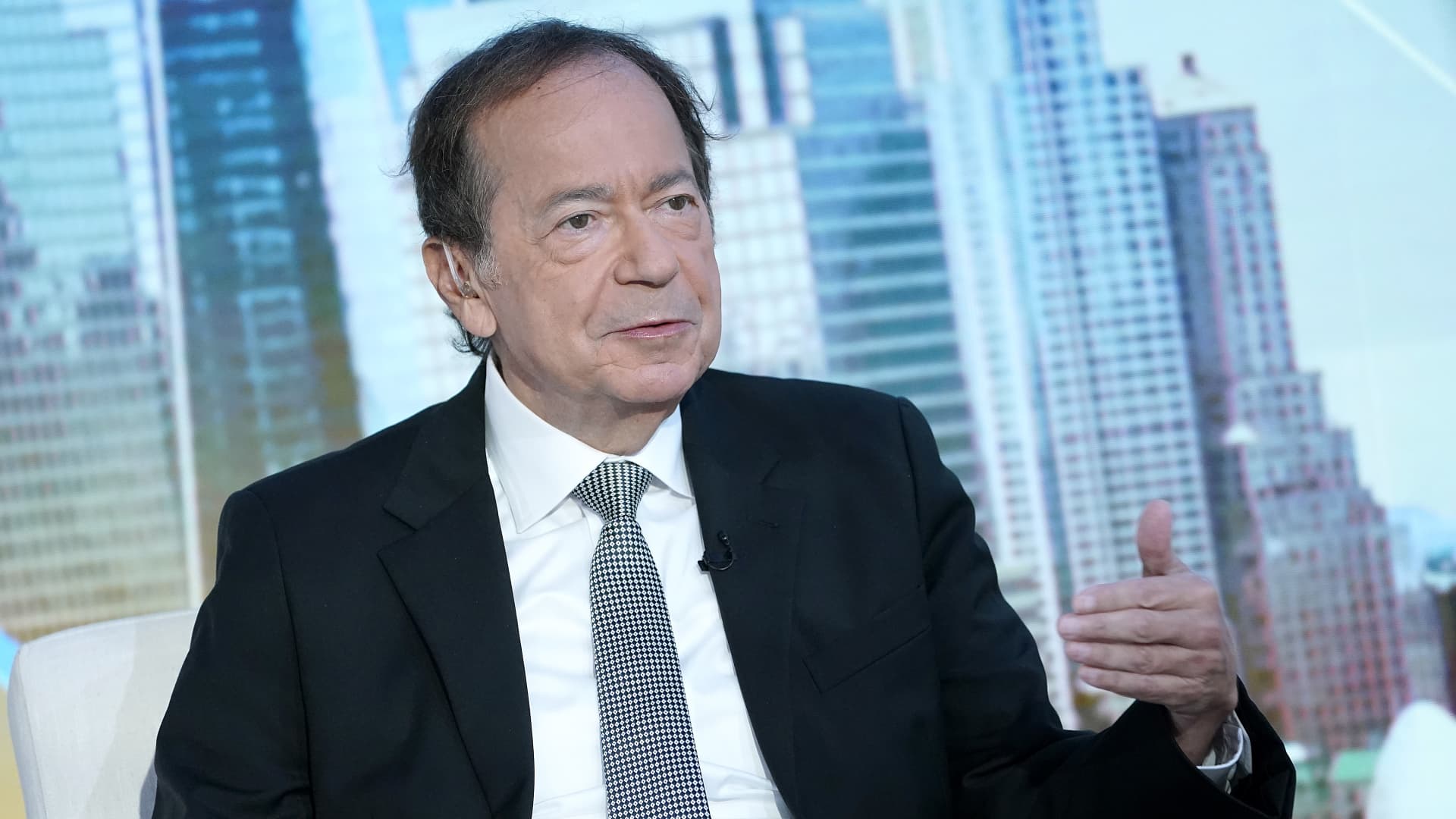
John Paulson, the renowned hedge fund manager who famously profited from the U.S. housing market collapse, has declared that the world is witnessing the nascent stages of a robust and enduring gold bull market. Citing a global erosion of trust in traditional paper currencies, Paulson forecasts sustained demand for the precious metal.
His commentary, made on CNBC’s ‘The Exchange’, underscores a broader shift in capital allocation as both central banks and private investors increasingly view gold as a fundamental alternative reserve asset.
💰 Financial Strategy & Market Insights
- Paulson’s Bullish Outlook. John Paulson, famed for his subprime mortgage bet, now forecasts a multi-year rally for gold, emphasizing its role in a de-dollarizing world.
- Fiat Currency Erosion Fuels Demand. The veteran investor attributes gold’s ascendance to declining global confidence in paper currencies, alongside increased central bank and private sector accumulation.
- Strategic Miner Investment. Paulson advocates investing in gold mining companies with substantial undeveloped reserves, singling out NovaGold as a prime example for leveraged exposure.
Paulson’s latest pronouncement reinforces his long-held conviction in gold, a position he adopted in 2009 following the global financial crisis. His initial rationale centered on the unprecedented fiscal and monetary stimulus policies that he believed would inevitably weaken the U.S. dollar and diminish the appeal of fiat currencies. This foresight proved prescient, as gold prices have since roughly quadrupled, at one point surpassing the $5,000 mark before recent adjustments.
The billionaire investor highlights a significant broadening of demand for bullion, driven particularly by sovereign wealth funds and central banks actively augmenting their reserves. This institutional accumulation, coupled with burgeoning private-sector interest, suggests a systemic shift towards gold as a foundational asset. Paulson articulated this by stating, ‘Gold is becoming the most apt reserve currency in the world, replacing fiat currencies,’ a perspective that aligns with broader discussions on global financial architecture, often explored in deep insights into the financial sector.
- Central banks globally are consistently adding gold to their reserves, a trend reflecting diversification away from traditional reserve assets and hedging against currency volatility.
- Private sector interest is expanding, driven by concerns over inflation, geopolitical risks, and the long-term stability of government-backed currencies.
- Paulson’s strategy extends beyond physical gold, advocating for investments in early-stage gold miners, especially those possessing large undeveloped reserves, which offer higher leverage to rising gold prices.
He specifically pointed to NovaGold Resources (NG), where he serves as co-chairman, as a compelling investment opportunity. The company’s recent announcement to acquire Paulson Advisers’ 40% stake in the Donlin Gold project in Alaska underscores this belief. With 40 million ounces of indicated and measured gold resources and reserves, NovaGold is presented as a vehicle for leveraged exposure to the ongoing gold bull market, offering significant upside as the metal’s price continues its upward trajectory.
Investing in gold, particularly via mining equities, carries distinct risk-reward profiles:
- Upside Potential:
- Sustained global inflation and continued real interest rate suppression could further enhance gold’s appeal as a store of value.
- Escalating geopolitical instability and sovereign debt concerns may accelerate central bank and institutional flight to safety, bolstering gold demand.
- Potential for further U.S. dollar weakening, making gold comparatively cheaper for international buyers.
- Gold miners, especially those with large, undeveloped reserves, offer operating leverage, meaning their profits can grow disproportionately faster than gold prices.
- Downside Risks:
- A strong recovery in global economic growth and a subsequent rise in real interest rates could diminish gold’s attractiveness.
- Significant strengthening of the U.S. dollar could exert downward pressure on gold prices, as it becomes more expensive for non-dollar holders.
- Regulatory changes or environmental hurdles could impede mining projects, impacting profitability and asset valuation for companies like NovaGold.
- The inherent volatility of commodity markets means gold prices are subject to rapid shifts based on sentiment, supply, and demand dynamics.
Understanding a Reserve Currency: A reserve currency is a foreign currency held in large quantities by central banks and other major financial institutions as part of their foreign exchange reserves. It is often used in international transactions, investments, and pricing of global commodities. John Paulson’s assertion that gold is becoming the ‘most apt reserve currency’ suggests a fundamental shift away from fiat currencies like the U.S. dollar, euro, or yen, reflecting a loss of confidence in their long-term stability and purchasing power.
Key figures influencing the current gold narrative:
- Paulson’s Gold Bullish Shift: 2009 (post-financial crisis)
- Gold Price Performance Since 2009: Approximately quadrupled, reaching over $5,000 (before recent adjustments)
- NovaGold (NG) Indicated & Measured Resources: 40 million ounces of gold
- NovaGold’s Market Capitalization (at time of comments): $4.2 billion
Gold Market Sentiment Tracker
Current market sentiment surrounding gold is decidedly bullish, largely fueled by persistent inflation concerns, ongoing geopolitical tensions, and a growing narrative of de-dollarization among central banks. While retail interest remains strong, institutional flows indicate a strategic shift towards asset diversification. Analysts at leading financial institutions, including those featured on major market news platforms, observe a steady accumulation trend, suggesting a long-term conviction rather than short-term speculation. However, any unexpected hawkish turns from major central banks or significant de-escalation of global conflicts could temporarily temper this enthusiasm, as reported by the latest financial news on market movements.
Gold Historical Benchmarking
Historically, gold has served as a reliable hedge against inflation and economic uncertainty. Its performance since 2009, with prices roughly quadrupling from previous lows, aligns with periods of increased fiscal expansion and quantitative easing globally. Comparing this to the post-Bretton Woods era, where gold severed its direct link to the U.S. dollar, its current trajectory mirrors patterns observed during inflationary spirals of the 1970s and early 2000s. The current environment, marked by unprecedented global debt and sustained government spending, sets a unique stage, positioning gold not just as a safe haven but as a potential beneficiary of long-term currency debasement, a topic frequently analyzed on educational financial insights blogs.
NovaGold’s Strategic Position Amidst a Shifting Gold Landscape
John Paulson’s strong endorsement of NovaGold underscores a strategic conviction that gold miners, especially those with vast undeveloped reserves, offer a potent, leveraged play in an evolving financial paradigm. The Donlin Gold project represents a significant asset in this context, positioning NovaGold as a key player in tapping into the anticipated long-term gold bull market.
- NovaGold provides investors with direct exposure to potential gold price appreciation through its substantial resource base.
- The acquisition of Paulson Advisers’ stake reinforces confidence in the project’s viability and strategic importance.
- The company’s valuation metrics, relative to its vast reserves, suggest significant upside should gold prices continue their upward trajectory as Paulson predicts.
As global monetary policies continue to evolve and faith in traditional currencies fluctuates, how will major institutional investors recalibrate their portfolios to reflect this rising preference for hard assets?
### 📊 StockXpo Analyst’s View
Market Impact: Paulson’s public backing of a long-term gold bull market could catalyze increased investor interest in precious metals, potentially shifting capital flows from equity and fixed-income assets towards gold and gold-related instruments. This sentiment could boost market liquidity in gold ETFs and mining stocks, driving up valuations, especially for companies with strong fundamentals and substantial reserves. The perceived weakening of fiat currencies is a powerful narrative driving this shift, appealing to investors seeking hedges against inflation and currency devaluation.
Sector To Watch: The gold mining sector, particularly companies focused on exploration and development of large-scale projects, stands to benefit significantly. Beyond NovaGold, other junior and mid-tier miners with proven reserves and clear development pathways warrant close observation. Furthermore, companies involved in refining, gold-backed financial products, and even certain industrial sectors that use gold (like high-tech electronics) could see secondary impacts as the underlying commodity gains prominence. For a broader perspective on market trends, visit StockXpo for comprehensive market analysis.
Financial Disclaimer:
StockXpo.com is a financial news aggregator and educational portal, not a registered investment advisor or broker-dealer. All information, news, and analysis provided herein are strictly for educational purposes and do not constitute investment, financial, legal, or tax advice. Investing in the stock market involves high risks, and past performance is not indicative of future results. StockXpo will not be liable for any financial losses or investment damages. Always consult a certified financial advisor before making market decisions.
MORE IN INSIDE FINANCE

Sports Betting Volatility: Gen Z’s Risky Financial Shift
Published: Sunday, October 4, 2026 · 10:11 AM

Brazil Election: Market Volatility Ahead Amidst Political Divide
Published: Saturday, October 3, 2026 · 11:30 AM