Published: Saturday, October 3, 2026 · 11:30 AM | Updated: Saturday, October 3, 2026 · 11:30 AM
📊 342 views




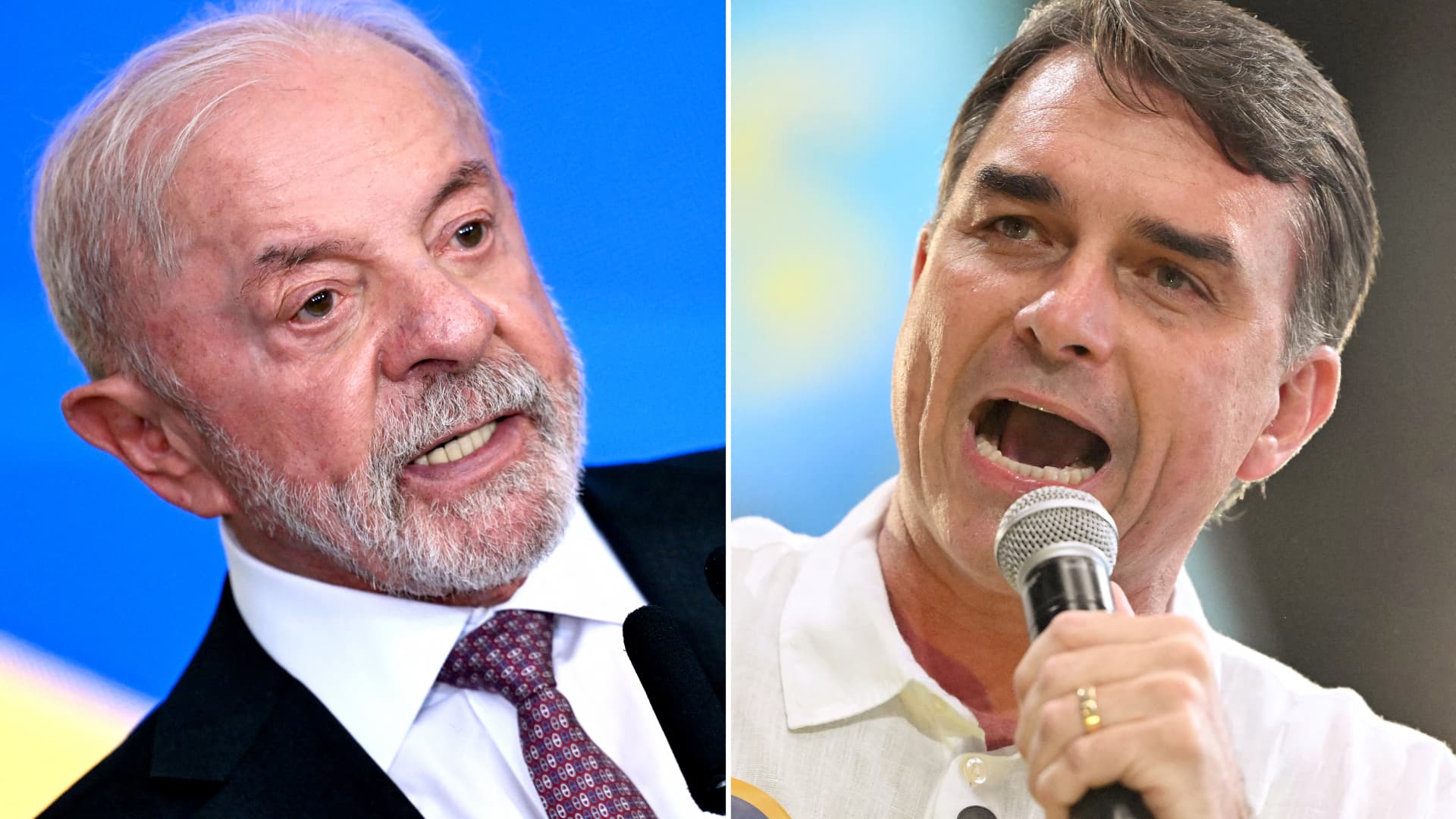
Wall Street analysts are closely tracking Brazil’s upcoming presidential election, bracing for divergent market outcomes depending on whether leftist Luiz Inacio Lula da Silva or right-winger Flavio Bolsonaro secures victory. The closely contested Brazil election presents a pivotal moment for asset valuations, market liquidity, and the nation’s fiscal trajectory, with investment strategies hanging on the balance of political leadership.
💰 Financial Strategy & Market Insights
- Bolsonaro’s Market Favorability. Markets generally anticipate a rally in Brazilian bonds, currency, and stocks if Bolsonaro wins, citing his platform for fiscal discipline and reform.
- Lula’s Fiscal Uncertainty. A Lula victory could introduce market caution, with investors wary of potential shifts in economic policy and the sustainability of Brazil’s public debt.
- Legislative Composition Critical. The ability of either candidate to enact reforms will heavily depend on the balance of power in the newly elected lower and upper houses of the Brazilian legislature.
The initial round of Brazil’s presidential election on Sunday has put global investors on high alert, with distinct market scenarios unfolding based on the outcome. According to Fernando Marengo, chief economist at Black Toro Global Investments, ‘The Brazil trade is: Does Lula win or does Bolsonaro win?’ This binary choice reflects the stark ideological differences and their potential economic ramifications for the Latin American powerhouse.
Flavio Bolsonaro, the 45-year-old son of former President Jair Bolsonaro, is perceived by Wall Street as the market-friendly candidate. His campaign emphasizes fiscal discipline, a stance deemed crucial by economists given Brazil’s current debt-to-GDP ratio standing at 81.9%. This figure represents a 10% increase since Lula last held office, underscoring the urgency for a robust fiscal strategy. JPMorgan analysts noted a correlation, observing that the MSCI Brazil ‘rose by 0.25% on average each day that Flavio gained in the polls.’ Prediction markets, such as Kalshi, currently favor Bolsonaro with a 60% chance against Lula’s 39%, though local sentiment may differ due to prohibition of such markets in Brazil. For more context on market analysis, investors can explore StockXpo’s market analysis section.
Should Bolsonaro prevail and implement a comprehensive reform agenda, JPMorgan projects significant upside for Brazilian assets. Referencing the period from 2016 to 2020 under his father, Jair Bolsonaro, the firm highlights successful pension reform that saved hundreds of billions of dollars by raising minimum retirement ages. This earlier reform saw Brazil’s 2-year yields decline to nearly 4.7% and the equity market surge by 130%. With a renewed reform push, JPMorgan analysts suggest interest rates could fall to their neutral real level of 6% (10% nominal), potentially leading to an MSCI Brazil upside of 21% to 41%. The forward P/E ratio could rebound from its current 8.6 to as high as 13.3, a level last observed in 2020. The currency outlook is also bimodal, with USD/BRL potentially moving to 5.50 if Lula wins versus 4.90 under a Bolsonaro presidency.
- The composition of Brazil’s legislature—with the entire lower house and one-third of the upper house also up for election—will be paramount. A supportive legislative environment is critical for any administration to push through much-needed fiscal adjustments and structural reforms. Marengo points to similar upside moves in other Latin American markets, like Colombia and Peru, following victories by pro-business candidates, cautioning that some of Brazil’s potential market appreciation might already be priced in. Citi’s Brazil head economist, Leonardo Porto, stressed the need for a 3-3.5% fiscal adjustment to stabilize public debt, emphasizing that such measures must be permanent, not reliant on one-off asset privatizations. This is particularly challenging given that roughly 90% of Brazil’s budget is mandatory and its tax burden, at 32%, is already the highest in Latin America.
Beyond domestic political considerations, global factors pose additional risks. Rising global interest rates present a significant headwind for emerging markets like Brazil. Furthermore, the El Niño weather phenomenon looms large for Latin America, potentially disrupting agricultural output and impacting exporters. Understanding these broader financial sector trends is crucial for informed decision-making.
RISK vs REWARD: Navigating Brazil’s Political Crossroads
The upcoming Brazil election presents a complex risk-reward profile for investors:
- Upside Potential:
- Fiscal Discipline: A Bolsonaro victory could lead to market-friendly fiscal reforms, potentially stabilizing public debt and enhancing investor confidence.
- Equity Rally: JPMorgan projects a 21-41% upside for MSCI Brazil if a robust reform agenda is implemented, with P/E ratios rising to 2020 levels.
- Currency Strength: The Brazilian Real could appreciate significantly, with USD/BRL potentially strengthening to 4.90 under a Bolsonaro administration.
- Lower Yields: Successful reforms could drive down interest rates, benefiting bond markets.
- Downside Risks:
- Policy Uncertainty: A Lula win could introduce uncertainty regarding economic policy, potentially leading to increased government spending and less fiscal rigor.
- Currency Weakness: USD/BRL could weaken to 5.50 if Lula takes office, reflecting market concerns over fiscal stability.
- Global Headwinds: Rising global interest rates and the El Niño weather phenomenon pose external risks, irrespective of the election outcome, potentially impacting commodity prices and capital flows.
- Reform Gridlock: Even with a market-favored president, an unfavorable legislative composition could hinder reform efforts, limiting upside potential.
Understanding Fiscal Adjustment: A fiscal adjustment refers to government actions taken to reduce its budget deficit or public debt. This typically involves either cutting spending (e.g., public services, subsidies) or increasing revenue (e.g., raising taxes). For Brazil, economists like Leonardo Porto from Citi emphasize the need for a ‘permanent fiscal adjustment’ beyond one-off measures to stabilize its high debt-to-GDP ratio.
STRICT DATA TABLES: Key Financial Metrics at Stake
The following key financial metrics underscore the stakes in Brazil’s upcoming election:
| Metric | Current / Forecasted Value | Source / Context |
|---|---|---|
| Debt-to-GDP Ratio | 81.9% (up 10% since Lula’s last term) | CNBC reporting |
| Tax Burden | 32% (highest in Latin America) | OECD data |
| MSCI Brazil Upside Potential (Bolsonaro Win) | 21% – 41% | JPMorgan analysis |
| Forward P/E Ratio (Bolsonaro Win) | Could rise to 13.3 (from current 8.6) | JPMorgan analysis |
| USD/BRL (Lula Win) | 5.50 | JPMorgan analysis |
| USD/BRL (Bolsonaro Win) | 4.90 | JPMorgan analysis |
Brazil Market Sentiment Tracker
Current market sentiment surrounding the Brazil election is heavily skewed towards Bolsonaro, primarily due to expectations of greater fiscal responsibility. This sentiment is observable not just in equity movements but also in bond yields and currency valuations. The enthusiasm, however, is tempered by the understanding that a significant portion of this positive outlook may already be ‘priced in,’ as noted by Black Toro’s Fernando Marengo. Any deviation from these expectations, especially a Lula victory, could trigger a swift repricing across asset classes, highlighting the market’s sensitivity to political shifts. Investors tracking global markets closely watch these developments, as outlined by Reuters’ business and finance news.
Brazilian Real Yield Curve Dynamics
The Brazilian Real (BRL) yield curve is particularly sensitive to political risk and fiscal policy expectations. Under a Bolsonaro presidency with a reform agenda, JPMorgan anticipates a decline in interest rates, with 2-year yields potentially reverting towards earlier lows and neutral real rates settling around 6% (10% nominal). This compression in yields reflects reduced perceived risk and improved fiscal outlook. Conversely, a Lula victory could lead to an upward shift in the yield curve, indicating heightened investor concern over inflation and government debt sustainability. This dynamic will be a critical indicator for sovereign bond performance and borrowing costs for Brazilian corporations, essential for evaluating fixed-income investment opportunities.
Brazil Election’s Economic Crossroads: Navigating the Market Impact
The upcoming Brazil election represents a critical juncture for Latin America’s largest economy, with the outcome poised to significantly influence its financial stability and growth trajectory. Investors are keenly watching the first-round results and potential runoff, as the diverging economic philosophies of Lula and Bolsonaro portend vastly different market environments.
- Market participants are predominantly favoring Bolsonaro, associating his platform with fiscal austerity and market-friendly reforms capable of stabilizing the nation’s substantial public debt.
- The potential for significant upside in Brazilian equities, currency, and bonds is tied to the implementation of a ‘robust reform agenda’ by the favored candidate.
- Beyond the presidential race, the composition of the legislature will be a decisive factor in determining the feasibility and pace of any economic reforms.
How will Brazil’s next leader navigate the twin challenges of domestic fiscal reform and a volatile global economic landscape?
📊 StockXpo Analyst’s View
Market Impact: The immediate aftermath of the Brazil election will likely see heightened volatility, especially in the Brazilian Real and local equity indices. A Bolsonaro victory would likely be met with a relief rally, pushing the BRL stronger and potentially attracting foreign capital due to improved fiscal outlook. Conversely, a Lula win could trigger a knee-jerk sell-off as markets price in increased fiscal uncertainty and potential policy shifts. Long-term market liquidity will depend heavily on the perceived governability and legislative support for the winning candidate’s economic agenda.
Sector To Watch: Should Bolsonaro secure the presidency, sectors benefiting from infrastructure development and privatization, as well as those sensitive to interest rate declines like financials and domestic consumption, could see significant upside. However, if Lula wins, state-owned enterprises (SOEs) and commodity-related sectors could face increased government intervention or altered trade policies.
Financial Disclaimer:
StockXpo.com is a financial news aggregator and educational portal, not a registered investment advisor or broker-dealer. All information, news, and analysis provided herein are strictly for educational purposes and do not constitute investment, financial, legal, or tax advice. Investing in the stock market involves high risks, and past performance is not indicative of future results. StockXpo will not be liable for any financial losses or investment damages. Always consult a certified financial advisor before making market decisions.
MORE IN INSIDE FINANCE
AI Stock Boom Fuels $67 Billion Equities Growth for Wall Street Giants
Published: Wednesday, October 21, 2026 · 11:03 AM

New Risks Emerge: Global Finance Chiefs Highlight Debt, AI, and Geopolitical Volatility
Published: Tuesday, October 20, 2026 · 2:12 AM