Published: Saturday, October 3, 2026 · 2:48 AM | Updated: Saturday, October 3, 2026 · 2:48 AM
📊 129 views




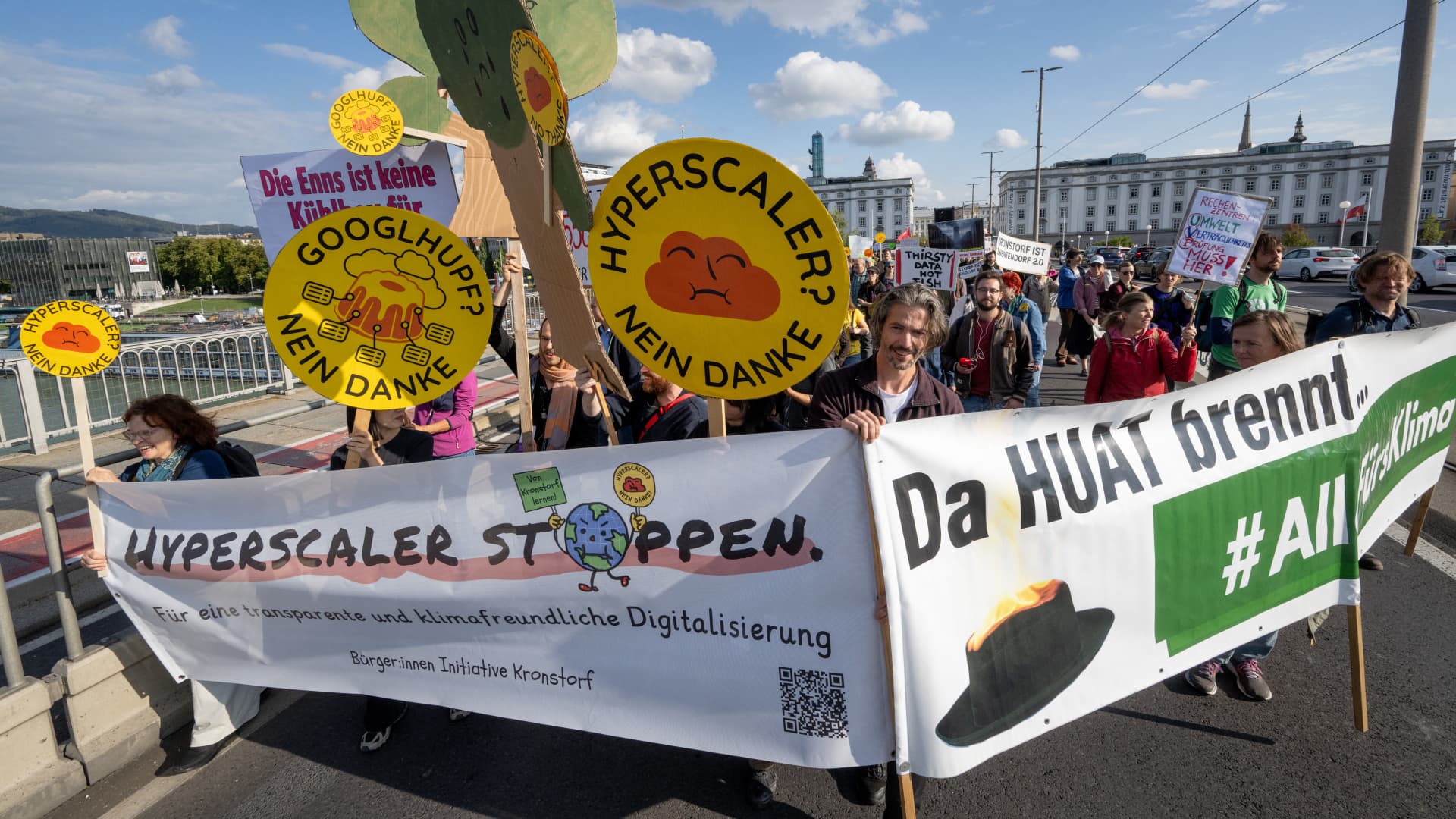
The global ambition for AI-driven growth is clashing with local opposition to the very infrastructure that powers it. Data centers, the backbone of modern digital economies and the AI boom, are encountering significant public and regulatory pushback across the U.S., Europe, and Asia, signaling potential delays and increased costs for crucial digital transformation projects worldwide.
🚀 Tech Strategy & Market Disruptions
- Escalating Global Opposition. Public and regulatory resistance to data centers is intensifying across continents, driven by concerns over energy, water, and land use.
- Billions in Investment at Risk. Approximately $119 billion in planned data center investments globally (U.S. $77B, Europe $42B) have already faced delays or cancellations due to this backlash.
- Policy Shifts & Moratoriums. Governments in regions like Scotland, Denmark, and South Korea are implementing stricter planning approvals, emergency laws, and new consent requirements, impacting deployment timelines.
The rapid expansion of artificial intelligence is fueling an unprecedented demand for computational power, placing immense pressure on existing and planned data centers infrastructure. However, what was once a largely overlooked segment of the economy is now facing intense scrutiny, moving from ‘black box’ status to a highly visible, resource-intensive industry. This shift is creating significant headwinds for operators and investors globally.
In Europe, the negative sentiment is particularly pronounced, exacerbated by high population density and rising electricity prices. The European Data Center Monitor reported over 70 projects rejected or restricted between January and April alone – surpassing the total for all of 2025. This surge in opposition has progressed from local council meetings to national courts and parliaments. For instance, Scotland has paused hyperscale data center planning approvals, echoing concerns from Ireland, which previously enacted a moratorium due to overwhelming power grid strain. Denmark, too, responded to a surge in power applications by passing an emergency law prioritizing other grid users. Spain is proposing new rules requiring 80% renewable energy sourcing for future facilities. Much of this global trend has been extensively covered by major financial news outlets like Reuters, underscoring the broad impact on financial markets and technology sectors.
- Concerns primarily revolve around the environmental footprint of these facilities, including intensive water usage for cooling, massive electricity consumption, and the sheer land area required.
- The perceived lack of permanent local job creation relative to the resources consumed also fuels public skepticism, making it challenging for communities to quantify the economic benefits against the environmental costs.
- Many European data center operators are U.S. companies, which some experts believe could make the backlash more acute due to a sense of external entities consuming local resources.
Across Asia, similar challenges are emerging. South Korea, a critical hub for AI supply chain giants like Samsung Electronics and SK Hynix, is grappling with local resistance even as its national government champions AI data center development. Residents in districts like Geumcheon, Seoul, are protesting new constructions near residential areas, leading to local government proposals for resident consent requirements and multi-stage project review systems to mediate disputes. These demonstrations highlight a significant disconnect between national strategic priorities and local community impact.
The confluence of surging AI demand and increasing regulatory friction creates a disruptive feedback loop. Heightened public opposition directly translates into stalled permits, leading to significant project delays and cancellations. These delays then force operators to re-evaluate investment strategies, potentially shifting capital to more amenable regions or adopting more distributed, edge-focused architectures to mitigate large-scale centralized build-out risks, a topic often explored in critical tech insights. This, in turn, impacts the global availability and cost of compute, potentially slowing AI innovation cycles and increasing operational expenses for hyperscalers and enterprises relying on advanced cloud infrastructure. Ultimately, the cost of powering AI could escalate, influencing enterprise digital transformation timelines and overall market competitiveness.
‘We used to be a completely unknown part of the economy… Now we are one of the fundamental layers driving the economy. Now everybody knows where they are, so there’s kind of no hiding behind this.’Dominic WardVerne CEO
The financial implications of this resistance are substantial, impacting billions in planned infrastructure. Key figures highlight the growing scale of this challenge:
- Approximately $42 billion in European data center investments have faced delays or cancellations.
- A larger sum of about $77 billion in the U.S. has been similarly impacted, totaling roughly $119 billion globally.
- More than 70 data center projects in Europe were rejected or restricted in just the first four months of the year, exceeding the entire previous year’s total.
- Spain’s proposed rules mandate 80% renewable electricity sourcing for new data centers, adding a significant compliance burden.
These figures underscore the material financial risk posed by growing opposition. Furthermore, operators incur significant pre-permit costs, meaning even projects abandoned before construction can result in substantial financial losses. This necessitates a proactive approach to community engagement and transparent reporting on economic and environmental benefits.
Navigating Global Data Center Market Adoption Challenges
“The path to broad market adoption for next-generation data centers is increasingly fraught with local opposition. The challenge extends beyond mere land acquisition and power sourcing; it now encompasses social license to operate. Operators must demonstrate clear, measurable local benefits, including direct job creation, economic multipliers, and environmental stewardship, far beyond traditional infrastructure projects. This requires a fundamental shift in engagement strategies, moving from transactional permit applications to long-term community partnerships. Failure to adequately address these concerns can lead to prolonged legal battles, policy shifts, and ultimately, stranded assets or divestment from key growth markets. The uneven regulatory landscape across Europe and Asia, ranging from outright moratoriums to renewable energy mandates, complicates a unified deployment strategy for global hyperscalers and co-location providers.
Enhancing Data Center Security & Infrastructure Resilience
“Beyond public perception and regulatory hurdles, the escalating importance of data centers as national critical infrastructure brings heightened scrutiny to security and resilience. Local concerns, such as potential fires from backup batteries in facilities near residential areas, as cited in Gwacheon, South Korea, underscore the need for advanced safety protocols and transparent risk assessments. As these facilities become denser and more powerful, housing critical AI workloads and sensitive data, their physical and cyber security perimeters must evolve. This includes robust fire suppression systems, sophisticated cooling technologies to prevent overheating, and advanced threat detection capabilities. Ensuring continuous uptime and data integrity in the face of both environmental challenges (like severe weather, as highlighted by CNBC’s related coverage) and malicious attacks is paramount, demanding significant investment in resilient architecture and redundant systems that can withstand local and global disruptions.
The Ripple Effect of Data Centers’ Global Backlash on 2026 Markets
“The ongoing global backlash against data centers represents a critical inflection point for the digital infrastructure industry and the broader AI revolution. What was once a ‘black box’ has emerged as a front-and-center political and environmental issue, directly impacting investment timelines and operational costs. Navigating this complex landscape will require unprecedented levels of transparency, local engagement, and innovation in sustainable infrastructure design.
- Investment in greener, more efficient data center technologies will accelerate to meet regulatory demands and public expectations.
- Geographic diversification of data center deployments may become more pronounced, favoring regions with lower population densities and abundant renewable energy.
- Collaborative models between operators, local governments, and communities will be essential to overcome resistance and ensure continued growth.
How will this global struggle redefine the future map of digital infrastructure and AI compute capacity?
📊 StockXpo Analyst’s View
Market Impact: This escalating global pushback introduces significant uncertainty into the data center investment thesis. While demand for compute remains robust, the friction could lead to supply constraints, driving up cloud service prices and potentially impacting tech stock valuations. Investors should anticipate increased CapEx for site selection, regulatory compliance, and community relations, eroding margins for operators like Equinix (Bloomberg Technology reports on similar industry trends).
Sector To Watch: The energy and utilities sector will be critically impacted as it struggles to meet surging data center power demands while facing environmental scrutiny. Furthermore, companies specializing in advanced cooling technologies, energy efficiency, and modular/edge data center solutions could see accelerated growth as alternatives to traditional hyperscale builds gain traction. This also highlights the need for companies to assess their supply chain vulnerabilities in leveraging emerging technologies.
Financial Disclaimer:
StockXpo.com is a financial news aggregator and educational portal, not a registered investment advisor or broker-dealer. All information, news, and analysis provided herein are strictly for educational purposes and do not constitute investment, financial, legal, or tax advice. Investing in the stock market involves high risks, and past performance is not indicative of future results. StockXpo will not be liable for any financial losses or investment damages. Always consult a certified financial advisor before making market decisions.
MORE IN INSIDE TECHNOLOGY

State-Backed Dating App Innovation: Singapore’s Bold Demographic Tech Strategy
Published: Sunday, October 4, 2026 · 3:36 AM

AI Cyberattacks: Interpol Warns of Escalating Speed and Risk
Published: Friday, October 2, 2026 · 1:18 AM