Published: Thursday, May 21, 2026 · 3:57 AM | Updated: Thursday, May 21, 2026 · 3:57 AM
📊 288 views




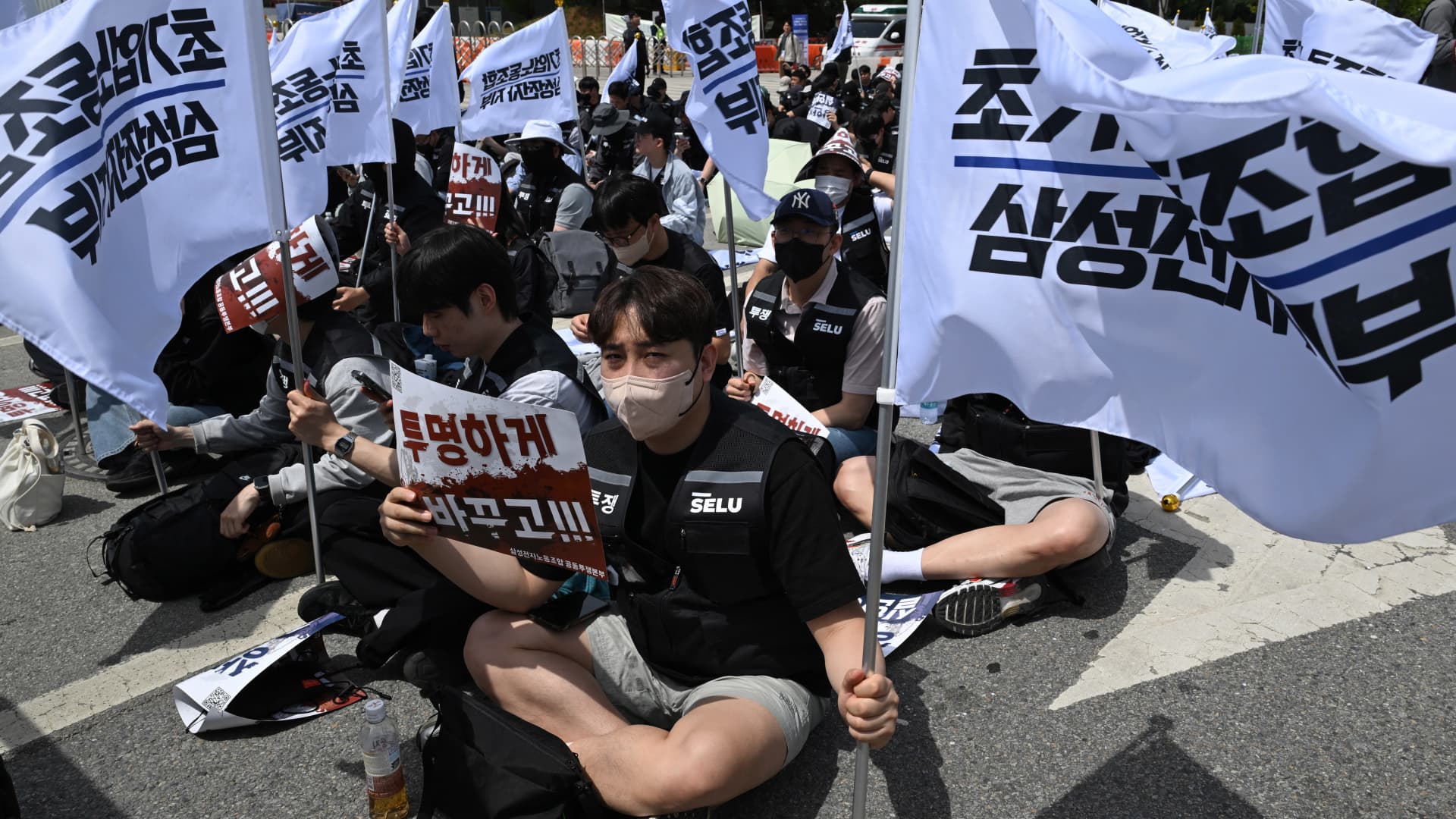
Shares of Samsung Electronics surged over 6% following the late-Wednesday suspension of an 18-day planned strike by its labor union. This tentative wage agreement not only eased immediate concerns over potential disruptions to the South Korean chipmaker’s crucial operations but also underscored the delicate balance between labor demands and global supply chain stability.
🚀 Tech Strategy & Market Disruptions
- Global Chip Supply Chain Resilience. The averted strike prevents a significant disruption to semiconductor production, crucial for industries from automotive to AI, highlighting the fragility of global tech supply chains.
- Labor Relations & Innovation Investment. Samsung’s resolution reflects a growing trend of major tech firms navigating evolving labor demands while striving to maintain high-capital innovation cycles.
- Economic Stability in South Korea. With Samsung accounting for a substantial portion of South Korea’s GDP and exports, preventing the strike reinforces national economic stability and investor confidence in key industrial sectors.
The market reacted positively to the news of the suspended Samsung Electronics strike, with the tech giant’s shares reflecting renewed confidence in its operational continuity. This resolution comes after intense, government-mediated negotiations that led to a provisional agreement, now subject to a union vote from May 22 to 27. The gains were further amplified by broader optimism in semiconductor stocks, particularly after Nvidia reported robust earnings, with revenue soaring 85% to $81.62 billion in its latest quarter, illustrating the sustained demand for high-performance computing components.
The contentious issue of performance bonuses, central to the labor dispute, appears to have found a tentative path forward. According to Yonhap, the highly profitable chip division is slated to receive 40% of the total bonus pool, with other units receiving 60%. A particularly challenging decision regarding bonuses for loss-making divisions has been deferred for a year. Importantly, Reuters reported that Samsung agreed to allocate a special bonus equivalent to 10.5% of operating profits to its chip division, linking bonuses to operating profits and abolishing a bonus cap – key union demands. This mirrors a similar agreement reached by rival SK Hynix last September, which committed 10% of operating profit to worker bonuses. Such agreements underscore a shift in how major chipmakers are managing labor incentives in a highly competitive and profitable industry. More insights into such market dynamics can be found on Bloomberg’s technology coverage.
The progression from a looming labor crisis to a provisional agreement illustrates a critical disruption flow within the technology sector. Initial strike threats introduce severe uncertainty, impacting stock valuations and threatening production. The subsequent suspension alleviates this immediate pressure, allowing for stability in semiconductor manufacturing operations. This directly contributes to maintaining confidence in the global supply chain, which is heavily reliant on South Korean chip output. Consequently, the avoidance of widespread production halts mitigates potential ripple effects across various tech-dependent industries, from consumer electronics to advanced AI infrastructure, ultimately preventing significant market disruption.
In the semiconductor industry, operational stability is paramount. Any interruption, even perceived, can trigger global supply chain anxieties, highlighting the critical role of robust labor relations in maintaining a predictable output of foundational technologies for the digital economy. This situation with Samsung underscores that human capital management is as strategic as R&D investment.
Key Financial and Economic Implications:
- Samsung Electronics accounts for 22.8% of South Korea’s exports and 26% of its total market capitalization.
- The company’s revenue contributes 12.5% to South Korea’s GDP, underscoring its pivotal national economic role.
- Direct losses from an 18-day strike were estimated at 1 trillion won, with potential economic losses rising to 100 trillion won if chip production disruptions escalated.
- The tentative bonus structure allocates 40% of the pool to the chip division and 60% to other business units, with a special bonus of 10.5% of operating profits for the chip division.
Navigating Samsung Electronics Market Adoption Challenges
Despite its dominance, Samsung Electronics faces multifaceted market adoption challenges, particularly in an era of rapid technological convergence and heightened geopolitical tensions. While its semiconductor prowess is undeniable, shifts in global demand for specific chip types, intense competition from peers like TSMC and Intel, and the ongoing need to diversify its foundry customer base present continuous strategic hurdles. The company must balance its expansive portfolio—from smartphones and home appliances to advanced memory and logic chips—while ensuring each segment remains at the forefront of innovation. Labor disputes, though resolved, add another layer of complexity, demanding a delicate balance between employee welfare and aggressive market positioning in a capital-intensive industry. Sustaining innovation while managing internal and external pressures is a perpetual tightrope walk for such a vast enterprise.
Samsung Electronics Ecosystem Expansion Potential
Looking forward, Samsung Electronics possesses significant ecosystem expansion potential beyond its traditional hardware strengths. Its investments in AI, 5G infrastructure, and advanced display technologies open avenues for deeper integration across smart homes, connected vehicles, and industrial IoT solutions. Leveraging its massive manufacturing scale and R&D capabilities, Samsung could further solidify its position as an end-to-end technology provider. The company’s strategy involves not just producing components but also creating platforms and services that bind them together, driving greater stickiness and value for consumers and enterprises. This strategic direction, supported by stable operations, is key to unlocking new revenue streams and maintaining competitive edge in the evolving digital landscape, as explored in various emerging technologies analyses.
Samsung Electronics: Charting the Path Ahead Post-Dispute
The swift resolution of the potential Samsung Electronics strike marks a critical moment, allowing the company to refocus on its strategic imperatives in the fiercely competitive global semiconductor market. This tentative agreement, while still subject to final approval, restores a sense of predictability for both the company’s operations and the broader economy that relies on its output. The underlying issues of fair compensation and performance incentives, however, will continue to shape future labor relations and require careful long-term management.
- Market confidence in Samsung’s operational stability has been significantly bolstered, leading to an immediate positive stock reaction.
- The agreement sets a precedent for how major technology companies navigate complex labor negotiations while maintaining innovation cycles.
- Sustained focus on advanced chip manufacturing and R&D is now expected, crucial for competitive edge against industry rivals.
How will this renewed operational stability empower Samsung to accelerate its innovation pipeline and strengthen its global market leadership?
📊 StockXpo Analyst’s View
Market Impact: The suspension of the Samsung strike signals a relief rally for not just Samsung but the broader technology sector, particularly semiconductor stocks. Investor sentiment will likely turn positive towards stability, reducing supply chain concerns and potentially encouraging further investment in chip manufacturing capacities. This news mitigates a significant downside risk, contributing to overall market liquidity and confidence in the Asian tech market. Discussions on broader technology market trends will now shift focus from labor risk to innovation.
Sector To Watch: The semiconductor industry remains the focal point. With global demand for AI-driven processors and advanced memory solutions continuing its upward trajectory, companies like Samsung and SK Hynix are critical bellwethers. This outcome also impacts industries heavily reliant on chips, such as automotive, consumer electronics, and data centers. Furthermore, the negotiation dynamics could influence labor relations across other large manufacturing and tech enterprises, warranting close observation for future policy and compensation models. Insights on such developments can often be found in educational tech insights.
Financial Disclaimer:
StockXpo.com is a financial news aggregator and educational portal, not a registered investment advisor or broker-dealer. All information, news, and analysis provided herein are strictly for educational purposes and do not constitute investment, financial, legal, or tax advice. Investing in the stock market involves high risks, and past performance is not indicative of future results. StockXpo will not be liable for any financial losses or investment damages. Always consult a certified financial advisor before making market decisions.
MORE IN INSIDE TECHNOLOGY

AI Innovation Fuels Southeast Asia’s Digital Growth
Published: Thursday, October 22, 2026 · 12:36 AM
NextDC Shares Plunge: Power Delays Threaten Australia’s Data Center Growth
Published: Wednesday, October 21, 2026 · 1:50 AM