Published: Thursday, June 11, 2026 · 6:57 PM | Updated: Thursday, June 11, 2026 · 6:57 PM
📊 329 views




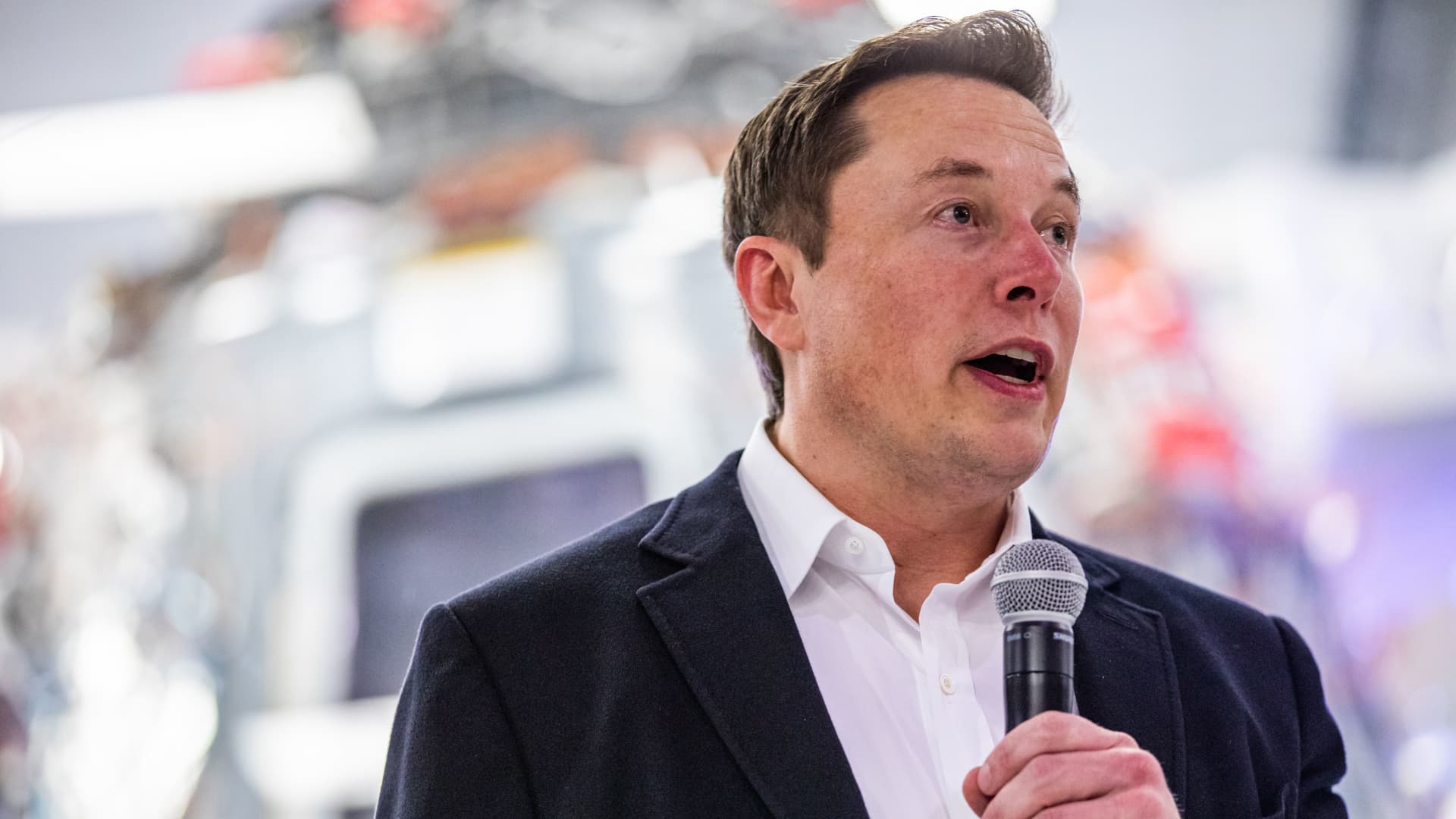
As Elon Musk navigates the path toward a potential record-breaking SpaceX IPO, his strategic focus is extending beyond aerospace into the critical domain of advanced chip manufacturing. A recent virtual address to employees of ASML, the exclusive provider of essential extreme ultraviolet (EUV) lithography machines, underscores a profound commitment to in-house chip production for his burgeoning technology empire.
🚀 Tech Strategy & Market Disruptions
- Vertical Integration in Chip Production. SpaceX’s Terafab project represents a significant move towards controlling critical supply chains, reducing reliance on external manufacturers and fostering innovation in AI chip development.
- ASML’s Indispensable Role. ASML’s monopoly on EUV lithography machines positions it as a linchpin in the global semiconductor landscape, with its technology being crucial for leading chipmakers like TSMC, Samsung, and Intel.
- AI Compute Power Expansion. The burgeoning demand for AI compute capacity, driven by SpaceX’s own AI lab (xAI) and external contracts with giants like Google and Anthropic, necessitates substantial investment in proprietary chip fabrication.
Musk’s direct engagement with ASML employees, following a public endorsement on X, highlights the company’s paramount importance to the ambitious ‘Terafab’ project. This massive chip fabrication plant in Texas is designed to produce advanced semiconductors not only for SpaceX’s expanding data center needs – fueled by recent deals to supply compute capacity to leading AI firms – but also for Tesla and xAI. The sheer scale of the Terafab initiative, with projected costs ranging from $55 billion to over $119 billion, signals a long-term strategic vision to dominate key technological sectors.
ASML’s exclusive grip on EUV lithography machines, each costing an estimated $400 million, makes it an indispensable partner for any entity aiming to produce cutting-edge chips for AI applications. Without ASML’s technology, global leaders such as Taiwan Semiconductor, Samsung, and Intel would be unable to manufacture the most advanced processors. This reliance underscores the strategic significance of Musk’s efforts to secure a stable and advanced supply of these critical components.
The move into chip manufacturing is not merely about securing supply; it’s about accelerating innovation. By controlling the design and production process, SpaceX can tailor chips for specific AI workloads, potentially unlocking new levels of performance and efficiency for its ambitious projects in space exploration, autonomous systems, and artificial intelligence. This vertical integration strategy is a key driver for innovation-driven growth, allowing for rapid iteration and development.
The Architecture Behind Terafab’s Chip Innovation
The Terafab project represents a monumental undertaking in advanced manufacturing, requiring an intricate integration of cutting-edge technology and a highly skilled workforce. The sheer investment planned by SpaceX underscores the critical nature of proprietary chip manufacturing in the current technological landscape. It’s a move that could redefine the competitive dynamics within the semiconductor industry, especially for companies heavily reliant on AI for their core operations.
- EUV Lithography Dependency: ASML’s EUV machines are the sole enablers of leading-edge chip production, making them a bottleneck and a critical strategic asset.
- AI Compute Demand: The exponential growth in AI necessitates a robust and scalable supply of specialized chips, driving investments like Terafab.
- Vertical Integration Benefits: Controlling chip manufacturing allows for bespoke chip designs optimized for specific applications, enhancing performance and reducing latency.
While ASML maintains a neutral profile to serve a global customer base, Musk’s involvement has brought internal discussions within the company regarding alignment with its values. Nevertheless, ASML’s expansion plans, including a new campus set to open in 2028, indicate a company poised for continued growth, regardless of the complex geopolitical and corporate relationships it navigates. The technological prowess required for such advanced manufacturing highlights the intricate web of innovation and collaboration that characterizes the modern tech industry.
WATCH: ASML’s $400 Million High-NA Machine Revolutionizes Chip Production
In the realm of advanced technology, achieving self-sufficiency in critical components like advanced semiconductors is no longer a luxury but a strategic imperative. Companies that can control their chip destiny are best positioned to innovate rapidly and lead market transformations.
SpaceX’s Chip Manufacturing Strategy Takes Flight
SpaceX’s foray into chip manufacturing via the Terafab project is a bold step towards vertical integration, aimed at securing a critical supply chain for its ambitious AI and space endeavors. This move positions the company to potentially disrupt the traditional semiconductor market, which has long been dominated by established players.
- Strategic Importance: The project highlights the increasing importance of in-house chip production for companies operating at the forefront of AI and advanced computing.
- Market Impact: It could lead to increased competition and drive further innovation in chip design and manufacturing technologies globally.
- Technological Advancement: The focus on EUV lithography underscores the cutting-edge nature of the project and its potential to push the boundaries of semiconductor capabilities.
Will this strategic investment in chip manufacturing empower SpaceX to achieve unprecedented breakthroughs in AI and space exploration, or will it introduce unforeseen challenges in scaling such complex operations?
📊 StockXpo Analyst’s View
Market Impact: This development signals a significant shift towards vertical integration in the tech sector, potentially increasing demand for specialized manufacturing equipment and expertise. Investors should watch how this impacts the competitive landscape for established chip manufacturers and cloud providers. Key players in the technology ecosystem will feel the ripple effects as such ambitious projects mature.
Sector To Watch: Semiconductor manufacturing equipment, AI infrastructure, and specialized chip design firms are likely to see increased investor interest and strategic partnerships. Companies that can support or complement SpaceX’s vertical integration efforts could experience substantial growth.
Financial Disclaimer:
StockXpo.com is a financial news aggregator and educational portal, not a registered investment advisor or broker-dealer. All information, news, and analysis provided herein are strictly for educational purposes and do not constitute investment, financial, legal, or tax advice. Investing in the stock market involves high risks, and past performance is not indicative of future results. StockXpo will not be liable for any financial losses or investment damages. Always consult a certified financial advisor before making market decisions.
MORE IN INSIDE TECHNOLOGY

AI Legal Tech: Revolutionizing Billing and Training in Law with Innovation
Published: Saturday, October 10, 2026 · 2:58 AM
Starlink India: Regulatory Hurdles and Innovation-Driven Growth Risks
Published: Friday, October 9, 2026 · 12:48 AM