
Published: Monday, November 16, 2026 · 9:05 AM | Updated: Monday, November 16, 2026 · 9:05 AM
📊 14 views




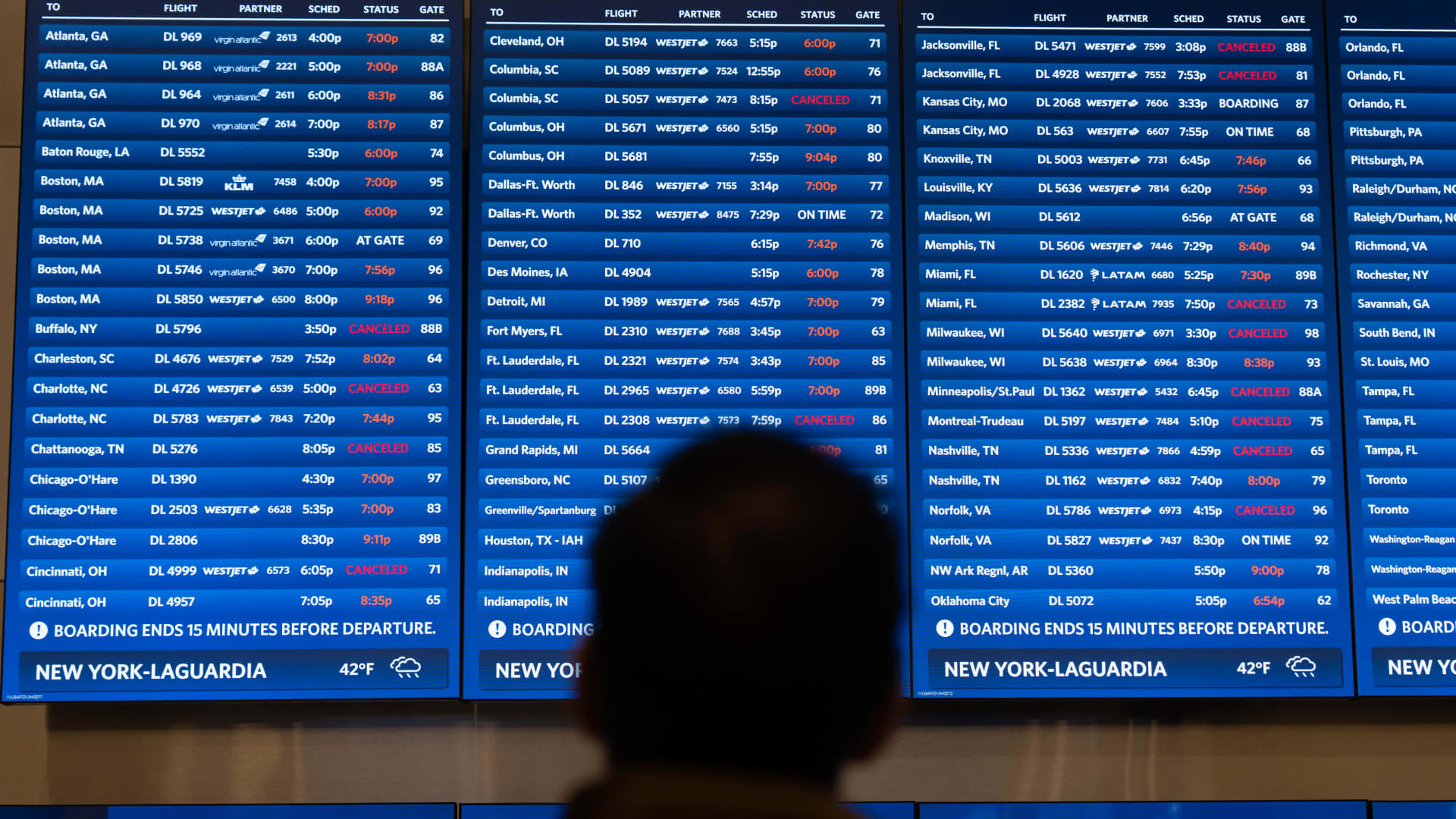
The recent nationwide FAA ground stop, triggered by a critical system failure, has once again underscored the precarious state of U.S. air traffic control infrastructure. This incident, leading to widespread flight delays and cancellations, highlights the urgent need for substantial investment and modernization to safeguard both operational efficiency and market leadership for major airlines. The ramifications extend beyond mere inconvenience, signaling potential long-term strategic challenges for the entire aviation sector.
🗝️ Corporate Strategy Insights
- Operational Resilience Tested. Major carriers faced unprecedented disruption, exposing vulnerabilities in their recovery protocols and impacting brand reputation amidst thousands of cancelled flights.
- Infrastructure Modernization Imperative. The incident underscores the critical need for accelerated federal investment in air traffic control systems, directly affecting airline reliability and future growth capacity.
- Customer Loyalty at Risk. Extensive delays and cancellations, coupled with challenges in rebooking and accommodation, strain passenger trust and could lead to shifts in consumer preference or increased regulatory scrutiny.
On Friday, a four-hour Federal Aviation Administration ground stop, the longest since 9/11, paralyzed U.S. air travel, resulting in over 18,000 domestic flight cancellations and hundreds of thousands of stranded travelers through Monday morning. The root cause was traced to a router issue in southern Arkansas, exacerbated by ongoing ‘routine’ maintenance to transition from copper wires to a fiber-optic system overseen by L3Harris Technologies. This single point of failure highlights a systemic vulnerability that, despite warnings, continues to plague a crucial national infrastructure.
Major airlines bore the brunt of the operational chaos, with American Airlines canceling 5,367 flights (22% of its schedule), Delta Air Lines 3,434 (17%), and both Southwest Airlines and United Airlines over 16% of their respective schedules. These extensive disruptions forced airlines to waive change fees, offer fare differences, and provide additional pay to pilots and flight attendants in a desperate bid to stabilize schedules, incurring significant unquantified costs. The cascading effect of weather disruptions preceding the ground stop further complicated recovery efforts, demonstrating the fragile equilibrium of the modern air travel system.
- The immediate financial hit to airlines includes direct costs from cancellations, customer compensation, and increased operational expenses.
- Reputational damage and potential loss of customer loyalty represent a longer-term strategic challenge.
- The incident fuels calls for robust, long-term federal investment in air traffic control, a critical component of any airline’s operational efficiency.
Transportation Secretary Sean Duffy swiftly called for a $50 billion upgrade package for the aging U.S. air traffic control system, a plea that Democratic lawmakers met with skepticism, pointing to unspent funds from a previously approved $12.5 billion allocation for similar improvements. This political impasse over capital allocation for essential infrastructure points to a deeper challenge in ensuring the U.S. aviation sector remains competitive and reliable on the global stage. The ability to manage such widespread flight delays efficiently is paramount for continued corporate growth objectives and investor confidence.
The FAA ground stop initiated a clear chain of cause-and-effect that resonates throughout the aviation value chain. A single technical failure —> triggered a nationwide operational halt —> leading to massive flight cancellations and passenger disruption —> which directly impacted airline revenues and strained customer relations. This event has heightened scrutiny on L3Harris Technologies, the contractor responsible for the fiber-optic upgrade, pushing them to expedite modernization efforts. For competitors, the incident serves as a stark reminder of the criticality of robust, redundant systems and the potential for a single infrastructure failure to erode an airline’s competitive advantages in reliability and on-time performance. The entire industry faces increased pressure from regulators and the public to ensure such systemic failures are prevented, potentially accelerating technology adoption across air traffic control. This broad impact could shift public perception of travel reliability, influencing future booking patterns and the competitive dynamics among carriers seeking to differentiate through operational excellence. The financial implications extend to broader global financial markets, particularly for aviation-related stocks.
“The recent FAA ground stop laid bare a fundamental vulnerability in U.S. aviation: the inability of critical infrastructure to withstand even minor technical glitches. This isn’t just an operational hiccup; it’s a strategic warning signal for airlines to diversify their risk mitigation strategies and for the government to prioritize essential modernization, or face escalating reputational and financial costs.”
While specific financial impacts per airline from this event are still being assessed, the operational disruption provides clear indicators:
- Total U.S. Flight Cancellations (Fri-Mon): Approximately 18,000 flights. This metric highlights the sheer scale of operational disruption and the challenges airlines faced in rescheduling.
- American Airlines Cancellations: 5,367 flights (22% of schedule). Indicates significant operational strain on the largest U.S. carrier, potentially affecting quarterly performance.
- Delta Air Lines Cancellations: 3,434 flights (17% of schedule). Demonstrates similar operational challenges for another industry leader.
- Southwest & United Airlines Cancellations: Both exceeded 16% of their respective schedules. Underscores the widespread impact across major network carriers and budget airlines alike.
These figures are crucial for understanding the immediate operational hit to airlines, influencing their short-term revenue forecasts and passenger satisfaction metrics. Investors often scrutinize such operational indicators to gauge an airline’s efficiency and resilience against unexpected events.
L3Harris Technologies: Modernizing Air Traffic Control
L3Harris Technologies finds itself at the center of the FAA’s infrastructure challenges, with its routers identified as the source of the recent ground stop and its fiber-optic upgrade project under scrutiny. As a key defense contractor and technology provider, L3Harris’s role in upgrading critical national systems like air traffic control presents both a significant opportunity and substantial risk. The company’s ability to swiftly diagnose and rectify the router issue, alongside its commitment to delivering reliable fiber-optic transitions, will be paramount for its reputation and future government contracts. This incident underscores the immense responsibility associated with providing essential infrastructure, where even minor failures can have catastrophic consequences for national operations and economic activity. Timely and effective execution of these upgrades is not merely a technical task but a matter of national strategic importance, impacting the efficiency of global supply chains and travel.
Airline Resilience in the Face of Systemic Shocks
The recent FAA ground stop tested the mettle of U.S. airlines, revealing varying degrees of operational resilience. While all major carriers experienced significant cancellations, their ability to recover and manage passenger rebooking, staff scheduling, and aircraft repositioning defines their competitive advantage in a crisis. Airlines that have invested in flexible scheduling systems, robust communication platforms, and well-trained customer service teams likely fared better in mitigating the long-term impact on customer loyalty. This event prompts a re-evaluation of current operational strategies, emphasizing the need for contingency planning beyond typical weather-related disruptions. Understanding corporate growth objectives in an environment prone to such systemic shocks requires a proactive approach to technology integration, workforce management, and collaborative efforts with regulatory bodies.
Navigating Future Flight Delays: An Industry Imperative
The recent surge in flight delays serves as an unambiguous call to action for the entire U.S. aviation sector. It’s a wake-up call for federal policymakers to cease debating and commence substantive investment, for infrastructure providers to ensure fail-safe system redundancy, and for airlines to bolster their operational resilience against increasingly frequent disruptions. The economic cost of inaction far outweighs the investment required for modernization.
- Immediate and substantial federal funding is critical for accelerating air traffic control modernization.
- Airlines must prioritize investments in robust contingency planning and transparent customer communication to safeguard brand trust.
- Collaboration between government, contractors like L3Harris, and airlines is essential to build a truly resilient national air infrastructure.
Will the aviation industry truly learn from this costly disruption, or are we destined for a cycle of repeating infrastructure failures?
📊 StockXpo Analyst’s View
Market Impact: This widespread disruption, particularly affecting major carriers like American, Delta, and United, could exert downward pressure on airline stock performance in the short term, reflecting increased operational costs and potential revenue loss from customer compensation. Investor sentiment is likely to remain cautious until clear commitments to infrastructure modernization are demonstrated. The incident also highlights the systemic risk carried by defense and tech contractors like L3Harris, whose performance on critical government projects is increasingly under scrutiny, impacting their respective Reuters business news valuations.
Sector To Watch: The Aerospace & Defense sector, specifically companies involved in air traffic control technology and infrastructure development, will be under an increased spotlight. While the immediate issue points to vulnerabilities, it also signals a massive opportunity for companies that can deliver reliable, next-generation solutions for aviation infrastructure. This includes firms specializing in fiber-optic networks, redundant systems, and advanced air traffic management software. Investors should monitor policy developments and capital allocation trends in this critical area. For deeper understanding market dynamics, this event offers key insights.
Financial Disclaimer:
StockXpo.com is a financial news aggregator and educational portal, not a registered investment advisor or broker-dealer. All information, news, and analysis provided herein are strictly for educational purposes and do not constitute investment, financial, legal, or tax advice. Investing in the stock market involves high risks, and past performance is not indicative of future results. StockXpo will not be liable for any financial losses or investment damages. Always consult a certified financial advisor before making market decisions.
MORE IN INSIDE BUSINESS

EV Federal Support: Why Carmakers Plan Beyond Political Winds
Published: Sunday, November 15, 2026 · 10:24 AM

Retailer Entertainment: The Evolving Strategy for Market Leadership
Published: Saturday, November 14, 2026 · 9:18 AM


