
Published: Monday, November 16, 2026 · 10:11 PM | Updated: Monday, November 16, 2026 · 10:11 PM
📊 12 views




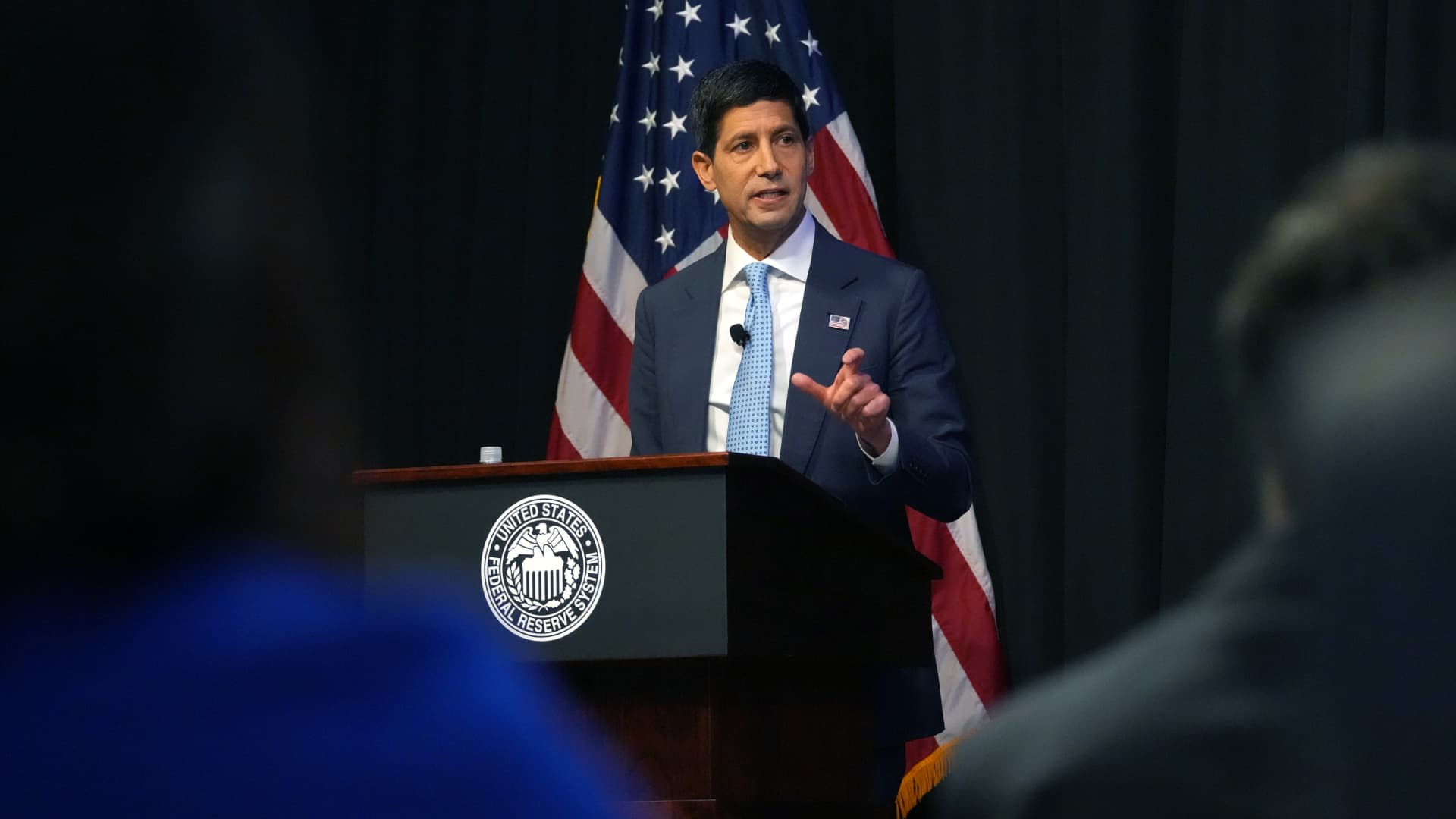
The U.S. Federal Reserve is grappling with the profound implications of an impending AI revolution, signaling a critical juncture for the nation’s economic stability. As Fed Chairman Kevin Warsh convenes experts to decipher AI’s potential impacts on productivity, jobs, and inflation, the central bank faces complex decisions that could redefine monetary policy and systemic growth for decades.
📊 Macro-Economic Strategic Insights
- Monetary Policy Crossroad. The Fed is weighing interest rate hikes to cool AI-driven spending, while simultaneously forecasting long-term disinflationary pressures from AI efficiency.
- ‘China Shock’ for Services. Chairman Warsh suggests AI could displace service sector jobs, mirroring the manufacturing job losses seen after China’s WTO entry, leading to lower service prices but significant labor market disruption.
- Public Sentiment and Regulation. State-level ballot measures to slow data center construction indicate growing public and regulatory pushback, potentially hindering AI adoption and economic benefits.
The U.S. economy stands at a pivotal moment, with Federal Reserve Chairman Kevin Warsh acknowledging the imminent ‘AI revolution’ as a defining force. Speaking at a recent conference in San Francisco, Warsh emphasized the uncharted territory facing monetary policymakers, particularly concerning the timing and magnitude of AI’s economic impact on inflation and employment. His newly assembled AI task force reflects a departure from traditional internal expertise, bringing in external voices like venture capitalist Marc Andreessen to help shape the central bank’s understanding.
This proactive stance comes as the technology sector rapidly evolves, exemplified by AI lab Anthropic’s staggering $1.4 trillion valuation in its upcoming IPO. Such massive capital inflows into AI firms are fueling concerns about overheating the economy, prompting the Fed to consider a December interest rate hike. Simultaneously, however, there’s a growing discussion about AI’s potential to drive long-term disinflation by making services dramatically cheaper, raising questions about future interest rate trajectories.
The complexities are manifold:
- Job Displacement: Experts are debating the extent of white-collar job losses, particularly in service sectors, potentially mirroring the ‘China shock’ experienced by manufacturing workers two decades ago.
- Productivity Boom: The promise of AI to enhance overall productivity remains a core driver of optimism, though its realization depends on adoption rates and regulatory environments.
- Public and Regulatory Headwinds: Recent midterm elections saw voters enacting measures to slow data center construction, highlighting a societal skepticism that could impede AI’s infrastructure build-out.
Fed policy, therefore, must navigate these conflicting signals—balancing short-term inflationary pressures from AI investment with potential long-term disinflationary forces and significant labor market restructuring. The insights from Warsh’s task force, including Andreessen’s view on regulatory impacts limiting job displacement, will be crucial in informing the Fed’s eventual policy shifts concerning overall macro trends and economic policy.
The Ripple Effect: Economic Pathways of AI Adoption
The economic consequences of widespread AI adoption can be conceptualized through a series of ripple effects:
- Increased AI Investment → Higher Demand for Tech Resources → Short-Term Inflationary Pressure
- AI-Driven Efficiency → Lower Costs for Services → Long-Term Disinflationary Pressure
- AI-Induced Job Displacement → Reduced Consumer Spending (in affected sectors) → Potential Economic Slowdown / Shift in Labor Dynamics
- Public Opposition to Data Centers → Slower AI Infrastructure Build-out → Delayed Productivity Gains & Economic Transformation
‘The ability of AI to profoundly transform economic structures, from labor markets to price stability, demands an agile and forward-thinking monetary policy framework. Understanding the mechanisms through which AI influences aggregate supply and demand is paramount for maintaining systemic growth.’
While specific quantitative metrics are still emerging, current economic indicators and projections point to several key areas influenced by AI:
- Inflation Outlook: The Fed faces a dual challenge: controlling near-term inflation fueled by AI sector spending while anticipating potential long-term disinflation from AI-driven cost efficiencies.
- Labor Market Dynamics: The potential for significant job displacement in service industries necessitates proactive policy responses to mitigate adverse social and economic effects, as discussed on stock markets and investment analysis platforms.
- Productivity Growth: The realization of a sustained productivity boom from AI is contingent on widespread adoption and favorable regulatory environments, which analysts monitor closely for insights into educational insights into market complexities.
Technology Sector Policy Commentary: Navigating Innovation and Regulation
The burgeoning AI industry, exemplified by firms like Anthropic reaching multi-trillion-dollar valuations, presents a unique challenge for policymakers. While former Commerce Secretary Gina Raimondo warns against measures that would hinder AI development, local and state-level resistance to data center construction indicates a broader societal tension. This duality requires a delicate balance: fostering innovation while addressing public concerns around resource consumption, job security, and ethical implications. Federal Reserve Chairman Warsh’s engagement with external experts underscores the need for agile regulatory frameworks that do not stifle the very technology poised to redefine global economic shifts.
Global Economic Benchmarking: The AI Race and International Competitiveness
As the U.S. grapples with the economic implications of AI, international comparisons become increasingly relevant. Nations globally are investing heavily in AI research, development, and infrastructure, recognizing its potential for both economic dominance and societal transformation. The U.S. Federal Reserve’s proactive stance on understanding AI’s impact contrasts with some other central banks, which may be slower to integrate such technological shifts into their monetary policy considerations. This global AI race could dictate future trade balances, technological leadership, and overall economic stability.
The AI Revolution: A Defining Moment for Monetary Policy
The Federal Reserve’s deep dive into the AI revolution underscores its potential as the most significant economic force of our era. Chairman Warsh’s unconventional approach, leveraging external expertise, signals a recognition that traditional economic models may fall short in predicting AI’s multifaceted impact on jobs, inflation, and productivity. The coming months will be crucial as the task force’s findings translate into potential policy adjustments.
- The Fed faces a nuanced challenge of managing short-term AI-driven inflation while preparing for long-term disinflationary trends.
- The potential for a ‘services shock’ demands forward-looking labor market strategies to mitigate widespread job displacement.
- Public and regulatory responses to AI infrastructure could significantly alter the pace of technological adoption and its economic benefits.
How will global central banks coordinate their responses to this unprecedented technological paradigm shift?
📊 StockXpo Analyst’s View
Market Impact: The prospect of AI generating both inflationary pressures (due to investment) and disinflationary forces (due to efficiency) creates significant volatility in long-term bond markets. Investors should brace for potential short-term rate hikes while carefully monitoring the Fed’s evolving long-term inflation outlook. Equity markets, particularly in tech, will see continued robust investment, but regulatory risks and public sentiment pose potential headwinds. The discussion around AI’s ‘China shock’ equivalent for services suggests a fundamental re-evaluation of labor-intensive industries, impacting valuations.
Sector To Watch: The immediate focus remains on the AI infrastructure and software sectors, which will continue to attract substantial capital. However, the most profound impacts will likely be felt in traditional service industries—legal, administrative, customer service, and even parts of healthcare and education—where AI integration could lead to significant cost reductions and job restructuring. Investors should also watch utility and real estate sectors, given the increasing demand for and public opposition to data center construction, which can be followed on federal policy debates and other financial publications.
Financial Disclaimer:
StockXpo.com is a financial news aggregator and educational portal, not a registered investment advisor or broker-dealer. All information, news, and analysis provided herein are strictly for educational purposes and do not constitute investment, financial, legal, or tax advice. Investing in the stock market involves high risks, and past performance is not indicative of future results. StockXpo will not be liable for any financial losses or investment damages. Always consult a certified financial advisor before making market decisions.
MORE IN INSIDE ECONOMY

Japan’s Economy Faces Unexpected Contraction Warning
Published: Sunday, November 15, 2026 · 8:58 PM
Inflation Fight Escalates: Fed Braces for Sustained Battle
Published: Friday, November 13, 2026 · 6:07 AM


