Published: Thursday, June 11, 2026 · 6:59 PM | Updated: Thursday, June 11, 2026 · 6:59 PM
📊 249 views




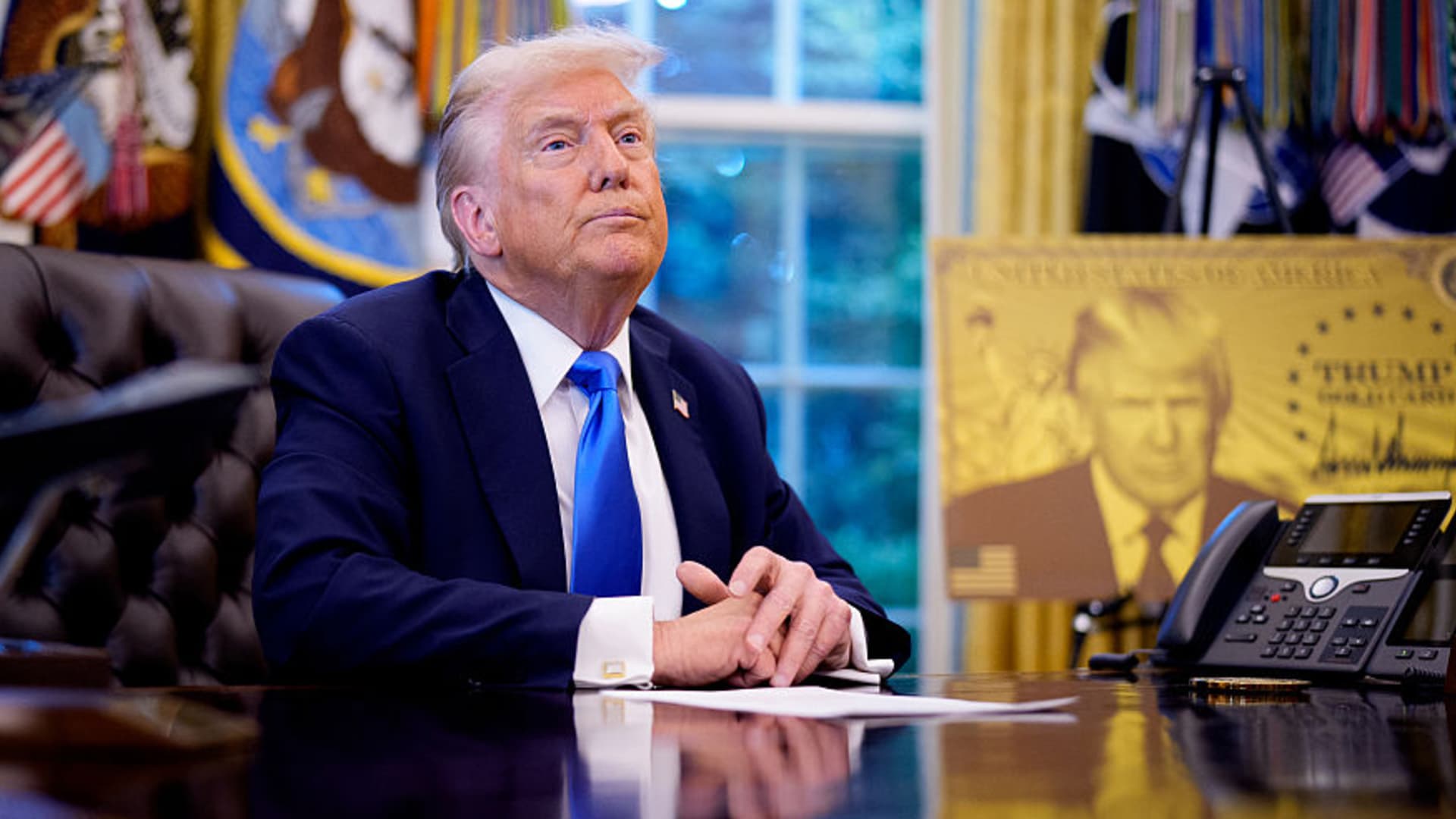
The Trump administration is signaling its intent to challenge a recent federal court decision that blocked a significant increase in H-1B visa fees. This legal maneuver, centered on a proposed $100,000 fee, directly impacts the flow of highly skilled foreign talent into the United States, a critical component for innovation-driven growth in the technology sector.
🚀 Tech Strategy & Market Disruptions
- Regulatory Uncertainty for Tech Hiring. The ongoing legal battles surrounding H-1B fees create a volatile environment for technology companies reliant on international talent, potentially slowing down critical hiring processes.
- Impact on Global Talent Mobility. Significant fee hikes can deter companies from sponsoring H-1B visas, affecting the ability of skilled professionals to contribute to U.S. innovation and market competitiveness.
- Legal Challenges to Executive Authority. The court’s ruling that President Trump exceeded his authority highlights ongoing debates about the executive branch’s power in shaping immigration policy, with potential ripple effects across various sectors.
The Legal Battle Over H-1B Fees Intensifies
The Justice Department has formally filed a notice of appeal following U.S. District Judge Leo Sorokin’s ruling that vacated the $100,000 H-1B fee. Judge Sorokin determined that the proposed fee constituted a tax, an authority reserved for Congress, and that the Trump administration overstepped its executive powers. This decision represents a significant setback for the administration’s broader efforts to restrict the H-1B program, which is widely utilized by U.S. tech giants to secure specialized expertise from abroad. The program, established in 1990, facilitates the temporary employment of nonimmigrant workers in specialized occupations for periods up to six years.
The administration’s stated commitment to ‘protecting American workers’ and its ‘America First agenda’ are central to its defense. A Department of Justice spokesperson emphasized that other courts have previously ruled in favor of the administration on similar issues, asserting a continued focus on holding companies accountable for alleged abuses of the H-1B program. This legal contention underscores a broader policy debate about the role of foreign talent in the U.S. economy and the mechanisms for managing visa programs.
Prior to the proclamation of this substantial fee, H-1B visa application costs typically ranged from $2,000 to $5,000. The dramatic increase proposed by the administration, intended to curb program misuse and prevent the displacement of American workers, led several major companies, including Walmart, to announce pauses in their H-1B program participation. This uncertainty directly impacts the strategic workforce planning for many technology firms, as detailed in analyses of technology market trends.
Analyzing the Economic Implications for the Tech Sector
The H-1B visa program is a cornerstone for many technology companies seeking to fill critical roles requiring specialized skills not readily available domestically. The proposed fee hike and subsequent legal challenges introduce significant operational and financial risks for these businesses. Such regulatory friction can stifle the agility required for rapid innovation and market responsiveness. Companies that rely on this talent pipeline may face increased costs, extended hiring timelines, or be forced to seek talent in jurisdictions with more stable immigration policies.
- Talent Acquisition Bottlenecks: The uncertainty around H-1B fees creates hiring delays, potentially impacting project timelines and product development cycles.
- Increased Operating Costs: Significant fee increases directly translate to higher operational expenses for companies utilizing the H-1B program.
- Competitive Disadvantage: U.S. companies might find themselves at a disadvantage compared to international competitors with more flexible talent immigration policies.
This regulatory environment directly affects the operational architecture of companies that have built their growth strategies around accessing a global talent pool. The ability to attract and retain top-tier engineers, data scientists, and other specialists is paramount in a rapidly evolving technological landscape. For deeper dives into emerging technologies and their impact, exploring industry reports is crucial.
The administration’s attempt to impose a substantial H-1B fee without explicit congressional authorization represents a critical juncture in the balance of power between the executive and legislative branches, with profound implications for the mobility of high-skilled labor essential for U.S. technological competitiveness.
H-1B Fee Dispute’s Impact on Digital Transformation
The controversy surrounding the H-1B fee directly intersects with broader digital transformation initiatives. Companies undertaking ambitious projects often require niche expertise, frequently sourced internationally through programs like H-1B. Restricting access to this talent pool can impede the pace and scope of digital transformation efforts, potentially slowing down the adoption of new technologies and the optimization of existing systems. This situation poses challenges for companies aiming to leverage cutting-edge solutions to maintain their market position.
H-1B Program’s Market Adoption Challenges
The current legal and regulatory flux surrounding the H-1B program presents significant market adoption challenges for companies dependent on foreign talent. These firms must navigate increased costs and potential delays in acquiring the specialized skills needed to develop and deploy new technologies. This environment encourages a re-evaluation of talent acquisition strategies, pushing companies to explore domestic talent development programs or alternative international hiring models. The legal precedent set by the judge’s ruling could also influence future immigration policy debates and their impact on educational tech insights.
H-1B Fee Ruling’s Ecosystem Expansion Potential
While the immediate impact of the H-1B fee dispute is one of uncertainty, the long-term implications for the tech ecosystem could spur adaptive strategies. Companies may be incentivized to invest more heavily in domestic training and upskilling programs, fostering a more robust internal talent pipeline. Furthermore, the situation could encourage greater collaboration between universities and industry to cultivate specialized skills, potentially leading to new avenues for ecosystem expansion. This regulatory pressure can, in some instances, foster resilience and innovation within the domestic workforce, as further discussed on emerging technologies.
H-1B Fee Uncertainty Shapes Tech Talent Strategy
The ongoing legal dispute over the $100,000 H-1B fee introduces a significant layer of uncertainty into the U.S. technology sector’s talent acquisition strategies. The administration’s appeal signals a continued effort to reshape immigration policies, potentially impacting the cost and availability of specialized foreign workers crucial for innovation and market growth.
- Regulatory volatility poses a direct risk to companies relying on international talent for critical roles.
- The debate highlights underlying tensions between immigration policy and the needs of a technology-driven economy.
- Future outcomes could lead to diversified talent acquisition strategies, emphasizing domestic development and alternative international sourcing.
What will be the ultimate impact on the global competitiveness of the U.S. tech industry if access to specialized talent becomes significantly more restricted?
### 📊 StockXpo Analyst’s View
Market Impact: The appeal of the H-1B fee ruling injects further volatility into the tech hiring landscape, potentially dampening investor sentiment towards companies with high reliance on international talent. This could lead to cautious capital allocation within the sector as businesses brace for continued regulatory uncertainty.
Sector To Watch: Industries heavily dependent on specialized STEM talent, such as artificial intelligence, biotechnology, and advanced software development, will be most closely monitored. Companies demonstrating robust domestic talent pipelines or innovative international recruitment strategies may see a relative advantage.
Financial Disclaimer:
StockXpo.com is a financial news aggregator and educational portal, not a registered investment advisor or broker-dealer. All information, news, and analysis provided herein are strictly for educational purposes and do not constitute investment, financial, legal, or tax advice. Investing in the stock market involves high risks, and past performance is not indicative of future results. StockXpo will not be liable for any financial losses or investment damages. Always consult a certified financial advisor before making market decisions.
MORE IN INSIDE TECHNOLOGY
AI Buildout Hits Credit Headwinds: Neoclouds Under Pressure
Published: Saturday, October 24, 2026 · 12:23 AM

SK Hynix Shares Rebound: A Strategic Shift in Semiconductor Funding
Published: Friday, October 23, 2026 · 1:46 AM