Published: Friday, July 31, 2026 · 5:54 AM | Updated: Friday, July 31, 2026 · 7:47 AM
📊 113 views




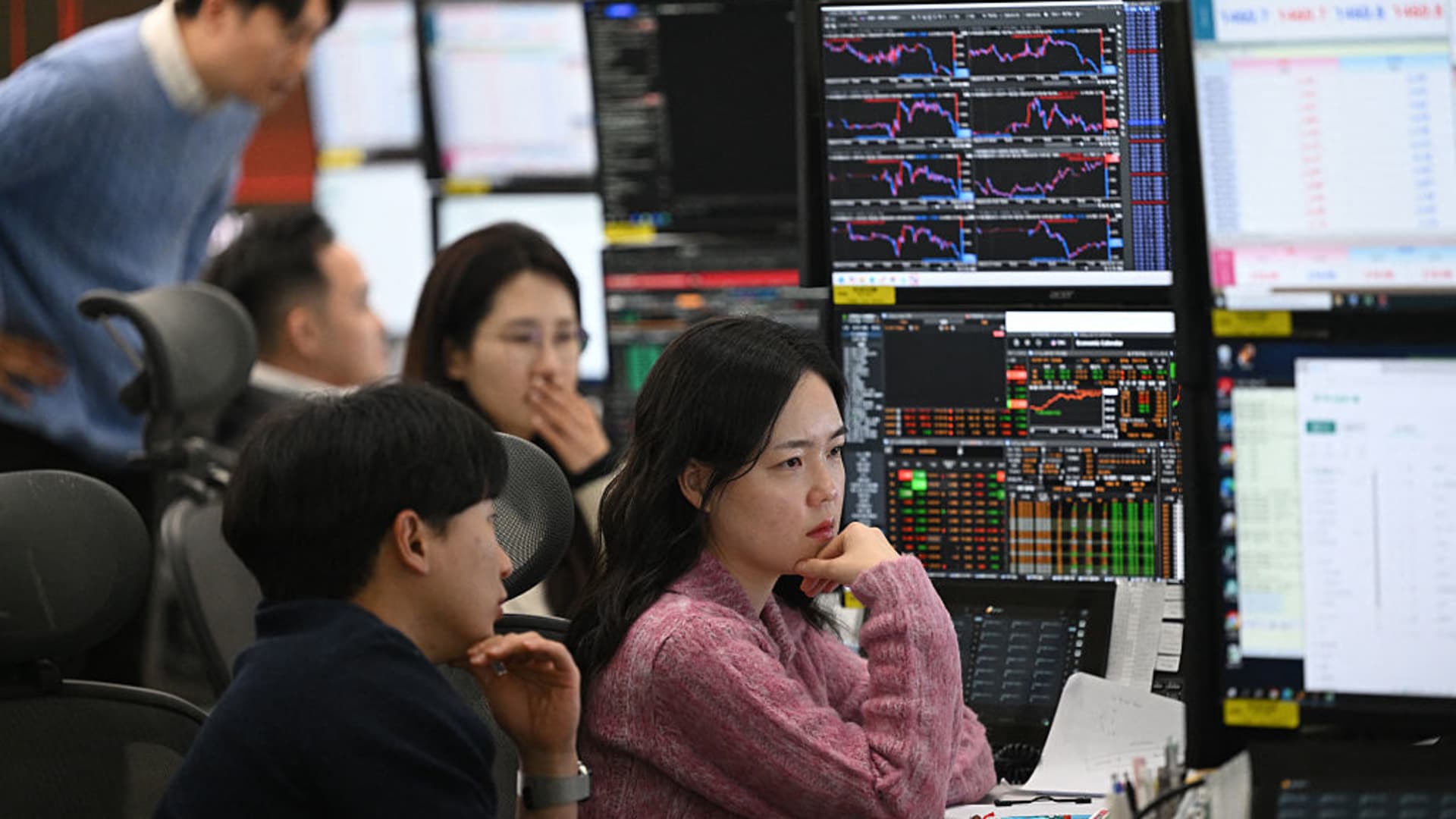
Seoul’s equity market recently witnessed unprecedented swings, reflecting a deep entanglement with the global artificial intelligence trade. A record-breaking rebound in the benchmark Kospi index capped a month of intense volatility, leaving investors to ponder the sustainability of this AI-fueled rally amidst underlying market vulnerabilities.
🚀 Tech Strategy & Market Disruptions
- AI-Driven Volatility. The Korean Stock Market’s dramatic swings are directly linked to global sentiment and investment cycles in artificial intelligence infrastructure.
- Semiconductor Reliance. South Korea’s equity performance, particularly bellwethers like SK Hynix and Samsung Electronics, remains highly sensitive to the health and outlook of the global semiconductor industry.
- Leverage & Investor Sentiment. High market leverage and rapidly shifting investor confidence are amplifying both downturns and recoveries, creating a ‘bipolar’ trading environment.
The Korean Stock Market recently experienced its most dramatic reversal on record, with the Kospi index surging 14% on one Friday, according to LSEG data. This sharp rebound followed a month characterized by extreme volatility, which analysts like Jung In Yun of Fibonacci Asset Management described as the market ‘swinging from panic to euphoria almost overnight.’ Key players such as SK Hynix and Samsung Electronics saw significant gains, mirroring a powerful overnight rally in U.S. technology stocks. This surge was underpinned by robust earnings reports from tech giants like Microsoft, Amazon, and Meta, which reinforced expectations of sustained investment in AI infrastructure globally.
The immediate catalyst for the rebound included substantial foreign investor buying, amplified by short-covering activities and mechanical rebalancing from leveraged exchange-traded funds (ETFs). This market dynamic was further supported by SK Group Chairman Chey Tae-won’s disclosed purchases of SK Hynix shares, bolstering confidence in the world’s second-largest memory chipmaker. The volatility highlights the country’s deep integration into global technology market trends and the critical role of its semiconductor industry within the broader AI supply chain.
However, this unprecedented market behavior isn’t without its critics. Just days prior, Korean equities suffered one of their worst selloffs amid concerns over stretched AI valuations, rising leverage, and signs of forced liquidations affecting semiconductor stocks worldwide. Rolf Bulk, a semiconductor analyst at Futurum Group, suggested the latest rally reflects improving confidence in the ongoing AI investment cycle rather than a fundamental shift, noting that ‘there are no signs of the AI infrastructure build-out slowing down, and we remain positive on the sustainability of the cycle.’ Yet, the rapid swings underscore broader market anxieties.
- Foreign investment played a crucial role in the Kospi’s surge, indicating global capital’s appetite for AI-related assets.
- The market saw significant short-covering and ETF rebalancing, which amplified the dramatic gains, adding to the inherent volatility.
- Corporate leadership, demonstrated by SK Group Chairman’s share purchases, can quickly impact investor confidence in key tech firms.
These extreme movements paint a picture of a market grappling with swift shifts in sentiment, heavily influenced by global technology narratives. The interplay between fundamental business performance, speculative trading, and macroeconomic factors creates a complex environment for market participants.
The relentless drive for AI innovation is creating a distinct disruption flow across global markets. Increased enterprise investment in AI platforms and services necessitates massive computational power, directly escalating demand for advanced semiconductors. This fundamental requirement fuels revenue growth for key hardware manufacturers like SK Hynix and Samsung, driving their valuations. However, the rapid ascent of these valuations, coupled with high market leverage and speculative trading, creates an inherent instability. Consequently, any shift in investor confidence or macroeconomic outlook can trigger severe price corrections, leading to market meltdowns followed by equally sharp, ‘bipolar’ reversals, as seen in the Korean Stock Market. This cycle of demand-led boom and sentiment-driven bust is a defining feature of the current tech disruption landscape.
‘Asset prices are completely disconnected. It’s telling us that there’s a massive amount of leverage out there,’ warned Paul Gambles, co-founder of MBMG Family Office Group, reflecting a CTO-level concern about the underlying structural risks when market movements are dictated more by capital flows and speculation than by intrinsic value. This disconnection poses significant challenges for long-term strategic planning and capital allocation within tech-intensive sectors.
AI Investment Cycle: Market Adoption Challenges
Despite the robust demand for AI infrastructure, the long-term sustainability of the current investment cycle faces several market adoption challenges. Enterprises are increasingly integrating AI, but the speed of deployment and the breadth of applications can vary significantly by industry and region. This uneven adoption can create periods of uncertainty, as seen with the recent selloffs driven by concerns over stretched valuations. Moreover, the massive capital expenditure required for AI infrastructure builds, particularly in advanced chip manufacturing, can lead to supply chain bottlenecks and geopolitical pressures. Companies must navigate these complexities while balancing innovation with practical implementation, ensuring that the AI boom translates into tangible, widespread economic value rather than just speculative fervor. Monitoring these emerging technologies is crucial for understanding broader market health, as discussed on StockXpo.
Semiconductor Ecosystem Expansion Potential
The semiconductor ecosystem, central to South Korea’s economic prowess and the global AI revolution, possesses immense expansion potential. Innovations in high-bandwidth memory (HBM) and specialized AI accelerators are continuously pushing performance boundaries, opening new markets in areas like edge AI, autonomous systems, and advanced data centers. The symbiotic relationship between chip designers, foundries, and software developers creates a fertile ground for exponential growth. However, this expansion relies heavily on sustained R&D investment, skilled talent pools, and global supply chain resilience. The ability of major players like SK Hynix and Samsung to diversify their offerings, collaborate on open standards, and penetrate new high-growth verticals will dictate the pace and magnitude of future market expansion, influencing global tech news and investment patterns.
The Ripple Effect of Korean Stock Market Volatility on Global Tech
The recent dramatic swings in the Korean Stock Market underscore a critical juncture for global technology investments. While strong U.S. tech earnings and significant foreign capital inflows suggest robust confidence in the AI narrative, the underlying market structure reveals vulnerabilities that could lead to further instability.
- The intense correlation between South Korea’s benchmark index and global AI sentiment indicates deep market integration.
- High leverage and rapid sentiment shifts are amplifying both gains and losses, creating a less predictable investment environment.
- The sustainability of the AI investment cycle, rather than just its current momentum, remains a key concern for long-term investors.
Can the foundational growth of AI infrastructure ultimately stabilize these ‘bipolar’ market dynamics, or are we poised for a sustained period of extreme volatility?
📊 StockXpo Analyst’s View
Market Impact: The extreme swings in the Korean Stock Market, heavily influenced by AI investment cycles, signal a broader trend of increased market sensitivity to technological narratives. Investors should anticipate continued periods of heightened volatility in tech-heavy indices, driven by earnings surprises, macroeconomic shifts, and speculative capital flows. This scenario demands agile portfolio management and a deep understanding of underlying tech fundamentals.
Sector To Watch: The semiconductor sector remains paramount. Its performance directly correlates with the trajectory of global AI infrastructure build-outs. Beyond memory and logic chips, attention should be paid to AI-specialized hardware and associated cooling and power management solutions, as these segments are poised for significant growth and potential market disruption. To stay abreast of broader financial developments and gain educational tech insights, exploring resources like StockXpo’s blog is also recommended.
Financial Disclaimer:
StockXpo.com is a financial news aggregator and educational portal, not a registered investment advisor or broker-dealer. All information, news, and analysis provided herein are strictly for educational purposes and do not constitute investment, financial, legal, or tax advice. Investing in the stock market involves high risks, and past performance is not indicative of future results. StockXpo will not be liable for any financial losses or investment damages. Always consult a certified financial advisor before making market decisions.
MORE IN INSIDE TECHNOLOGY
SoftBank AI Investment: Malaysia’s $50 Billion Innovation Surge
Published: Monday, October 26, 2026 · 2:37 AM

SpaceX AI Chips: $40 Billion Deal Fuels Innovation-Driven Growth
Published: Sunday, October 25, 2026 · 9:35 PM