Published: Friday, July 31, 2026 · 1:51 AM | Updated: Friday, July 31, 2026 · 1:51 AM
📊 181 views




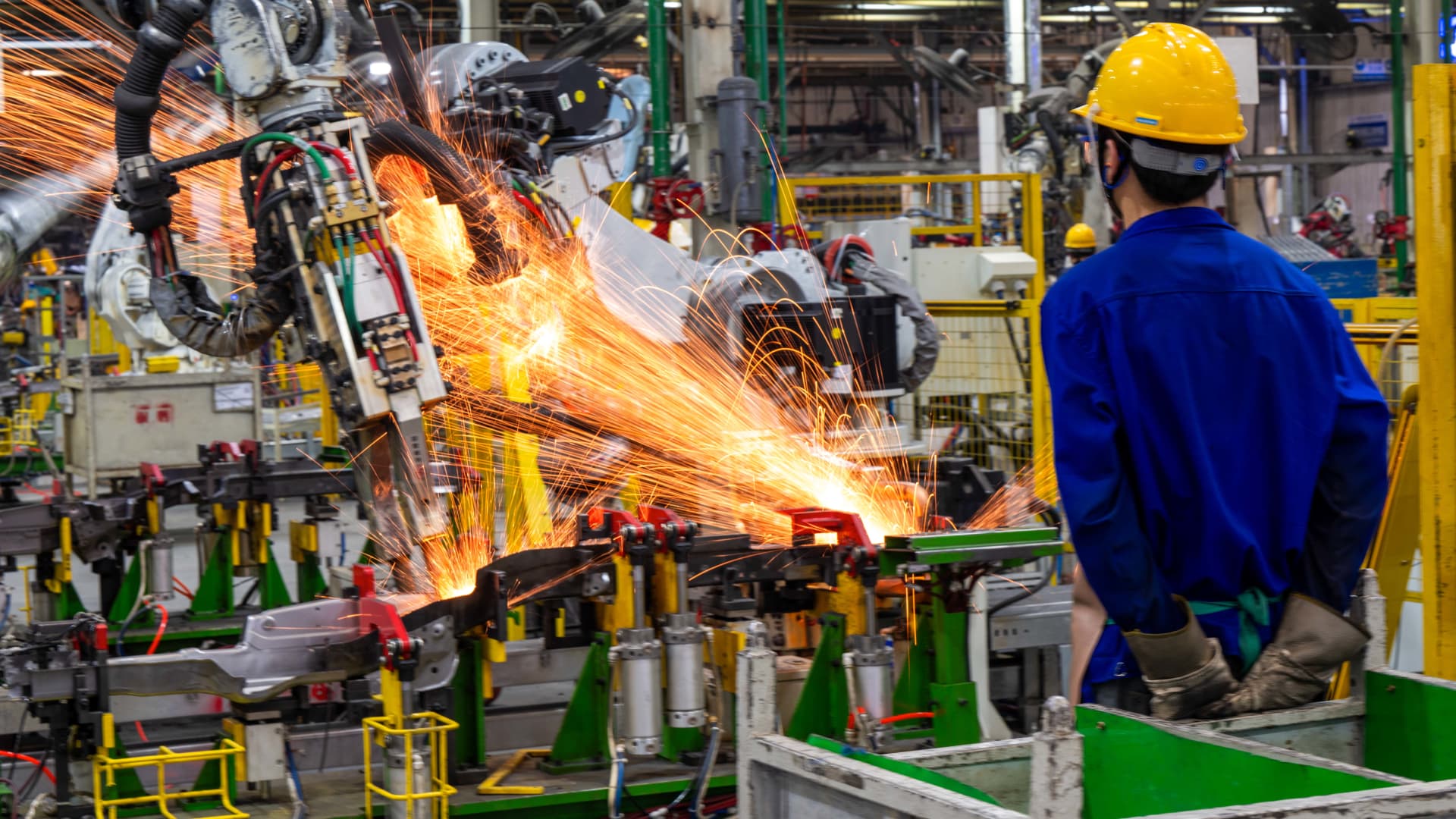
The abrupt contraction of China’s factory activity in July marks a significant structural speed bump for the world’s second-largest economy, threatening to derail global growth expectations. As supply chains adjust to shifting trade policies and domestic consumption fails to fill the void left by cooling exports, Beijing faces mounting pressure to implement aggressive fiscal interventions. Understanding these developments is vital for navigating the current volatility across stock markets globally.
📊 Macro-Economic Strategic Insights
- Contraction Threshold Crossed. The manufacturing purchasing managers index dropped to 49.2, signaling an abrupt end to a four-month expansionary cycle.
- Export Engine Deceleration. Frontloaded shipments ahead of tariff deadlines have unwound, leading to a sharp drop in U.S.-bound manufacturing exports.
- Domestic Consumption Void. Retail sales, travel, and restaurant demand fell simultaneously, highlighting the lack of consumer confidence to offset industrial slowing.
The sudden downturn in manufacturing sentiment highlights deep-seated vulnerabilities in the Chinese economic model, which has leaned heavily on external trade to compensate for weak domestic demand. The official manufacturing purchasing managers’ index (PMI) fell to 49.2 in July, down from 50.3 in June. This unexpected drop undercuts the optimism established during the second-quarter expansion and lands right as policymakers acknowledge intensifying headwinds.
The drop below the 50.0 expansion-contraction threshold indicates that the frontloading of exports—driven by anticipation of new trade barriers—has run its course. For several months, manufacturers rushed shipments to avoid incoming tariffs, temporarily boosting industrial output. However, as trade barriers take effect, this protective buffer is evaporating rapidly, leaving factories with bloated inventories and declining new orders.
Key observations from the latest manufacturing data reveal:
- The July PMI of 49.2 represents the weakest manufacturing output level since February.
- Employment metrics across all surveyed industrial sectors have deteriorated significantly compared to last year.
- Retail and service-sector performance, including travel and dining, experienced a synchronized slowdown.
This industrial deceleration signals a critical turn in economic policy requirements, shifting the focus from supply-side expansion to urgent demand-side stimulation.
The Transmission Mechanism of Manufacturing Slowdowns:
Tariff Anticipation Ends → Export Volumes Drop → Factory Production Contracts → Employment and Wages Fall → Domestic Consumer Spending Retreats
Purchasing Managers Index (PMI) is a leading economic indicator derived from monthly surveys of private sector companies. A reading below 50 indicates contraction, reflecting reducing corporate acquisitions, lower employment intentions, and slowing production lines that typically precede broader GDP deceleration.
| Economic Metric | July Value | June Value / Q2 Trend | Significance to Macro Stability |
|---|---|---|---|
| Manufacturing PMI | 49.2 | 50.3 | Signals contraction in industrial output and deteriorating business confidence. |
| Q2 GDP Growth | 4.3% | Under Target (4.5% – 5.0%) | Indicates the slowest pace of expansion in over three years, raising systemic risks. |
| US-Bound Shipments | Contractionary | +14.0% (June) | Highlights the sudden depletion of the export-led growth engine. |
Chinese Industry Policy Commentary
Beijing’s current dilemma lies in its historical reliance on debt-fueled infrastructure and manufacturing subsidies. According to analysis from Reuters Economy analysts, the central government’s recent mid-year meeting signaled an awareness of these structural obstacles. Policymakers have pledged to accelerate fiscal spending and deploy incremental policies to support the economy. However, structural economists warn that simply boosting industrial supply without fostering a robust consumer safety net will only exacerbate overcapacity issues, leading to trade frictions with global partners.
China’s Inflationary Risks
The manufacturing contraction threatens to pull the regional economy deeper into a deflationary spiral. This economic backdrop corroborates recent data from Bloomberg Economics detailing how falling domestic retail sales and soft industrial pricing power are squeezing corporate margins. If consumer prices continue to stagnate or fall, real debt burdens on local governments and corporations will rise, further depressing domestic demand and leaving the country highly susceptible to long-term economic stagnation.
How China’s factory activity Downshift Will Impact Global Supply Chains
The sudden contraction in industrial activity proves that export-led growth alone cannot sustain China’s economic ambitions. For global investors seeking educational insights on macroeconomic indicators, this shift underscores the necessity of diversifying geographic exposure.
- Policy Urgency: Expect Beijing to roll out targeted consumption vouchers and lowered reserve requirements in the coming weeks.
- Supply Chain Realignment: Multinational corporations will likely accelerate China-Plus-One strategies to mitigate geopolitical and demand volatility.
- Commodity Headwinds: Slower factory throughput will naturally depress global demand for industrial metals and energy inputs.
Will Beijing’s promised fiscal injection be enough to stimulate organic consumer demand, or has the Chinese economy entered a structural transition that monetary policy alone cannot fix?
📊 StockXpo Analyst’s View
Market Impact: The contraction in factory output is bound to pressure industrial commodity prices, specifically copper and crude oil, while tempering the near-term valuation of multinational industrials. Sector To Watch: We recommend closely monitoring defensive consumer staples and specialized logistics providers that are repositioning to capture regional supply chain shifts away from mainland manufacturing hubs.
Financial Disclaimer: StockXpo.com is a financial news aggregator and educational portal, not a registered investment advisor or broker-dealer. All information, news, and analysis provided herein are strictly for educational purposes and do not constitute investment, financial, legal, or tax advice. Investing in the stock market involves high risks, and past performance is not indicative of future results. StockXpo will not be liable for any financial losses or investment damages. Always consult a certified financial advisor before making market decisions.
MORE IN INSIDE ECONOMY

Trump Economic Approval Plummets: A Warning for Macro Stability
Published: Thursday, October 22, 2026 · 9:12 AM

UK Inflation Jumps to 3.5%: Cementing Rate Hike Expectations
Published: Wednesday, October 21, 2026 · 2:51 AM