Published: Thursday, June 11, 2026 · 4:22 PM | Updated: Thursday, June 11, 2026 · 4:22 PM
📊 258 views




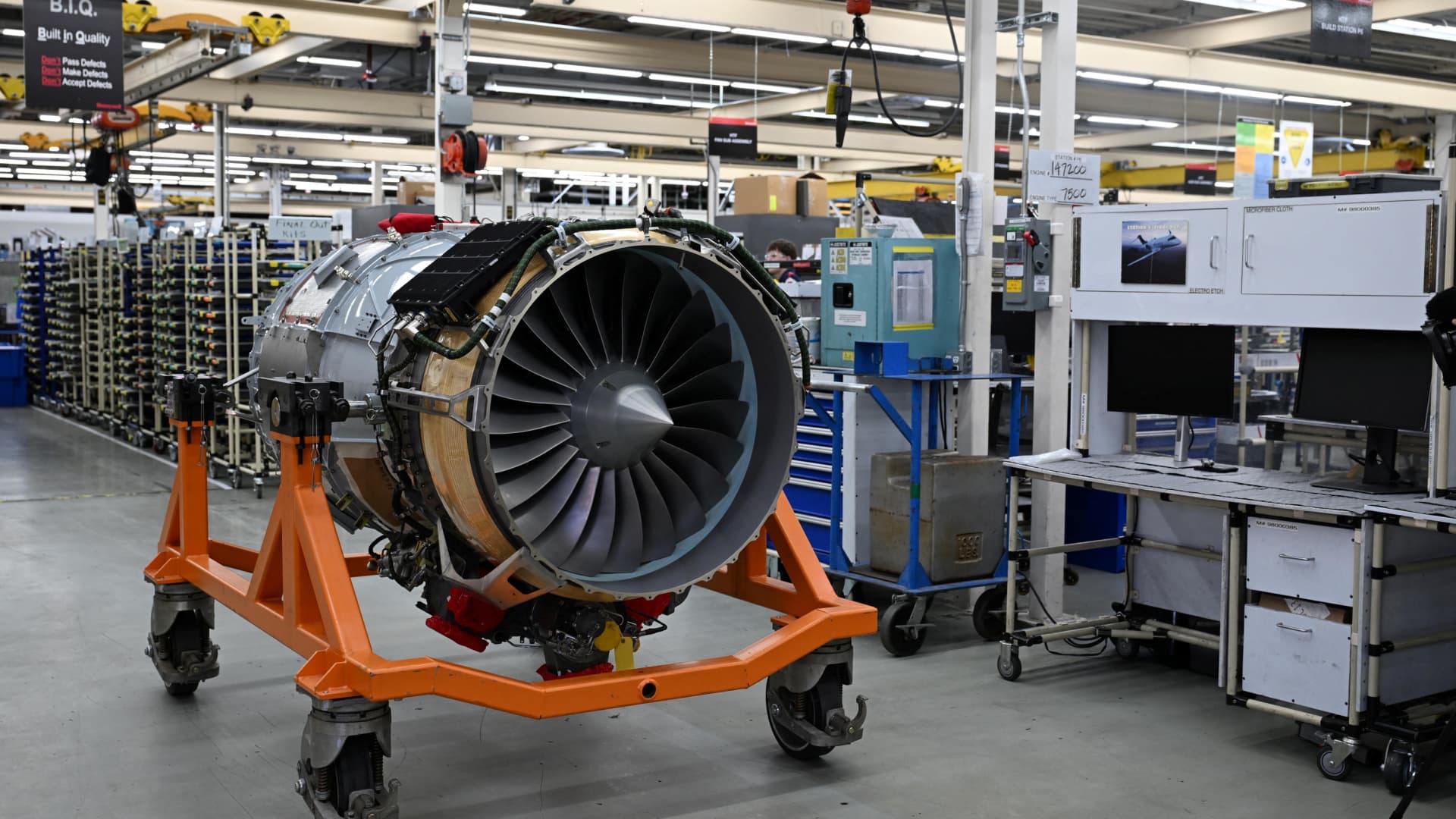
Industrial giant Honeywell is preparing for a significant corporate restructuring this month, a move widely anticipated to unlock substantial shareholder value. The planned breakup into distinct aerospace and automation businesses has drawn keen market attention, with analysts and investors evaluating its potential impact on sector dynamics and long-term growth.
🚀 Tech Strategy & Market Disruptions
- Strategic Unbundling Accelerates Value. Honeywell’s separation aims to create agile, focused entities better positioned to capitalize on distinct market opportunities in aerospace and industrial automation.
- Automation’s Undervalued Potential. Market experts, including Jim Cramer, believe the sheer size and growth trajectory of the automation sector are often underestimated, hinting at significant upside for the spun-off unit.
- Market Volatility from Major IPOs. The broader market sentiment is also being influenced by high-profile events like the anticipated SpaceX IPO, creating a dynamic backdrop for Honeywell’s separation.
The impending strategic corporate unbundling of Honeywell, slated for June 29, is generating considerable buzz on Wall Street. CNBC’s Jim Cramer has publicly expressed optimism regarding the long-term value creation, particularly from the automation segment, suggesting investors may be underestimating its total addressable market (TAM). This strategic decision reflects a broader trend among conglomerates to shed non-core assets and focus on specialized growth engines.
Cramer’s assertion that there are ’50 points to be had’ once the restructuring is complete highlights the potential for a clearer valuation of the standalone businesses. The move allows both the aerospace and automation entities to pursue tailored growth strategies, allocate capital more efficiently, and respond to their respective market demands with greater agility. This unbundling is often a precursor to heightened innovation and improved operational efficiencies within each focused unit.
While some short-term volatility is expected around the separation, referred to as ‘grave dislocations’ by Cramer, such periods are often viewed by long-term investors as opportune buying moments. The market is currently navigating a dual narrative: one dominated by macro concerns like inflation and geopolitics, and another driven by technological advancements and anticipated high-profile debuts. For instance, the impending anticipated high-profile debuts like the SpaceX IPO has commanded significant analyst attention, with price targets ranging from $165 to $190, illustrating the substantial capital flows influencing broader market trading and potentially impacting the liquidity environment for other major corporate actions. Such events underscore the complex interplay of corporate strategy and prevailing market sentiment affecting emerging technologies.
- Increased Market Clarity: The separation is expected to provide investors with a more transparent view of each business’s financials and growth prospects.
- Specialized Innovation Focus: Dedicated management teams can concentrate resources on specific R&D and market strategies.
- Unlocking Hidden Value: Analysts often assign a ‘conglomerate discount’ that is removed when businesses operate independently.
The market’s enthusiasm for technology, particularly in areas like semiconductors, has also provided a counter-narrative to other economic pressures. This bifurcated market environment, where tech-driven momentum coexists with inflation and geopolitical concerns, makes precise valuation of industrial plays like Honeywell’s automation unit both challenging and potentially rewarding.
Honeywell’s decision to undergo an industrial stock breakup directly translates into a disruption flow for both its internal operations and external market perception. The cause is a strategic imperative to unlock shareholder value and achieve focused growth. This leads to the effect of creating two independent, agile companies. These new entities can then streamline their R&D, allocate capital more precisely to their respective core competencies—aerospace and automation—and optimize their supply chains without the constraints of a diversified conglomerate structure. This specialized focus drives innovation more efficiently, which in turn leads to enhanced product development, faster market response, and ultimately, greater competitive advantage in their specific sectors. For instance, the automation arm will be better positioned to integrate advanced AI and IoT solutions without having to compete for resources with a vastly different aerospace division, leading to faster adoption of smart factory solutions and potentially disrupting traditional manufacturing processes. For more insights on emerging industrial technologies and their market impact, explore our analysis.
As a CTO, I view this industrial stock breakup as a strategic de-risking and value-maximization maneuver. By isolating the automation business, Honeywell isn’t just splitting assets; it’s creating an unencumbered innovation engine. This allows for a singular focus on developing next-gen industrial IoT, AI-driven predictive maintenance, and robotic process automation without the inherent complexities and sometimes conflicting priorities of a larger, more diverse portfolio. The real disruption isn’t just in the market cap, but in the accelerated pace of technological advancement and integration that a dedicated automation firm can achieve.
Honeywell’s Automation Segment: Ecosystem Expansion Potential
The newly independent automation business holds immense potential for ecosystem expansion. Freed from the broader Honeywell structure, this entity can aggressively pursue strategic partnerships, acquisitions, and joint ventures that are laser-focused on industrial automation, smart manufacturing, and digital services. This includes closer collaborations with cloud providers, AI startups, and specialized hardware manufacturers to build comprehensive, integrated solutions. The ability to move swiftly and decisively in developing an interconnected network of technologies and services will be critical for capturing a larger share of the burgeoning market. Dive deeper into such educational tech insights on our platform. Expanding its API strategy to foster third-party development and offering open platforms could further solidify its position as a central player in the industrial IoT landscape.
Honeywell’s Digital Transformation Challenges
While the industrial stock breakup promises a sharper focus, the standalone automation unit will still face significant digital transformation challenges. These include modernizing legacy infrastructure, integrating disparate systems, and attracting top-tier software engineering talent in a competitive market. Moreover, the inherent complexity of industrial environments requires robust cybersecurity measures, a constant and evolving challenge. The company will need to invest heavily in cloud-native architectures, advanced data analytics capabilities, and secure edge computing solutions to truly realize the “huge TAM” Cramer identifies. Successfully navigating these technological hurdles will be paramount to converting market potential into tangible revenue growth and establishing itself as a leader in industrial innovation and market trends.
Honeywell’s Automation Future: A Bet on Specialized Innovation
The impending industrial stock breakup of Honeywell represents a strategic commitment to specialized growth, particularly within its automation segment. This move is poised to create a more agile, focused entity better equipped to capitalize on the vast opportunities in industrial digitalization and smart manufacturing, despite anticipated short-term market fluctuations.
- The separation enables clearer valuation and unlocks potential “conglomerate discounts.”
- Focused management teams can accelerate R&D and market penetration in automation technologies.
- Initial market volatility should be viewed as strategic entry points for long-term investors.
Will this bold corporate restructuring truly unleash the full, often underestimated, potential of industrial automation on a global scale?
📊 StockXpo Analyst’s View
Market Impact: The Honeywell breakup, coupled with the ongoing anticipation of the SpaceX IPO, underscores a market increasingly valuing specialized, high-growth narratives over diversified conglomerates. While near-term volatility is likely, the long-term outlook for focused industrial technology plays appears favorable, potentially drawing capital from broader indexes into more niche, high-conviction assets.
Sector To Watch: Industrial Automation and Robotics will be critical sectors to monitor. Companies deeply embedded in smart factories, AI-driven operational efficiency, and industrial IoT solutions are likely to benefit from increased investor attention following Honeywell’s strategic move, as the market seeks the next wave of innovation-driven growth opportunities.
Financial Disclaimer:
StockXpo.com is a financial news aggregator and educational portal, not a registered investment advisor or broker-dealer. All information, news, and analysis provided herein are strictly for educational purposes and do not constitute investment, financial, legal, or tax advice. Investing in the stock market involves high risks, and past performance is not indicative of future results. StockXpo will not be liable for any financial losses or investment damages. Always consult a certified financial advisor before making market decisions.
MORE IN INSIDE TECHNOLOGY

AI Legal Tech: Revolutionizing Billing and Training in Law with Innovation
Published: Saturday, October 10, 2026 · 2:58 AM

Starlink India: Regulatory Hurdles and Innovation-Driven Growth Risks
Published: Friday, October 9, 2026 · 12:48 AM