Published: Tuesday, July 28, 2026 · 3:33 AM | Updated: Tuesday, July 28, 2026 · 3:33 AM
📊 287 views




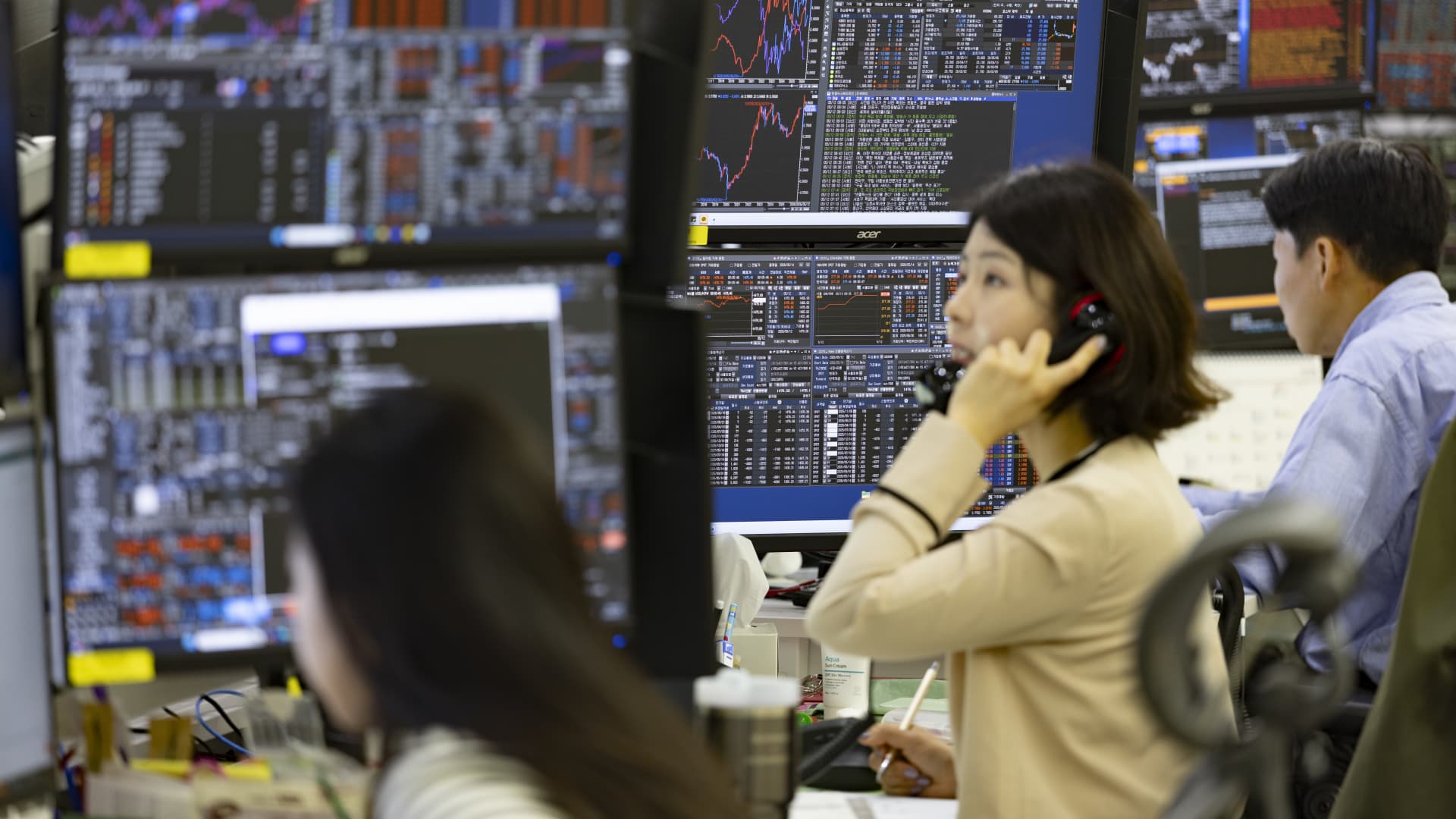
The fortunes of U.S. and Korean tech sectors have become tightly interwoven, marking a significant shift in global market dynamics. This unprecedented linkage is predominantly fueled by the insatiable demand for high-performance memory chips crucial for artificial intelligence infrastructure, placing Korean tech stocks at the heart of the global AI supply chain.
🚀 Tech Strategy & Market Disruptions
- AI Supply Chain Convergence. U.S. hyperscalers’ escalating AI investments are directly driving demand for advanced memory chips, consolidating the role of Korean semiconductor giants as critical hardware enablers.
- Market Bellwether Role Emerges. South Korean equities, particularly those of leading memory chipmakers like SK Hynix, are increasingly acting as early indicators for global AI sector sentiment, influencing Wall Street’s performance.
- Eroding Diversification Benefits. The heightened correlation between U.S. and Korean tech markets diminishes the traditional portfolio diversification advantages investors sought across geographically disparate equity holdings.
The 60-day correlation between South Korea’s Kospi index and the U.S. Nasdaq 100 has recently surged to approximately 0.50, reaching its highest point since 2021, according to data from Rayliant. This amplified synchronicity highlights how global artificial intelligence spending is now inextricably binding the financial outcomes of America’s technology behemoths with those of Korean memory chip producers. Major players like Samsung Electronics and SK Hynix collectively dominate over half of the Kospi index and are central to the AI hardware ecosystem, supplying the essential memory components for U.S. data centers.
According to Rolf Bulk, an analyst at Futurum Group, ‘The correlation has increased because the KOSPI has become a semiconductor index.’ This transformation means Samsung and SK Hynix’s earnings are now highly dependent on the same hyperscaler capital expenditure that fuels growth for U.S. semiconductor and technology firms. Data-center demand for dynamic random-access memory (DRAM), a key component in AI servers, has risen significantly, climbing from roughly 40% of global demand last year to over 50% this year, with further increases anticipated by Bulk. This trend is a crucial indicator for technology market trends.
Investors in Asia are now gaining an earlier perspective on the strength of the global AI trade before U.S. markets commence trading. Jung In Yun, founder of Fibonacci Asset Management, noted that ‘Samsung and SK Hynix provide the first liquid market reaction to overnight developments affecting global AI demand.’ He specifically highlighted SK Hynix as an important barometer due to its significant exposure to high-bandwidth memory (HBM), a critical component within the intricate AI supply chain. This real-time feedback loop was evident on July 13, when the Kospi experienced a more than 8% decline, primarily driven by a 15% plunge in SK Hynix shares. The Nasdaq 100 subsequently closed 1.88% lower, with major U.S. technology stocks like Micron Technology, Sandisk, and Intel also seeing declines.
Samsung’s quarterly earnings guidance offers one of the first concrete signals on the state of AI demand globally, typically preceding major U.S. semiconductor company reports by about two weeks. While these markets move in tandem, analysts, including Phillip Wool, head of research at Rayliant Global Advisors, caution against viewing one as consistently leading the other. He stated, ‘The fortunes of U.S. tech stocks and Korean tech stocks are increasingly being driven by a common underlying factor, which is sentiment toward the AI hardware trade.’
When AI-related news breaks during U.S. market closures, Samsung and SK Hynix serve as proxies for how investors might react upon Wall Street’s reopening. Conversely, developments during U.S. trading hours offer a preview for the subsequent Korean session. However, this tight linkage carries inherent risks, notably the erosion of diversification benefits that investors traditionally sought by holding equities across these distinct geographies. ‘Korea no longer provides diversification against U.S. tech. With half the index tied to one cyclical theme, a slowdown in hyperscaler capex would hit the Korean market harder than most other markets,’ Bulk warned, also noting the higher volatility of Korean memory stocks, exacerbated by leveraged exchange-traded fund flows.
- Kospi-Nasdaq 100 Correlation: Elevated to ~0.50, highest since 2021, indicating significant market co-movement.
- Korean Chipmakers’ Kospi Dominance: Samsung and SK Hynix comprise over 50% of the Kospi index, making it highly sensitive to semiconductor cycles.
- Data-Center DRAM Demand Surge: Increased from ~40% last year to >50% this year, reflecting AI’s growing hardware needs.
- Market Reaction Example (July 13): SK Hynix’s 15% drop led to Kospi falling >8% and Nasdaq 100 declining 1.88%, showcasing direct impact.
Unpacking the Disruption: AI Demand’s Global Market Chain Reaction
The surging global investment in artificial intelligence initiates a direct cause-and-effect chain across the technology landscape. This robust demand for advanced computing power translates immediately into an escalating need for cutting-edge memory chips, specifically DRAM and High-Bandwidth Memory (HBM). Consequently, leading Korean semiconductor manufacturers, such as Samsung and SK Hynix, become indispensable suppliers to U.S. tech giants operating large-scale AI data centers. This pivotal role causes their stock performance to mirror closely that of their U.S. counterparts, leading to a profound alteration in traditional investment strategies by diminishing the long-held benefits of geographic market diversification. The ripple effect extends across global capital markets, influencing investor sentiment and market liquidity from Seoul to Wall Street.
‘The integration of AI demand into the core supply chains of U.S. and Korean tech ecosystems represents a fundamental architectural shift. CTOs must now consider global component availability and market sentiment as tightly coupled variables, influencing not just pricing but strategic roadmap resilience.’
Korean Tech Market Adoption Challenges
The tight correlation, while reflecting strong demand, also exposes Korean tech stocks to unique market adoption challenges, particularly from emerging competitors. Peter Kim, head of global investment strategy at KB Financial Group, highlighted that while Micron, Samsung, and SK Hynix currently benefit from rising DRAM prices, future performance could diverge due to differences in capital expenditure, product mix, and U.S. government support for domestic chip production. A significant emerging risk is China’s expanding presence in memory chip production. Despite current technological lags, Chinese producers have frequently surpassed investor expectations. For instance, Changxin Technology Group (CXMT) saw its shares soar 466% on its STAR Market debut, becoming China’s most valuable listed chipmaker. This rapid ascent signals potential future competition, adding a layer of complexity to the global memory market and challenging the long-term dominance of established players. These developments necessitate a deeper dive into emerging technologies and competitive landscapes.
AI Ecosystem Expansion Potential
Despite the risks of diminished diversification, the strengthened link between U.S. and Korean tech firms also opens avenues for significant AI ecosystem expansion potential. The shared dependence on AI-driven growth could foster deeper collaboration in research, development, and supply chain optimization, ultimately accelerating innovation. While currently bound by the same market sentiment towards AI hardware, the future could see greater divergence as companies differentiate their strategies. Variations in capital expenditure, specific product mixes (e.g., advanced HBM versus traditional DRAM), and the increasing influence of national industrial policies, such as U.S. support for domestic chip manufacturing, could eventually lead to separate performance trajectories. This evolving landscape warrants continuous monitoring of market shifts and seeking out educational tech insights. This dynamic interdependence will drive innovation and necessitate agile responses from companies navigating the rapidly evolving global technology sector, as reported in CNBC’s reporting on global technology news and broader trends observed in global technology news.
The Ripple Effect of Korean Tech Stocks on Global AI
The deepening ties between U.S. and Korean tech stocks underscore a profound structural change in the global AI hardware market, transforming traditional investment calculus. This heightened interdependence signals both accelerated innovation within the AI supply chain and significant risks related to portfolio diversification and market volatility.
- The Kospi’s redefinition as a ‘semiconductor index’ makes it a critical early barometer for global AI demand.
- Investors face reduced geographic diversification benefits as market movements become increasingly synchronized.
- The rise of Chinese memory chip producers introduces a new competitive dynamic to monitor closely.
How will global investment strategies adapt to this new era of tightly interwoven international tech fortunes?
📊 StockXpo Analyst’s View
Market Impact: The strong correlation between U.S. and Korean tech indicates that global AI infrastructure buildout is creating a singular, interconnected market for critical components. This reduces portfolio diversification, but amplifies transparency, allowing for earlier signals of AI demand shifts. Investors should prepare for synchronized movements and greater volatility when betting on the semiconductor-heavy segments.
Sector To Watch: The high-bandwidth memory (HBM) segment, dominated by SK Hynix and Samsung, remains paramount. However, attention should also be directed towards the evolving competitive landscape with China’s emerging memory chip players, and how this will influence long-term pricing and supply chain stability.
Financial Disclaimer:
StockXpo.com is a financial news aggregator and educational portal, not a registered investment advisor or broker-dealer. All information, news, and analysis provided herein are strictly for educational purposes and do not constitute investment, financial, legal, or tax advice. Investing in the stock market involves high risks, and past performance is not indicative of future results. StockXpo will not be liable for any financial losses or investment damages. Always consult a certified financial advisor before making market decisions.
MORE IN INSIDE TECHNOLOGY
AI Buildout Hits Credit Headwinds: Neoclouds Under Pressure
Published: Saturday, October 24, 2026 · 12:23 AM

SK Hynix Shares Rebound: A Strategic Shift in Semiconductor Funding
Published: Friday, October 23, 2026 · 1:46 AM