Published: Thursday, June 11, 2026 · 4:53 PM | Updated: Thursday, June 11, 2026 · 4:53 PM
📊 253 views




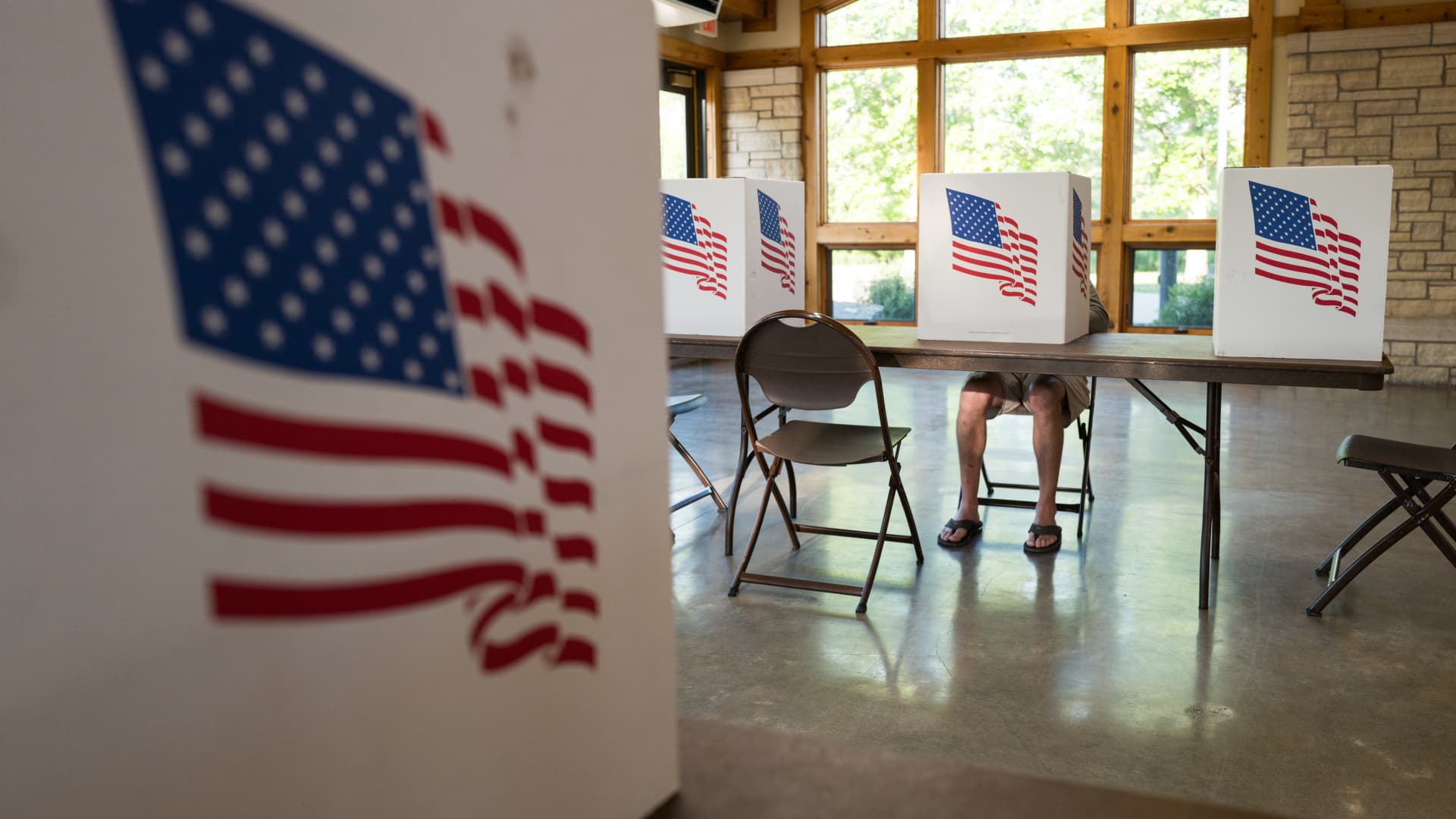
The 2026 midterm election cycle is poised to rewrite spending records, with political ad spending projected to hit an unprecedented $11.6 billion. This surge, exceeding even the 2024 presidential cycle, signals a profound shift in campaign strategies and offers a significant revenue boost for media companies and digital platforms. The intensity of these races reflects heightened political polarization and a fiercely contested legislative landscape.
🗝️ Corporate Strategy Insights
- Record-Breaking Cycle. The 2026 midterms are projected to be the most expensive U.S. election cycle ever, with political ad spending estimated at $11.6 billion, surpassing previous presidential and midterm records.
- Media Windfall. Traditional broadcast TV, cable networks, and increasingly, digital platforms like Google, Meta, Snapchat, and X are positioned for substantial revenue injections from this political advertising boom.
- Digital Acceleration. A significant portion of the growth is driven by connected TV and digital channels, indicating a strategic shift by campaigns to diversify their outreach beyond conventional media.
AdImpact, a leading advertising intelligence firm, estimates that the 2026 midterm elections will generate $11.6 billion in political ad spending, marking it as the most expensive cycle in U.S. history. This figure notably eclipses the $11.2 billion spent during the 2024 presidential election and represents a substantial 30% increase over the 2022 midterms, which drew $8.9 billion. The sheer scale of this spending underscores a heightened political climate, particularly with Republicans holding both chambers of Congress, fueling competitive races across the nation.
The distribution of this massive spend highlights critical shifts in media consumption and campaign strategy. Broadcast television remains a dominant force, expected to capture $5.6 billion, nearly half of the total. However, digital platforms are rapidly gaining ground, with projections indicating $1.68 billion for digital advertising and $2.6 billion for connected TV. Cable TV is anticipated to account for $1.4 billion. These figures demonstrate a multi-pronged approach by campaigns to reach voters across various media.
- The surge in spending, already at $4 billion by June 1, represents a 46% increase compared to the same period in the 2024 presidential cycle, reflecting earlier and more aggressive campaign launches.
- Key battleground states such as California, Texas, Michigan, and Ohio are attracting the largest share of this investment, driven by hotly contested Senate and gubernatorial races.
- The Senate races alone are expected to draw nearly $3.4 billion, underscoring the high stakes involved in legislative control.
This unprecedented surge in political ad spending sets off a significant strategic ripple effect across the media and technology sectors. Increased campaign outlays translate directly into enhanced revenue streams for media companies, from local broadcast stations to global digital platforms. This financial injection can then be reallocated by these companies into content development, infrastructure upgrades, and advanced advertising technologies, fortifying their competitive moats. For instance, heightened spending on digital channels forces platforms like Meta and Google to innovate their ad delivery and targeting mechanisms, potentially leading to broader advancements in their advertising products. This, in turn, allows them to capture greater market share in advertising budgets, not just from political campaigns but also from commercial advertisers seeking sophisticated reach and measurement capabilities, as detailed in recent market dynamics reports.
This unprecedented level of political ad spending underscores a fundamental strategic pivot by campaigns towards aggressive, multi-channel outreach, transforming the financial landscape for media and tech platforms. The early and intense financial commitments reflect a broader battle for influence across increasingly fractured information environments.
Key Indicators of Election Ad Market Growth
- Total Projected Spend for 2026: $11.6 billion. This figure highlights the immense financial opportunity for advertising-reliant businesses.
- Growth vs. 2022 Midterms: A 30% increase, demonstrating accelerated market expansion within a single cycle.
- Early Cycle Spending Surge: 46% increase over the 2024 presidential cycle at the same point, indicating a shift towards earlier, sustained campaign efforts.
- Top Channel Allocation: Broadcast TV comprises nearly half (48%) of the total, affirming its enduring local market influence, while Connected TV (22.4%) and Digital (14.5%) show significant growth in new media consumption.
These metrics collectively reveal not only the robust demand for political advertising but also the evolving channels through which campaigns are engaging voters, presenting both opportunities and challenges for media and ad-tech companies.
Digital Platforms’ Strategic Analysis
The substantial allocation of $1.68 billion to digital political ad spending represents a critical area for platforms like Meta, Alphabet (Google), Snapchat, and X. These companies offer unparalleled micro-targeting capabilities, allowing campaigns to reach specific voter demographics with tailored messages. Their strategic advantage lies in proprietary data analytics and extensive user bases, which enable highly efficient ad delivery. However, this also brings increased scrutiny regarding data privacy, misinformation, and content moderation, particularly in a high-stakes election environment. These platforms must continually invest in AI-driven content oversight and transparency tools to maintain advertiser trust and regulatory compliance, ensuring long-term corporate growth strategies.
Broadcast Media’s Competitive Advantages
Despite the rapid growth of digital advertising, broadcast television continues to command the largest share of political ad spending, projected at $5.6 billion. This enduring dominance is primarily attributed to its pervasive local reach, particularly in battleground states, and its traditional role as a trusted news source for a broad demographic. Local broadcast stations often have established connections within their communities and offer live event viewership that remains highly sought after by campaigns looking for maximum simultaneous exposure. This strong local presence and perceived credibility form a crucial competitive moat that digital platforms, despite their sophisticated targeting, have yet to fully erode.
The Unprecedented Financial Surge of 2026 Midterms
The record-setting political ad spending for 2026 midterms signals a pivotal moment for the advertising industry, campaign strategists, and voters alike. This financial outpouring underlines an increasingly intense political landscape, where securing legislative control demands unparalleled resource allocation across a diverse media ecosystem. The robust investments highlight how campaigns are adapting to fragmented audiences and leveraging both traditional and emerging channels to maximize their reach.
- Media companies, particularly local broadcasters and major digital advertising platforms, are set to be primary beneficiaries of this spending surge.
- The early and substantial investment by campaigns indicates a prolonged and aggressive advertising cycle, extending financial opportunities for media providers.
- The continued shift towards connected TV and digital platforms is accelerating, demanding evolving ad technology and sophisticated targeting capabilities, as explored in various stock markets analyses.
How will this unprecedented financial commitment ultimately reshape voter engagement and the effectiveness of campaign messaging in future election cycles, while also influencing investment in advertising innovation?
📊 StockXpo Analyst’s View
Market Impact: Investor sentiment towards media conglomerates, particularly those with strong local broadcast portfolios, and major digital advertising platforms like Meta and Alphabet should remain positive. The consistent and expanding flow of political ad dollars provides a reliable, albeit cyclical, revenue stream that can stabilize earnings and fuel further investments. This increased liquidity is a tailwind for media stocks.
Sector To Watch: The Broadcast Media sector, especially publicly traded groups with extensive local station networks (e.g., Nexstar Media Group, Gray Television), stands to gain significantly. Concurrently, the Ad-Tech sector, focusing on political ad delivery, measurement, and compliance, will experience heightened demand. Furthermore, the large digital platforms (Meta, Alphabet) will continue to capture a growing share, demonstrating the evolving landscape for effective voter outreach, as often reported in global business reporting and educational insights.
Financial Disclaimer:
StockXpo.com is a financial news aggregator and educational portal, not a registered investment advisor or broker-dealer. All information, news, and analysis provided herein are strictly for educational purposes and do not constitute investment, financial, legal, or tax advice. Investing in the stock market involves high risks, and past performance is not indicative of future results. StockXpo will not be liable for any financial losses or investment damages. Always consult a certified financial advisor before making market decisions.
MORE IN INSIDE BUSINESS
Assortment Trimming: Retailers Redefine Growth Through Operational Efficiency
Published: Saturday, October 10, 2026 · 8:31 AM

Saudi Arabia Flight Decision: Delta Weighs Safety Amid Regional Tensions
Published: Friday, October 9, 2026 · 7:21 AM